The future of commercial interiors is here, and it’s more dynamic, intelligent, and human-centric than ever before. As we look towards 2026, the very definition of a workspace, hotel, or restaurant is being reimagined. These are no longer just functional locations; they are destinations that must earn their keep by providing compelling, valuable, and adaptive experiences. This fundamental shift has elevated commercial furniture from a simple necessity to a strategic tool for boosting productivity, fostering well-being, and expressing a unique brand identity.
The sterile, one-size-fits-all environments of the past are giving way to spaces that are fluid, restorative, and deeply personal. To understand this evolution, we must explore the five core commercial furniture trends for 2026 that are shaping the industry: The Agile Interior, The Sanctuary Space, The Sentient Environment, The Conscientious Object, and The Curated Experience. This article will break down each of these pivotal movements and explore how they are being applied across today's most important commercial sectors.
Quick Overview: Top 5 Commercial Furniture Trends for 2026
- Agile & Modular Interiors: A shift towards fluid, reconfigurable spaces that adapt to user needs in real-time.
- Wellness & Biophilic Design: The integration of nature and wellness-focused features as core functional components.
- Smart, Sentient Spaces: The embedding of intuitive, invisible technology that enhances the user experience.
- Sustainable Circular Furniture: A non-negotiable demand for environmentally responsible materials and circular design.
- Curated, Resimercial Experiences: A rejection of generic design in favor of expressive, comfortable, and story-driven interiors.
Trend 1: The Agile Interior & Flexible Workspace Design
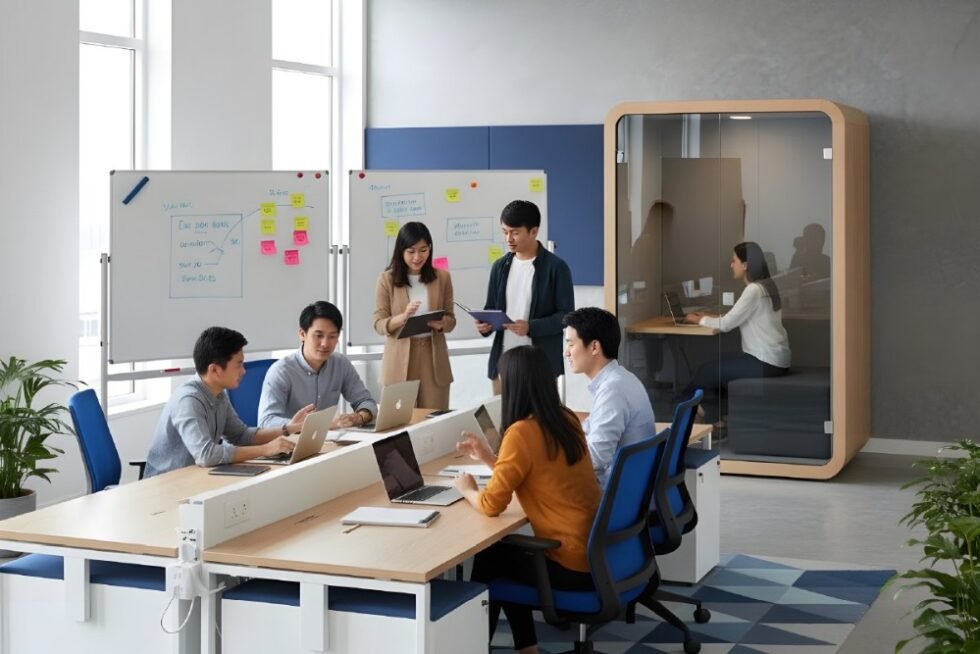
The demand for spatial adaptability has rendered static, single-purpose layouts obsolete. The new philosophy is that spaces must be fluid and responsive, capable of being reconfigured with minimal effort. This imperative for agility is driving the demand for hyper-flexible solutions and specifically, modular furniture.
- How is this trend applied in offices? The traditional office is dissolving in favor of the "multizonal" or agile workspace. This is an ecosystem of interconnected zones tailored for different tasks, from deep focus to collaboration. Key to this are modular workstations, mobile partitions, and soundproof acoustic office pods that allow teams to curate their environment on demand.
- Where else is this trend appearing? In hospitality, hotels are using multi-functional furniture to create adaptive guest rooms, while lobbies are becoming reconfigurable co-working hubs. Similarly, dynamic dining layouts with modular banquettes and lightweight tables allow restaurants to accommodate fluctuating party sizes and host private events, maximizing revenue.
This trend towards modularity is also a powerful sustainability strategy. By allowing for reconfiguration and the replacement of individual parts, it extends a product's lifecycle, directly countering the wasteful "fast furniture" model.
Key Takeaway: Agility is the new currency of space; furniture must be able to transform to meet changing needs, making every square meter more valuable.
Trend 2: The Sanctuary Space - Wellness in the Workplace & Biophilic Design
A profound cultural shift towards prioritizing health is reshaping commercial interiors. Environments are now expected to actively support the physical and mental well-being of their occupants, making human-centric office design a top priority. This is where the principles of biophilic design come into play.
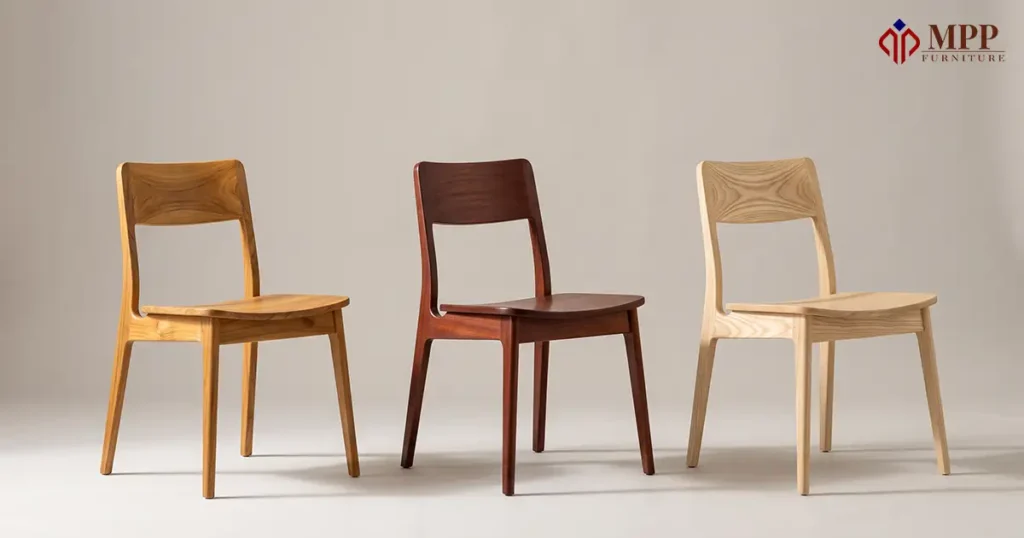
- How does biophilic design work in practice? Biophilic office design has moved beyond a few potted plants to become a holistic framework. This includes large-scale living green walls and the widespread use of natural materials in furniture, such as warm woods and stone. Furniture forms are also becoming more organic, with soft curves that echo natural shapes.
- What about proactive wellness and ergonomics? Ergonomics is becoming data-driven. The next generation of ergonomic office furniture will feature sensors for posture correction and provide real-time feedback. Dedicated "restoration zones" for meditation and quiet reflection are also being integrated directly into floor plans. The conversation around wellness in the workplace now includes its quantifiable return on investment (ROI), linking it to improved productivity and lower corporate healthcare costs.
Key Takeaway: The best commercial spaces now function as sanctuaries, actively supporting the health of occupants through nature-inspired design and data-driven ergonomics.
To learn more about investing in quality natural materials, explore our guide on the long-term performance of indoor teak furniture.
Trend 3: The Sentient Environment - Smart Office Furniture with Integrated Technology
The era of showcasing bulky technology is over. The new benchmark for sophistication is "muted tech". Powerful, smart office furniture where technology is so seamlessly integrated it becomes virtually invisible. The goal is to enhance the user experience in an intuitive, frictionless way.
- What are the key applications of this technology? The most common form of this is furniture with wireless charging pads embedded directly into surfaces. For hybrid teams, conference tables are being designed with integrated AV systems and cable management. We're also seeing the rise of "curated camera corners", aesthetically pleasing backdrops designed specifically for professional video calls.
- How is this trend evolving? This trend marks a shift from individual "smart" objects to interconnected "sentient spaces." Using IoT office furniture with embedded sensors, entire rooms can now understand who is present and automatically adjust lighting, climate, and acoustics to create the optimal environment for any activity.
Key Takeaway: Technology in furniture is no longer about visibility; it’s about creating an intelligent, responsive environment that anticipates and serves user needs effortlessly.
Trend 4: The Conscientious Object - The Rise of Sustainable Commercial Furniture
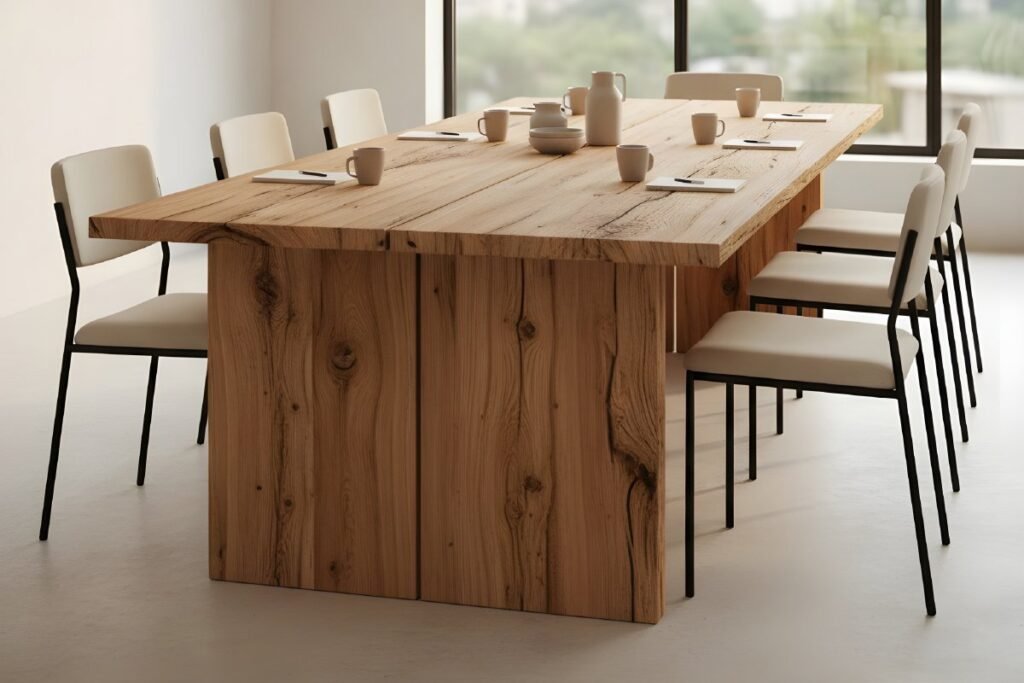
Driven by corporate ESG goals and consumer demand, environmental responsibility is no longer a niche preference. The market is now demanding truly sustainable furniture.
- What materials are becoming popular? The market is embracing authenticity with a return to warm, dark woods like walnut and oak. Alongside these classics is a surge in innovative, eco-friendly office furniture made from recycled materials in furniture manufacturing and novel bio-based alternatives like mushroom mycelium.
- How does this relate to the circular economy? The most sophisticated approach moves beyond recycling to embrace the circular economy furniture model. This means prioritizing durable contract furniture that is built to last, is easily repairable, and has a transparent, traceable supply chain.
- Is sustainability considered a luxury? Yes. A product's ethical story and sustainable origin are becoming the ultimate signifiers of high value. A one-of-a-kind piece from a local artisan using reclaimed materials is now seen as more desirable than a mass-produced luxury item without a conscience.
Key Takeaway: The future of luxury is ethical, with a product's sustainable story becoming as valuable as its material.
Trend 5: The Curated Experience - Resimercial and Personalized Office Interiors
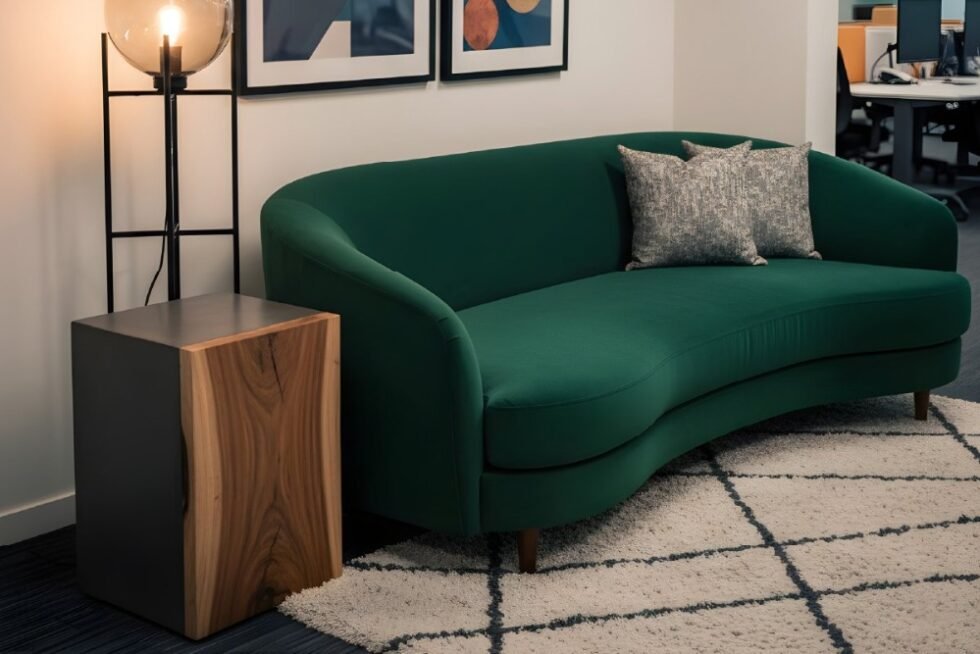
A widespread rejection of sterile, monotonous interiors is fueling a demand for spaces that are expressive, comfortable, and unique. This trend, often resulting in resimercial interiors, is about creating a "curated experience" that tells a story and engages the senses.
- How is this changing color and form in furniture? The all-gray palettes of the past are being replaced by warm, earthy neutrals layered with deep, saturated jewel tones. Furniture silhouettes are also softening, with curvilinear furniture becoming a dominant force. Tactile richness is key, with an emphasis on inviting fabrics like bouclé and velvet upholstery.
- What is a "collected" interior? The new ideal is a space that feels thoughtfully assembled over time. This means confidently mixing vintage treasures, artisan-crafted furniture, and modern pieces to create a layered, intentional, and personalized office interior. This approach creates a unique character that is "algorithm-proof", impossible to replicate because its value lies in its specific story.
Key Takeaway: Commercial interiors are becoming deeply personal, moving away from generic looks to unique, curated spaces that tell a brand's story.
You can see this aesthetic in action in the latest collections of Indonesian teak curved furniture.
For designers, understanding the shift towards bespoke pieces is a significant emerging trend.
Understanding these five key trends is the first step. However, successfully implementing them to create a cohesive, functional, and inspiring space requires a partner who can translate these forward-thinking concepts into tangible reality. Navigating the complexities of modular systems, sustainable sourcing, and integrated technology demands expertise and a commitment to quality.
Your Reliable Commercial Furniture Partner: Navigating the Future with MPP Furniture
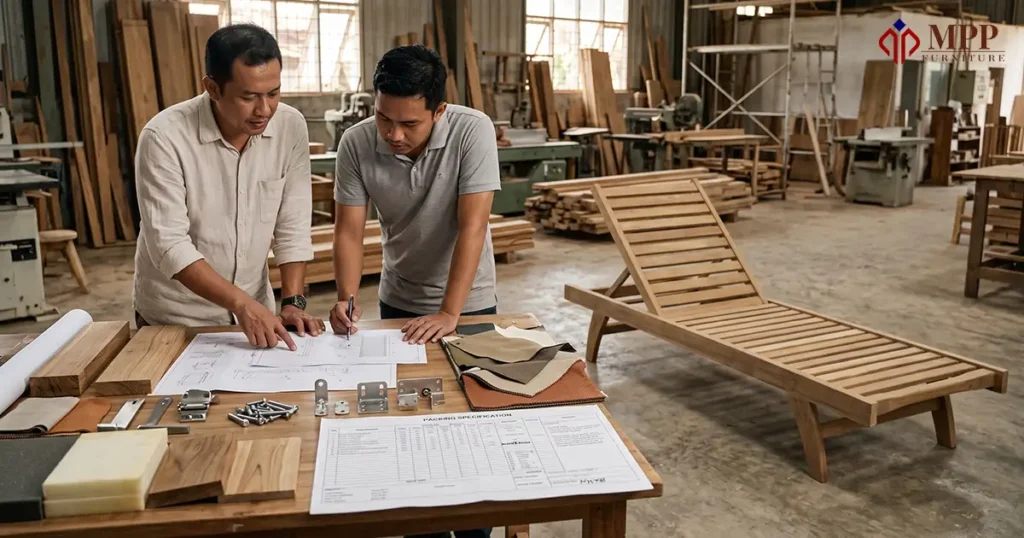
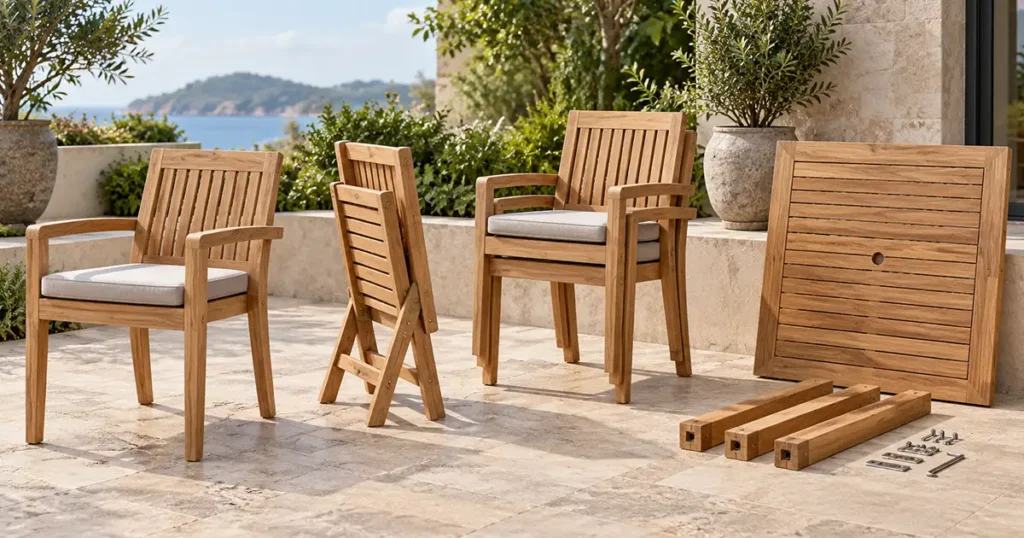
A recent experience at our factory perfectly illustrates this. A client from India was sourcing outdoor furniture for a new resort. His mandate was clear: the pieces had to be exceptionally durable to last for years, and they needed to embody a natural, biophilic theme to complement the surrounding landscape. His search wasn't just for a product, but for a long-term, sustainable solution that felt connected to nature. This real-world need for longevity and authentic design is at the heart of the modern commercial landscape.
This is where MPP Furniture excels. We are more than just a Indonesian furniture supplier; we are a solutions partner dedicated to helping clients in Indonesia and beyond realize their vision for modern commercial spaces. Our philosophy is built to align with the future:
- Adaptable by Design: Our commitment to modular and customizable solutions ensures your space remains agile and responsive to your future needs.
- Conscious Craftsmanship: We are a reliable commercial furniture partner that prioritizes sustainable materials and durable construction, creating "conscientious objects" that are built to last.
- Human-Centric Approach: We focus on ergonomic comfort and timeless aesthetics to support wellness and help you create the curated experiences your users crave.
No matter how the landscape shifts, MPP Furniture stands ready to be your trusted partner. We are committed to delivering the excellence and innovation needed to build the future of commercial interiors.
To see how we bring these ideas to life, read our complete guide for working with a custom furniture manufacturer.
Conclusion: The Future is Human-Centric and Intelligent
The five movements shaping the commercial furniture trends 2026 landscape all point to a single, powerful conclusion, backed by market analysis showing a drive towards modernization and sustainability: the future of commercial spaces is simultaneously agile, intelligent, conscientious, and deeply human. The products and environments that succeed will be those that not only meet functional demands but also resonate on an emotional level, creating experiences that are restorative, inspiring, and truly authentic.
Successfully navigating this new landscape requires partnering with the right Indonesian furniture manufacturer, one with the vision and capability to bring these trends to life. Whether you are creating a flexible workspace, a wellness-focused sanctuary, or a unique curated experience, MPP Furniture is the reliable commercial furniture partner ready to help you build the future, today.
Frequently Asked Questions (FAQ)
What are the main commercial furniture trends for 2026?
The five main trends for 2026 are: Agile & Modular Interiors that allow for flexible use of space; Wellness & Biophilic Design that integrates nature for employee well-being; Smart, Sentient Spaces with seamlessly integrated technology; Sustainable Circular Furniture that prioritizes eco-friendly materials; and Curated, Resimercial Experiences that create unique, story-driven environments.
What are the benefits of modular furniture in the workplace?
Modular furniture offers significant benefits for the modern workplace. Its primary advantage is flexibility, allowing businesses to easily reconfigure layouts to adapt to changing team sizes and project needs. This adaptability improves space utilization, extends the furniture's lifecycle, and provides a more sustainable and cost-effective solution than traditional, static furniture.
What is biophilic design in commercial spaces?
Biophilic design is an approach to architecture and interior design that connects people with nature. In commercial spaces, this means more than just adding plants. It involves using natural materials like wood and stone, maximizing natural light, incorporating organic shapes and patterns in furniture, and creating direct visual connections to nature, all of which are proven to reduce stress and improve productivity.
Why is sustainable furniture important for businesses?
Sustainable furniture is increasingly important for businesses for several reasons. It aligns with corporate ESG (Environmental, Social, and Governance) goals, which are crucial for brand reputation and attracting investment. It also meets the growing demand from employees and customers for environmental responsibility. Finally, sustainably made furniture is often more durable and built to last, representing a better long-term investment.

Versatile Digital Marketing & Creative Specialist with a strong foundation in graphic design, product photography, and comprehensive brand strategy. Proven ability to bridge the gap between physical products and digital presence, translating complex concepts into high-converting marketing assets. Adept at leveraging SEO, web analytics, and engaging visual content to drive business growth and elevate brand identity in competitive markets.
0 Comments
Trackbacks/Pingbacks