For today's international interior designers, the market has fundamentally changed. A client's brief no longer ends with livability and function; it now includes a critical new requirement: a home that looks as good online as it does in person. For many clients, their home is now a public-facing extension of their personal brand.
This shift isn't a challenge; it's the single greatest opportunity for interior design marketing today. A visually stunning, share-worthy project is a powerful, self-perpetuating marketing tool that builds your brand and attracts your next high-value client.
This article is a strategic guide for interior designers on how to leverage this consumer shift. We'll explore the data-driven "why" behind this trend, the specific "how-to" for both design and business strategy, and the critical "where" of sourcing the unique, high-quality pieces that make it all possible.
Key Takeaways for Designers
- The client demand for personalized, "share-worthy" interiors (like eclectic and maximalist styles) is a long-term trend, not a fad.
- This trend is a major business opportunity, allowing you to build a unique brand and justify premium fees for your curatorial expertise.
- The primary challenge is sourcing unique, high-quality, and customizable furniture without facing logistical risks like MOQs, lead times, or poor quality control.
- A strategic B2B manufacturing partner solves this by offering flexible, reliable, and high-quality custom production, acting as an extension of your design firm.
The New Client Demand: A Shift from Minimalism to Maximalist Decor
The modern consumer is actively rejecting the one-size-fits-all catalog. We are seeing a powerful, data-driven pivot away from matching furniture sets and toward interiors that tell a unique, personal story.
This is not just a feeling; it's a measurable global trend. Based on an analysis of digital keywords and consumer behavior, search interest on visual platforms like Pinterest for "eclectic apartment" has surged by 630%, and "vintage maximalism" has grown by 260%.
This is definitive proof of a massive consumer shift. Clients no longer want the "safe" minimalist room that looks like everyone else's. They want eclectic interior design, maximalist decor, and character-rich vintage furniture. They want a home that feels curated, not just decorated.
Why This Trend is Happening: The Home as a Personal Brand
This powerful desire for personalization is being amplified by the culture of social media. A uniform, minimalist room is easily overlooked online, but a space filled with bold patterns, mixed textures, and personal objects is unique, engaging, and captures attention.
The home is no longer just a private sanctuary; it is a public-facing canvas for self-expression. Clients want spaces that are visually compelling and reflect their individual identity. In an age of personal branding, the home has become the ultimate backdrop. Clients are proud to share these unique spaces with their online networks, and they are hiring interior designers who can help them create that unique, share-worthy result.
More Than a Trend: A Long-Term Shift to Sustainable, Biophilic Design Furniture
It is critical to understand that this is not a fleeting style. The data shows this is a permanent market transformation. The consumer desire for personalization is converging with other foundational demands, including:
- Wellness: This trend moves beyond just aesthetics. It's about creating a personal sanctuary that promotes well-being. This is why we see a parallel rise in biophilic design furniture. Clients want to be surrounded by natural, organic materials that reduce stress and connect them to the earth.
- Sustainability: This trend is also a conscious rejection of disposable, "fast furniture". Consumers are more aware of the environmental and social costs of mass-produced, low-quality goods. They are actively seeking durable, meaningful, and sustainable teak furniture that is built to last a lifetime.
In the long term, this means the "one-size-fits-all" model is over. Clients will increasingly demand pieces that reflect their personal values. For interior designers, your value is no longer just in your "taste," but in your ability to be an expert storyteller and a curator of unique, high-quality, and meaningful items. This is a structural shift that firmly places your expertise at the center of the market.
Further Reading: Learn more about how this bespoke furniture trend is a long-term shift for designers.
The Advantage: How This Trend Drives Your Interior Design Marketing
This trend is one of the best things to happen for professional interior designers. It moves you from being a service provider to an indispensable creative partner. Here are the business advantages in detail:
- Build a Unique, Defensible Brand: In a crowded market, any designer can create a safe, "catalog" look. This trend allows you to showcase your unique skill. By becoming an expert in curating personal, eclectic spaces, you build a signature style for your personal branding as an interior designer. This brand is defensible; no one can copy your unique curatorial eye, making you a recognizable name, not just another service provider.
- Justify Higher Value & Fees: When a project is just about picking from standard suppliers, a client might question the value. But when the project involves sourcing unique vintage pieces, commissioning custom furniture, and artfully blending styles, your role changes. You become an expert curator and storyteller. This rare expertise is highly valuable and makes it easier to justify premium design fees for your specialized knowledge.
- Create a Powerful, Self-Sustaining Marketing Tool: A portfolio filled with unique, bold rooms is far more effective at attracting new clients than a portfolio of simple, similar-looking spaces. The project itself becomes a marketing asset. It gets shared on social media, pinned on Pinterest, and featured in design blogs. This creates a "flywheel" effect, where your past work continuously markets your firm and attracts your next client.
- Attract a Better Caliber of Client: Designers who show they can deliver a generic look will attract clients who want a generic look (and a generic price). Designers who build a portfolio of one-of-a-kind, deeply personal spaces will attract high-value clients who are specifically looking for that bespoke, premium service and are willing to pay for it.
The Design Strategy: How to Create a “Curated” Eclectic Interior
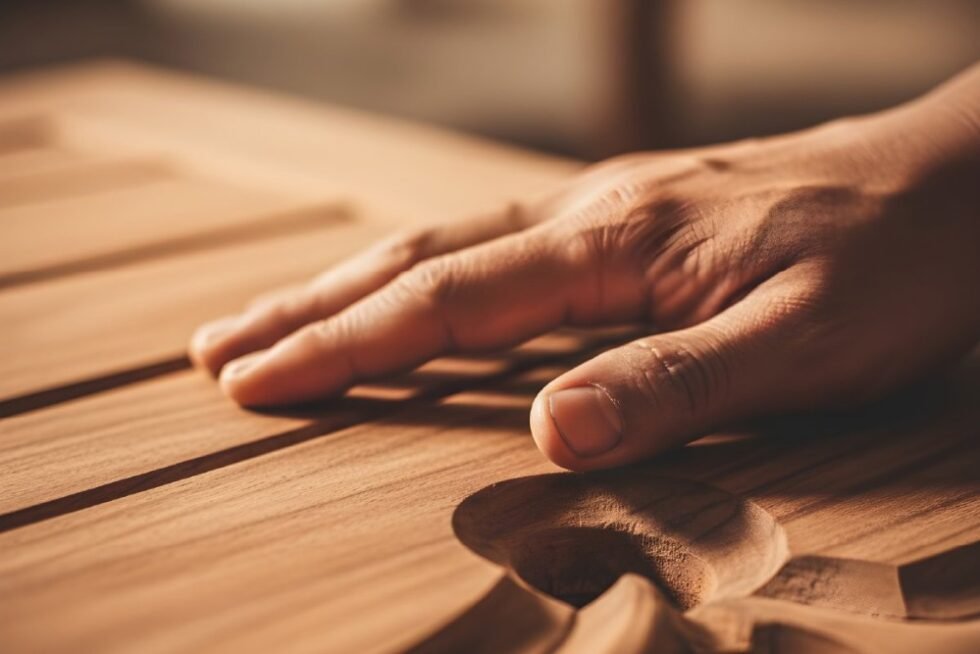
To take advantage of this trend, the first step is the creative process. This means shifting your design approach to act as a curator, not just a decorator.
- Embrace the "Mix": The skill is in the mix. A truly "curated" space feels like it has been built over time. This means artfully combining new, custom-made furniture with vintage finds. It means blending the clean, functional lines of Japandi furniture with the natural, organic forms of biophilic design. Don't be afraid to put a modern, sculptural chair next to a rustic, handcrafted table. The contrast is what creates the story.
- Build the Room Around "Statement Pieces": Anchor the design with one or two unique, high-impact items. Instead of a room where every piece is quiet, you need a "hero." This could be a single sculptural armchair, a bold custom-colored console, or a massive solid wood furniture dining table. This piece becomes the anchor for the entire room's story and the item that everyone asks about.
- Layer Boldly with Texture and Color: Make the space tactile and visually rich. What makes these personal spaces so compelling online is their depth. Layer rich, contrasting textures: a soft boucle sofa, a smooth marble coffee table, a rough-hewn wooden cabinet, and metal accents. Use confident, saturated color palettes to create a mood, rather than relying on a simple, neutral-toned "safe" choice.
See Examples: Explore what these "statement pieces" look like in our Indonesian Teak Curved Furniture Collection for 2025.
The Business Strategy: Building Your “Share-Worthy” Interior Design Portfolio
After the design is complete, this is how you leverage it as a marketing asset to build your brand and populate your interior design portfolio.
- Design for the "Photograph": As you design the space, intentionally create small, perfectly styled "vignettes." A beautiful reading nook, a well-styled console table, or a striking corner of the kitchen. These small, artful moments are highly shareable on social media and are often more effective at communicating your skill than a single, wide-angle shot of the whole room.
- Empower the Client to Share: The most powerful marketing is when the client posts about their new space. The ultimate goal is to create a room that so truly reflects their personality that they are proud and excited to show it off to their own network. This is authentic, word-of-mouth marketing at its best.
- Systematize User-Generated Content (UGC): Treat every project as a potential marketing asset. Create a unique, memorable hashtag for your design firm and encourage clients to use it. When they post, you can reshare their images, creating a living, authentic portfolio of your work in real-world settings. It's a proven strategy used by major brands and is even more powerful for a personal brand.
Sourcing Challenges for Interior Designers: The Problem with “Unique”
This is the critical problem that stops most interior designers from capitalizing on this trend. Your vision is unique, but your sourcing options are generic, time-consuming, and full of risk.
- The Sourcing Dilemma: You know how to source unique furniture, but it's a logistical nightmare. To create a "curated" look, you have to hunt across dozens of small artisans, vintage dealers, and online workshops. This is incredibly inefficient and introduces massive risks to your timeline, budget, and sanity.
- The Customization Gap: Your vision is bespoke, but your options are standard. A client's space might need a console that is exactly 140cm wide, or they want a chair in a specific custom color. High-end retail suppliers and most manufacturers simply can't (or won't) do it. This "customization gap" forces you to compromise your creative vision.
- The "B2B" Barriers: When you do find a manufacturer, you hit a wall of B2B barriers. You may face inflexible furniture minimum order quantity (MOQ) requirements or unpredictable furniture lead times that can derail an entire project and destroy client trust.
- The Quality & Reputation Risk: Ultimately, your reputation is on the line. When sourcing internationally, you have no way to enforce furniture quality control. Is that Indonesian teak furniture actually solid, Grade-A teak? Is it kiln-dried teak that won't crack, warp, or split when it arrives in a different climate? A single bad piece delivered to your client can damage a reputation you've spent years building.
Protect Your Projects: Learn the 7 Red Flags to Watch for in Indonesian Furniture Suppliers.
The Solution: A B2B Furniture Manufacturer for Your Global Projects
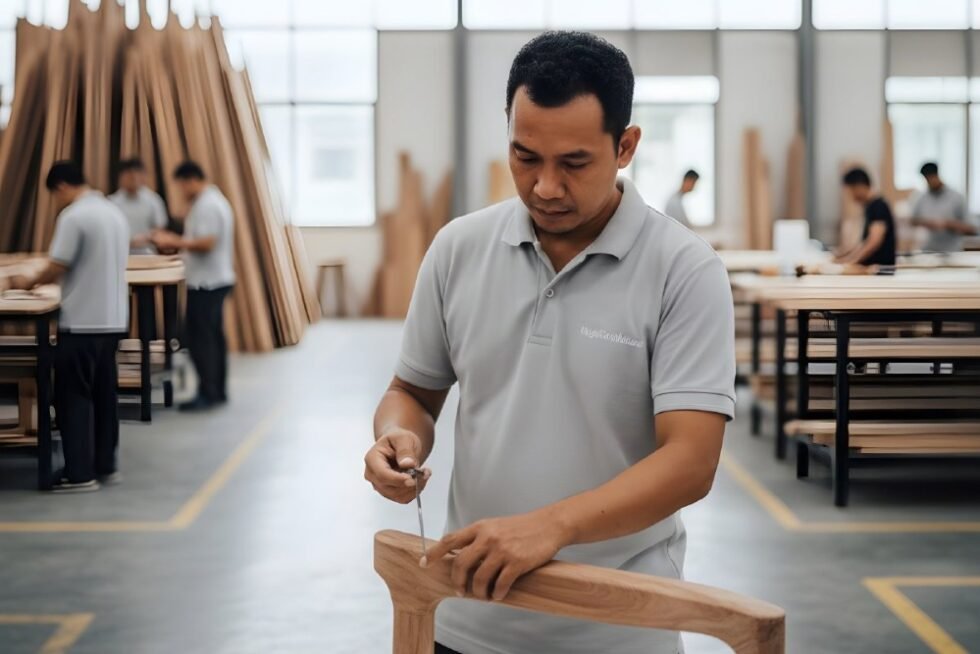
This is where your choice of partner becomes the most important part of your design. Instead of juggling dozens of unreliable vendors, you need a single, strategic B2B furniture manufacturer that was built to solve these exact problems.
This is where sourcing furniture from Indonesia becomes your ultimate competitive advantage. As a premier Indonesian furniture manufacturer, MPP Furniture bridges the gap between artisanal uniqueness and manufacturing reliability.
- We Solve the Sourcing & Customization Gap: We are a private label furniture manufacturer and a key partner for hospitality furniture suppliers and interior designers worldwide. We offer deep, one-on-one customization from materials and finishes to dimensions. You get the uniqueness of an artisanal piece with the reliability of a modern factory.
- We Solve the Quality Imperative: As a leading Indonesian furniture manufacturer, we are a solid wood furniture manufacturer with a multi-generational legacy of craftsmanship. We ensure every piece of our handcrafted furniture is properly kiln-dried and built to exacting export standards, meeting the highest demands for furniture for commercial projects. You never have to worry about quality.
- We Solve the Logistical Nightmare: We are the factory. We control the entire process from raw lumber to final export. This means we can offer flexible MOQ furniture options, whether you need a single statement piece for a residential project or a full container for a hotel. We provide reliable, transparent furniture lead times and professional quality control you can trust.
See How It Works: Explore our complete guide on working with a custom furniture manufacturer.
Conclusion: Design for Today, Build Your Brand for Tomorrow
For interior designers, creating personalized, share-worthy interiors is no longer a trend; it's a core business strategy. Embracing this shift is how you will build a powerful, lasting brand that attracts high-value clients globally.
But you cannot do it alone. You need a partner who can execute your unique vision without the logistical headaches. With the right creative vision and a reliable B2B furniture manufacturer like MPP Furniture as your partner, you can confidently deliver stunning projects that build your brand for years to come.
Your Partner for the Curated Interior
MPP Furniture is a leading handcrafted Indonesian furniture manufacturer built to serve as a direct partner for international interior designers, retailers, and hospitality furniture projects. We are your solution to the sourcing challenges, quality risks, and logistical headaches that stand in the way of your best work.
Still Wondering Your Needs for Build Your Collection Line?
Schedule a Consultation and Discuss Your Needs with Us
Frequently Asked Questions (FAQ) for Interior Designers
What are the main sourcing challenges for interior designers?
The biggest sourcing challenges for designers are logistical and financial. These include meeting high furniture minimum order quantity (MOQ) requirements from factories, navigating unpredictable furniture lead times that can delay projects, and managing the significant risk of poor furniture quality control from unvetted overseas suppliers.
Why do international designers source furniture from Indonesia?
International designers source furniture from Indonesia to access high-quality, handcrafted pieces that aren't available in mass markets. Indonesia is globally renowned for its multi-generational craftsmanship, sustainable solid wood furniture (like teak), and the ability to produce unique, artisanal furniture at a competitive value.
What should designers look for in a B2B furniture manufacturer?
Look for a true partner, not just a supplier. A great B2B furniture manufacturer =should offer flexible MOQ furniture options, provide transparent and reliable lead times, have a rigorous in-house quality control process, and offer deep customization services (like private label furniture) to bring your unique vision to life.
How does eclectic interior design help an interior designer's brand?
Eclectic interior design and maximalist decor help a designer build a powerful personal brand by showcasing their unique curatorial skill. Instead of creating a generic "catalog" look, you create a one-of-a-kind, "share-worthy" space. This unique portfolio acts as a powerful marketing tool, attracting higher-value clients who are seeking a bespoke, expert-driven service.

Versatile Digital Marketing & Creative Specialist with a strong foundation in graphic design, product photography, and comprehensive brand strategy. Proven ability to bridge the gap between physical products and digital presence, translating complex concepts into high-converting marketing assets. Adept at leveraging SEO, web analytics, and engaging visual content to drive business growth and elevate brand identity in competitive markets.
Awesome post! Really enjoyed reading it.
Glad you enjoyed it, thank you