The evolution of interior design is marked by pivotal transformations that reflect deep socio-cultural currents. We are in the midst of one such change: the bathroom, once a space of pure, isolated utility, is being fundamentally reimagined as a destination, a sanctuary for retreat, relaxation, and holistic self-care.
The emergence of the living bathroom or bath-lounge concept is not a fleeting stylistic trend but a permanent and consequential redefinition of residential and hospitality architecture. This shift is a direct response to a profound evolution in how society perceives wellness and luxury within the domestic sphere, fueling an increase in demand for spaces that actively support a well-being-focused lifestyle.
1. Introduction: The Bathroom as a Destination
For architects, interior designers, and stakeholders in the luxury residential and hospitality sectors, this evolution presents a significant opportunity. This article serves as a comprehensive guide to navigating this new frontier. We will explore:
- The core drivers behind the consumer shift from reactive hygiene to proactive, personalized wellness.
- The key design elements and material requirements for executing a successful bath-lounge, including the critical role of performance-grade materials like Indonesian teak furniture.
- The specific commercial opportunities this creates for your projects.
- The unique challenge of sourcing bathroom furniture that merges residential aesthetics with commercial-grade durability.
- A viable partnership solution for creating the bespoke furniture these ambitious designs demand.
Understanding and mastering the principles of the living bathroom is no longer optional; it is becoming the new standard in luxury design. This transformation creates a durable and lucrative new market category, challenging professionals to deliver spaces that are as comfortable and personal as a living room while performing under the unique environmental demands of a bathroom.

2. Why the Living Bathroom? From Utility to Sanctuary
What is a 'living bathroom' or 'bath-lounge'?
A living bathroom (or bath-lounge) is a high-design concept that transforms a traditional bathroom from a purely functional space into a personal sanctuary for relaxation. It achieves this by incorporating furniture and decor traditionally found in a living room, such as armchairs, elegant storage, soft textiles, and layered lighting.
To capitalize on this movement, one must first understand the fundamental "why" behind it. The origins of the living bathroom are not in design studios but in broader shifts in consumer psychology and the global wellness movement. The concept is a direct architectural response to a new set of human needs in a hyper-connected, high-stress world.
The primary driver is a macro-level pivot from reactive hygiene to proactive, personalized wellness. Wellness has surged to the top of home buyers' wish lists, becoming one of the most powerful purchase motivators in the residential market. As the "last truly private room in the home," the bathroom has become the natural and primary locus for new daily rituals of self-care and restoration.
This shift is amplified by technology. As wearable devices provide users with a constant stream of personal health data, they often prompt restorative actions like meditation or a relaxing soak. The traditional, sterile bathroom is ill-equipped for this purpose. In contrast, a bath-lounge environment, designed with comfortable seating, dimmable lighting, and natural materials, becomes the ideal physical space to act upon that data.
The goal is to create a multi-sensory oasis that engages all five senses through tactile surfaces, calming natural color palettes, and layered lighting. In this context, the bathtub becomes what bathware manufacturer Noken calls 'the new sofa', a destination for relaxation and reading, transforming a routine necessity into a cherished experience.
3. How to Execute the Living Bathroom: A Guide for Designers
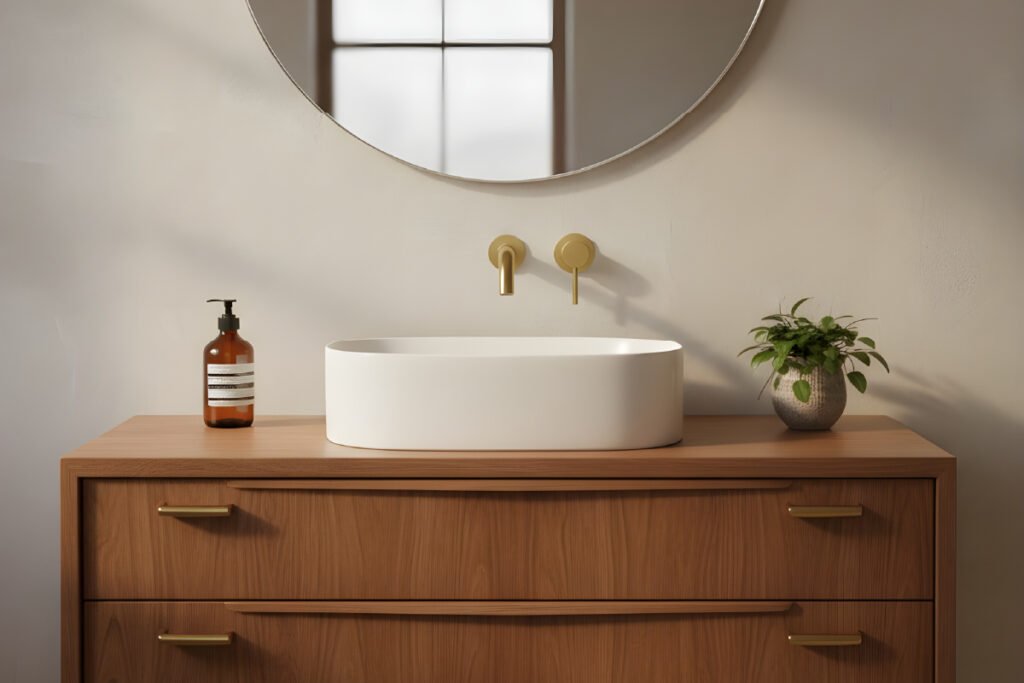
The successful execution of a sanctuary bathroom hinges on a sophisticated approach to its furnishing and material palette.
a. The New Furniture Typologies
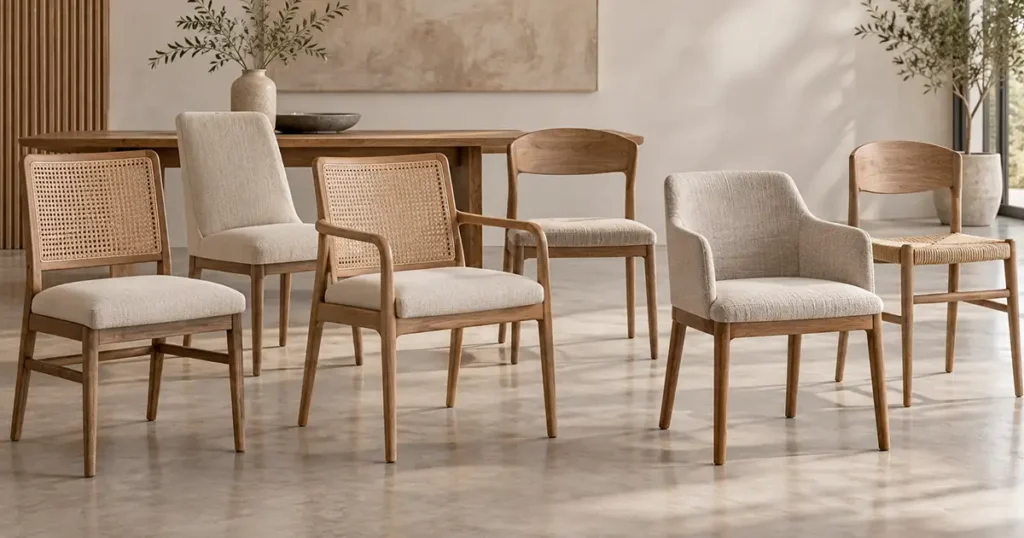
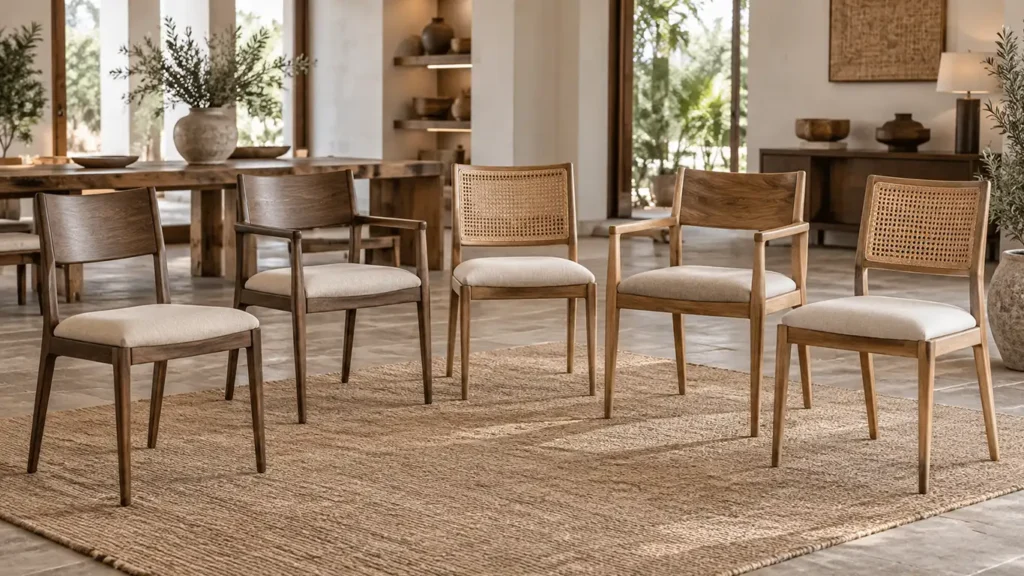
The most tangible expression of the living bathroom is the introduction of furniture archetypes traditionally reserved for other areas of the home. This includes pieces like compact armchairs, elegant chaise lounges, upholstered benches, and versatile ottomans that invite one to linger. Freestanding storage like credenzas and sideboards is also key, serving as decorative focal points while concealing clutter.
b. The Material Mandate: The Critical Role of Teak
Why is teak furniture good for bathrooms?
Teak furniture is ideal for bathrooms because its high natural oil content makes it inherently resistant to moisture, rot, and insects. This unique property prevents the wood from warping or cracking, ensuring long-term durability and performance in high-humidity environments.
Material selection is the most critical technical consideration. The longevity of the furniture depends on choosing materials that can withstand a high-humidity environment without warping, rusting, or developing mildew. For hard goods, woods with a high natural oil content, such as Teak, are an excellent choice as they inherently resist moisture, rot, and insects, making them ideal for seating frames, shower benches, and vanity construction.
This makes teak furniture the gold standard for achieving a warm, organic, and spa-like aesthetic that is built to last. For soft goods, performance fabrics like solution-dyed acrylics and olefins are non-negotiable for their resistance to water, mildew, and stains.
c. Technical Specifications B2B Buyers Expect
Sourcing teak furniture for a bath-lounge goes beyond aesthetics; it demands adherence to strict technical specifications to guarantee performance. For architects and designers specifying custom pieces, these are the targets a high-quality manufacturing partner like MPP Furniture meets:
- Wood Moisture Content (MC): All teak must be kiln-dried to a precise 8-12% moisture content. This is the critical equilibrium for high-humidity interiors, preventing warping, cracking, or joint failure after installation.
- Finish System: A multi-layer, water-based, marine-grade finish is essential. This should include at least one-to-two coats of a water-resistant sealer and a final topcoat (e.g., PU or acrylic) to provide a robust, non-porous barrier against moisture and steam.
- Quality Control (AQL): A stringent AQL (Acceptable Quality Level) of 2.5 for final inspection is standard, ensuring cosmetic and functional specifications are met across the entire production run.
Further Reading: To understand why teak is the superior choice for high-humidity spaces, read more about the performance of indoor teak furniture.
d. Crafting the Atmosphere
Beyond the furniture, the atmosphere is built through careful layering. Harsh, centralized fixtures are being replaced by soft, layered illumination. As one creative director notes, "Downlighters are out and large pendants and decorative wall sconces are in". Dimmability is essential to adjust the mood from bright and functional to low and tranquil.
Soft textiles like area rugs are also used to 'de-institutionalize' the bathroom, signaling that the space is a "living" room. Finally, decor such as artwork and plants reinforces the biophilic connection to nature and gives the room a curated, personal feel.
4. The B2B Opportunity in Bespoke Bathroom Furniture
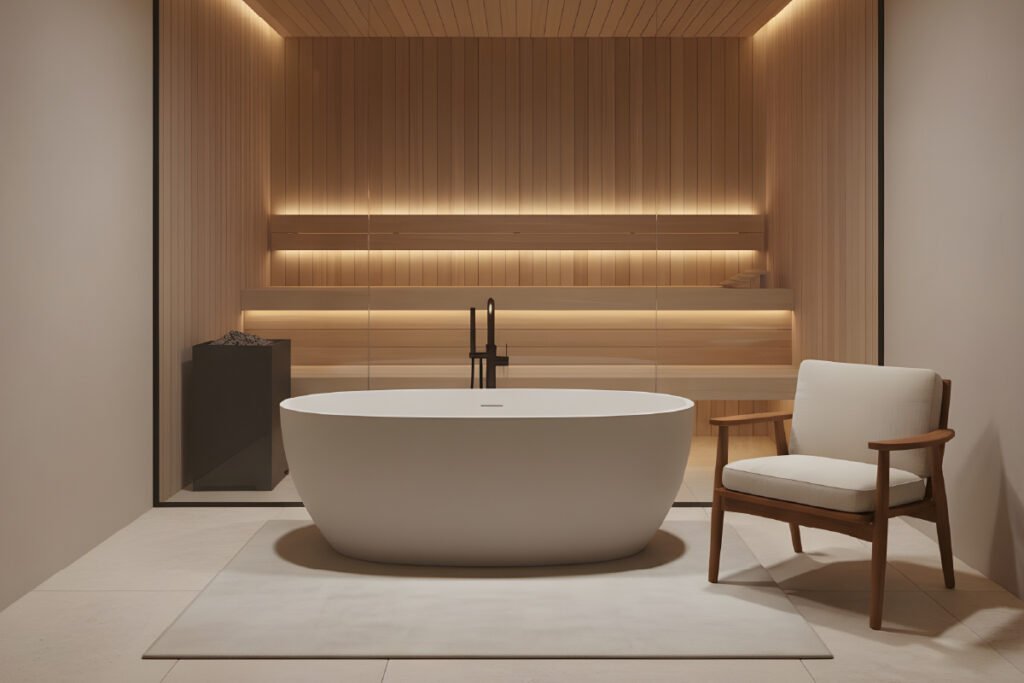
a. For Architects & Luxury Residential
What is an 'architect-designed wellness suite'?
An architect-designed 'wellness suite' is an integrated residential space that combines a bath-lounge with sophisticated spa facilities. These often include an infrared sauna, cold plunge pool, or steam system, creating a single, holistic zone within the home dedicated to health and restoration.
The ultimate expression of this trend is the architect-designed 'wellness suite'. This concept moves beyond a single room to create an integrated zone dedicated to health, combining the bath-lounge with facilities like infrared saunas, cold plunge pools, and steam systems. These bespoke environments render standard, off-the-shelf furniture inadequate. This creates a powerful demand for made-to-order and highly customized pieces. In short, true bespoke furniture that can be tailored to unique spatial configurations and performance requirements.
Further Reading: This movement is part of a larger market evolution. Explore more on the bespoke furniture trend shift for designers.
b. For Interior Designers & Hospitality
The luxury hospitality sector is a crucial incubator and accelerator for this trend. Hotels were among the first to popularize the open-concept bathroom and continue to push boundaries with in-room saunas and steam rooms. Hotels act as live, immersive showrooms where affluent travelers experience these elevated concepts firsthand. This shapes consumer aspirations and creates a direct "pull" demand in the residential market. The furniture specified for new luxury hotel projects, which is road-tested for durability and aesthetic impact, serves as a key leading indicator of future B2C residential trends.
5. The Core Challenge: Sourcing Performance Bathroom Furniture
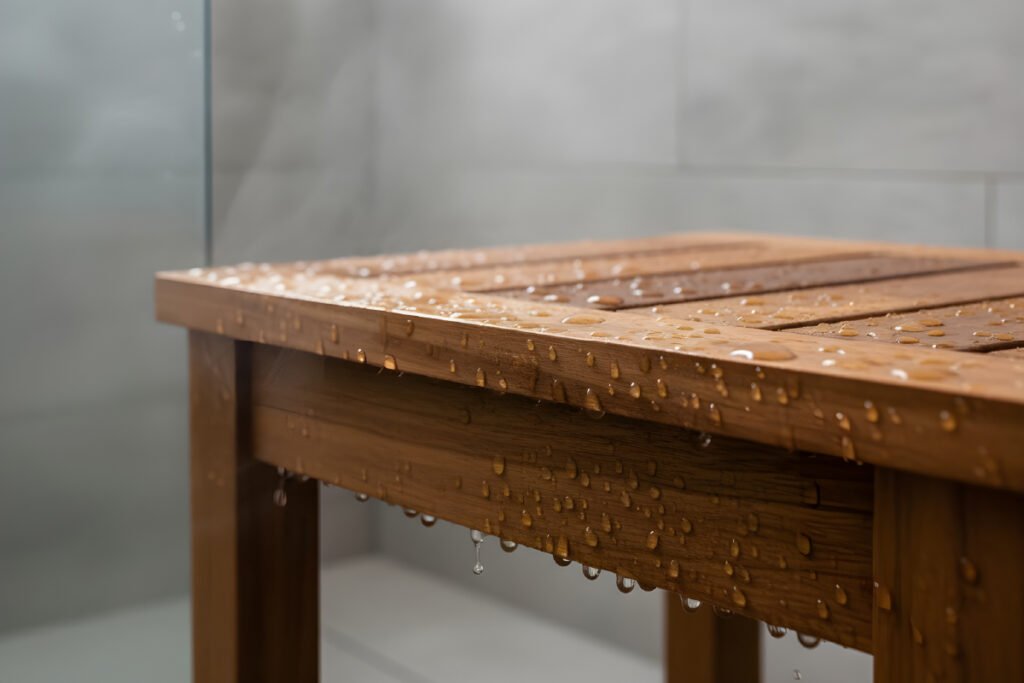
The primary challenge for designers and architects is sourcing. An armchair for a bathroom must possess the sophisticated silhouette of high-end residential furniture while also demonstrating the technical resilience to withstand high humidity and temperature fluctuations. This has created an entirely new hybrid product category: "performance residential furniture".
This furniture must fuse the aesthetics of the B2C residential market with the durability of the B2B contract-grade market. Traditional residential furniture will fail, and standard contract-grade pieces often lack the required aesthetic refinement. This dynamic gives a significant advantage to manufacturers with deep knowledge of performance materials and durable construction techniques.
Further Reading: Navigating this sourcing challenge is difficult. Get prepared with our guide to selecting a custom furniture manufacturer.
6. The Solution: A Bespoke Furniture Partner for Architects
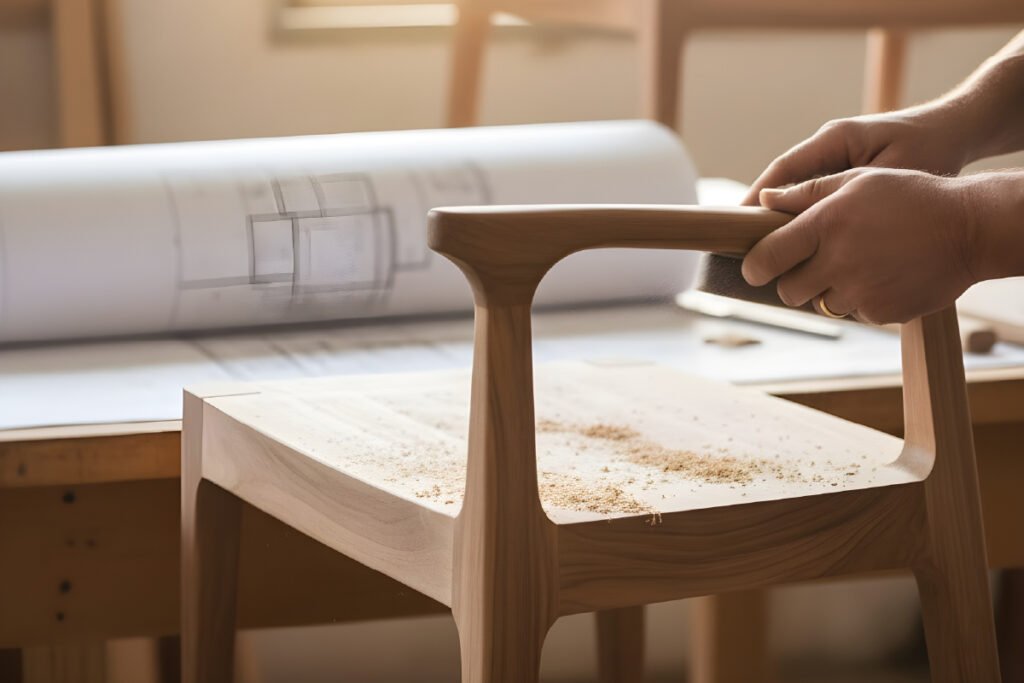
Successfully executing a living bathroom project requires more than just a supplier; it requires a manufacturing partner who understands this unique hybrid space. As an Indonesian furniture manufacturer, MPP Furniture is positioned to be that partner. We specialize in creating high-quality teak furniture and bespoke furniture that solves the core challenge of the bath-lounge trend.
- Material Mastery: Our expertise is centered on performance materials, especially premium teak bathroom furniture. We understand the precise manufacturing controls needed to create wooden furniture that is not only beautiful but will endure in high-humidity environments.
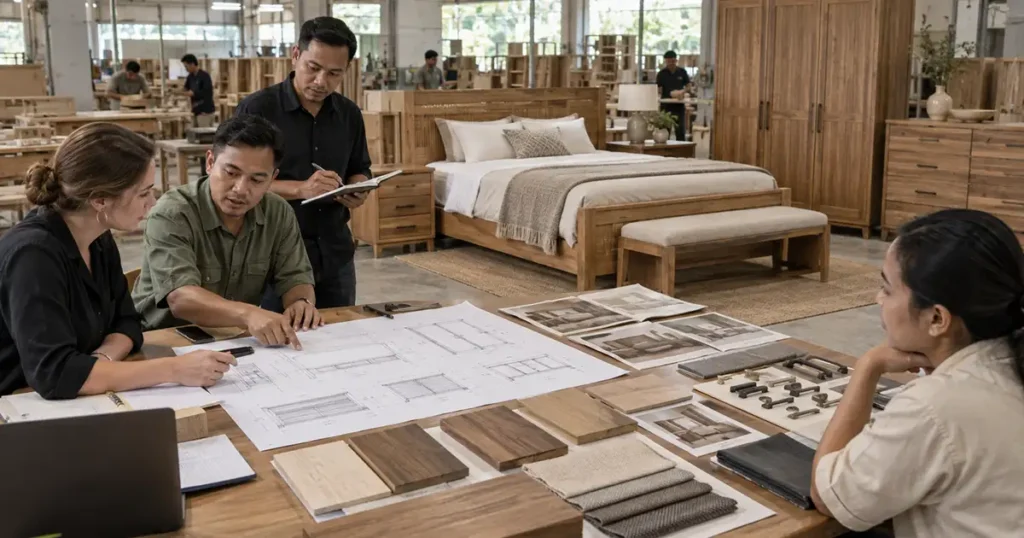
- Bespoke Capabilities: We are built to be a true partner for architects and designers. Our workshop is structured to produce custom, bespoke furniture that meets your exact specifications for size, design, and finish, allowing your architectural vision to be realized without compromise.
- Proven Track Record: With deep experience in crafting durable furniture for both luxury residential and demanding hospitality projects, we understand how to deliver pieces that satisfy the aesthetic demands of a homeowner and the performance requirements of a commercial client.
Further Reading: Quality control is what separates an expert partner from a mere supplier. Learn about our technical expertise in preventing common wood defects in teak furniture.
7. Conclusion: Partnering for the Future of Wellness
The analysis confirms that the bath-lounge is not a transient trend but an enduring market realignment, driven by the powerful consumer demand for in-home wellness. This represents the evolution of the bathroom from a space of utility to a sanctuary for well-being.
Executing this vision requires a new kind of bathroom furniture and a new kind of Indonesian furniture supplier partner. Don't let material constraints or sourcing challenges limit your design vision. Let's build the future of wellness together.
Still Wondering Your Needs for Build Your Collection Line?
Schedule a Consultation and Discuss Your Needs with Us
FAQ
What is the difference between a 'living bathroom' and a large master bathroom?
A living bathroom is defined by its function as a relaxation lounge, not just its size. While a large bathroom is spacious, a bath-lounge intentionally includes non-traditional bathroom furniture to create a "living room" feel that is dedicated to wellness and self-care.
What kind of furniture can be used in a 'bath-lounge'?
To blur the line between a bathroom and a living space, the furniture of choice includes pieces not traditionally found in a bath. The most popular furniture for a bath-lounge includes upholstered seating like armchairs and chaise lounges, freestanding storage like credenzas, and lounge pieces like teak benches and side tables.
Can you use upholstered furniture in a high-humidity bathroom?
Yes, upholstered furniture can be used in a bathroom, provided it is specifically engineered for high humidity. This means it must be upholstered with performance fabrics (like solution-dyed acrylics) that are water and mildew-resistant, and its internal frame must be built from a resilient material like solid teak or aluminum that will not warp or rot.
Why is teak furniture the best choice for bathrooms over other woods?
Teak furniture is superior for bathrooms because its high natural oil and silica content make it inherently waterproof and resistant to rot, mildew, and insects. Other woods, like oak, can react with water and metal to develop black stains, while softer woods like pine will quickly warp, swell, or decay in a constantly humid environment.
What is 'bespoke bathroom furniture'?
Bespoke bathroom furniture is a step beyond standard custom furniture. It is designed and built from the ground up in close collaboration with an architect or interior designer to fit a unique space and aesthetic. It is a fully integrated solution that solves specific architectural challenges, material requirements, and the client's wellness vision.

Versatile Digital Marketing & Creative Specialist with a strong foundation in graphic design, product photography, and comprehensive brand strategy. Proven ability to bridge the gap between physical products and digital presence, translating complex concepts into high-converting marketing assets. Adept at leveraging SEO, web analytics, and engaging visual content to drive business growth and elevate brand identity in competitive markets.
0 Comments