Custom furniture impact on business goes far beyond visual appeal. The furniture a company chooses affects how teams work, how customers feel, and how a brand is perceived in real spaces. In commercial environments, furniture supports workflow, communicates identity, and helps businesses use space more effectively.
Many decision makers begin exploring this topic while comparing cost, durability, and design alignment. As a trusted Indonesian furniture supplier, we understand how tailored pieces can support business goals without compromising aesthetics or function.
What Is Custom Furniture in a Business Context?
In a business, custom furniture refers to furniture that is designed around specific operational needs rather than fixed product templates. Dimensions, materials, finishes, and functions are planned to match how a space is used, how a brand is presented, and how the business operates day to day.
This approach allows furniture to support purpose, consistency, and long-term usability instead of acting as a purely decorative element.
Custom vs. Standard Furniture for Commercial Use
Custom furniture reverses that logic by adapting the furniture to the space, brand requirements, and daily operations. It allows commercial interiors to function more efficiently while maintaining a cohesive and intentional design direction.
Although standard furniture is designed for general use, with fixed sizes and finishes that prioritize availability over specificity. While this approach works for basic needs, it often forces businesses to adapt their space around the furniture.
Why More Businesses Are Moving Toward Custom Solutions
More businesses are moving toward custom solutions because custom furniture is defined by intention, not variation. It is furniture designed from the ground up to support specific business objectives, operational needs, and brand standards.
Instead of adjusting workflows or layouts to fit generic products, companies use custom furniture to align space, function, and identity in a way that supports long-term planning and consistent performance.
How Custom Furniture Impacts Business Performance
Furniture choices directly affect how people move, work, and interact within a space. When designed intentionally, custom pieces can support smoother operations, clearer brand messaging, and more engaging customer experiences across various commercial environments.
Creating Stronger Brand Identity Through Design Consistency
Design consistency directly shapes how a brand is recognized and remembered. When furniture is designed with unified materials, proportions, and visual language, it creates a clear and repeatable brand experience across spaces.
This consistency helps businesses appear more established and trustworthy, supporting brand recall and reinforcing positioning every time clients or partners enter the space.
Improving Space Efficiency and Functional Layouts
Space efficiency is a measurable business outcome of good design. Custom furniture allows layouts to be planned around actual movement patterns, staff needs, and customer flow.
By reducing dead space and awkward circulation, businesses can improve productivity, seating capacity, or display effectiveness, turning physical square footage into a more efficient and revenue supportive asset.
Enhancing Customer Experience in Physical Spaces
Customer experience is influenced by how intuitive and comfortable a space feels. Furniture that is designed for its specific environment supports smoother interactions, clearer navigation, and longer dwell time.
This is where the custom furniture impact on business becomes tangible, as thoughtful design contributes to satisfaction, repeat visits, and stronger emotional connection with the brand.
The Financial Impact of Custom Furniture
Cost is often a primary consideration during the research stage. While custom furniture may require higher upfront investment, its financial value should be assessed through durability, performance, and replacement cycles rather than initial price alone.
Initial Cost vs. Long-Term Value
From a business perspective, the real cost of furniture is measured over time, not at the point of purchase. While custom furniture often requires higher upfront spending, it is designed to match exact use cases and usage intensity.
This reduces premature wear, layout compromises, and future adjustments, allowing businesses to extract greater value from each investment over its operational lifespan.
Durability, Maintenance, and Replacement Cycles
Durability directly affects operational costs. Custom furniture is typically built with materials and construction methods selected for commercial use, resulting in fewer repairs and less frequent replacement.
Predictable maintenance schedules and longer replacement cycles help businesses control expenses and minimize disruptions, supporting more stable budgeting and operational planning.
Custom Furniture as a Long-Term Asset
When evaluated through ROI, custom furniture functions as a long-term asset rather than a consumable expense. Its extended lifespan, consistent performance, and ability to support brand and operational goals contribute measurable value over time.
For decision makers, understanding the custom furniture impact on business often means recognizing furniture as part of a broader investment strategy, not a short term cost.
Operational Advantages for Businesses
Beyond design and cost, custom furniture supports daily operations. When furniture aligns with workflow and user behavior, it reduces friction and improves overall efficiency within commercial spaces.
Furniture Designed Around Workflow and Usage
Furniture that is designed around workflow supports how people actually move and work within a space. By aligning dimensions, placement, and functionality with daily activities, businesses can reduce unnecessary movement and improve task efficiency.
This design approach helps teams work more comfortably and consistently, leading to smoother operations and better use of space throughout the day.
Reducing Operational Friction in Hospitality & Retail
In hospitality and retail environments, operational friction often comes from poorly placed or unsuitable furniture. Custom solutions allow counters, seating, and service areas to be designed around staff movement and customer interaction.
It reduces bottlenecks during busy periods, improves service speed, and creates a more seamless experience for both employees and customers.
Scalability for Multi-Location Businesses
For businesses with multiple locations, scalability depends on consistency without rigidity. Custom furniture programs make it possible to standardize design language, materials, and functionality while adapting to different floor plans.
This approach supports faster rollouts, easier staff adaptation, and a unified brand experience across locations as the business grows.
Industries That Benefit Most from Custom Furniture
Certain industries gain greater advantages from tailored furniture due to high customer interaction and brand visibility. In these sectors, design choices directly influence perception and performance.
Hospitality: Hotels, Resorts, Cafés, and Restaurants
For hospitality businesses, furniture directly affects guest comfort, atmosphere, and brand perception. Custom furniture allows operators to align seating, tables, and built-in elements with service flow and design concepts.
It helps create memorable spaces while ensuring durability under constant use, supporting both guest satisfaction and operational efficiency.
Retail & Showrooms
In retail and showroom settings, furniture functions as a silent sales tool. Custom fixtures and displays are designed to guide movement, highlight products, and adapt to changing collections.
This flexibility allows brands to control how customers interact with merchandise, improving visual storytelling while supporting smoother layout adjustments over time.
Corporate, Office & Commercial Interiors
For corporate and commercial interiors, furniture must support productivity, collaboration, and brand culture. Custom solutions allow businesses to design workspaces around team structure, technology needs, and future growth.
This approach helps create environments that feel intentional, professional, and aligned with how the organization operates daily.
Custom Furniture and Brand Perception
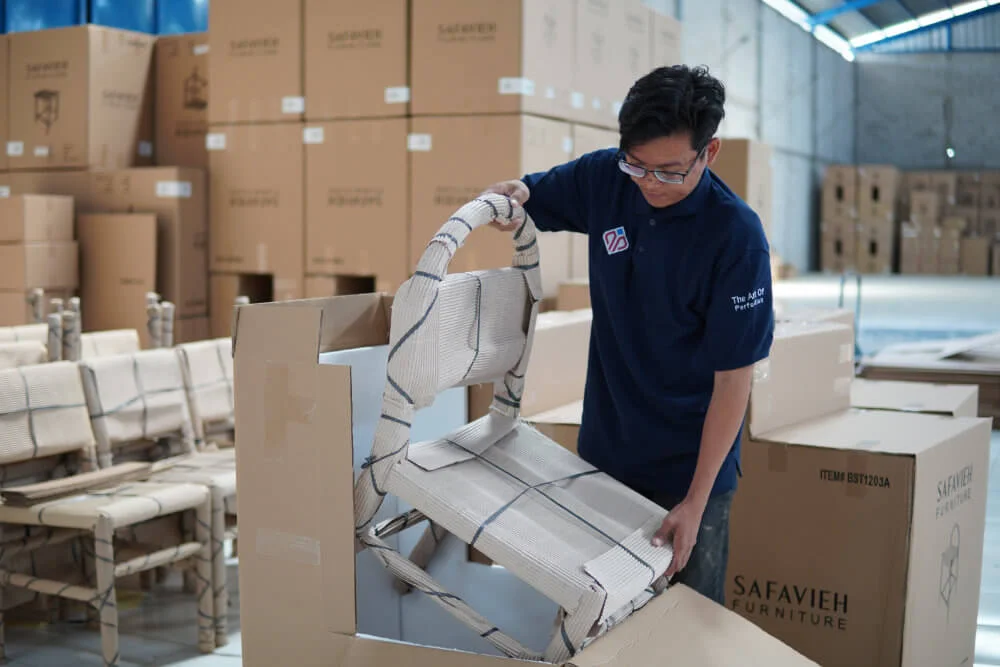
Interior design plays a quiet yet powerful role in shaping how a brand is perceived. Furniture choices communicate values, professionalism, and attention to detail without relying on words.
How Interior Design Influences Trust and Professionalism
Interior design plays a direct role in how professional a business is perceived. In MPP Furniture, we see furniture as part of a brand’s first impression. Well proportioned layouts, consistent materials, and thoughtful detailing help create environments that feel reliable and well managed. This sense of order and intention builds trust long before any conversation begins.
Differentiation in Competitive Markets
Standing out in competitive markets requires more than surface level design. In MPP Furniture, we help businesses use custom furniture to create distinctive physical experiences that cannot be easily replicated. By tailoring form, materials, and finishes, we support brands in expressing their identity clearly, allowing spaces to feel recognizable and meaningful rather than generic.
Aligning Furniture Design with Brand Values
Furniture is a physical expression of what a brand stands for. In MPP Furniture, we work with clients to translate brand values into tangible design decisions, from material selection to construction approach. Whether the focus is craftsmanship, longevity, or refined simplicity, we ensure furniture design aligns with how a business wants to be perceived.
Why Manufacturing Process Matters in Custom Furniture
Behind every custom piece is a production process that determines quality and consistency. We believe understanding how furniture is made helps decision makers evaluate long-term performance and reliability.
The Importance of In-House Production Control
Managing production internally allows for better alignment between the intended design and the final output. MPP Furniture has in-house production so we can monitor details more closely and make adjustments during the process rather than after completion.
This level of control promotes consistency and minimizes miscommunication, particularly in custom projects where precision and timing are critical.
Material Selection and Precision Craftsmanship
The performance of custom furniture is closely tied to material selection and craftsmanship. Working with solid wood and carefully chosen materials requires experience and attention to detail.
In MPP Furniture, we approach craftsmanship as a balance between traditional techniques and practical requirements, ensuring each piece is built with accuracy and respect for its intended use.
Quality Consistency Across Custom Projects
Consistency is often one of the biggest concerns in custom production. In MPP Furniture, we focus on maintaining the same quality standards across different projects, regardless of scale.
Clear processes and experienced teams help ensure that each custom piece delivers predictable results while still respecting the unique needs of every project.
Key Considerations Before Choosing Custom Furniture
Before committing to custom furniture, businesses need to evaluate more than design preferences. Clear objectives, material choices, and the right production partner all influence how well custom furniture performs over time.
Defining Business Objectives and Use Cases
Defining clear business objectives helps determine what the furniture needs to accomplish. Whether the focus is improving workflow, supporting customer interaction, or reinforcing brand identity, understanding use cases guides design decisions.
This clarity allows furniture to be developed with purpose, ensuring it contributes directly to how the business operates rather than serving a purely decorative role.
Choosing the Right Materials for Long-Term Use
Material selection affects durability, maintenance, and overall performance. Businesses should consider how often furniture will be used, environmental exposure, and expected wear.
Many decision makers look to evolving furniture trend insights to balance aesthetics with practicality, ensuring materials support long-term use without sacrificing visual appeal.
Working with an Experienced Custom Furniture Manufacturer
An experienced custom furniture manufacturer helps bridge the gap between concept and execution. Clear communication, understanding technical and furniture manufacturer guidelines, also production capability reduce uncertainty throughout the process.
Working with the right partner allows businesses to navigate design development more confidently, resulting in furniture that meets specifications, timelines, and operational expectations.
Is Custom Furniture the Right Investment for Your Business?
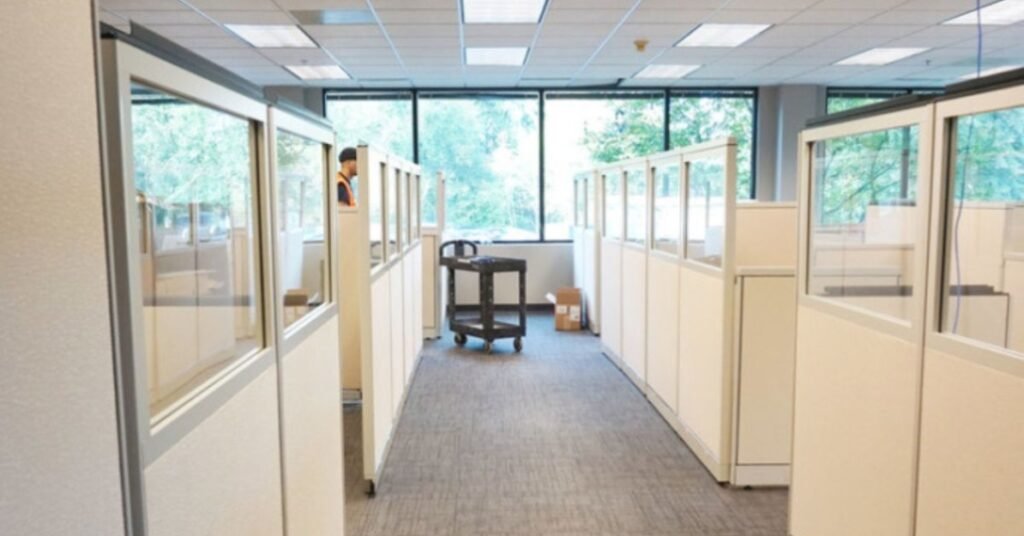
At this stage, businesses are no longer asking what custom furniture is, but whether it aligns with their long-term strategy. Evaluating custom furniture as an investment means weighing operational needs, brand goals, and future scalability.
When Custom Furniture Makes Strategic Sense
Custom furniture makes strategic sense when businesses require consistency, durability, and design alignment across their physical spaces. It becomes especially relevant for brands that prioritize customer experience, operational efficiency, and long-term growth. In these cases, the custom furniture impact on business is reflected in stronger brand presence, smoother operations, and better control over spatial planning.
Questions to Ask Before Starting a Custom Project
Before starting a custom project, ask these questions to align the design, budget, and production timeline:
- How will the furniture support daily operations and user behavior within the space?
- What level of durability and lifespan is required based on the intensity of usage?
- How should the design align with brand identity and future expansion plans?
Asking these questions creates a stronger foundation for collaboration and reduces the risk of misalignment during production.
Conclusion: Turning Business Vision into Functional Design
Business interiors work best when design decisions are guided by purpose rather than trends alone. Custom furniture has a significant impact on businesses when it supports workflow, reinforces brand identity, and delivers long-term value.
Rather than viewing custom furniture as merely a design upgrade, it should be understood as a strategic tool that aligns physical space with business objectives. If you want to explore the possibilities with clarity and context, we can help with a free consultation.
Start Your Custom Furniture Project with Confidence
Starting a custom furniture project requires making informed decisions, one step at a time. With clear objectives and the right guidance, businesses can approach the process with confidence instead of uncertainty. Take the first step toward understanding materials, options, and production possibilities by planning your Indonesian teak purchase with MPP Furniture.
How MPP Furniture Supports Business-Oriented Custom Projects
In MPP Furniture, we approach custom projects by focusing on how furniture will function within real business environments. Our work is centered on premium handcrafted products, created by more than 200 in-house craftsmen who bring an artisanal level of detail to each piece. This hands on production process allows designs to be translated accurately into finished furniture without losing their original intent.
To support consistency and reliability, we apply precise quality control at every stage of production. This approach has led to 99 percent client satisfaction and only a 0.56 percent complaint ratio from clients across the US, Dubai, Australia, and beyond.
From Design Development to Production-Ready Furniture
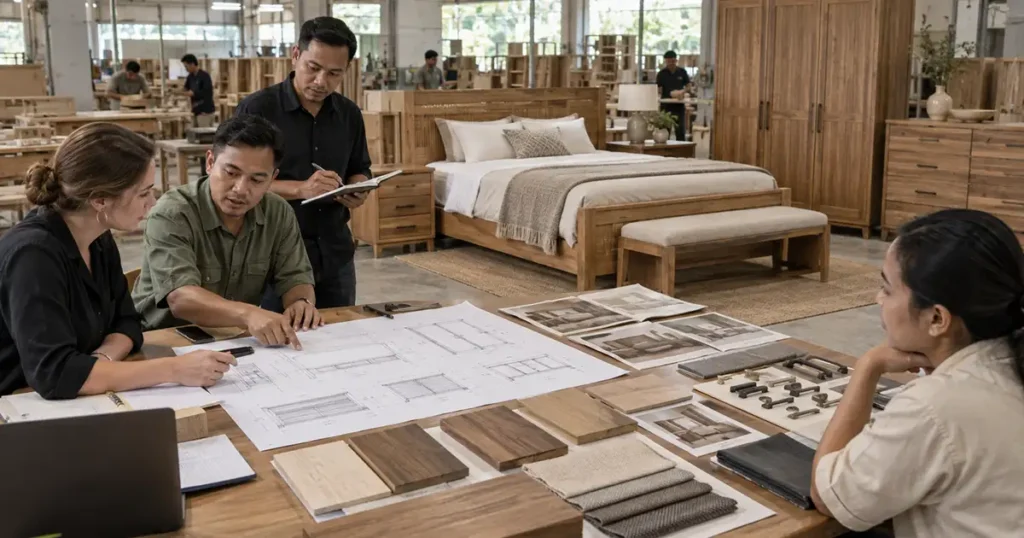
From early design discussions through finalized production drawings, we follow a structured workflow that turns ideas into furniture built for real business use. Each stage is handled with careful coordination and attention to detail, ensuring the custom furniture impact on business is reflected in performance, consistency, and long-term usability.
Your next best-seller might be here
Request a quotation and custom options tailored to your needs today via WhatsApp or email.

A passionate writer with 3+ years of experience in SEO who turns complex ideas into informative & helpful content. I share the challenges & important considerations when preparing a global furniture project, hoping to help MPP Furniture’s readers make more informed business decisions.
0 Comments