Finding the sweet spot between competitive pricing and healthy margins is the biggest challenge in furniture retail.
Typically, manufacturers aim for a 3-4x markup on material costs, while retailers target a 1.5-2x resale margin.
Sourcing directly from Indonesian manufacturers can shift this pricing equation in your favor, but only if you understand the hidden factors that drive production costs.
Why Retail Furniture Pricing Varies Between Manufacturers
Pricing is about understanding every variable that affects what you pay and what you can sell it for.
The difference between sourcing furniture domestically versus from overseas manufacturers like Indonesia includes access to materials, labor efficiency, production scale, and quality standards, all rolled into one.
The sourcing location's impact on final retail pricing matters more than most retailers realize. Get it wrong, and you're either sitting on overpriced inventory or selling at margins too thin to sustain your business.
Get it right? You can offer competitive retail prices while maintaining the profit margins that actually keep your business growing.
9 Indonesian Furniture Pricing Factors That Retailers Must Know
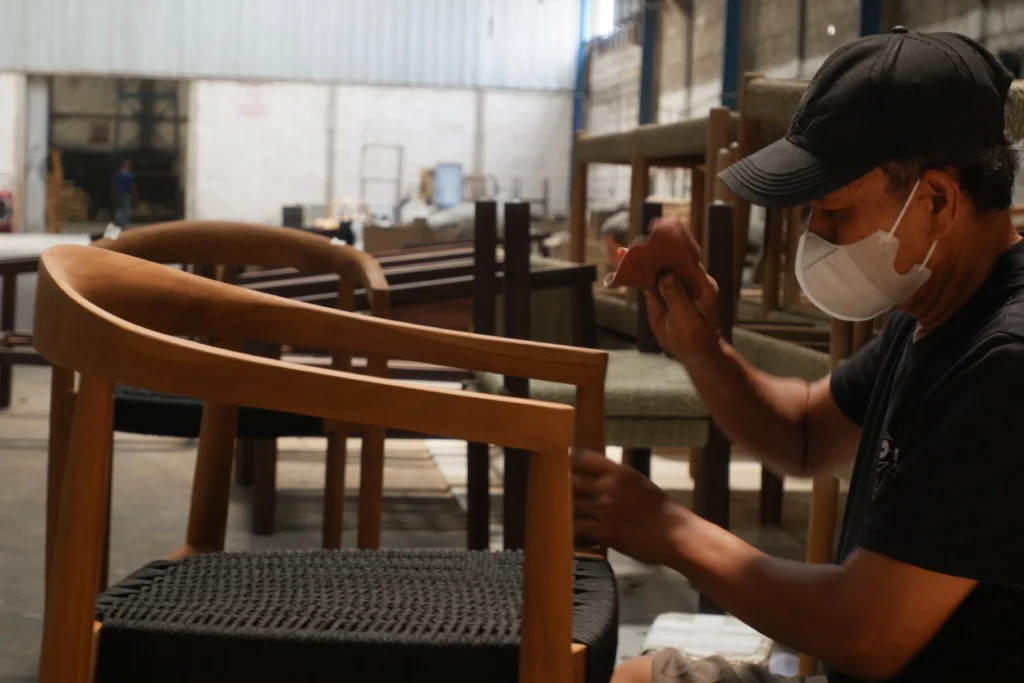
1. Raw Material Selection and Its Impact on Furniture Pricing
The material you choose affects what you pay, your retail positioning, your target customer, and ultimately your sell-through rate.
Indonesia's natural resource endowment of quality teak and rattan provides a competitive advantage in producing high-quality furniture.
When manufacturers have direct access to forests and sustainable sources, they're paying no middlemen or import fees. That cost advantage passes down to you.
Here's how different materials stack up:
- Teak: Premium hardwood, naturally weather-resistant, commands the highest price but offers unmatched durability. Ideal for high-end retail positioning.
- Mahogany: Rich appearance, good workability, mid-to-high price point. Popular for classic furniture designs.
- Sungkai: Cost-effective hardwood alternative with good stability. Lower risk of cracking compared to some tropical woods. Great for volume orders where margins matter.
- Rattan: Lightweight, eco-friendly, increasingly popular for indoor and outdoor furniture. Lower material cost but requires skilled craftsmanship.
2. Design Complexity and Customization Level
Simple designs cost less. Complex ones cost more. The gap can be bigger than you think.
For example, a straightforward dining chair with clean lines and minimal joinery is fast to produce and has predictable costs.
A hand-carved console table with intricate inlay work and custom dimensions? That's a different story. You're paying for additional design time, specialized artisans, and slower production.
To protect your margins, your customization level needs to align strictly with your retail strategy:
- Ready-made catalog items: Fastest, lowest cost, highest volume potential
- Semi-custom modifications: Moderate cost increase, unique branding without full development cycle
- Fully custom designs: Highest cost, longest lead time, but total control over differentiation
3. Production Volume, MOQ, and Economies of Scale
Volume matters. A lot.
Quantity price breaks give better margins. The more you buy, the better your cost per unit. Indonesian manufacturers often set minimum order quantities (MOQs) to ensure efficient production.
Here's what happens at different order scales:
- Small orders (20-50 pieces): Higher per-unit cost, setup fees spread across fewer pieces, limited negotiation leverage.
- Medium orders (100-300 pieces): Better pricing, more manufacturer attention, room for customization without massive premiums.
- Large orders (500+ pieces or container loads): Best pricing, priority production slots, maximum flexibility.
For retailers managing multiple locations or planning seasonal rollouts, strategic volume planning is essential to staying competitive.
If you need deeper guidance on optimizing order volumes, check out our guide on how much custom furniture costs.
4. Labor, Craftsmanship, and Manufacturing Process
Relatively low labor costs in Indonesia, combined with the availability of raw materials, enable manufacturers to produce high-quality furniture at competitive prices.
Labor cost involves hourly wages, skill level, and production method.
- Hand-crafted details: Higher labor cost, slower production, premium positioning. Best for signature pieces or limited collections.
- Semi-automated production: Balanced approach, consistent quality, reasonable cost. Works for most retail furniture.
- Fully automated lines: Lowest labor cost, highest volume, limited design flexibility. Better for very standardized products.
Indonesian furniture has a reputation for craftsmanship. Generations of woodworking tradition combine with modern manufacturing capabilities. You're paying for both skill and efficiency.
5. MOQ (Minimum Order Quantity) & Production Efficiency
Every manufacturer has a sweet spot where production runs most efficiently. That sweet spot is their MOQ.
Why does MOQ exist?
Factories need to justify machine setup time, material procurement, and production line allocation. Smaller orders mean higher overhead costs per unit because fixed expenses get spread across fewer pieces.
How MOQ affects your pricing:
- Below MOQ: Expect premium charges or outright refusal. Some manufacturers add surcharges of 15-30% for small runs.
- At MOQ: Standard pricing applies. This is the baseline most factories quote.
- Above MOQ: This is where negotiation power kicks in. Order 2x or 3x the MOQ, and you can often secure 10-20% better pricing.
The smartest retailers don't just meet MOQ. They plan orders strategically to exceed it, using pricing leverage without overloading inventory.
6. Export, Logistics, and Trade-Related Costs
Shipping logistics is a dynamic variable that drastically impacts your true landed cost, not just a flat percentage you can slap onto your final price. You need to master a few key levers:
- Container optimization: You pay for the space, whether you use it or not. Shipping a half-empty 40ft container costs nearly the same as a fully optimized one, which is why smart buyers engineer their orders to maximize volume.
- Shipping method: Sea freight is the slowest but cheapest. Air freight is fast but expensive. Most retail furniture goes by sea unless you're launching urgent collections.
- Customs and duties: These vary by destination country. Factor them into your landed cost as planned expenses.
- Insurance and documentation: A small percentage of the total cost, but critical for risk management.
For Indonesian exports, U.S. tariff hikes and cost swings squeeze export margins. So, you have to stay informed about current trade policies affecting your target markets.
For strategic insights on cost negotiation, our article on negotiate Indonesian furniture pricing tips covers this in detail.
7. Quality Standards and Long-Term Cost Efficiency
Cheap furniture becomes expensive when it breaks in six months.
Retail-grade durability means furniture that survives showroom handling, customer homes, and potential returns without falling apart. That requires proper construction, finishing, and quality control. All of these cost money upfront but save money in the long-term.
What to look for:
- Kiln-dried wood: Prevents cracking, warping, and joint failure.
- Proper joinery: Mortise and tenon, reinforced corners, real construction beyond glue and staples.
- Commercial-grade finishes: Resist scratches, UV damage, and daily wear.
- Consistent QC systems: Reduce defect rates and return costs.
According to Shopify, the average gross furniture profit margin is over 40%, but that figure drops to between 3% to 6% after accounting for marketplace fluctuations pre-tax.
Quality issues eat directly into those already-thin net margins through returns, replacements, and reputation damage.
8. Finishing and Surface Treatment Standards
The finishing stage determines how furniture looks on day one and how it holds up after months in a showroom or years in customer homes.
- Basic finishes (oil, wax, or single-coat lacquer) cost less upfront but may require reapplication or show wear faster. Fine for budget lines or pieces with expected shorter lifespans.
- Commercial-grade finishes (multi-coat polyurethane, catalyzed lacquers) cost more in materials and labor but provide superior protection. Essential for high-traffic retail environments.
- Specialty finishes (distressing, hand-rubbed effects, custom color matching) add both material and labor costs. These work when your retail positioning supports the premium.
Surface treatment also affects logistics.
For example, improperly cured finishes can stick together during shipping or off-gas in containers, creating quality issues that only appear after delivery.
Before you make a decision, ask manufacturers about their finishing standards, drying times, and curing processes.
The answers reveal whether they understand retail requirements or just make furniture that looks good in factory photos.
9. Supplier Capability & Experience
Experienced suppliers who understand retail requirements save you money in ways that don't show up on the initial quote:
- Faster problem-solving when issues arise.
- Better production planning that hits your launch dates.
- Understanding of retail packaging and presentation requirements.
- Ability to scale orders as your business grows.
A manufacturer with proven B2B retail experience knows what ‘retail-ready’ actually means. They've handled the challenges you're about to face.
At MPP Furniture, we've been producing furniture for retailers globally, which means we understand the balance between cost control and quality standards that actually work in retail environments.
How Retailers Can Optimize Furniture Pricing When Sourcing from Indonesia
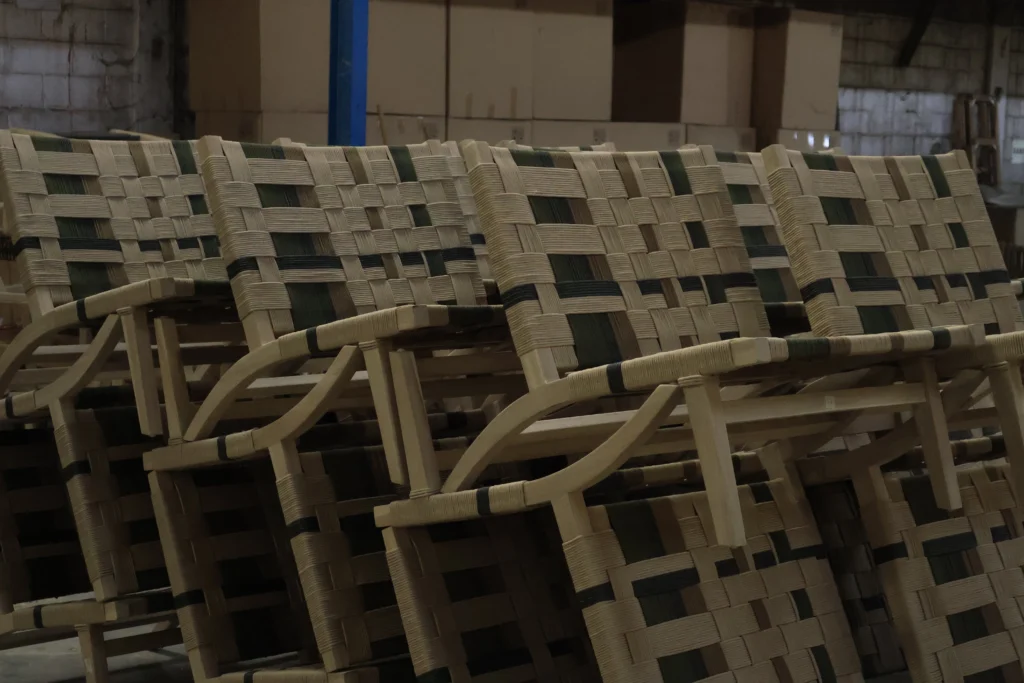
Understanding cost factors is step one. Actually optimizing them is step two.
1. Aligning Design with Target Price Points
Start with your retail price, work backwards to determine what you can afford to pay, then design within those constraints. Don't fall in love with designs you can't profitably sell.
2. Planning Order Volumes Strategically
Group similar items, time orders for container optimization, and plan seasonal collections together. The more strategically you combine orders, the lower the per-unit price will be.
3. Working Closely with Indonesian Manufacturers
Good communication prevents costly mistakes. Share your retail positioning, target customers, and quality expectations upfront. The more context manufacturers have, they can deliver exactly what you actually need.
Don't just negotiate price. Negotiate value. Better lead times, flexible MOQs, or enhanced QC systems might matter more than shaving 5% off unit cost.
Choosing the Right Indonesian Furniture Manufacturer for Your Retail Pricing Strategy
Your manufacturer choice affects every pricing factor we've discussed.
They control your material costs through their sourcing relationships, influence your per-unit pricing through production efficiency, and determine your quality-related expenses through their systems and standards.
The right manufacturer offers competitive pricing and helps you manage costs strategically as market conditions change.
Explore our full range of Indonesian furniture collections to see what's possible when you work with experienced retail-focused manufacturers.
At MPP Furniture, we've spent 20++ years helping furniture retailers worldwide source high-quality Indonesian furniture at prices that actually work for retail margins.
Our 16,000 m² production facility and 200+ in-house craftsmen give us complete control over quality and costs—from material sourcing to final finishing.
Our 99% client satisfaction rate and 0.56% complaint ratio prove that consistent quality protects your margins better than rock-bottom quotes ever could.
From ready-made collections to fully custom ODM/OEM services, we understand what it takes to balance quality, cost, and delivery timelines for retail success.
👉 Not sure yet? Schedule a free consultation and see if we're the right fit for your business.
Email Us: sales@mppfurniture.com
WhatsApp: +62 821-4630-5858
Planning your next best-selling collection?
Request catalog, pricing info, MOQ, and custom options today — we’ll respond quickly.
FAQ: Factors Affecting Retail Furniture Pricing
1. What are the key factors that determine the final landed cost?
The landed cost includes the product price, inland transport in Indonesia, ocean freight, marine insurance, import duties, and destination taxes. Retailers must calculate these collectively to understand the true cost before setting retail prices.
2. How does the choice of Incoterms affect pricing transparency?
Incoterms (EXW, FOB, CIF) determine responsibility and cost distribution. While CIF is convenient as the supplier manages shipping, it can hide true freight costs. Understanding these terms is vital to avoid unexpected charges.
3. Why do unit costs vary between different manufacturers?
Price differences often reflect the manufacturing model. Factories with full in-house production typically provide better value and quality consistency, whereas those that subcontract frequently encounter hidden costs due to fragmented supply chains and quality defects.
4. How do order volumes (FCL vs. LCL) influence pricing?
A Full Container Load (FCL) provides the best shipping economy per cubic meter and reduces product handling, which lowers damage rates and overall logistical costs compared to Less than a Container Load (LCL).
5. How do production lead times impact the bottom-line price?
Delays can force retailers to resort to expensive expedited shipping or lose sales during peak seasons. Working with manufacturers that provide clear, reliable production visibility helps avoid these costly reactive measures.

A passionate writer with 2+ years of experience in SEO who turns complex ideas into informative & helpful content. I share the challenges & important considerations when preparing a global furniture project, hoping to help MPP Furniture’s readers make more informed business decisions.
0 Comments