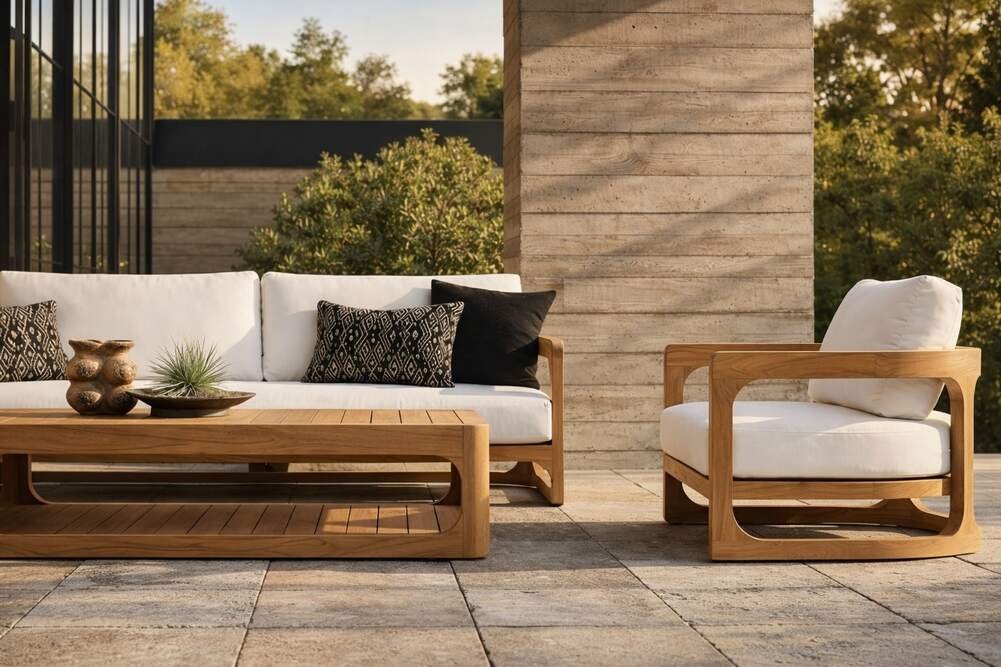
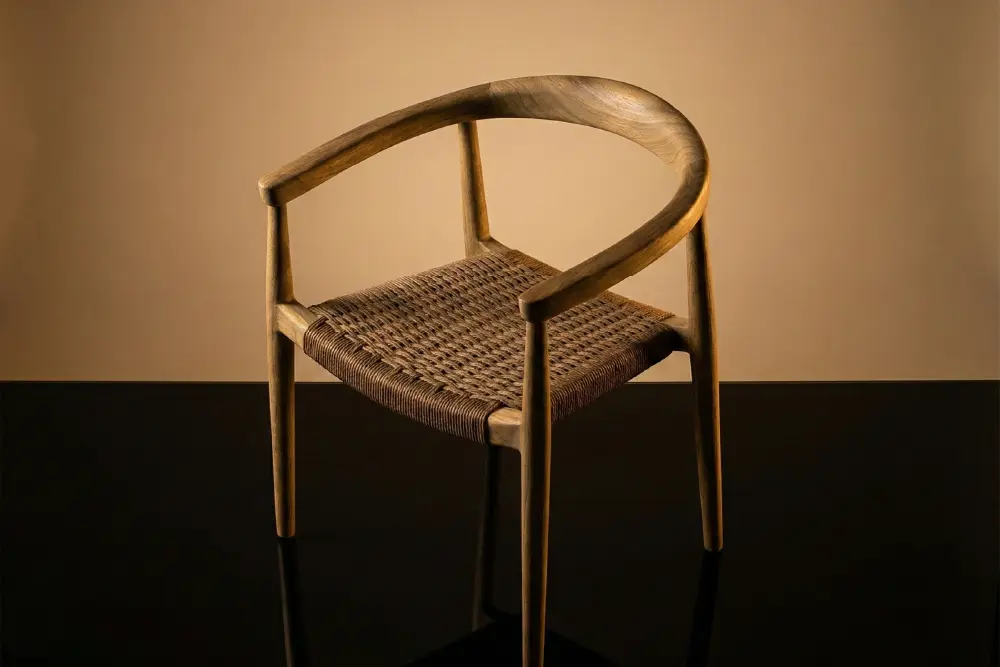
Indonesian teak patio furniture is not just about selecting beautiful outdoor pieces. It is a strategic sourcing decision that directly affects your retail margin, return rate, and long-term brand reputation. The global outdoor furniture market continues to expand,...
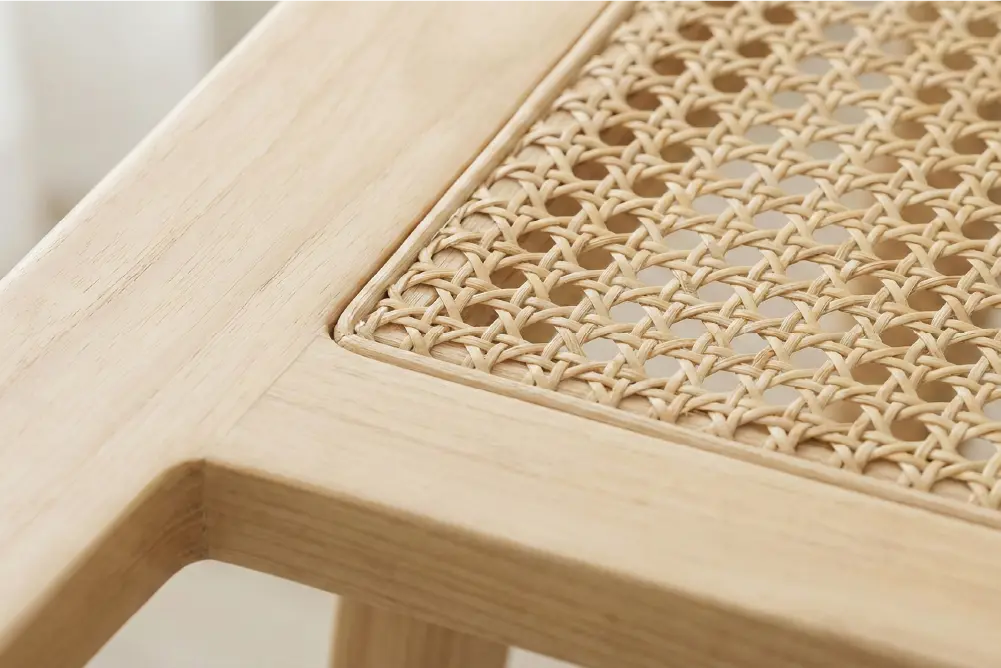
Teak and rope outdoor furniture is often seen as a safe and familiar outdoor product. Many buyers list it because end customers recognize it and trust the material combination. But teak and outdoor rope are only a combination. When structured correctly, it becomes a...
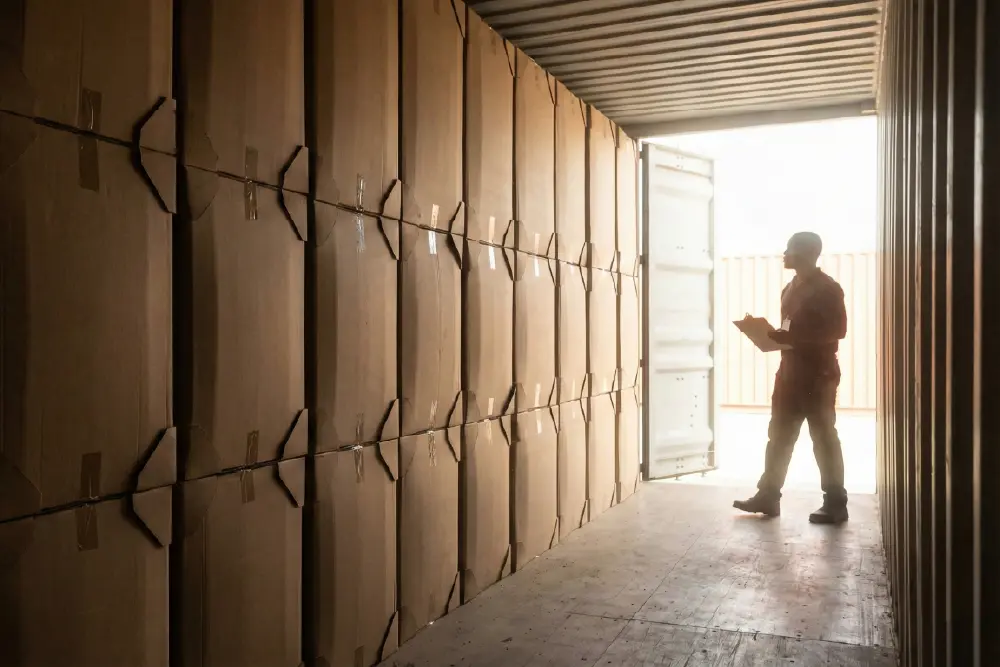
Importing furniture from Indonesia can be highly profitable for retailers. Many brands increase margins by sourcing directly from Indonesian furniture manufacturers. However, without understanding the critical factors, buyers often face late shipments,...
Indoor furniture collections demand more than just good design. They require consistency, aesthetic neutrality, stable pricing, and the ability to perform across seasons. For retailers and importers, material selection directly impacts margin control, SKU scalability,...
Global demand is unstable, furniture retail cycles are slower, and cash flow discipline matters more than ever. Yet many first orders fail not because of quality issues, but because of one decision made too early: MOQ commitment. Minimum Order Quantity is not just a...