

Wood defects are one of the biggest challenges in Indonesian teak furniture exports. Indonesian teak furniture is known worldwide for its strength, beauty, and weather resistance. The same applies to sungkai wood, which is increasingly popular for indoor furniture due to its light color and natural grain. Yet, if the material is not properly handled, issues like cracks, warping, or insect damage can appear. Buyers in the U.S., Europe, and the Middle East rely on suppliers from Indonesia to deliver top-tier outdoor and indoor pieces. But even premium-looking products can lead to problems if the wood has hidden defects.
Cracks, mold, or insect damage can cause costly problems for B2B buyers, from refunds to bad reviews. Choosing the wrong supplier risks both money and reputation, making quality control vital in global trade. Reliable Indonesian furniture suppliers address this with training, kiln-drying, and strict documentation, building trust and reducing risk for long-term partnerships.
The Most Common Wood Defects in Teak and Other Hardwoods

Wood is a natural material, and despite its durability, it can develop defects if not handled correctly. Recognizing these issues early is vital for both manufacturers and importers. This applies not only to teak but also to sungkai furniture, which requires proper drying and finishing to maintain its visual appeal.
With over 20 years of experience as one of the leading Indonesian furniture manufacturers, we understand that quality issues like cracking and mold are common when suppliers lack proper drying facilities. Below are the most frequent problems that can appear if wood is not processed and handled correctly.
1. Cracks (Splits, Checks, Shakes)
Cracks often appear when wood dries too quickly. They can reduce strength and cause surface damage. Splits extend through the board, checks appear on the surface, while shakes often run along the grain. All three make the final furniture weaker and prone to breaking.
2. Warping and Bowing
Uneven drying or poor storage causes boards to twist or bend, making them hard to use. Warped wood leads to uneven furniture, gaps in joints, or tables that wobble.
3. Discoloration and Stains
Fungal growth or metal contact during storage may cause unwanted stains. While stains may not always weaken the wood, they reduce its visual appeal, which matters in premium products.
To prevent discoloration and stains, and have a good finish, is very helpful. Learn more at Signs of Excellent Wood Finishing from Indonesian Furniture
4. Insect Damage
Wood-boring insects like termites and beetles can weaken the structure without visible signs at first. If untreated wood enters export markets, it risks rejection at customs due to quarantine regulations.
5. Knots and Resin Pockets
Natural defects like knots or resin buildup can weaken joints or affect the finish. While small knots may be acceptable, excessive knots reduce structural integrity.
6. Mold and Decay
Improper drying or storage in humid areas can lead to rot, especially during long shipping times. Mold can spread during transit, affecting entire shipments.
📖 Learn more about improper drying, which can cause wood decay at Decks.com – Common Wood Defects: Types & Causes
How Indonesian Furniture Manufacturers Prevent Wood Defects

Professional Indonesian furniture suppliers implement multiple steps to minimize risk. Prevention starts from raw material selection and continues until packaging. Prevention starts from raw material selection and continues until packaging, supported by three key practices:
1. Kiln-Drying Process
Reliable manufacturers use kiln-drying to lower moisture to 8–12%, reducing cracking and warping. This process stabilizes the wood for export and ensures it adapts well to different climates.
2. Controlled Storage Conditions
Humidity is managed throughout production to keep wood stable. Factories use dehumidifiers and proper stacking to ensure even airflow.
3. In-House Production
Factories that control their processes can prevent more errors compared to those that outsource. This means defects are caught early, saving time and costs.
4. Quality Material Selection
Using certified, Grade A or B teak helps minimize natural imperfections. Similarly, choosing high-quality sungkai wood ensures better consistency for indoor furniture projects. Explore more 4 Best Indonesian Woods for Furniture: Why Teak Isn’t Always Better for consideration of other types of wood.
Or if you are considering teak alternatives, read more on Mindi Wood Insights from Indonesian Furniture Supplier
5. Final QC Before Export
Every item goes through a last inspection for defects, moisture level, and packaging. Defective units are separated and reworked before shipment.
This care is standard in any teak furniture Indonesia factory committed to global quality.
👉 Learn more how quality checking is essential to avoid defection: Explore our Production & Quality Control Standards
👉 Browse our product categories: Teak Indoor & Outdoor Furniture
Buyer’s Checklist Before Importing Teak Furniture from Indonesia

Importing furniture is a serious investment. Use this checklist before making commitments:
| Checklist Item | What to Look For |
| Moisture Content | Kiln-dried certificate showing 8–12% MC |
| Quality Control | Procedures at each stage of production |
| Material Sourcing | Proof of legal, high-grade timber supply (teak or sungkai wood) |
| Sample or Visit | Option to receive product samples or tour factory |
| Delivery Terms | Clear timelines and warranty policy |
| Certifications | FSC, SVLK, or equivalent |
| Responsiveness | Fast and professional communication |
Why Choose MPP an Experienced Indonesian Furniture Supplier
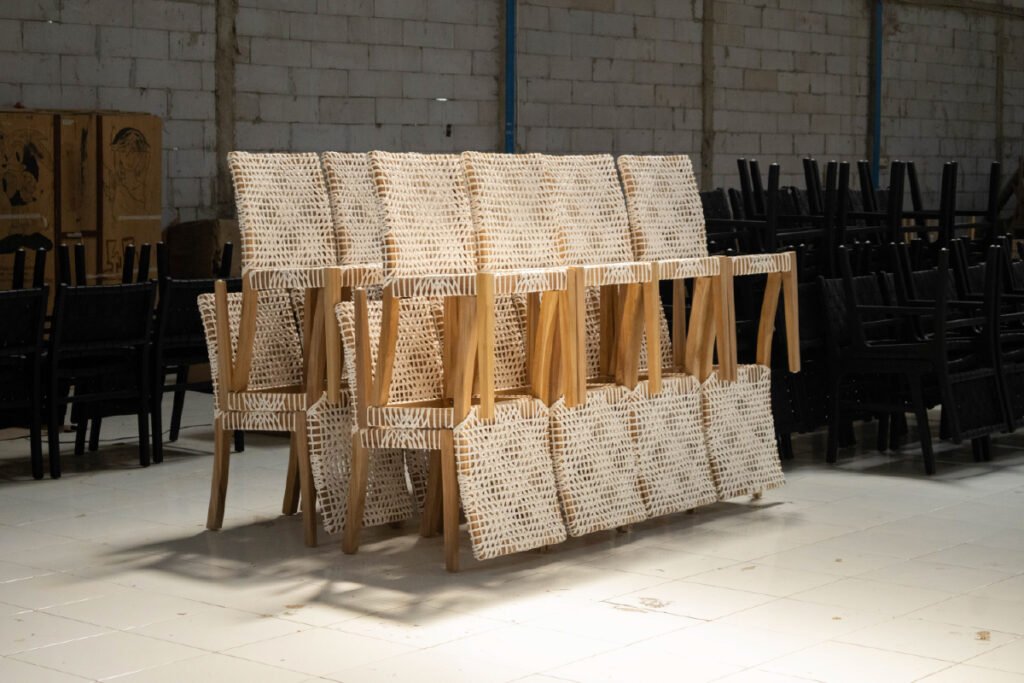
When sourcing furniture internationally, reliability is just as important as price. Working with seasoned suppliers gives buyers more confidence. At MPP, we handle teak and sungkai furniture with in-house production and strict QC to ensure both materials meet global standards.. Here’s why:
- In-house production: Full control over quality from raw wood to shipment.
- Custom design support: OEM and private-label ready for brand differentiation.
- Use of grade A or BC kiln-dried teak: Ensures durability even in humid or cold climates.
- Proven track record: Trusted by clients in over 10 countries, including the U.S., Spain, and South Africa.
- Free consultation: Guidance for first-time buyers or large importers planning container orders.
If you're sourcing teak outdoor furniture Indonesia exporters provide, work only with those who take quality seriously.
Mini Case Study: From Frustration to Reliability
Client: Outdoor Living Retailer, Australia
An outdoor living retailer in Australia faced costly problems when over 30% of their teak garden furniture cracked and developed mold due to poor moisture control from a previous supplier. Customer complaints soared, and returns damaged both margins and reputation.
By partnering with MPP Furniture, with 100% in-house production and kiln-dried teak certified at 8–12% moisture content, defect rates fell below 2%. The consistency was clear from the very first container, restoring buyer confidence. Today, the retailer confidently imports four containers per quarter without quality concerns.
Final Thoughts
Teak outdoor furniture Indonesia exporters sell must meet international standards. Avoid future problems by choosing a supplier that prioritizes wood preparation, strict QC, and full control over production.
For high-volume importers, working with the right Indonesian teak garden furniture factory such as MPP furniture can protect your investment and your brand. Quality in sourcing directly translates to fewer returns, happier clients, and better profit margins.
👉 If you want to explore alternatives of teak wood, check our insights on :
Furniture Buyers: Don’t Buy Sungkai Wood Before Reading This
Rattan and Sungkai Wood: The Perfect Furniture Combination from Indonesia
Boost your Sales with Sungkai Wood Furniture for Living Rooms: Sofas, Coffee Tables & Side Tables
Ready to Source from a Trusted Indonesian Furniture Manufacturer?
Request catalog, pricing info, MOQ, and custom options today, we’ll respond quickly.
Contact us for full catalogue
WhatsApp : +62 821 4630 5858
Email : sales@mppfurniture.com
[divi_shortcode id="3082"]
FAQs
1. What causes wood defects in teak furniture?
Poor drying, low-grade materials, or uncontrolled storage.
2. How do I verify kiln-dried wood?
Request a moisture report and facility photos.
3. What's the best moisture level before export?
Between 8–12% for stable performance.
4. Do suppliers offer warranties for defects?
Yes, professional suppliers include defect clauses.
5. Why is in-house production better?
Fewer mistakes, better oversight, and more consistency.
6. How does finishing impact durability?
Proper finishing protects against stains and moisture, extending the life of furniture.
7. Should I visit the factory before ordering?
Yes, factory visits or virtual tours give transparency and build trust before large orders.

Leading marketing and brand growth initiatives for MPP Furniture – an Indonesian teak and rattan furniture manufacturer exporting globally. Responsible for both strategic planning and hands-on execution across online and offline channels.
0 Comments