
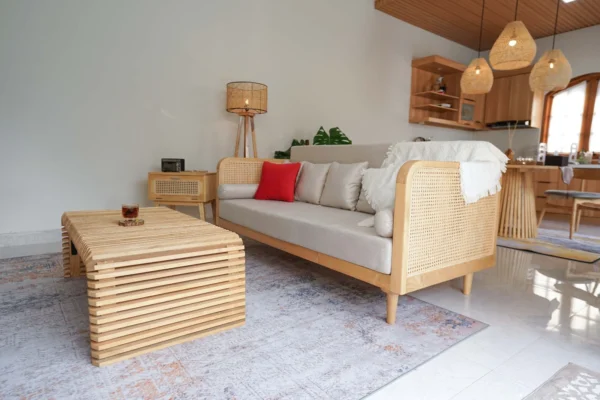
One of the biggest challenges when sourcing furniture for commercial projects is managing budgets without sacrificing design quality. Business owners who want tailored results need to understand cost control strategies for sourcing furniture. It's not just about finding lower prices; it's also about making informed choices at every stage of the process.
That is why many businesses choose to collaborate with experienced manufacturers who understand both design and budget realities. As a trusted Indonesian furniture supplier, we support companies that want customized pieces while keeping costs aligned with their budget.
Key cost control strategies for sourcing furniture
A structured mindset is required to apply cost control strategies for sourcing furniture. Rather than focusing on a single factor, such as unit price, effective sourcing considers the entire product journey. The following strategies are designed to help business owners logically and sustainably balance quality, customization, and cost efficiency:
1. Total Cost Management
The first step in smart sourcing is to understand the total cost, not just the initial quote. Furniture costs often include materials, labor, finishing, packaging, shipping, taxes, and potential revisions.
Business owners ordering customized furniture should have early discussions about specifications to prevent costly changes later. While adjusting dimensions or finishes during production may seem minor, these changes often affect timelines and budgets. Providing a clear brief from the beginning supports better financial control.
MPP Furniture implements total cost management by aligning design feasibility with production planning. This approach allows you to make decisions based on realistic budgets while obtaining elegant, well-crafted furniture.
2. Strategic Sourcing Locations
Selecting the right sourcing location is key to controlling costs. Countries with strong traditions of craftsmanship and efficient manufacturing systems often offer better value without compromising quality. Indonesia, for example, is known for its skilled woodworkers and access to quality raw materials.
Working with manufacturers close to the source of materials reduces dependency on imported components. This shortens supply chains and stabilizes pricing over time. For instance, using locally sourced hardwoods provides more flexibility in design and cost planning.
Wood materials such as sungkai offer a balanced combination of durability, appearance, and pricing. Strategic sourcing decisions like these help businesses achieve a premium look while controlling expenditures.
3. Negotiation & Supplier Management
Building long-term supplier relationships creates room for better negotiation outcomes. Consistent collaboration, rather than one-time transactions, allows both sides to clearly understand expectations, timelines, and quality benchmarks.
Transparent communication enables suppliers to propose solutions that fit your budget. These solutions may include material adjustments, production methods, or batch scheduling that improve efficiency without affecting performance.
Effective supplier management also reduces the risk of delays or quality issues that can increase costs. Businesses that work with partners who value accountability and communication gain more predictable results throughout the sourcing process.
4. Logistics & Packaging Optimization
Logistics is often overlooked when discussing cost control strategies for sourcing furniture, yet it can significantly impact the final budget. Efficient packaging design minimizes wasted space and lowers shipping expenses, particularly for international orders.
Optimized packing methods protect furniture during transit while minimizing volume. This approach helps avoid damage-related costs and the need for replacements or repairs upon arrival.
MPP Furniture incorporates logistics planning into the initial stages of production. By coordinating packaging, container loading, and shipping schedules, clients benefit from smoother deliveries and better cost predictability across borders.
5. Design & Material Substitution
Design flexibility is one of the most effective tools for controlling costs. Small adjustments to construction techniques or material combinations can lead to significant savings without altering the overall aesthetic.
For instance, using solid wood combined with engineered components in non-visible areas maintains strength while reducing material expenses. These substitutions are especially useful for large-scale commercial projects.
Businesses that prefer custom furniture benefit from working with craftsmen who understand visual goals and production realities. This balance enables creativity to complement, rather than conflict with, budget planning.
6. Utilize Incoterms Wisely
Understanding Incoterms is a practical way to control sourcing costs. These international trade terms define responsibility for shipping, insurance, and risk at each stage of delivery. Choosing the right Incoterm directly affects financial exposure.
Some buyers prefer more control over logistics, while others choose options that shift responsibility to the supplier. The best choice depends on experience, internal resources, and cost preferences.
Manufacturers usually offer common Incoterms such as FOB, CIF, or EXW based on what you prefer. These terms clarify who is responsible for each stage of the shipping process.
- EXW: Places most responsibilities on the buyer, including pickup from the factory.
- FOB: The supplier handles everything until the goods are loaded at the port.
- CIF: Includes shipping arrangements handled by the supplier, although insurance coverage may vary.
Before confirming your order, make sure the payment terms align with your project schedule so both parties can proceed comfortably. By discussing Incoterms early, businesses can align shipping responsibilities with their financial strategy. This is a smart moment to start planning your custom Indonesian furniture with clarity and confidence.
Optimize Sourcing Furniture Control with MPP Furniture
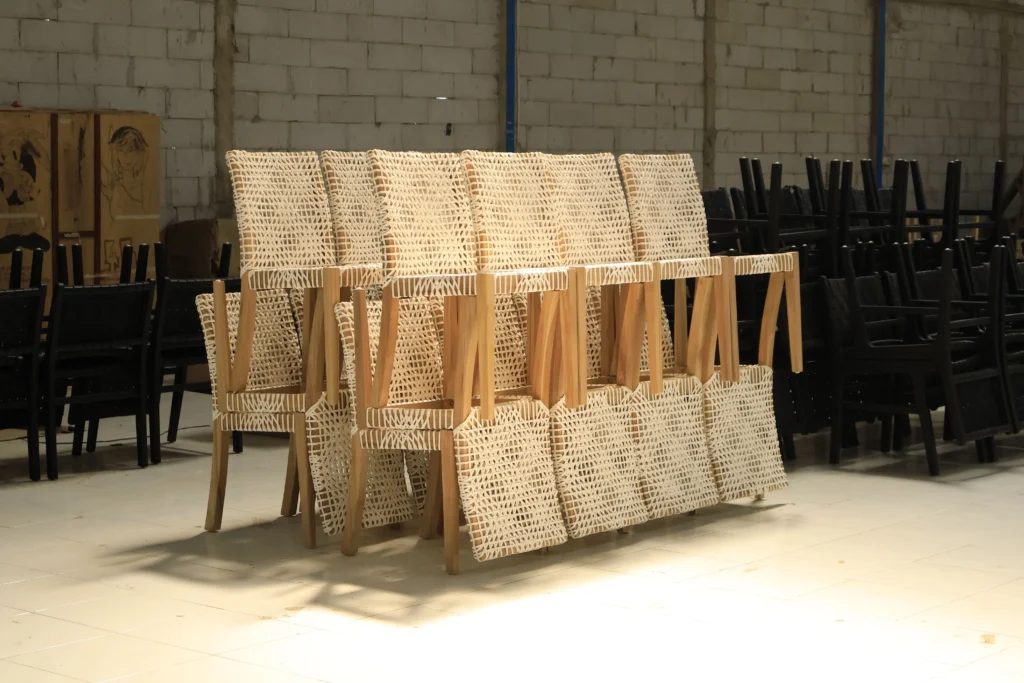
Cost control strategies for sourcing furniture are more effective with the right manufacturing partner. MPP Furniture delivers premium, handcrafted products that align design ambitions with practical budgeting. Each project is powered by more than 200 in-house craftsmen who create pieces with an artisanal touch while maintaining production efficiency.
In addition to production capacity, we work closely with clients during the initial planning stage to align design intent with realistic cost parameters. By reviewing specifications, materials, and usage requirements at the outset, potential inefficiencies can be identified and addressed before production begins, ensuring both visual quality and budget performance.
Our precise quality control process leads to 99 percent client satisfaction and a complaint ratio of only 0.56 percent from clients in the US, Dubai, Australia, and beyond. This performance reflects our commitment to reliability, transparency, and long-term value.
If you are currently evaluating options for a custom furniture project and want clearer insight into costs, materials, and production timelines, our team is ready to help. Through a collaborative discussion, we can explore how a cost-conscious yet design driven approach can support your business goals, and you can easily schedule a free consultation.
Your next best-seller might be here
Request a quotation and custom options tailored to your needs today via WhatsApp or email.

A passionate writer with 3+ years of experience in SEO who turns complex ideas into informative & helpful content. I share the challenges & important considerations when preparing a global furniture project, hoping to help MPP Furniture’s readers make more informed business decisions.
0 Comments