
It’s a story many of us know well. You find the perfect sofa. The color is just right, the style is a perfect match for your living room, and it's love at first sight. But just a year later, the magic is gone. The cushions are pilled, a mysterious water ring has become a permanent feature, and the fabric on the arms looks... well, sad.
This is a frustrating problem for a homeowner, but for a business like a hotel, cafe, or office sourcing Indonesian upholstery furniture for its global projects, it's a financial disaster that damages brand perception. This disconnect is where a reliable manufacturing partner makes all the difference.
The solution? We need to look past the pretty swatches and understand the "science" of what makes a fabric last. This guide will demystify fabric durability for you. We'll translate the confusing industry jargon, break down the practical pros and cons of every common upholstery fabric, and, most importantly, show you how to get the style you want without sacrificing the durability you need.
What is “Durability?” Let’s Decode the Jargon
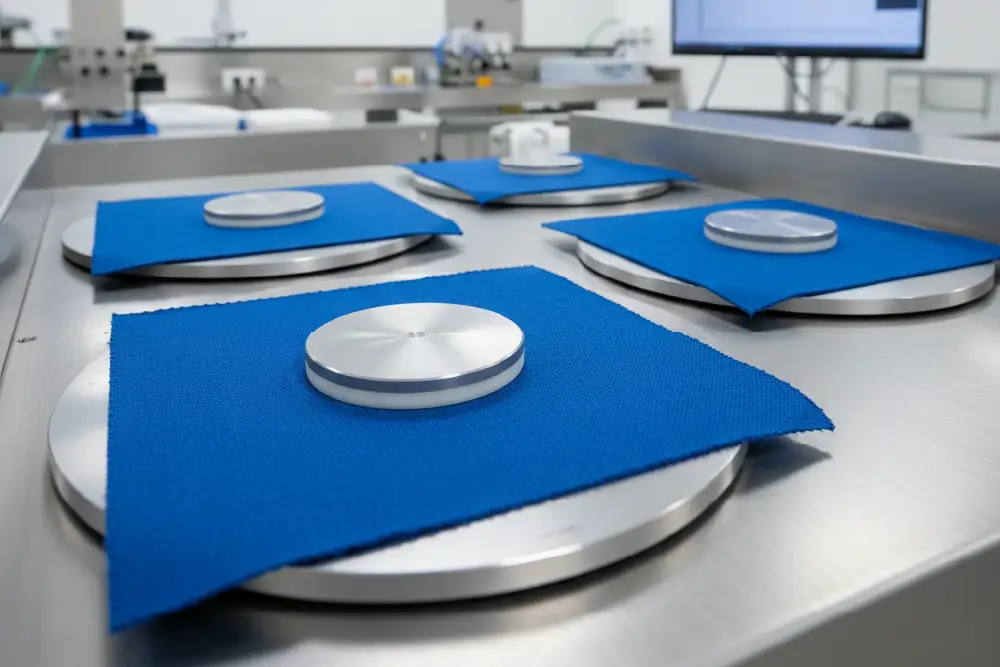
In the textile industry, "durability" is a series of measurable metrics. When you're evaluating a fabric, you're actually looking at a combination of factors:
- Abrasion Resistance: This is the big one. It’s how well the fabric holds up to friction and rubbing from everyday use. This is what prevents that fuzzy, thin look on the most-used cushions.
- Pilling: The fabric's resistance to forming those small, unsightly balls of fiber on the surface.
- Stain Resistance: How well it repels liquids and, crucially, how easily it can be cleaned without leaving a mark.
- Fade Resistance: Its ability to hold its color when exposed to sunlight (UV resistance). This is a must if your sofa will sit near a sunny window.
The most common metric you’ll hear about for abrasion is the Martindale Test. Don't let the name intimidate you. It's simply a test where a machine rubs the fabric with abrasive wool or sandpaper in a circular motion until it shows significant wear. (In North America, you may also hear this called the Wyzenbeek test, which uses a different method.)
The result is a "rub count" (e.g., 20,000 rubs), which is your single best indicator of how it will hold up. For B2B, understanding the difference between the tests is key to specifying fabric correctly.
What is a Good Rub Count for Upholstery? (The “Ladder”)
Decorative
< 10,000 Rubs
Best for: Accent pillows, curtains, or items that won't see much physical contact.
Light Domestic
10k - 15,000 Rubs
Best for: Furniture in low-traffic areas, like a formal living room or guest bedroom.
General Domestic
15k - 25,000 Rubs
Best for: Your main sofa or chairs in a busy household. This is a solid all-rounder.
Heavy Duty
25,000+ Rubs
Best for: Commercial use or high-wear domestic items, especially with pets and kids.
Let's be real, these numbers are meaningless without context. So, here’s a simple "rub count ladder" that translates those numbers into real-world applications.
- Decorative (< 10,000 rubs): These are delicate fabrics. Think of them as "look, don't touch."
- Best For: Accent pillows, curtains, or an heirloom chair that is purely decorative.
- Light Domestic (10,000 - 15,000 rubs): This is for furniture with occasional use.
- Best For: Guest bedroom furniture, a formal living room, or a dining chair.
- General Domestic (15,000 - 25,000 rubs): This is the sweet spot for most furniture in the average home.
- Best For: Your main sofa, armchairs, and daily-use furniture.
- Heavy Duty (25,000 - 50,000+ rubs): This is the high-performance category. These fabrics are built to last.
- Best For: Any high-traffic upholstery. If you have active kids, pets, or just want true peace of mind, this is the range you should be aiming for.
- Pro-Tip for B2B: For our commercial partners, this is just the beginning. At MPP Furniture, our specified commercial-grade projects start at 50,000 rubs and often exceed 100,000 for high-traffic hospitality and public spaces. This is the standard of reliability we build into every B2B partnership.
Fabric Profiles: The Pros, Cons, and Real-Talk Reviews
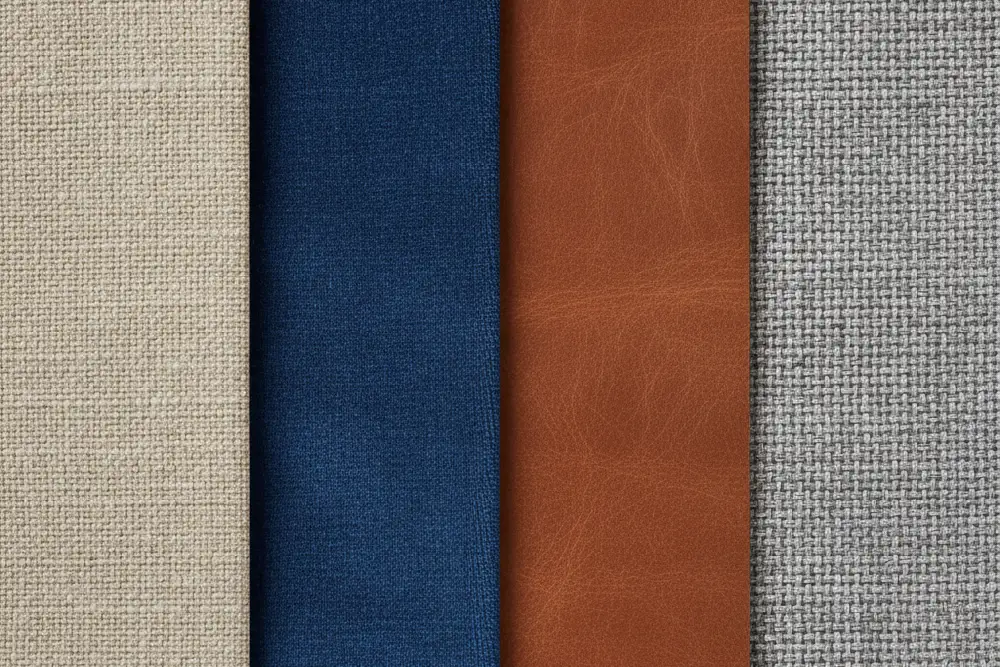
Fabric Durability at a Glance
Different fabric types have different *typical* durability ratings. This chart compares the average Marti--ndale rub counts you can expect. Note that leather's durability is high but often measured differently than textiles.
Beyond the rub count, the fiber itself determines a fabric's character. Here's the honest truth about the most common types. (As a general resource, many in the industry offer overviews of fabric types.)
1. How Durable is Linen Upholstery?
Linen is beautiful, crisp, and timeless. It gives that "coastal" or "relaxed farmhouse" vibe.
- Pros: It’s a strong natural fiber and gets softer with time.
- Cons: It wrinkles if you just look at it. It also stains very easily and has a lower rub count, making it prone to fading.
- Best For: Low-traffic, formal areas. Or for people who truly embrace a "perfectly imperfect" wrinkled look.
2. Is Cotton a Good Choice for a Sofa?
Cotton is like the t-shirt of furniture: soft, breathable, affordable, and available in countless colors.
- Pros: Comfortable, breathable, and relatively inexpensive.
- Cons: It's highly susceptible to fading in direct sunlight and stains easily if not professionally treated.
- Best For: Casual, comfortable furniture. It's an excellent choice for slipcovers that can be removed and washed.
3. Is Velvet a Durable Fabric?
This is the most misunderstood fabric! The answer is: it depends.
- Natural Velvet (Silk/Cotton): This is the delicate, old-world velvet. It's beautiful, but it crushes and stains easily. It is not a durable choice.
- Performance Velvet (Polyester): This is the modern marvel you see everywhere.
- Pros: It's a workhorse. It boasts high rub counts, is incredibly stain-resistant, and the "pile" hides wear and dirt.
- Cons: Can be a magnet for pet hair (but it usually brushes off easily).
- Best For: Almost anywhere! It gives a luxe, high-end look while secretly being one of the most kid and pet-friendly upholstery fabrics available.
4. Is Leather a Pet-Friendly Upholstery Fabric?
Leather is a classic for a reason. It’s tough, timeless, and has a character all its own, which is why it's a favorite for interior designers.
- Pros: Extremely durable, easy to clean (most spills just wipe off), and develops a beautiful "patina" (ages well).
- Cons: Higher initial cost. It can be scratched by pets, but many people feel this just adds to the character.
- Best For: High-traffic family rooms and homes with pets (it's wipeable!). It's a true "buy it for life" material.
5. The Truth About Synthetic & Performance Fabrics
Let's talk about the workhorses: synthetics. I know, the word "polyester" might give you a '70s flashback, but modern synthetics are a different breed. This category includes polyester, microfiber, nylon, and olefin.
- Pros: These are your champions. They are built for high rub counts, have excellent stain and fade resistance, and are typically very affordable.
- Cons: Can be less breathable than natural fibers, but the trade-off is massive durability.
- Best For: The ultimate choice for busy homes with kids, pets, and high-use areas. Olefin, in particular, is a miracle fabric for outdoor furniture as it's mildew and fade-proof. It's the only fabric choice that can match the legendary durability of classic Indonesian Teak Furniture.
Read More: The right fabric deserves the right frame. Learn more about our Indoor Teak Furniture Performance and why it matches the durability of these advanced textiles.
Fabric Solutions: How to Get the Look You Want, Practically
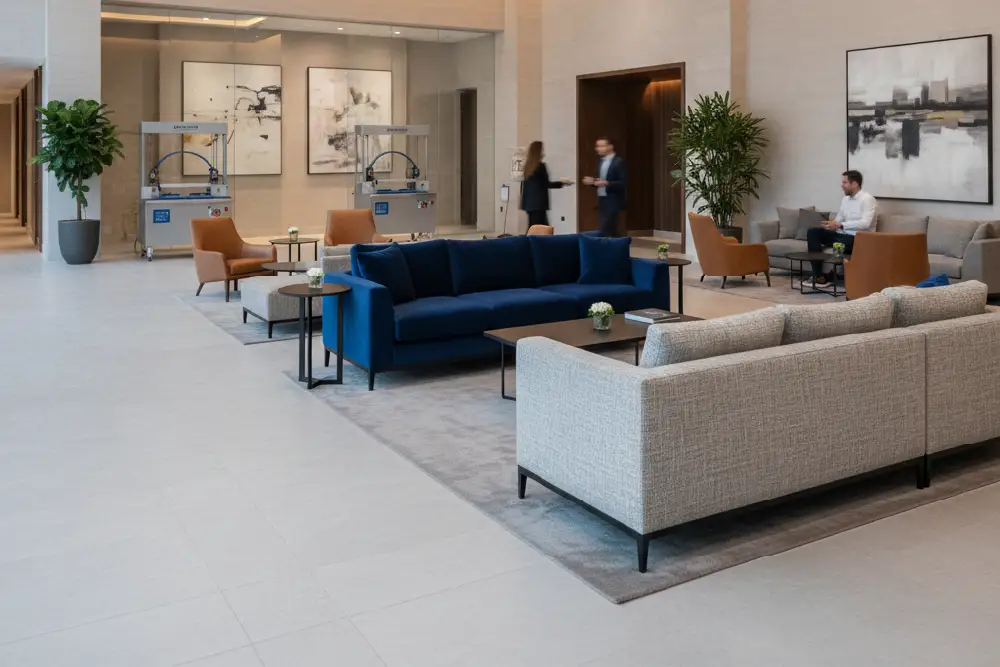
You don't have to sacrifice style for durability. You don't have to limit your choices. Instead, you just need a strategy. Here’s how to choose the right material or how to make your dream material work for your life.
1. The "Set it and Forget It" Solution (For High-Traffic & Commercial Use)
This is where we, as manufacturers, live and breathe. For our commercial partners in hospitality, healthcare, and corporate design, 'durable' is the non-negotiable baseline. At MPP Furniture, we source and test these high-performance materials (like performance velvets, vinyls, and solution-dyed synthetics) to ensure they meet rigorous standards for cleaning, abrasion, and fire codes. This commercial-grade expertise is the foundation of our B2B partnerships.
- The Go-To List:
- Performance Velvet: Combines a luxe look with easy cleaning and a high rub count.
- Synthetic Microfiber/Polyester: Look for rub counts above 25,000. This is the best stain-resistant sofa fabric category for the price.
- Leather / Commercial Vinyl: The kings of "wipe-clean." Perfect for foodservice or homes with messy kids.
- Olefin: The non-negotiable choice for any outdoor or sunroom furniture.
Related: See how these durable outdoor fabrics are being used in our guide to Outdoor Cushion Furniture Trends.
2. The Natural Elegance Solution (How to Make Linen & Cotton Work)
So, you love the crisp, breathable feel of natural fibers but are terrified of the maintenance. Don't give up on the look, just be strategic. You can have it.
- The Solutions:
- Look for Blends: A linen/polyester or cotton/poly blend is the perfect compromise. It gives you the look and feel of the natural fiber, with the durability, wrinkle-resistance, and stain-resistance of the synthetic. (This is a common request from our boutique hotel partners who want that "natural" look with commercial-grade longevity.)
- Embrace Slipcovers: This is the #1 solution. A custom-fit cotton or linen slipcover gives you the exact aesthetic you want, with the priceless ability to throw it in the washing machine.
- Use Fabric Protectors: Have your furniture professionally treated with a performance finish, or use a high-quality (and re-applied) spray like Scotchgard to repel stains before they set in.
- Be Strategic: Use that delicate, pure linen on a headboard, a guest room chair, or accent pillows, while keeping the high-performance fabrics on the main sofa.
3. The Luxe Look Solution (For Delicate Velvets & Silks)
Let's be honest. Sometimes you just want the thing because it's beautiful, and you're willing to baby it. That's 100% okay! If you've fallen for a delicate, natural velvet or even a silk, you're not choosing it for durability; you're choosing it for art.
- The Solutions:
- Accept the Maintenance: Understand that these fabrics are for formal, low-traffic, "adult-only" spaces.
- Professional Cleaning is Key: These are not "DIY" cleaning fabrics. Have a professional upholstery cleaner on call.
- Strategic Placement: This is the "look, don't touch" fabric. Use it on a small boudoir chair or an ottoman that's used more as a showpiece than as a footrest.
Conclusion: Your Sofa, Your Rules
The "best" fabric isn't just the one with the highest rub count; it's the one that best fits your specific lifestyle, your home, and your personal style. The Martindale test is a tool, not a rule.
Use this guide to choose a fabric with your eyes wide open. Whether you opt for a bulletproof performance fabric or a delicate linen blend, you can now make an informed choice. Your home is for living in, and you deserve to have furniture that you love and that can live right alongside you.
A Note for Our B2B & Commercial Partners
For a homeowner, choosing a fabric is a personal choice. For designers, specifiers, and business owners, it's a critical investment in ROI and brand integrity.
Your reputation is built on quality and longevity. As a leading Indonesian Furniture Manufacturer, we know that reputation is built on every detail. At MPP Furniture, we act as more than just a vendor; we are your manufacturing partner. We work with you to source, test, and specify the perfect fabric for your project's unique demands, from a high-traffic university lounge that needs to be bulletproof to a specific custom build.
Case Study: See an example of our B2B work in action with our Leather Woven Bar Stool for Modern Projects.
Contact our B2B team to learn how our partnership program, backed by our expertise as a premier Indonesian Furniture Supplier, can help you deliver durable, beautiful, and reliable furniture solutions to your clients, every single time.
Planning your next best-selling collection?
Request catalog, pricing info, MOQ, and custom options today — we’ll respond quickly.
FAQ
What is the most durable upholstery fabric?
For pure, all-around durability, synthetic fabrics like 100% Polyester, Microfiber, Nylon, or Olefin are generally the most durable. They have high rub counts (abrasion resistance) and excellent, often built-in, resistance to staining and fading. For a natural option, Leather is exceptionally durable and easy to clean.
What is the best upholstery fabric for pets (and claws)?
The best fabrics for pets are those with a tight weave, which resists claws and snags. Microfiber and Performance Velvets are excellent choices because they have no loops to pull and are easy to clean fur from. Leather is also a great option as it's tough and can be wiped clean, though it can show scratches over time.
What is the easiest upholstery fabric to clean?
Leather and Vinyl are the easiest to clean, as most spills can be wiped off with a damp cloth. For woven fabrics, synthetic Performance Fabrics (like polyesters or olefins treated for stain resistance) are the easiest. They are often moisture-repellent and allow you to blot spills before they can set.
Is performance velvet more durable than linen?
Yes, performance velvet (which is typically 100% polyester) is significantly more durable than linen. Linen is a natural fiber that stains, wrinkles, and fades easily and has a lower rub count. Performance velvet has a high rub count (often 50,000+), hides wear well, and is one of the best fabrics for resisting stains, making it ideal for busy homes.
What is a good Martindale rub count for a family sofa?
For a main sofa in a busy home, look for a Martindale rub count of 25,000 or higher. A rating of 15,000-25,000 is for "general domestic" use, but 25,000+ is considered "heavy duty" and is the best choice for homes with kids, pets, and high traffic.

I am a self-taught graphic designer with a deep passion for exploring the creative world through various tools and techniques. I have honed my skills in Adobe Illustrator, Photoshop, and Lightroom, while continuously expanding my knowledge by diving into After Effects and Premiere. Photography has become an integral part of my life, and I actively engage with it to capture moments and experiment with visual storytelling.
My fascination with color theory, histograms, and innovative design approaches drives my work, as I am always seeking new ways to push the boundaries of my creativity. From photography models and motion graphics to textures, collage, and surrealism, I am captivated by the endless possibilities in design and constantly strive to challenge myself with fresh and exciting ideas.
0 Comments