
How much does custom furniture cost? Business owners often ask this question when they begin exploring furniture solutions beyond standard catalog options. For commercial spaces, custom furniture is about more than just decoration. It's also about performance, brand identity, durability, and long-term value. Understanding the cost structure early on helps avoid surprises later and keeps expectations realistic.
As a trusted Indonesian furniture supplier, we work closely with commercial clients to align their design goals with their budgets. Rather than focusing solely on price, this article explains how pricing is formed, which variables matter most, and how businesses can approach custom furniture with clarity and confidence.
Understanding Custom Furniture Pricing
Pricing for custom furniture can seem confusing at first because it does not adhere to fixed price lists. The cost of each project depends on its specific requirements, production methods, and commercial goals. The following sections break down what custom furniture really means and explain why costs can vary significantly between projects.
What “Custom Furniture” Means in Commercial Projects
Custom furniture is designed and produced based on specific functional, spatial, and branding needs. It may include custom dimensions, materials, and finishes that align with a brand’s identity.
Why Custom Furniture Pricing Varies
Pricing varies because no two projects have the same requirements. Material choices, design complexity, production volume, and finishing details all affect the final cost. Rather than expecting a single number, buyers should anticipate a range that reflects their specifications. Understanding this variability upfront enables decision-makers to prioritize value over unexpected costs.
Key Factors That Affect Custom Furniture Cost
Several factors determine the price of a custom furniture project. Examining these factors provides a clearer picture of where budgets are allocated and which choices have the greatest impact.
Material Selection and Grade
Materials often account for the largest portion of the cost of custom furniture. The type of solid wood, metal thickness, upholstery fabric, and hardware quality all affect the price. Higher-grade materials offer better durability and appearance, which is why many commercial buyers view them as long-term investments. Following a clear furniture trend can also influence both cost and perceived value.
Design Complexity and Level of Customization
Simple designs that require only minor adjustments are more cost-efficient than highly intricate pieces. Complex joinery, curved forms, and integrated features require more labor and precision. Businesses exploring custom furniture options should balance visual impact with practical production considerations to ensure that costs align with their objectives.
Dimensions, Quantity, and Scale
Larger furniture pieces require more materials and labor. However, ordering in higher quantities can reduce unit costs through increased production efficiency. Commercial projects benefit from early scale planning, as consistent specifications across multiple pieces help stabilize pricing and timelines.
Finishing, Upholstery, and Special Treatments
Finishes significantly impact cost and durability. Premium coatings, stain-matching, fire-resistant upholstery, and moisture-protection treatments increase the number of production steps. Although these additions increase the initial cost, they often reduce maintenance and replacement expenses over time.
Custom Furniture Cost vs. Standard Furniture
Comparing custom and standard furniture is not only about price tags. For commercial buyers, the comparison should focus on performance, lifespan, and alignment with business goals.
Upfront Cost Comparison
Standard furniture is usually more affordable initially because it is mass produced. Custom furniture, on the other hand, involves design and production stages that raise upfront costs. However, this higher entry point reflects tailored specifications rather than generic dimensions or materials.
Long-Term Cost Efficiency
Custom furniture often outperforms standard pieces. Better materials and construction reduce wear and the frequency of replacements. Over time, this can result in lower overall spending than repeatedly replacing off-the-shelf furniture.
Replacement, Maintenance, and Lifecycle Value
Furniture designed for specific uses tends to age more predictably and require fewer repairs. Considering maintenance and replacement cycles, custom furniture often yields stronger financial outcomes.
Typical Cost Ranges for Custom Furniture Projects
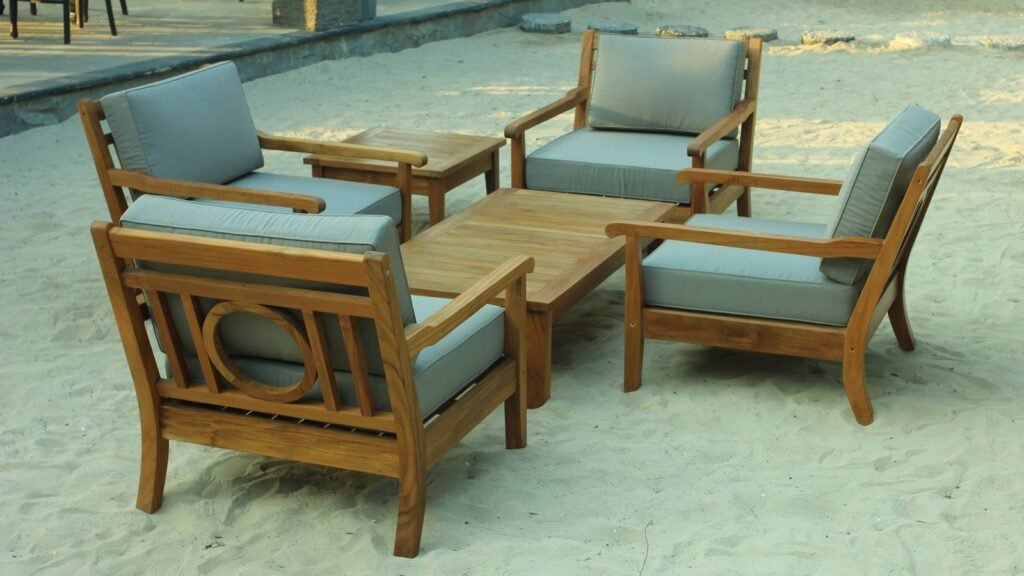
The cost of custom furniture varies based on project scale and complexity. The following typical cost ranges will help businesses budget more effectively and compare options more realistically before moving forward.
Small-Scale Custom Pieces
Small-scale custom furniture pieces, such as office desks, display units, and reception counters, typically cost between Rp4.000.000 and Rp10.000.000 per piece. These projects are ideal for businesses that require tailored solutions for specific spaces without committing to full interior customization.
Full Custom Collections for Hospitality or Retail
Full custom furniture collections for hospitality or retail projects are commonly priced between Rp25.000.000 and Rp45.000.000, depending on the selected materials and the level of detail. Costs increase with higher-grade materials, detailed finishes, and shorter production timelines.
Large-Volume OEM or Private Label Orders
Large-volume OEM or private-label orders generally require a higher total investment, but benefit from lower unit costs. Prices generally range from Rp150.000.000 to over Rp1.000.000.000, depending on the quantity, specifications, and contract structure.
How Production Location Influences Cost
The location where custom furniture is produced plays a major role in shaping overall project costs. Factors such as labor structure, material availability, production systems, and export readiness all come together at this stage.
Manufacturing in Indonesia: Cost and Quality Balance
Indonesia has become a preferred manufacturing base for custom furniture because it offers a rare balance between skilled craftsmanship and cost control. This is where MPP Furniture stands out, leveraging local expertise and well established production systems to deliver high quality results without inflating prices.
Labor, Materials, and Production Efficiency
With more than 200 in-house craftsmen, MPP Furniture maintains direct control over labor quality and workflow efficiency. Access to locally sourced materials and skilled artisans reduces dependency on external suppliers, which helps stabilize costs and timelines.
Logistics, Export, and Lead Time Considerations
Cost factors such as export logistics and lead time management are often overlooked in custom furniture projects. MPP Furniture’s experience with international shipments enables better coordination, accurate scheduling, and reduced risk of delays. By managing packaging, documentation, and shipping processes internally, we can keep overall project costs more predictable for our global clients.
The Hidden Costs Buyers Should Consider
Beyond quoted prices, custom furniture projects often involve indirect costs that are easy to overlook at the planning stage. These factors usually relate to process, coordination, and execution rather than materials alone.
Design Revisions and Prototyping
Design revisions and prototyping are common in custom furniture projects, but each change adds time and cost. After production begins, adjustments to dimensions, materials, or finishes may require new samples or tooling. Having clear specifications from the beginning helps reduce revision cycles and keep costs under control.
Quality Control and Rework Risks
Inconsistent quality control can result in rework, material waste, and rejected pieces. When defects are discovered late, the cost of correction increases significantly. Manufacturers that have structured inspection processes minimize these risks by ensuring that products meet specifications before shipment, thereby protecting buyers from unexpected costs.
Delays and Inconsistent Production
Production delays often create ripple effects across installation schedules and operational planning. Inconsistent output can lead to partial deliveries or mismatched finishes. These issues may increase storage, labor, or rescheduling costs. Working with reliable production systems helps maintain timelines and cost predictability.
Is Custom Furniture Worth the Investment?
Determining whether custom furniture is worth the investment depends on how it fits within a company’s long-term strategy. Rather than viewing cost in isolation, businesses should consider how customization supports operational needs, brand positioning, and space efficiency.
When Custom Furniture Makes Financial Sense
Custom furniture is a wise financial decision for businesses that require specific dimensions, consistent branding, or durability beyond what is offered in the standard market. It’s especially useful for commercial spaces with high usage, long operating hours, or unusual layouts. Tailored solutions often reduce replacement frequency and support more efficient space utilization over time in these cases.
Evaluating Cost Against Business Objectives
Shifting the focus from upfront spending to overall impact by evaluating cost against business objectives is key. Furniture that enhances workflow, reinforces brand identity, or improves the customer experience contributes directly to business performance. When these factors are considered, custom furniture can be seen as a strategic investment rather than a mere cost.
How to Plan a Cost-Efficient Custom Furniture Project
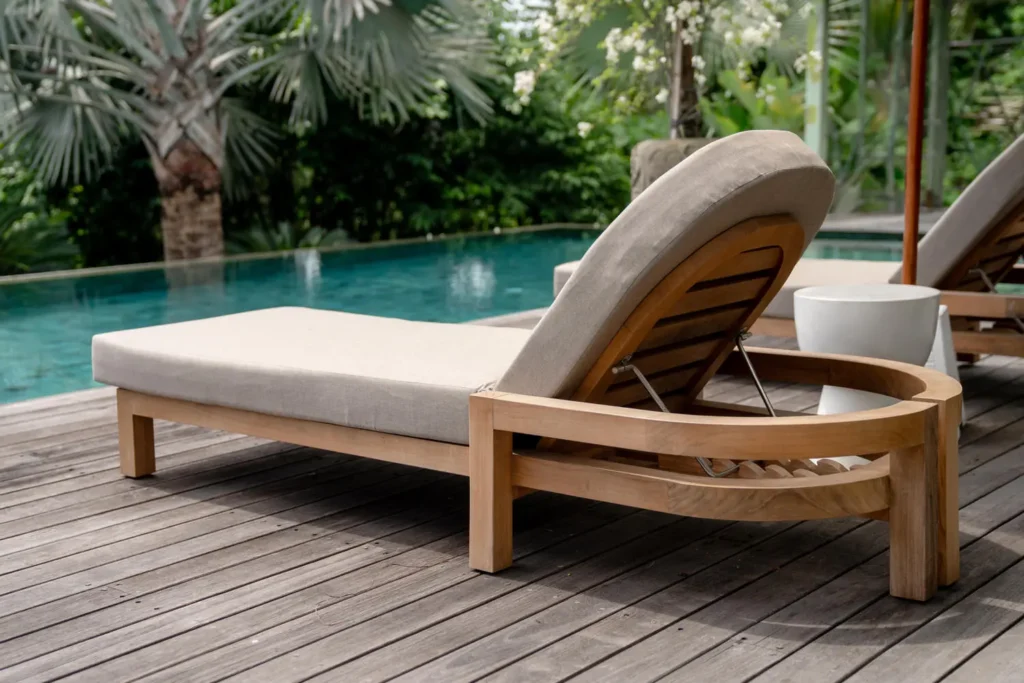
A cost-efficient custom furniture project starts with clear planning and informed decisions. Before moving into production, businesses need to align expectations, specifications, and partners to ensure budgets are used effectively and outcomes match business goals.
Defining Specifications Clearly
A buyer's clear specifications are a strong indicator of accurate cost estimation. Detailed drawings, accurate dimensions, material preferences, and finishing requirements enable manufacturers to calculate costs more accurately. The clearer the specifications, the lower the risk of revisions, delays, or unexpected cost adjustments during production.
Choosing the Right Materials for Your Market
Material choices should be based on the target market and usage environment rather than personal preference alone. Commercial buyers who understand their customers' needs regarding durability and price can select materials that balance appearance and performance. This helps them avoid over-specification, which drives costs beyond what the market requires.
Working with an Experienced Manufacturer
Partnering with an experienced manufacturer mitigates financial and operational risks. Established partners understand production limitations, cost implications, and export requirements. This allows buyers to make informed decisions early on.
Why Pricing Transparency Depends on the Manufacturer
Pricing transparency is closely tied to how a manufacturer operates behind the scenes. Production structure, communication flow, and internal control systems all influence how clearly costs are calculated and presented.
In-House Production vs. Outsourced Manufacturing
Manufacturers with in-house production have greater visibility into labor, materials, and workflow. This allows them to calculate costs more accurately. Outsourced manufacturing often involves multiple parties, which can obscure pricing details and introduce unexpected markups. For buyers, in-house production usually results in clearer cost breakdowns and better accountability.
Communication, Cost Control, and Consistency
Clear communication is essential for maintaining cost control throughout a project. Manufacturers with consistent internal teams are better positioned to manage changes, prevent misinterpretation, and uphold quality standards. This consistency helps ensure stable pricing and prevents cost fluctuations caused by unclear instructions or production gaps.
Conclusion: Understanding Cost Beyond the Price Tag
How much does custom furniture cost? The answer is not defined by price alone, but by the value the furniture delivers over time. The cost reflects how well the furniture supports business operations, reinforces brand identity, and withstands daily commercial use. When evaluated based on performance, durability, and long-term impact, custom furniture becomes a strategic investment rather than a short-term expense. This helps businesses make decisions with greater clarity and confidence.
Start Your Custom Furniture Project with Clarity
Starting a custom furniture project becomes far more efficient when expectations are clear from the beginning. Instead of guessing costs or design outcomes, businesses benefit from structured planning that aligns budget, function, and aesthetics.
This is an ideal time to start planning your custom Indonesian furniture, ensuring every decision is grounded in clarity, feasibility, and long-term business value.
What Information Manufacturers Need to Estimate Cost
Accurate cost estimation begins with complete and well-prepared information. Manufacturers need clear drawings, dimensions, material selections, quantities, and finishing requirements in order to properly assess production scope.
Defining these details early on makes pricing more reliable and allows timelines to be managed more easily, and allows the project to move forward with fewer assumptions and revisions.
How MPP Furniture Supports Cost-Efficient Custom Projects
MPP Furniture supports cost-efficient custom projects by delivering premium handcrafted products through a fully controlled production system. With the help of more than 200 in-house craftsmen, each piece is created with an artisanal touch while maintaining consistency at scale.
Our precise quality control across every production stage has resulted in 99% client satisfaction and only a 0.56% complaint ratio from clients in the US, Dubai, Australia, and beyond. We welcome commercial buyers to schedule a free consultation.
Planning your next best-selling collection?
Request catalog, pricing info, MOQ, and custom options today — we’ll respond quickly.

A passionate writer with 3+ years of experience in SEO who turns complex ideas into informative & helpful content. I share the challenges & important considerations when preparing a global furniture project, hoping to help MPP Furniture’s readers make more informed business decisions.

0 Comments