
Balancing in-demand furniture products with budget considerations is one of the common challenges for furniture buyers. This results in which type of timber the buyers should sell; do you prioritize the design compatibility with a certain popular concept, or the long-lasting value of the product?
Business-wise, it’s important to deepen your knowledge about every prevalent wood’s pros and cons. In this article, we, as a leading Indonesian furniture supplier & manufacturer, will guide you to compare Sungkai wood VS teak wood, two most popular timbers in Indonesia, which also gain a global reputation for being the prized lumber (teak) and best for minimalist indoor pieces (Sungkai).
Introduction
Before we delve into the contrast, let us provide some background on why these two particular timbers are worth discussing and comparing.
Why choosing the right wood matters in furniture making
Selecting the suitable timber for your business is crucial, as it defines the three valuable traits you can offer to your customers: physical requirements for longevity, visual appeal, and cost. This is why it requires some level of understanding of the material you’ve chosen, since it also impacts the profit you can make.
Teak and Sungkai — Indonesia’s two most popular hardwoods
Indonesia has long been recognized for its premium lumbers, with teak and Sungkai being two of the prominent contributing woods.
The Indonesian teak, which is usually harvested at a minimum of 35 years old, is known for its strength & high oil content, symmetrical in shape, and beautiful golden-brown tone that darkens with age; the quality you can find on a tree with a slower growth rate.
While Sungkai, despite not gaining global attention like teak, is slowly emerging as the cost-alternative timber that offers workability and a clean look, perfect for indoor furniture with modern design concepts.
How MPP Furniture masters both for different design purposes
Despite having better business value for both its visual allure and longevity, MPP Furniture doesn’t show off teak furniture like it’s the only solution we have. We would rather be a versatile manufacturer that can match your design requests.
With over 20 years of experience in the global furniture exporting field, we understand both technical challenges and the superiorities of teak and Sungkai wood, making sure to deliver the product lines that are perfectly aligned with your design brief.
Understanding the Basics
Now, let’s get back to the Sungkai VS teak competition. Let’s start with the natural qualities of each timber that set them apart from each other.
What is teak wood? (Origin, reputation, key features)
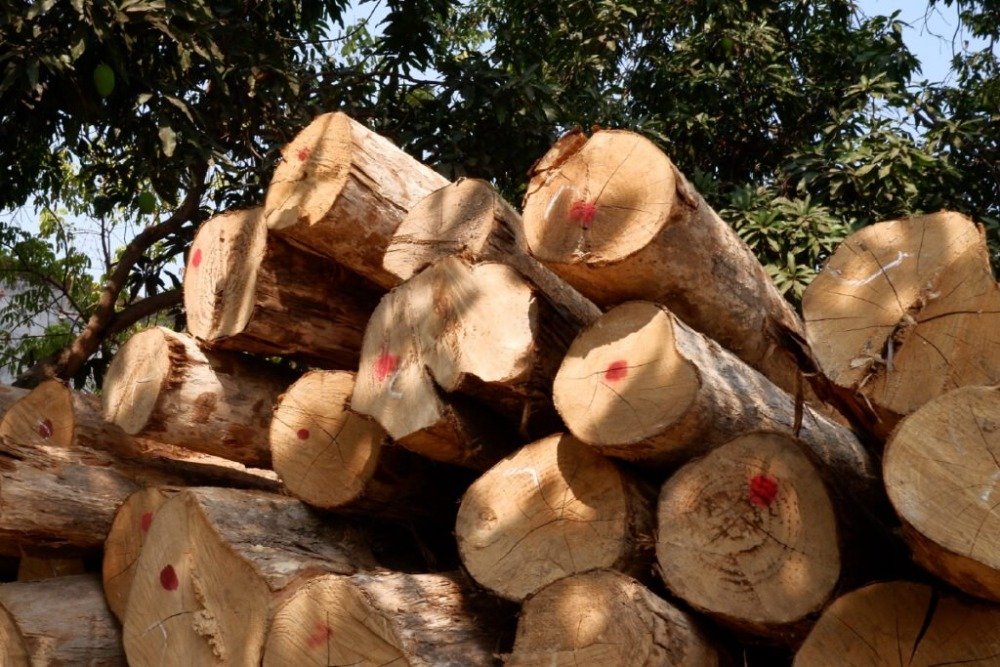
Native to South and Southeast Asia, including Indonesia, teak has garnered a global reputation as highly durable and resistant to weather, pests, water, and rotting, thanks to its high oil content. This is where marine transportation like to used teak to build their deck and other essential parts for decades.
Besides its endurance, teak is also known for its timeless beauty; a golden-brown hue with a straight grain, making it a priceless wood for high-end furniture, especially for outdoor pieces, considering its resilience to any external factors. The timber is also very dense and strong; however, it makes it harder to shape in the furniture wood process compared to other woods.
What is Sungkai wood? (Origin, characteristics, availability)
Sungkai’s appearance is a pale light yellow with the same straight grain as teak. However, Sungkai is less oily and has a finer structure, making it very workable for machining & receptive to any finishing.
Unlike teak, which is grown in protected Indonesian forests, you can find the Sungkai tree almost everywhere in Indonesia, from Sumatra to Sulawesi. The fast-growing timber is commonly used as a local material for Indonesian furniture. The greater availability also becomes a plus point for large-volume modern furniture projects.
MPP Furniture’s material expertise: beyond one-type specialization
Our expertise lies in making teak and Sungkai meet your quality expectations, both design-wise and product-wise. Leveraging Sungkai’s expanding demand and already-established teak market, our mastery in crafting custom furniture pieces allows you to capitalize on the options.
Detailed Comparison — Sungkai vs Teak
Now, we’re getting into the main discussion: what’s the difference between teak and Sungkai? Take a quick look at the characteristics of both timbers here.
| Quality | Teak Wood | Sungkai Wood |
| Appearance | Golden-brown Tone, Straight Grain, Oily Texture | Pale Yellow, Straight Grain, Smooth Surface |
| Density | 650-800 kg/m³ | 550-650 kg/m³ |
| Durability | Superior (Perfect for Outdoor Usage) | Moderate (Best for Protected Outdoor Space like Patio or Balcony) |
| Workability | Low (Needs Harder & Sharper Tools) | Excellent (Easy to Machine & Finish) |
| Moisture Sensitivity | Naturally Resistant | Needs Proper Kiln-Drying |
| Cost | Expensive | Affordable |
While it’s pretty obvious for the differences, let’s break them down with the addition of a business perspective.
Appearance & color tone
Based on its color, teak and Sungkai have clear, distinctive differences; one is on the brown tone with darker shades when it ages, while the other is on the yellow hue or sometimes light brown. With this appearance, teak can offer classic beauty, while Sungkai matches more with modern design styles.
Grain pattern and finishing potential
Both teak and Sungkai have a straight grain pattern; the only difference is that Sungkai is slightly more patchy than teak’s. The dry texture and smooth surface from Sungkai is the best palette for any finishings, while the oily texture from teak offers rustic, luxury visual appeal.
Density and durability
If you have concerns about shipping weight, Sungkai’s lighter density can be your best option to reduce cost. But if you don’t mind the shipping cost and prefer to offer your customers with optimized lifespan of the product, then teak’s unmatched durability can be your priority selling point.
Resistance to moisture and pests
Talking about resistance, teak is the winner of this aspect, making it the perfect choice for any environment, specifically for outdoor uses. Sungkai is actually not that bad; it just needs proper kiln-drying before processing. It holds up moisture well in an indoor setting.
Workability and flexibility for design customization
If you prioritize workability and design flexibility, it is Sungkai’s turn to shine. The lighter in density makes it easier to sand, assemble, and machine, allowing you to create more complex shapes that align with your branding authenticity. While teak is known to be denser, it’s hard to cut and requires advanced machinery to process teak.
Price point and accessibility
Teak’s being expensive is not just for its natural premium qualities, but also the availability. Teak’s relatively slower growth makes countries issue strict rules of its sourcing; unless they want to end up like the original countries, where teak slowly vanishes due to irresponsible logging.
On the other hand, Sungkai has a high supply chain for its faster-growth cycles. Other than its qualities, this factor also impacts Sungkai’s price tag on the market. It’s now on you, whether to choose teak or Sungkai to be presented to your customers. If you still find it hard to decide, let us give some help.
When to Choose Sungkai Wood
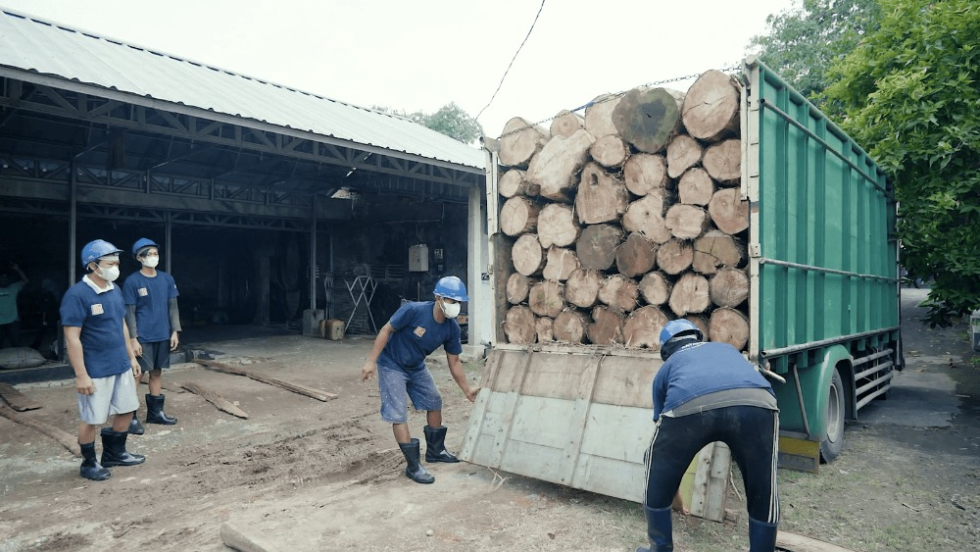
The key point to opting for Sungkai over teak is the design compatibility with current trends. If your customers have a specific niche of popular trends, you might consider this timber.
Perfect for modern, minimalist, and light-toned interiors
The clean, neutral look of Sungkai is an undeniable option for bright, modern design styles in interior settings. In fact, its business value can help you boost sales for interior style pieces, like living room sets. If your project involves a Scandinavian or Japanese-inspired aesthetic, Sungkai is your go-to product choice.
Ideal for projects prioritizing cost-efficiency and design freedom
If the budget constraint is one of the bottlenecks of the purchase, then Sungkai is your best cost-effective option. Sungkai’s excellent workability also gives you more room in design creativity, making it the absolute reason for budget-friendly pieces without sacrificing quality.
MPP Furniture’s craftsmanship brings out Sungkai’s natural beauty
With our expertise, we know how to handle and proceed with Sungkai wood with precision. Our advanced kiln-drying and finishing techniques guarantee quality Sungkai furniture for our clients. With over 200 skilled craftsmen in-house, we also offer you a skilled artisan touch and traditional artistry for the products.
When to Choose Teak Wood
Despite being highly priced, teak is still irreplaceable and still in demand for luxury furniture choices. Its perfect durability also becomes a key factor in customers’ longevity preferences.
Best for outdoor furniture and luxury-grade durability
If your customers are looking for a long-term investment that also provides a high-end, classic, timeless look, teak still steals the show. Its natural resistance also helps teak to be the top-of-mind timber option for outdoor uses.
Teak is also suitable for interior settings; our indoor teak products speak so. The low-maintenance also benefits the owners by letting it age with grace and minimum treatment.
Timeless aesthetic that matures beautifully over time
When teak ages, you will see a silvery-grey patina covering teak pieces like a precious treasure. Teak's golden-brown hue also gets even darker over time, making teak impossible to beat for its visual allure, even if it’s new or old.
How MPP ensures sustainable teak sourcing and treatment
Aside from delivering the best teak furniture pieces, we also commit to a sustainable approach when it comes to sourcing teak trees. All of our teak collections are SVLK-certified (a legal license from the Indonesian government, a must-have permission for every Indonesian teak manufacturing company), defining our responsible stand on protecting Indonesian forests.
The MPP Furniture Perspective
We value both Sungkai and teak’s appeal in the market, making sure each timber finds its customer niche. So, if you’re considering MPP Furniture to work with, here’s what we do.
Material selection guided by design intent, not just cost
Before jumping into the wood selection, we’ll be asking you about your design goal and your customers’ preferences; is it for trend-forward styles, or do they prefer products that offer timeless beauty? After being sure about the answer, we discuss the prize consideration.
Combining Sungkai and teak in custom projects
It’s not impossible to blend Sungkai and teak in one refined furniture piece; that’s actually our excellence, crafting more than one precious timber into one artistic furnishing.
Delivering craftsmanship that elevates both materials
Our artisans are ready to contribute to your exclusive, unique design without sacrificing one timber’s great quality; expect a furniture piece with both timbers completing each other’s aesthetic vibes.
Let’s Take A Brave Step to Collaborating with A Trusted Indonesian Furniture Supplier!
If you’re looking for a reliable partner that provides hassle-free shipment with proven quality products, and most importantly, can support your business in the long run, MPP Furniture is ready on call. Enjoy free product development from us and let your branding plan come to life.
Our precise quality control of each production also leads us to 99% of client satisfaction and only a 0.56% complaint ratio from our clients in the US, Dubai, Australia, Spain, South Africa, and more.
MPP Furniture also proves its reputation of being an expert in handcrafted products and custom design flexibility (open to ODM/OEM request), perfect for your hunt for custom design teak or Sungkai furniture from the best hands. Schedule a free consultation and see how we can help your business!
Planning your next best-selling collection?
Request catalog, pricing info, MOQ, and custom options today — we’ll respond quickly.

A passionate writer with 3+ years of experience in SEO who turns complex ideas into informative & helpful content. I share the challenges & important considerations when preparing a global furniture project, hoping to help MPP Furniture’s readers make more informed business decisions.
0 Comments