
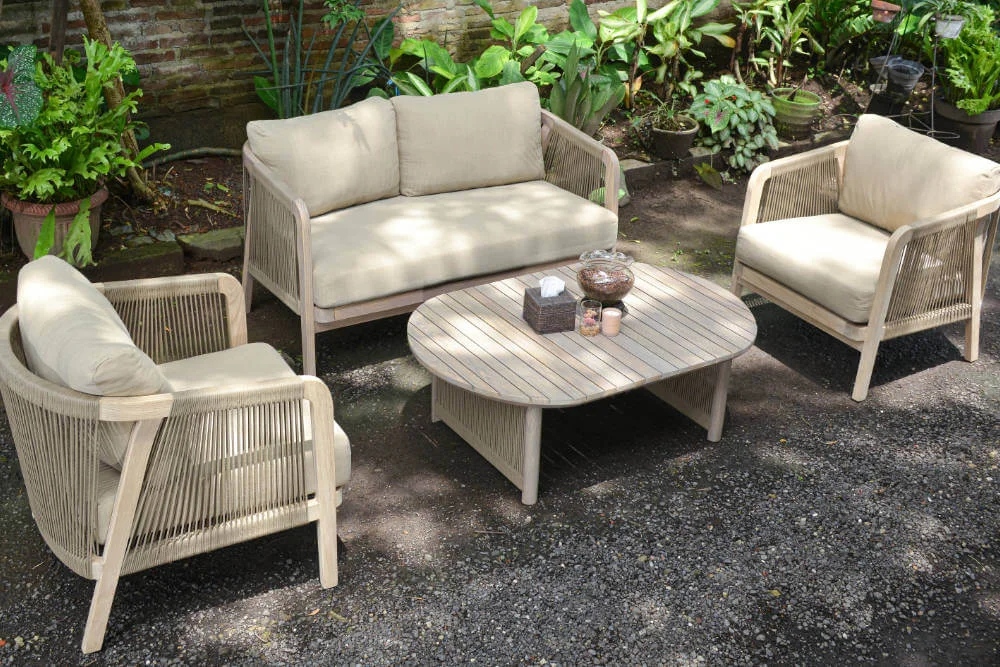
Every furniture retailer eventually faces this question. Standard catalog items move fast but blend into the market. Bespoke furniture stands out but costs more and takes longer to produce. Which path actually builds a sustainable retail business?
Custom furniture businesses achieve net profit margins typically between 10% and 25%, notably higher than the typical 4-6% margin seen in mass-market furniture retail. The margin difference is real. Whether that difference justifies the investment depends entirely on your retail strategy and customer base.
Understanding What Bespoke Furniture Means in a Retail Context
Bespoke furniture is furniture pieces designed and manufactured specifically for a retailer's brand or customer requirements. The bespoke furniture market was valued at USD 35.47 billion in 2023 and is projected to reach USD 58.24 billion by 2031, growing at a CAGR of 6.3%.
How bespoke furniture differs from ready-made collections centers on three areas. Design originates from your specifications rather than manufacturer catalogs. Production happens in smaller batches tailored to your order volume. Materials and finishes are selected specifically for your brand positioning.
Why retailers consider bespoke products comes down to market pressure. Consumers increasingly seek furniture that reflects their individual tastes and lifestyles, moving away from mass-produced options. When customers can buy identical furniture from competitors, price becomes the only differentiation. Bespoke pieces create value beyond price comparison.
Why Retailers Explore Bespoke Furniture Options?
Retailers turn to bespoke furniture for three strategic reasons that go beyond just offering something different.
Creating Unique Product Collections
Exclusive designs prevent direct price comparison. Customers can't find your exact dining table at any of the three other stores. This positioning lets you compete on design and quality instead of just matching competitor pricing.
Strengthening Brand Identity Through Exclusive Designs
Furniture reflects your brand visually. Standard catalog items from manufacturers serving hundreds of retailers don't communicate brand distinctiveness. Bespoke pieces embody your aesthetic consistently across collections.
Differentiating from Competitors
E-commerce growth has transformed the bespoke furniture market by making custom designs more accessible to a broader audience, with online visualization tools enabling buyers to see how pieces will fit into their spaces.
When competitors source from the same catalogs, stores become interchangeable. Bespoke furniture is what makes customers choose your store specifically.
The Cost Side of Bespoke Furniture Production
Understanding the cost structure prevents surprises and helps you budget realistically for custom furniture projects.
1. Design Development and Prototyping
Bespoke furniture starts with design. Either you provide specifications or work with manufacturers to develop concepts. This process takes time. Revisions happen. Prototypes get produced, tested, and modified.
The process often involves lengthy design and production timelines, with consultations, revisions, and production time leading to extended delivery periods.
These upfront costs exist before you sell a single piece. Budget for design fees, sample production, and iteration time.
2. Material Selection and Customization
Custom specifications often require materials outside standard production. Specific wood species, particular finishes, and custom hardware. High costs associated with bespoke furniture restrict the target market to affluent consumers or businesses, limiting sales volume.
Material customization adds per-unit cost compared to manufacturers producing thousands of identical pieces and buying materials in massive volume.
3. Production Complexity and Smaller Batch Runs
The average furniture store runs about a 40 percent gross margin and a 5 percent net margin. Bespoke production reduces economies of scale. Manufacturers set up tooling, configure machines, and organize materials for your specific design. These installations are distributed across fewer units than mass production.
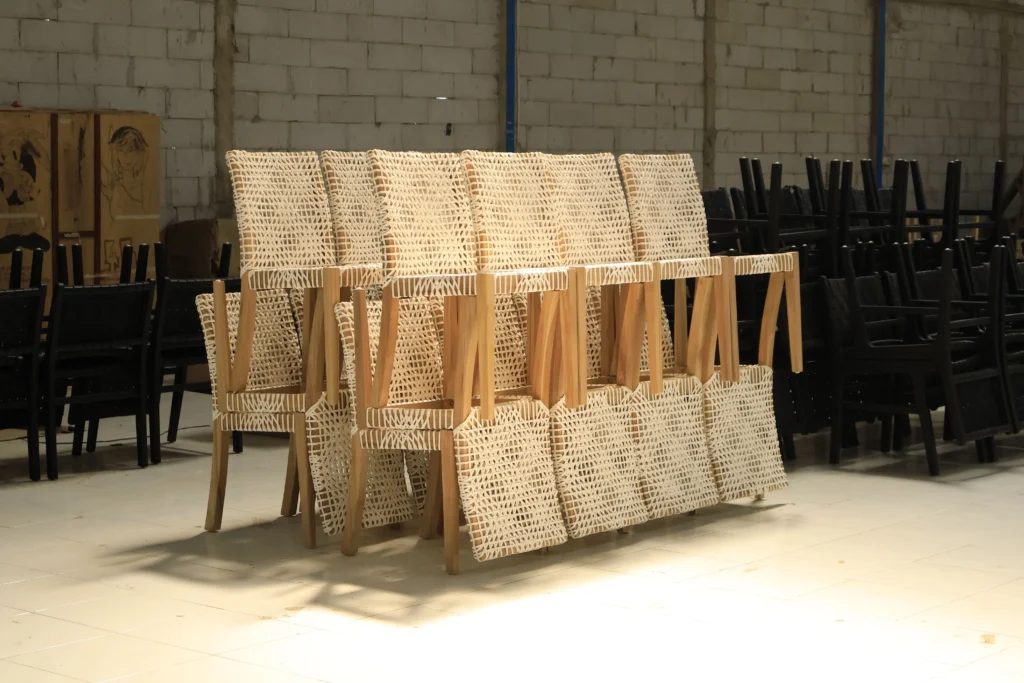
At MPP Furniture, we handle bespoke furniture differently from standard production. Custom pieces require dedicated planning, specialized tooling, and closer quality coordination. These factors affect pricing.
The Value Bespoke Furniture Can Bring to Retail Collections
1. Product Differentiation in Competitive Markets
Custom furniture commands higher margins due to unique value propositions, while mass-market items face pricing pressure from online competitors. When furniture becomes a commodity, margins compress. Bespoke pieces resist commoditization because direct comparison becomes impossible.
This differentiation protects margins even in price-sensitive markets. Customers comparing your exclusive dining set against generic alternatives evaluate total value, not just price per square foot.
2. Stronger Brand Identity for Retail Stores
Consistent bespoke furniture across your collections communicates brand cohesion. Every piece reinforces your aesthetic perspective. Custom cabinetry and bespoke furniture include design fees, specialized labor, and premium materials, which drive perceived value.
This brand strength builds customer loyalty beyond individual purchases. Customers buy into your curation, not just products.
3. Potential for Higher Retail Margins
While a standard mass-produced dining table might retail for around $800, a custom-built piece can command prices from $3,000 to over $10,000, reflecting the value customers place on craftsmanship and personalization.
The margin opportunity comes from value perception, not just markup percentage. Furniture retail gross margins vary by category, with accent pieces achieving 50-70% margins while large items like sofas typically earn 35-45%. Bespoke pieces often achieve margins toward the higher end of these ranges.
4. Long-Term Customer Loyalty
Bespoke furniture creates customer relationships differently from transactional catalog sales. Customers involved in design selection, material choices, and customization feel invested in outcomes. This involvement builds a connection to your store specifically.
When satisfied, these customers return for additional pieces matching their existing furniture. They refer to friends seeking similar quality and service. This repeat business and referral pattern significantly improves lifetime customer value.
How Indonesian Furniture Manufacturers Support Bespoke Furniture Production
Indonesian manufacturers offer specific capabilities that make bespoke furniture production viable and cost-effective for international retailers.
1. Skilled Craftsmanship and Design Flexibility
Indonesian manufacturers combine traditional woodworking skills with modern production capabilities. Generations of furniture-making experience mean craftspeople understand complex joinery, intricate detailing, and material behavior.
This skill base supports bespoke production that requires handwork and specialized techniques, which mass production can't economically accommodate.
2. Experience with Export and Custom Orders
Skilled craftspeople are required for bespoke production, and their availability affects lead times and costs. Indonesian manufacturers serving international markets regularly handle custom specifications. They understand documentation requirements, quality standards, and communication needed for bespoke projects.
At MPP Furniture, we've produced custom furniture for retailers worldwide for 20+ years. Our production systems accommodate bespoke pieces while maintaining quality consistency critical for retail success.
3. Material Availability and Production Capabilities
Indonesia provides direct access to teak, mahogany, rattan, and tropical hardwoods. This material access supports bespoke specifications requiring specific woods or finishes. Our 16,000 m² facility integrates complete production from kiln drying through finishing, enabling customization at every stage.
For retailers specifically exploring Indonesian sourcing, our article on Indonesian furniture manufacturers and 3 key factors explains evaluation criteria beyond just pricing.
When Bespoke Furniture Makes the Most Sense for Retailers
Not every retailer needs bespoke furniture. The investment makes strategic sense in specific retail situations.
1. Premium or Design-Focused Furniture Stores
High-end retailers targeting affluent customers benefit most from bespoke furniture. These customers expect exclusivity and are willing to pay for customization. The margin structure supports bespoke investment.
2. Retailers Building Exclusive Product Lines
Private-label or house-brand development requires bespoke production. You can't build proprietary collections from manufacturer catalogs available to all competitors.
3. Brands Targeting Niche Market Segments
Specialty retailers serving specific aesthetics, particular customer demographics, or unique use cases benefit from bespoke furniture that aligns precisely with their positioning.
The market drivers include customization demand, as consumers seek furniture that fits seamlessly into their homes and is ethically sourced. Bespoke production lets you serve these niches profitably where mass production doesn't.
For a broader context on building Indonesian furniture collections, see our article on Indonesian furniture collections.
Balancing Cost and Value in Bespoke Furniture Sourcing
Understanding both investment and long-term benefits prevents shortsighted decisions. Bespoke furniture costs more upfront. Design development, prototyping, and smaller production runs increase unit costs compared to standard catalog items.
The value comes from margin protection, brand differentiation, and customer loyalty that compound over time. Wholesale profit margins average around 40%, though net retail margins are typically 2% after expenses in standard retail operations. Bespoke furniture's higher gross margins can significantly improve net profitability when volume scales.
Evaluating bespoke furniture as part of a retail strategy means considering your competitive positioning, customer base, and growth objectives. Not every retailer needs bespoke furniture. Those competing primarily on price and convenience succeed through efficient standard-product sourcing.
Retailers building brand equity, serving design-conscious customers, or targeting premium segments gain a strategic advantage from bespoke investment.
The role of experienced manufacturers in successful bespoke projects cannot be overstated. Manufacturers lacking custom production experience create timeline issues, quality inconsistencies, and communication breakdowns that undermine the value proposition of bespoke projects
For insights on managing custom furniture timelines specifically, our article on lead time matters in Indonesian furniture explains planning considerations.
Inventory management also changes with bespoke furniture. The article on managing furniture inventory covers strategies for handling custom production timelines and volumes.
Explore our complete furniture collections to see both standard and bespoke options we manufacture for international retailers.
At MPP Furniture, we help retailers evaluate whether bespoke furniture supports their market positioning and profitability goals. With 20+ years of experience in custom furniture production and complete in-house capabilities, we deliver bespoke pieces that perform commercially while building brand differentiation.
👉 Let's discuss whether bespoke furniture makes strategic sense for your retail collection.
Email Us: sales@mppfurniture.com
WhatsApp: +62 821-4630-5858
Considering bespoke furniture? Schedule a free consultation to review design possibilities, cost structures, and production timelines for your specific retail positioning.
Planning your next best-selling collection?
Request catalog, pricing info, MOQ, and custom options today — we’ll respond quickly.

A passionate writer with 2+ years of experience in SEO who turns complex ideas into informative & helpful content. I share the challenges & important considerations when preparing a global furniture project, hoping to help MPP Furniture’s readers make more informed business decisions.
0 Comments