
Sourcing furniture from Indonesia offers real advantages. Lower costs, skilled craftsmanship, and access to premium materials.
But it also introduces risks that can turn a promising opportunity into an expensive mistake.
The difference between retailers who successfully source overseas and those who don't isn't luck. It's understanding what can go wrong and knowing how to prevent it before problems compound.
Economic uncertainty, inflation, and supply chain issues remain top concerns for furniture retailers in 2025, with 40% citing economic uncertainty as their biggest challenge.
But beyond macroeconomic factors, operational risks in furniture sourcing are where most damage occurs.
Why Furniture Sourcing Risks Matter More Than You Think
Custom furniture from Indonesia is different from buying ready-made products from a catalog. When you're working with manufacturers thousands of miles away to create pieces tailored to your retail concept, everything isn't always perfect.
The added complexity of overseas manufacturing means more opportunities for things to deviate from expectations.
Communication barriers, cultural differences in business practices, time zone gaps, and physical distance all create friction that domestic sourcing simply doesn't have.
Why understanding risks early matters for retailers is simple.
By the time a container arrives with the wrong finish or unstable joinery, you've already paid deposits, blocked inventory capital, and potentially missed your selling season. Prevention costs less than correction, always.
The retailers who succeed with Indonesian sourcing aren't the ones who never face problems. They're the ones who see problems coming and build systems to prevent or quickly resolve them.
Major Risks in Furniture Sourcing for Retailers
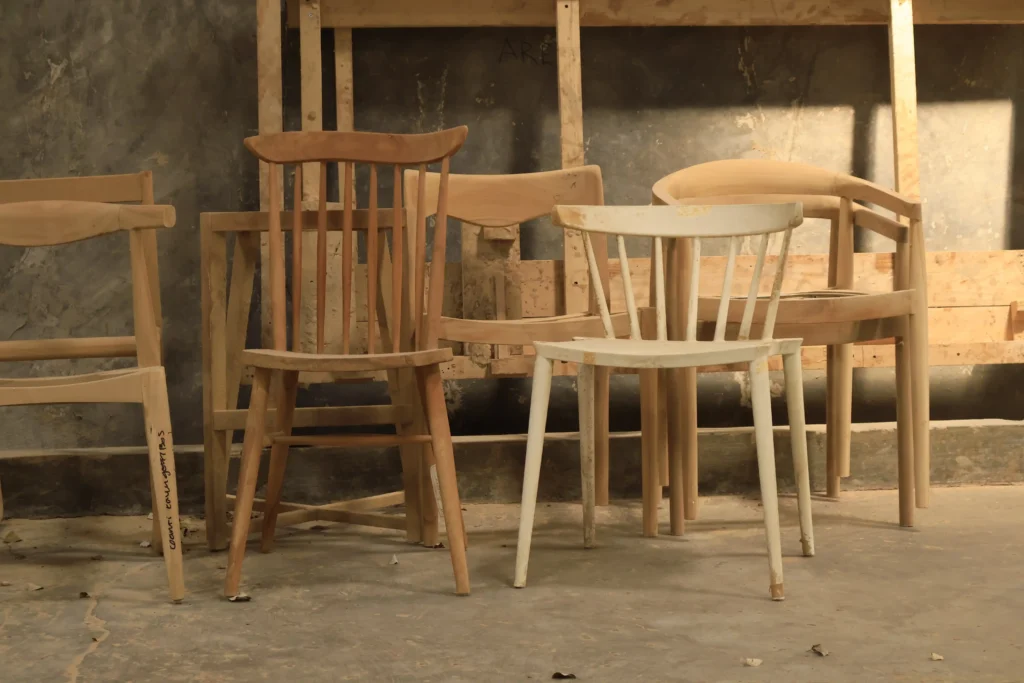
1. Miscommunication in Design and Specifications
This is where most sourcing relationships break down before they even begin.
You send a reference image and some measurements. The manufacturer interprets it one way.
You expected something else entirely. Neither party realizes the disconnect until samples arrive, or worse, until the full production shipment does.
Common miscommunication triggers include unclear material specifications, vague finishing instructions, missing dimension details, and assumptions about construction methods.
What you consider "standard" might mean something completely different to a manufacturer operating in a different market context.
Language barriers compound this. Technical furniture terminology doesn't always translate cleanly.
For example, "commercial grade durability" or "retail showroom finish" might not mean the same thing across cultures and industries.
The risk multiplies when working with sales reps who aren't directly connected to production. They might promise capabilities the factory doesn't actually have or misunderstand your requirements in ways that don't surface until much later.
2. Inconsistent Quality and Craftsmanship
According to Crafnika, one furniture manufacturer reduced their defect rate from 15% to 3% within six months by implementing quality controls at each production stage and training staff in inspection techniques.
The inverse is also true. Manufacturers without systematic quality control can have defect rates that make retail operations unsustainable.
Quality inconsistency shows up in several ways.
The sample looks perfect. The first production batch meets expectations.
Then, subsequent orders start showing variations. Joinery that was tight becomes loose. Smooth finishes develop rough patches. Dimensions that were precise start drifting.
This happens because not all manufacturers have documented, repeatable processes. They might rely on individual craftsmen whose work quality varies, or they might cut corners during busy periods when multiple orders compete for attention.
For retailers, inconsistent quality creates a bad scenario. You can't confidently stock inventory when you're unsure if the next batch will match the quality customers expect.
Returns eat into margins. Negative reviews damage your reputation. The cost savings from overseas sourcing evaporate in the face of quality-related expenses.
3. Material and Finishing Mismatch
Let’s say you order teak. You receive something that looks like teak but performs differently.
Or the wood species is correct, but the moisture content isn't properly controlled, leading to cracking six months after delivery.
Material mismatches happen more often than retailers expect. Sometimes it's an intentional substitution.
More often, it's suppliers who don't understand the material specifications that matter for your market.
Indonesian manufacturers might use wood moisture levels appropriate for tropical climates, while your retail market is in dry, heated environments.
Finishing a mismatch is equally problematic. You expected a matte lacquer that resists fingerprints. You received a glossy finish that shows every touch.
Or the stain color in production doesn't match the approved sample because lighting conditions differed or batches varied.
These issues are particularly painful for retailers because they directly affect salability. Furniture that doesn't match your brand aesthetic or doesn't perform as customers expect creates operational friction at every level.
4. Production Delays and Timeline Uncertainty
Lead times in furniture manufacturing are important to your retail operations. Miss a seasonal launch window, and you're stuck with inventory that arrives after peak demand has passed.
Production delays stem from multiple sources. Raw material shortages, equipment breakdowns, labor issues, or simply being deprioritized when larger clients place urgent orders.
Manufacturers operating without clear production planning systems often overcommit and underdeliver on timelines.
The real problem isn't the delays themselves. It's the uncertainty.
If a manufacturer tells you upfront that production will take 14 weeks instead of 10, you can plan around it. When they promise 10 weeks, stay silent for 8, then announce a 4-week delay, you're in crisis mode with no time to adapt.
Smart retailers build buffer time into their sourcing plans, especially when working with new manufacturers whose reliability hasn't been proven.
For deeper insight into managing timelines effectively, check out our guide on lead time matters in Indonesian furniture.
5. Cost Overruns and Pricing Changes
You receive a quote. You approve of it. Production starts.
Then, midway through, the manufacturer announces that material costs increased or exchange rates shifted, and they need to adjust pricing.
This puts retailers in an impossible position.
Accept the price increase and blow your margin calculations? Refuse and risk the manufacturer canceling or deprioritizing your order?
Either option damages your business.
Cost overruns also emerge from scope creep. Small design modifications during the sampling phase might seem minor. But each change adds cost.
Without clear change-order processes and pricing agreements, these modifications accumulate into budgetary impacts.
6. Logistics, Packaging, and Export Compliance Issues
Packaging failures are surprisingly common.
Furniture arrives with scratched finishes, broken components, or structural damage from inadequate protection during shipping.
Ocean freight is rough on cargo, especially on heavy, awkward furniture.
Export compliance is also critical when crossing borders.
Missing documentation, incorrect HS codes, and failure to meet destination-country safety standards all lead to customs delays or rejections.
Your furniture might physically arrive at port, but it might sit in holding for weeks while paperwork issues are resolved.
For retailers, these logistics risks translate to cash flow problems. You've paid the manufacturer, but the goods aren't available for sale.
You might have customer pre-orders waiting. Every day stuck in customs or being repaired from shipping damage is lost revenue.
How Retailers Can Reduce Risks When Working with an Indonesian Furniture Manufacturer
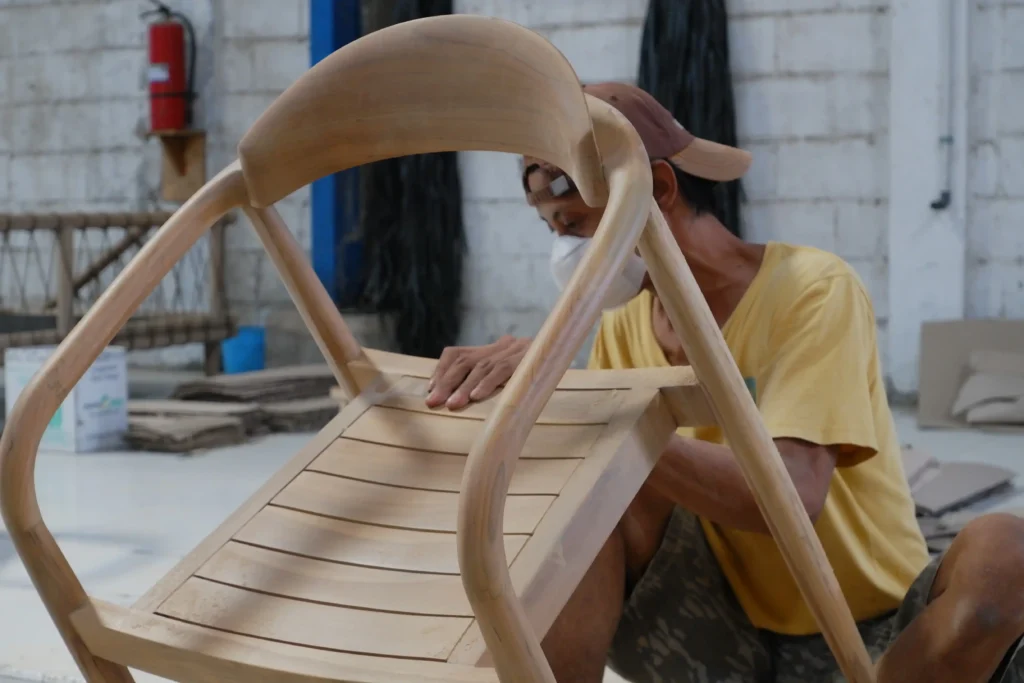
Risk reduction starts with manufacturer selection. Not all Indonesian furniture suppliers operate at the same level of professionalism or capability.
1. Choosing Experienced and Export-Ready Manufacturers
Manufacturers who regularly serve international retail clients understand documentation requirements, quality expectations for different markets, and communication practices that prevent misunderstandings.
They've made mistakes already with other clients and built systems to prevent recurrence.
Look for manufacturers with documented quality control processes, in-house kiln drying capabilities, and established export logistics partnerships.
For guidance on evaluating manufacturers properly, our article on Indonesian furniture manufacturers and 3 key factors breaks down what to assess.
2. Establishing Clear Approval and Sampling Processes
This means detailed technical drawings, material samples, finish samples, and prototype approval before any production begins.
Don't skip the prototype stage just to save time or money. A prototype reveals construction issues, finishing challenges, and specification gaps that aren't visible in drawings or descriptions.
The cost of a prototype is minimal compared to correcting problems across a full production run.
Document everything in writing. Approved samples, material specifications, dimension tolerances, finishing standards, timeline agreements, pricing terms, and payment schedules.
Verbal agreements dissolve when problems arise. Written documentation provides clarity and accountability.
3. Ongoing Communication and Progress Updates
Schedule regular check-ins during production. Request progress photos at key milestones. Ask questions when something seems unclear.
Manufacturers who resist providing updates or become defensive when you ask for progress are raising red flags.
Reliable partners welcome client involvement because they understand it leads to better outcomes for both parties.
Build relationships, not just transactions.
When manufacturers see you as a long-term partner rather than a one-time order, they prioritize your projects differently. They're more transparent about challenges and more flexible when issues arise.
Partnering with the Right Indonesian Furniture Manufacturer to Minimize Furniture Sourcing Risks
The manufacturer you choose determines which risks you'll face and how effectively they'll be managed.
At MPP Furniture, we've spent 20+ years helping furniture retailers worldwide navigate these exact challenges.
Our 16,000 m² production facility houses complete manufacturing capabilities, from kiln drying to final finishing, enabling us to maintain quality control at every stage.
When we control our material sourcing, drying processes, production systems, and quality checks internally, fewer variables can drift out of specification.
Our 200+ in-house craftsmen work from documented processes and quality standards developed specifically for international retail clients.
We understand what ‘retail-ready’ means in different markets because we've shipped to retailers across the US, Dubai, Australia, Spain, and beyond.
We don't promise zero problems. Manufacturing complex products always involves challenges.
What we do promise is transparent communication, systematic quality control, and rapid problem resolution when issues emerge.
Whether you need ready-made collections that reduce timeline risk or fully custom ODM/OEM services for unique retail concepts, we structure our processes to minimize the risks that typically plague overseas furniture sourcing.
👉 Want to reduce your sourcing risk? Start a conversation with us about your specific furniture needs and concerns.
Email: sales@mppfurniture.com
WhatsApp: +62 821-4630-5858

A passionate writer with 2+ years of experience in SEO who turns complex ideas into informative & helpful content. I share the challenges & important considerations when preparing a global furniture project, hoping to help MPP Furniture’s readers make more informed business decisions.

0 Comments