When listing a property, numerous vendors concentrate on the major features, such as newly painted walls, enhanced curb appeal, or the condition of the kitchen appliances. However, the state of the furniture is one frequently disregarded factor that can subtly determine whether a sale is successful.
Even though it might not seem like much, the furnishings that fill a space act as a visual representation of the lifestyle potential of a property. High-quality, well-maintained furniture helps buyers transition from seeing a house to envisioning a future by serving as a bridge between an empty building and a dream home.
And the article below will give you tips furniture care.
Why Is Furniture Care Important in Property Selling?
When selling a property, it is important to understand that the physical structure is only half of the equation. The second component is the narrative you present to potential buyers.
In this context, furniture care is not just about aesthetics; it is a strategic marketing tool that directly influences how buyers perceive the value, maintenance, and lifestyle potential of your home.
Furniture can serve as an indicator of the overall condition of a home. When a prospective buyer observes a sofa with visible stains or a dining table with deep scratches, they may subconsciously infer a degree of neglect onto the property itself.
By using well-maintained, appropriately sized pieces, you illustrate to buyers how a "flex room" can be transformed into a productive home office or how a narrow living area can still accommodate a full-sized entertainment setup.
Basic Tips Furniture Care for Daily Maintenance
Maintaining the beauty and integrity of your furniture doesn't always require professional deep cleaning. It is often the consistent, minor routines that serve to avert long-term impairment and ensure that your residence looks listing-ready at all times.
Here are some basic tips furniture care and routine maintenance that you can do:
Regular Dusting
Dust is abrasive as well as being an eyesore. Over time, micro-particles can create tiny scratches that dull the finish of wood and metal. Use a microfiber cloth or a lint-free soft cloth to wipe off the dust once or twice a week.
It is recommended that dry dusting not be carried out on high-gloss surfaces, as this can result in particles being dragged across the finish. It is often safer to use a slightly damp (not wet) cloth.
Strategic Sun Protection
UV rays are the silent enemy of furniture, causing fabrics to fade and wood finishes to crack or discolor (oxidation). To protect your furniture, position sensitive pieces, such as leather sofas or antique wood tables, away from direct sunlight.
To optimise the level of natural light whilst maintaining adequate levels of brightness within the room. The tips furniture care you can consider are the use of sheer curtains or UV-blocking films for your windows.
Keep Moisture Away
Moisture is the primary cause of damage to furniture, often resulting i;/n mold, warped wood, and rusted metal. Regardless of whether you reside in a tropical climate or are confronted with a humid rainy season, safeguarding your investment necessitates a proactive strategy to ensure optimal air quality and positioning.
To prevent this from happening, you can occasionally leave wardrobe doors and drawers open for a few minutes. It’s to allow any trapped humid air to escape. You can also use ceiling or pedestal fans to keep the air moving, which prevents dampness from sitting on any surfaces.
Extending the lifespan of furniture does not require expensive equipment or professional services monthly. You can do these three simple habits to prevent any damage to your furniture.
Tips Furniture Care for Wooden Furniture
Wooden furniture is a timeless investment that, if treated with care, can last for generations. However, wood is a 'living' material that reacts to its environment, including the air, light, and cleaning products it is exposed to.
To ensure the long-term preservation of your wooden heirlooms, please adhere to the following specialized care guidelines:
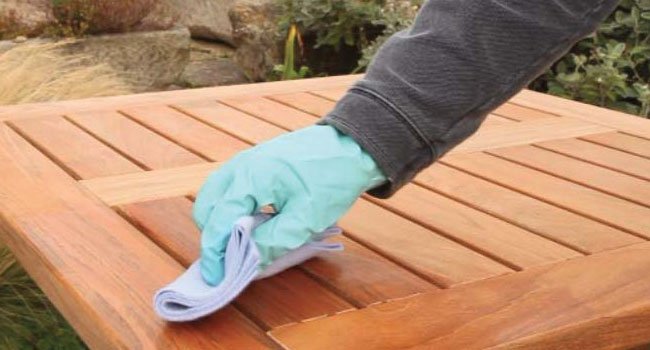
Polishing and Protecting Wood Surfaces
Polishing and protecting wood surfaces is a vital step in the process of transforming a piece of furniture from a functional object into a lasting centerpiece. While polishing serves to remove daily grime and restore a temporary, luminous glow, protecting involves creating a resilient barrier against environmental hazards like humidity, heat, and UV rays.
By applying high-quality beeswax or specialized oils, you can seal the wood's pores, preventing drying out and cracking while hiding minor imperfections. This proactive care enhances the wood's natural depth and builds a "shield" that guards against accidental spills and scratches, ensuring it remains vibrant and sturdy.
Avoiding Scratches and Water Stains
To avoid scratches and water stains, it is essential to implement a combination of proactive defenses and rapid response habits. To prevent physical damage to your wood, consider using felt pads under decorative objects and lifting items instead of dragging them across the surface.
Water stains, which often appear as "white rings," occur when moisture becomes trapped in the finish. To fix this, you need to use a liquid that can be absorbed by a soft cloth rather than rubbed. This method can prevent moisture from penetrating the wood grain.
In addition, you can use a protective layer of wax or high-quality polish to ensure that minor accidents do not turn into permanent blemishes that diminish the home’s overall appeal.
Placement Tips To Prevent Warping
The strategic placement of wooden furniture is a critical factor in preventing the structural deterioration known as warping. Wood is a hygroscopic material, meaning it naturally absorbs and releases moisture. This makes it highly sensitive to rapid temperature fluctuations and dry zones.
To maintain its shape, furniture should be positioned away from direct heat sources, as these can cause the wood to shrink unevenly and eventually crack. Similarly, avoiding placing furniture in the path of a powerful air conditioner or in direct contact with damp outer walls helps stabilise the timber's internal moisture content.
Ensure that your pieces are stored in a well-ventilated area with consistent ambient temperatures. This will allow the wood to remain "balanced," preserving the flat surfaces and tight joints that define high-quality craftsmanship.
Upholstered Furniture Care Tips
Upholstered furniture is the "comfort soul" of a home. However, because it is made of porous fabrics and soft fibers, it attracts dust, allergens, and stains like a magnet. Properly caring for your sofas, armchairs, and ottomans is essential for hygiene and maintaining the tailored look that makes a room feel premium.
Cleaning Fabric VS Leather Furniture
Proper care of fabric and leather furniture necessitates a distinct approach, tailored to the unique characteristics of each material. Fabric is an absorbent material that traps dirt and odors within its fibers.
In contrast, leather is a non-porous skin that needs to maintain a delicate balance of natural oils to prevent it from becoming brittle.
Here are the differences between fabric and leather furniture:
| Feature | Fabric Furniture | Leather Furniture |
| Primary Clean | Removing deep-seated dust & odors | Maintaining moisture & pH balance |
| Weekly Task | Vacuuming with an upholstery tool | Dusting with a dry microfiber cloth |
| Stain Reaction | Absorb instantly (difficult to wipe) | Repels initially (easy to wipe) |
| Biggest Risk | Water stains, pilling, odors | Cracking, fading, and drying out |
While cleaning fabric furniture, you’d better see the manufacturer’s label that you can find under the seat cushions. Using the wrong liquid can cause permanent damage.
As for leather furniture that is sensitive to chemicals, you can use a pH-neutral leather cleaner or a damp cloth with mild soap. And don’t forget to dry it immediately after cleaning.
Removing Odors and Stains Safely
When it comes to fabric furniture, the goal is to solve the problem without damaging the delicate fibers. Since fabric is highly porous, liquids and odors are trapped deep within the upholstery. This requires a systematic approach to safely reach the root of the issue.
You can use some of these methods to fix it:
- Baking powder: generously apply a layer of dry baking soda to the entire surface of the sofa or armchair. Allow the air to sit for at least 20 to 30 minutes (or overnight for heavy odors). Then, use the upholstery brush attachment to vacuum it up. This will remove the soda particles, which have absorbed the scent molecules, as well as loosen light surface dust
- The right cleaning liquid: always check your cleaning tag before applying any cleaning liquid. Lightly mist the stain (don’t soak it), then blot it with a clean microfiber cloth from the outside of the stain toward the center to prevent spreading
- Steam it away: if your fabric is okay with a steamer (you can check the label), you can use a handheld steamer to kill bacteria, dust mites, stains, and remove odors without using harsh cleaning liquid
Keeping Sofas and Chairs Fresh for Home Viewings
Ensuring that sofas and chairs are well-maintained for home viewings is essential for creating an immediate, positive emotional connection with potential buyers. To begin, please ensure that each piece is structurally sound.
This means that the cushions should be fluffed, the seat pads should be rotated to eliminate any sags, and a lint roller should be used to remove all traces of pet hair or fibers.
Add a touch of staged comfort by artfully draping a fresh throw blanket or arranging plush accent pillows. These small details mask minor wear and tear and invite prospective buyers to imagine themselves relaxing in a meticulously maintained, deeply inviting space.
Tips Furniture Care Before Listing on a Home Selling Platform
Before listing your home on a real estate platform, it is essential to transition from a focus on basic maintenance to a more impactful approach to visual staging. For example, for wooden pieces, use a high-quality polish to buff out micro-scratches and eliminate dullness. This will ensure that they catch the light beautifully in photographs.
For upholstered items, a professional steam cleaning or thorough de-linting is essential to remove any dust or pet hair.
When treating your furniture as a featured asset rather than just background decor, remember to convey to buyers that the property has been managed with a high standard of excellence.
Next, if possible, please indicate which furniture should be displayed and which should not. Following that, the furniture should be rearranged to create an aesthetically pleasing visual effect.
Therefore, when photographing furniture, it is essential to ensure that the resulting images are of the highest quality, as they are crucial for convincing potential buyers.
Tips Furniture Care for Sellers and Buyers of Property Near You
The real estate market moves at a different pace and with a higher set of expectations in strategic areas, such as central business districts, transit hubs, and upscale urban pockets. In these prime locations, well-maintained furniture is more than just decor. It significantly impacts the valuation and speed of a transaction.
From the seller's perspective, strategic location does not only represent the sale of property. But also the sale of efficiency and status. When a property is located near a city's core, buyers are often busy professionals who value the convenience of being able to move in and start enjoying their new space right away.
From the buyer’s perspective, well-maintained, appropriately scaled furniture helps them to understand how a compact, urban floor plan can function as a high-end lifestyle space.
Sell and buy property near you is not just about the location. Buyers are often interested in the property's resale or rental potential. A residence that is well-maintained and equipped with quality furnishings is often seen as a low-risk investment, which can encourage potential buyers to make a substantial financial commitment.
For homeowners and long-term investors alike, furniture care is much more than a chore. It's a way to protect your assets. In real estate, the interior's condition often indicates a property's overall health and the owner's attention to detail.
Common Furniture Care Mistakes to Avoid
Even with the best intentions, there is a possibility that the lifespan of our favorite furniture may be inadvertently reduced. It is crucial to understand not only the appropriate techniques but also what actions to avoid.
To ensure your home maintains its optimal appearance, it is essential to avoid common furniture care mistakes. Such as:
Over-cleaning with Harsh Chemicals
Many homeowners use multipurpose sprays or "extra-strength" cleaners on every type of mess. However, products containing ammonia, bleach, or high alcohol content can strip the protective coatings from wood and leather.
To avoid any more damage to your furniture, just stick to pH-neutral cleaners or a simple mixture of mild dish soap and water.
Ignoring Minor Damage
Property owners should be aware that ignoring minor damage is one of the most common and costly mistakes they can make. A minor aesthetic issue can potentially develop into a structural failure or a significant visual concern that could impact the overall value of your property in the eyes of a buyer.
Use only a microfiber cloth to clean any dust. To prevent any scratches, use pads on the bottom of everything that sits on a hard surface. This will prevent drag scratches when items are sifted.
Poor Furniture Placement
However, many people often neglect to consider the direct exposure of heat, light, and air to their furniture. If left unchecked, this can result in minor damage that may become permanent over time.
For example, placing a beautiful leather sofa right in front of a window where sunlight enters can damage its surface. To fix it, you can use curtains, UV-blocking films, or maintain a safety gap between the furniture and heat sources.
Well-maintained Furniture Increases Resale and Investment Value
The meticulous care of your furniture can serve as a subtle yet compelling representation of the overall quality of your property. In a competitive real estate market, pristine furnishings are more than just a nice addition to a room; they build buyer confidence, justify premium pricing, and transform a physical structure into an aspirational lifestyle.
By addressing any visual distractions, such as scratches, stains, or wear, you create an environment that allows prospective buyers to focus on the home's potential, fostering an emotional connection that is essential for a swift and successful closing.
Investing time in these minor maintenance details today will ensure that your property stands out as a well-loved, turnkey investment that is ready for its next chapter.
To optimize the visibility of your property, consider utilizing a home-selling platform that can reach a more extensive audience. Ready to get your home listing-ready? Don’t let your hard work go unnoticed showcase your pristine home to the right buyers!

A passionate writer with 2+ years of experience in SEO who turns complex ideas into informative & helpful content. I share the challenges & important considerations when preparing a global furniture project, hoping to help MPP Furniture’s readers make more informed business decisions.

0 Comments