Mahogany wood furniture does not reach its mature color right away. In most indoor furniture, early color warmth may appear within the first 6 to 12 months, while a richer reddish-brown tone develops over the first few years.
From a manufacturing perspective, we often find that mature mahogany timber can show a warmer and deeper red-brown base tone than younger timber. However, the final appearance still depends on the species, growing conditions, drying process, and finishing method. This is one reason many buyers associate mahogany with a rich, warm appearance. After the wood becomes furniture, its color can continue to mature gradually through indoor light exposure, oxygen, finishing, and daily use.
For furniture retailers, this matters because customers may compare a new delivery with an older showroom sample and wonder why the tone looks different. When your sales team understands mahogany wood patina, they can explain the change with more confidence and reduce confusion after purchase.
What Is Patina in Mahogany Furniture?
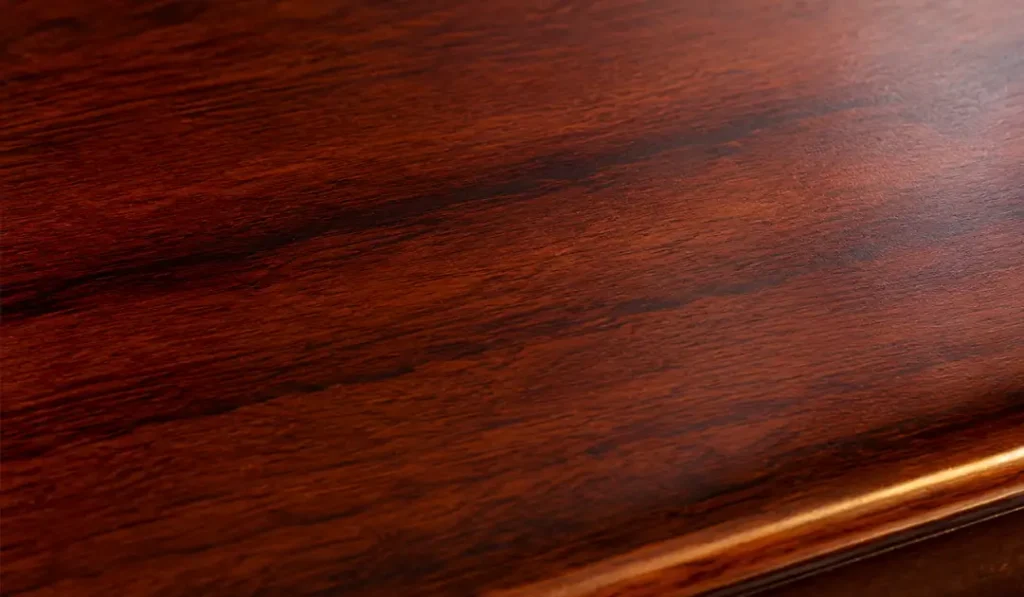
Patina is the natural visual change that appears as wood ages. In mahogany furniture, patina often means the color becomes warmer, deeper, and more settled over time.
This change happens because mahogany reacts to light, oxygen, finish, indoor air, and daily use. The wood does not change all at once. It matures slowly, which is part of the appeal of solid mahogany furniture.
Patina is not the same as damage. A smooth and even color shift is normal. But patchy fading, peeling finish, cloudy coating, or rough surface texture may point to poor care, direct UV exposure, or weak finishing.
This is why mahogany wood characteristics matter for retailers. Mahogany is known for its fine grain, smooth texture, warm reddish-brown tone, and strong finishing response. These traits make it attractive for premium indoor furniture, especially when the customer wants long-term visual value. MPP’s material reference also explains that mahogany can develop warmer reddish-brown hues through natural oxidation and ambient light exposure in a controlled indoor setting.
How Long Does Mahogany Patina Take to Develop?
Mahogany patina develops in stages. The exact timing depends on the wood, finish, lighting, room condition, and how the furniture is used.
| Time Frame | Periode | What Buyer May Notice |
|---|---|---|
| 1 - 6 | Month | Slight warmth or early tone shift |
| 6 - 12 | Month | More visible reddish-brown depth |
| 1 - 5 | Years | Richer and more even surface maturity |
| Decade | Years | Deeper aged character and stronger visual depth |
The First 6 to 12 Months
Based on MPP Furniture’s production experience, we once worked with a French buyer who wanted mahogany furniture with a warmer tone. We explained that finishing can create the requested color direction from the start, but natural mahogany patina still needs time to develop.
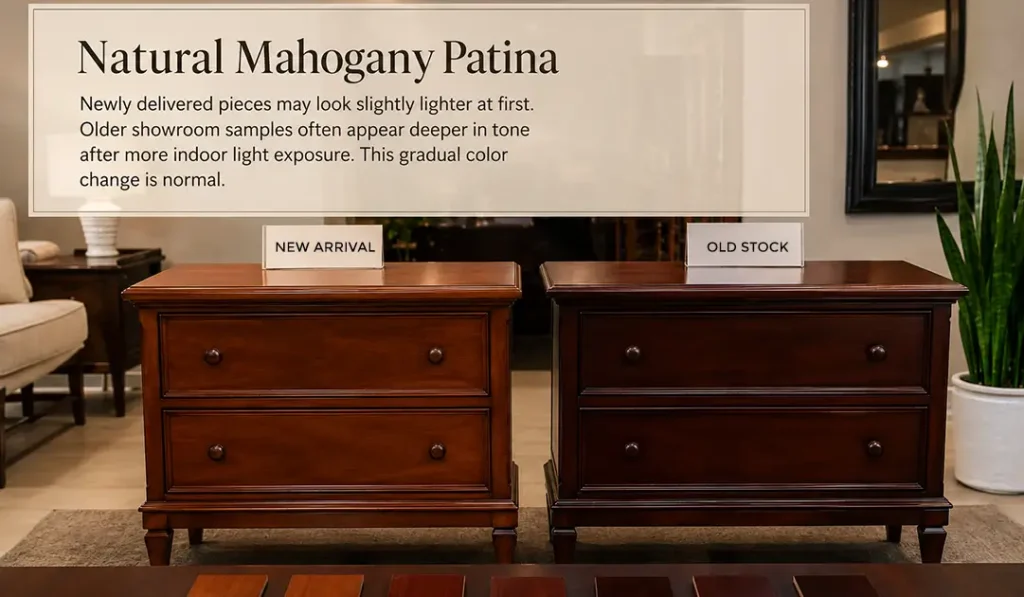
During the first 6 to 12 months, new mahogany furniture may start to look warmer and more settled, especially in a normal indoor space with soft natural light. A fresh piece may look slightly lighter at first, particularly if it has just left the factory or warehouse.
This does not mean the product is unfinished or low grade. It means the wood is still starting its visual aging process. Retailers should be careful when placing new stock beside older display pieces because a showroom piece that has been exposed to indoor light for one year may look deeper than a fresh shipment.
The First Few Years
The first few years are when mahogany furniture usually gains a more balanced tone. The reddish-brown color becomes richer, and the surface looks more settled.
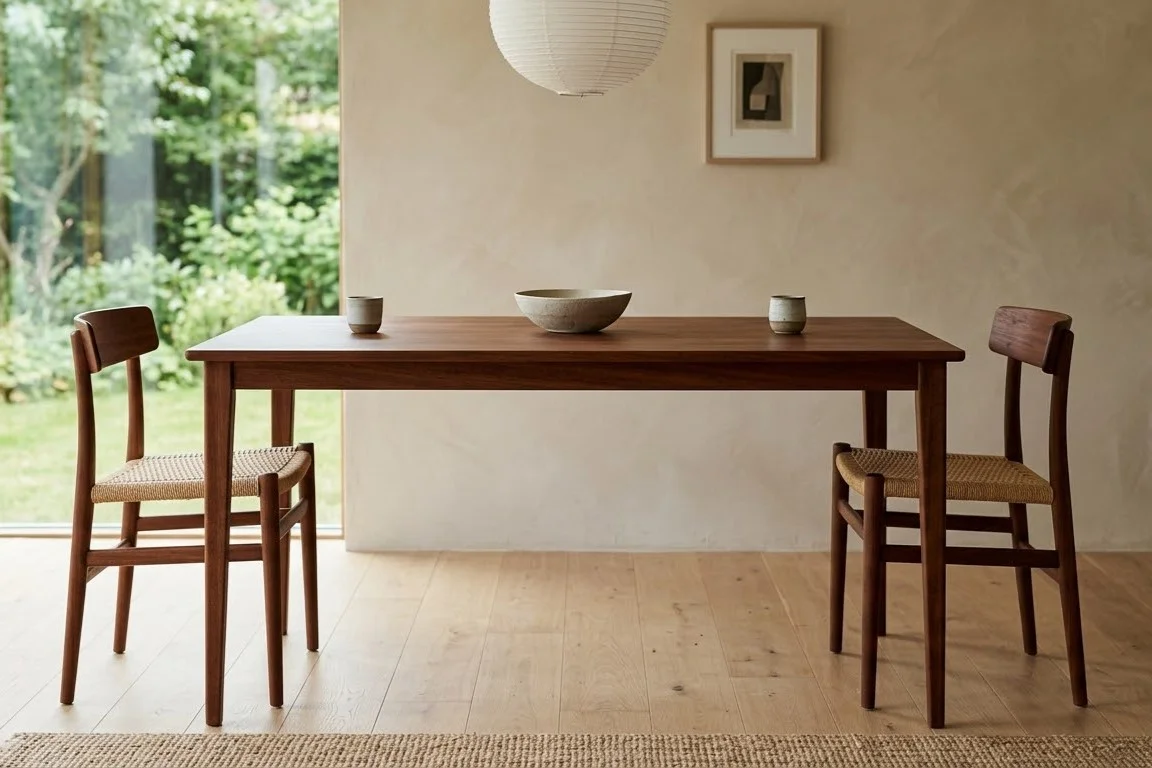
Large pieces such as dining tables, wardrobes, desks, and cabinets may show this more clearly because their wide surfaces receive more light. Finish also affects the result. A clear finish may show natural color movement more openly, while a darker stain can make the change less obvious.
For retailers, this is a helpful point during the sales process. Mahogany wood furniture is not only sold for how it looks on the first day. It is also valued for how it matures in a home, hotel, office, or showroom over time.
After Decades of Use
After decades, mahogany can develop deeper visual character. This aged look is one reason many buyers connect mahogany furniture with premium interiors and heirloom-style pieces.
Still, no two pieces age in the exact same way. Grain pattern, finish type, light exposure, humidity, and daily care all shape the final appearance. So it is better to explain patina as a natural range of color maturity, not as a fixed color promise.
Why Mahogany Changes Color and What Factors Affect It
Mahogany wood color change is natural, but the final look depends on several factors. Retailers who understand these factors can explain product variation more clearly to customers.
Oxidation happens when wood reacts with oxygen in the air. Combined with indoor light, this reaction helps mahogany develop warmer tones over time. Soft indoor light usually supports gradual maturity. Direct sunlight is different because strong UV exposure can fade the surface, weaken the depth of color, or create uneven areas. MPP’s existing mahogany material article also notes that direct UV exposure can bleach mahogany and affect its rich patina.
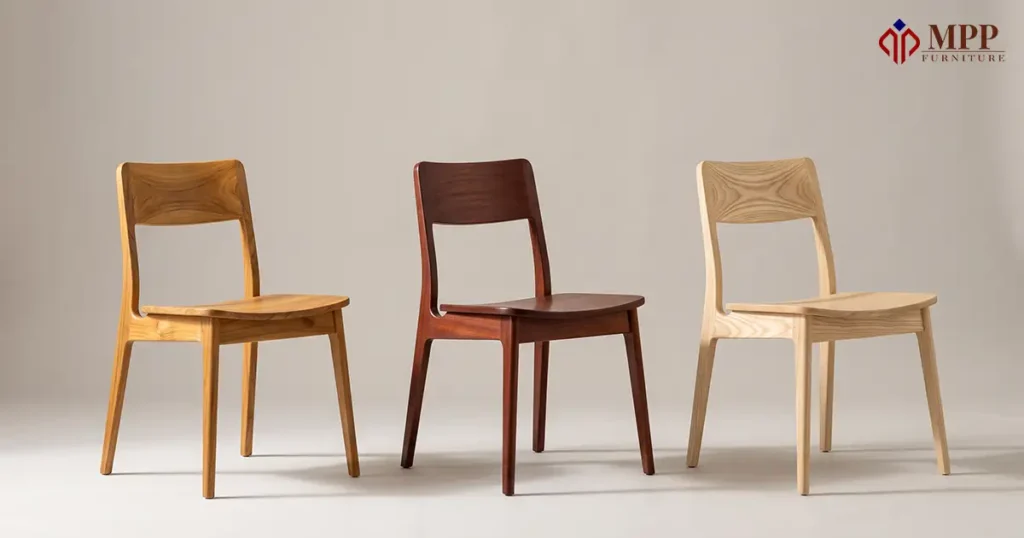
A mahogany wood finish can guide how color develops, but it cannot fully stop natural aging. Clear coats, stains, lacquers, oils, and protective topcoats all affect how visible the change becomes. A well-applied finish helps the tone look more balanced across large surfaces, while a poor finish may create uneven absorption, cloudy areas, or visible mismatch between panels.
Humidity and temperature also matter. Mahogany is best used in stable indoor spaces. Extreme heat, high humidity, and sudden room changes can place stress on the wood and finish. Customers do not need a perfect room, but they should keep mahogany furniture away from wet walls, outdoor exposure, strong heat sources, and long direct sunlight.
Daily use also shapes patina. Hands, cleaning cloths, tableware, lamps, vases, books, and decor items can affect how the surface receives light and contact. During the first year, customers should rotate decorative items on tabletops and shelves to reduce strong light and dark marks in one area.
Is Mahogany Wood Color Change a Defect?
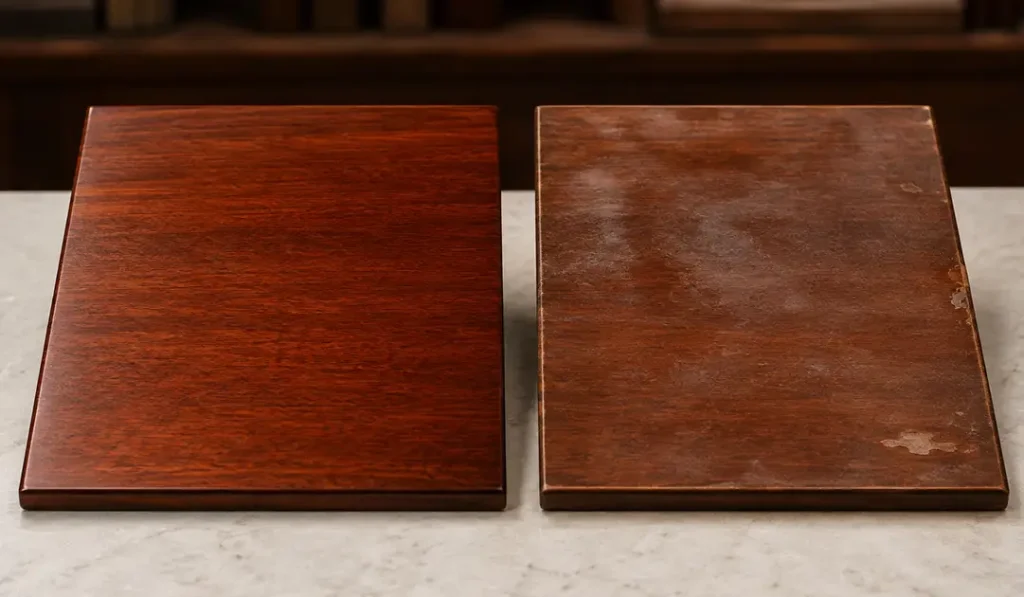
Mahogany wood color change is not a defect when it happens gradually and evenly. It is part of the natural aging process of the material.
A defect is more likely when the surface shows peeling, blistering, sticky coating, rough patches, sharp color mismatch, or cloudy finish. Those problems may relate to poor finishing, wrong storage, harsh cleaning, or strong UV exposure.
Retailers can use this simple rule: even warmth is normal, uneven damage needs checking.
This distinction helps protect the selling journey. Customers may worry when their furniture looks slightly warmer after several months. A clear explanation can turn that concern into a value point: the wood is maturing as expected.
What Retailers Should Explain to Customers About Mahogany Patina
Retailers do not need to use heavy material terms. Customers need a clear and honest explanation before they buy.
Based on MPP Furniture’s experience, retailers can explain it this way: “Mahogany furniture naturally changes color over time. Freshly delivered furniture may have a softer initial tone, then develop a warmer reddish-brown color as it reacts with indoor light and air. This is normal and part of the wood’s long-term value.”
Also explain that showroom samples may look darker than newly delivered stock because they have been exposed to indoor light for longer. For display and care, keep mahogany furniture in a cool indoor area, avoid long direct sunlight exposure, and use placemats, coasters, or soft pads to reduce direct friction on tabletops during the first few months.
Why Source Mahogany Furniture from a Manufacturer That Understands Wood Behavior
Mahogany patina starts with the material, but the final result depends on factory control. Drying, sanding, color matching, finishing, inspection, and packaging all affect how the furniture looks when it arrives at the retailer. Furniture production also involves material procurement, kiln drying, cutting, machining, joinery, sanding, finishing, and quality inspection, so finish consistency is not just a surface-level matter.
This is why sourcing from an experienced Indonesian mahogany furniture manufacturer matters. Retailers need a supplier that understands how mahogany behaves before, during, and after production, especially when finish tone, color consistency, and repeat orders affect customer satisfaction.
At MPP Furniture, mahogany furniture is made through skilled handwork, advanced machinery, and strict inspection at each production stage. With 20+ years of manufacturing experience, 200+ skilled craftsmen, 99% client satisfaction, and a 0.56% complaint ratio, MPP helps B2B buyers plan the right finish tone, showroom look, and product line for their market. For custom, OEM, private label, or retail collection projects, MPP also supports free consultation, free product development, and custom design services.
Final Thoughts: Mahogany Patina Is a Long-Term Visual Value
Mahogany patina is not instant. The first 6 to 12 months may bring early warmth. The first few years often create a richer reddish-brown tone. Over decades, the furniture can develop deeper visual character.
For retailers, this is not just a material fact. It is a sales education point. When customers understand mahogany wood color change before they buy, they are less likely to see natural aging as a problem.
In short, mahogany wood furniture becomes more meaningful when its visual maturity is explained well. The right manufacturer can help you manage finish expectations, production consistency, and customer education from the start.
Planning a mahogany furniture collection for your retail market? Talk with MPP Furniture about finish options, color expectations, custom design, and export-ready production.
Ready to Plan Your Mahogany Furniture Collection?
Mahogany furniture is not only about its first look. The right material, finish, and production control help its color mature beautifully over time while supporting customer trust and retail value.
FAQs : About Mahogany Wood Furniture Patina
1. How long does mahogany take to develop patina?
Mahogany can show early warmth within 6 to 12 months. A richer reddish-brown tone usually develops over the first few years, while deeper patina forms over decades.
2. Does mahogany furniture get darker with age?
Yes. Mahogany furniture often becomes warmer and deeper in tone as it reacts with indoor light and air over time.
3. Is mahogany wood color change normal?
Yes. Gradual and even color change is normal. Patchy fading, peeling, or cloudy finish should be checked because it may come from exposure, cleaning, or finishing issues.
4. Can finish stop mahogany from changing color?
No finish can fully stop natural aging. A good mahogany wood finish can slow, balance, and guide the color change.
5. What should retailers tell customers about mahogany patina?
Tell customers that mahogany naturally matures over time. Its color may gradually become warmer and richer with indoor light, air, and daily use.

A versatile content creator with a strong foundation in product photography and videography, and a comprehensive brand strategy. Capable of creating engaging content to connect consumers and producers, web analytics, and engaging visual content to drive interest and growth for a product or brand.
0 Comments