People still use whitewash furniture because it creates a lighter, more flexible look that is easy to sell. But it does not work for every market. Some regions still prefer darker tones or more classic finishes.
Whitewash furniture works best in markets that favor natural textures and neutral palettes, such as the US, Australia, and hospitality projects. This is why whitewash is not just a design choice. It is a product strategy.
When used in the right market, whitewash helps products become easier to style, easier to position, and easier to sell. But when used in the wrong context, it can create a mismatch and slow down product movement.
In this guide, we will break down when whitewash finishing still makes sense, when it does not, and how to evaluate it from a manufacturer’s perspective based on real discussions with buyers and production experience in Indonesian furniture.
Is Whitewash Furniture Still Used Today?
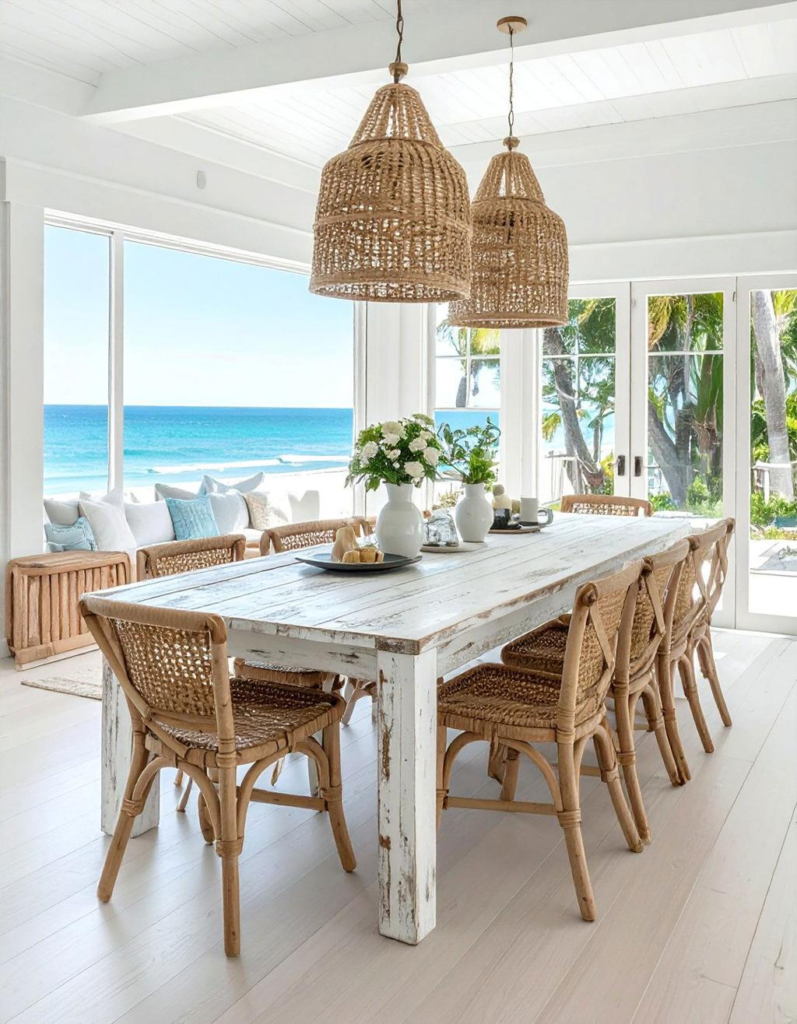
Whitewash furniture is still widely used today, both in residential and commercial settings. It is especially common in markets that prefer lighter and more natural interiors, such as coastal homes, modern retail spaces, and hospitality projects.
This demand is closely tied to global furniture consumption patterns. The United States, as the largest furniture importer based on data from UN Comtrade, plays a major role in shaping product direction worldwide.
At the same time, global trend forecasting agencies like WGSN highlight a continued shift toward natural materials, lighter finishes, and organic textures. This aligns directly with whitewash finishing, which softens wood tones while maintaining visible grain.
From a practical standpoint, this trend is clearly reflected in real buyer demand. Based on discussions with international furniture retailers, including partners from Australia, whitewash furniture continues to show consistent demand in markets such as the United States and Australia, as well as in hospitality projects that prioritize a light and relaxed atmosphere.
At the same time, whitewash is not universal. In parts of Europe, where traditional and darker tones are still preferred, whitewash may not align with customer expectations, as reflected in broader market insights from the European Commission.
In short, whitewash is still used today, but only in markets that support its visual direction.
Why Whitewash Furniture Is Still Relevant in Today’s Market
Whitewash furniture remains relevant because it aligns with how people design spaces today.
End customers are not just looking for “beautiful furniture.” They are looking for pieces that are easy to match with different materials, adaptable across styles, and safe choices for long-term use.
Whitewash helps achieve this by softening the wood tone while still keeping the natural grain visible. If you want a deeper explanation of how it works, you can read our guide on what whitewash furniture is.
This is especially important in modern interiors, where spaces are often designed to feel lighter, more open, and less visually heavy. Whitewash helps achieve this by softening the wood tone while still keeping the natural grain visible.
Because of this, many furniture retailers include whitewash in their collections. Not because it is trending, but because it is easier to sell. It works across multiple segments, reduces styling complexity, and gives buyers a safer option when they are unsure about specific market preferences.
From a commercial perspective, flexibility is everything. Furniture that is easier to combine becomes easier to:
- Display in showrooms
- Photograph for catalogs
- End customers to imagine in their own space
This directly affects how fast a product moves.
For project-based buyers, such as hospitality or property developers, whitewash also offers practical advantages. It creates a clean and consistent look across multiple units, helps maintain a cohesive design language, and reduces the risk of clashing with other interior elements like fabric, lighting, or wall finishes.
In short, whitewash is not just about style. It is about reducing friction in the buying decision, both for retailers and end customers.
When Whitewash Furniture Works Best
Whitewash furniture works best when your goal is to create flexible, easy-to-sell collections.
It is not about making a statement piece. It is about creating products that can work across different spaces without creating friction.
Best-fit scenarios
Whitewash performs well in markets and segments that prioritize lighter, more relaxed interiors:
- Coastal or beach-style markets
- Hospitality projects such as villas, resorts, and cafes
- Modern retail collections with neutral positioning
These segments tend to favor furniture that feels natural, not overpowering, and easy to combine with other elements.
Best product categories
Whitewash is especially effective for:
- Dining tables and chairs
- Bedroom furniture
- Storage units and cabinets
These are typically larger pieces, where color and visual weight play a bigger role in buyer perception.
Whitewash reduces the visual weight of wood, making products feel lighter and less dominant in a space. This makes them easier to place across different interior styles.
Why it works commercially
In practice, this is why many Indonesian furniture collections today include whitewash as a core finishing option, especially for markets that favor neutral and adaptable designs.
It helps them:
- Build cohesive collections across multiple SKUs
- Reduce styling risk when entering new markets
- Target multiple segments without creating too many variations
In short, whitewash works best when your priority is scalability and flexibility, not niche positioning.
When Whitewash Finishing Does Not Work
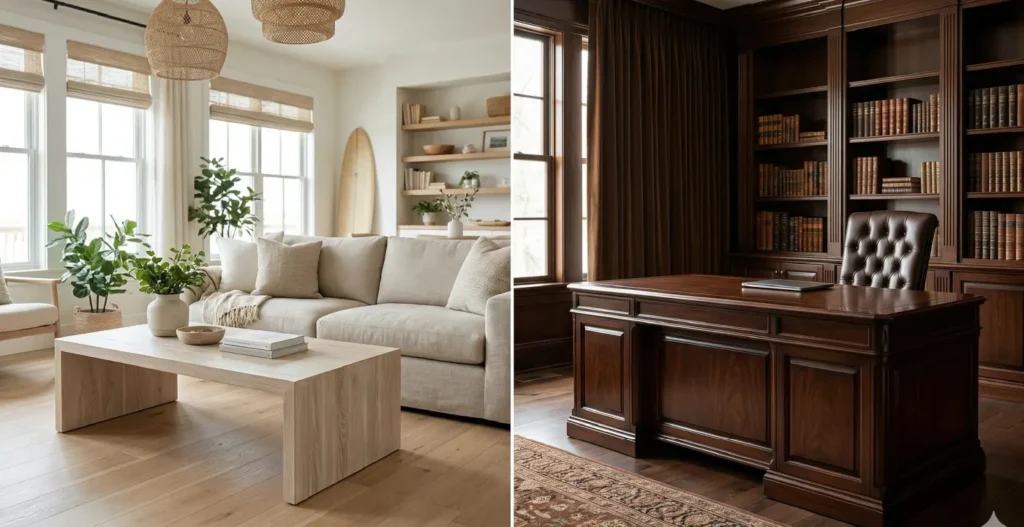
Whitewash is not always the right choice. In fact, choosing the wrong finish, especially when sourcing from an Indonesian furniture manufacturer without proper control, can cost you more than just product positioning. It can impact your sell-through rate, create product mismatch, and eventually affect your cash flow.
Here are the situations where whitewash furniture does not work.
Market Prefers Darker or Classic Tones
If your market associates darker finishes with premium value, whitewash can feel too light and less convincing.
In many cases, customers in these segments expect deeper wood tones, richer color depth, and a more formal appearance
When you introduce whitewash into this type of market, the product may look underwhelming or “too casual,” which makes it harder to sell.
Targeting High-End or Niche Premium Collections
Whitewash leans toward a relaxed, modern, and approachable look. If your positioning is high-end, luxury-driven, or niche premium, then whitewash color in furniture does not support that direction.
In these cases, finishes like weathered, smoked, or deeper natural tones often perform better because they create more character and perceived value.
Whitewash is designed for flexibility. Premium collections usually require a stronger identity, not flexibility.
The manufacturer lacks finishing control
Whitewash is not a one-step finish. It requires controlled sanding, precise pigment application, and proper sealing to achieve a consistent result.
Without a proper finishing system, the output becomes unstable. Common issues include patchy tones, uneven grain visibility, and yellowish results, especially on teak.
These problems are not just visual defects. They lead to customer complaints, rejected goods, and delayed payments, which directly impact your business and cash flow.
Whitewash vs Other Finishes: Which One Should You Choose?
To make this practical, here is a simple decision comparison:
| Finish Type | Best For | Risk | Market Fit |
| Whitewash | Light, flexible collections | Requires finishing control | US, Australia, coastal markets |
| Solid Color | Bold or modern branding | Can feel heavy or limiting | Urban, contemporary markets |
| Weathered Finish | Rustic or premium look | Niche appeal | High-end or concept-driven markets |
How to decide:
- Choose whitewash if you want flexibility and broad market appeal
- Choose a solid color if your brand needs a strong visual identity
- Choose weathered if you target a more specific, character-driven market
In short, whitewash is the safest option when you want products that are easy to position across different segments.
Why Whitewash Finishing Depends on Manufacturer Capability
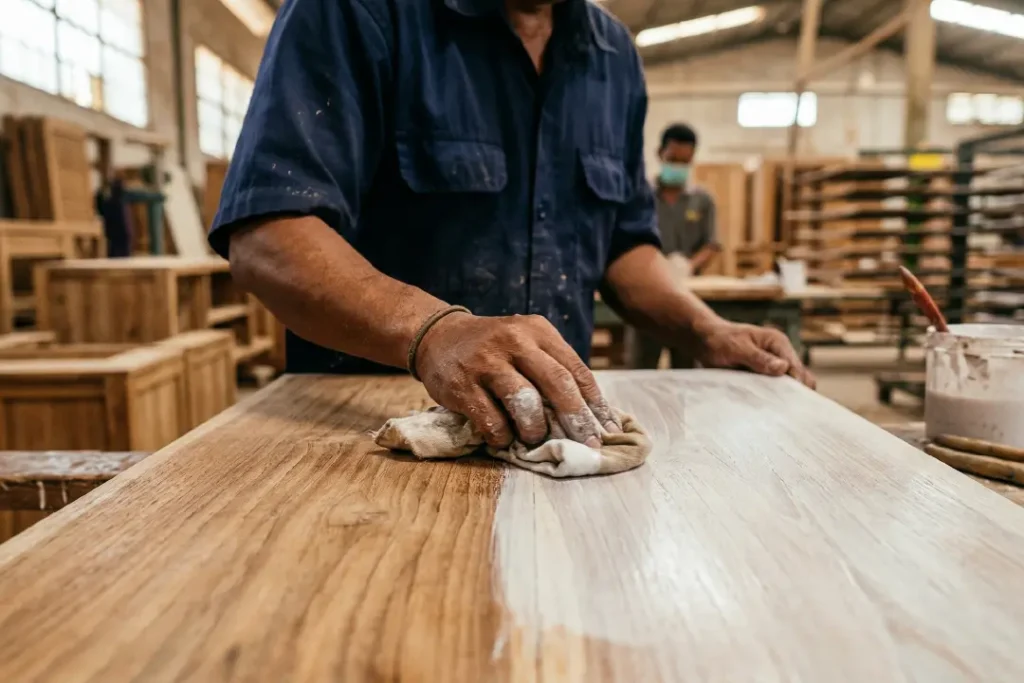
Whitewash finishing looks simple, but in production, it is highly sensitive. The final result depends on how well the process is controlled from surface preparation to final sealing.
This is why working with experienced Indonesian furniture manufacturers, MPP Furniture, matters. Not all factories apply the same level of control, especially when handling finishes that require consistency across large production volumes.
In practice, reliable manufacturers combine handcrafted techniques with controlled systems to maintain tone consistency and grain balance. Small differences in sanding pressure or wiping method can significantly affect the final appearance.
At MPP Furniture, this process is handled through in-house production and step-by-step quality control. This allows us to maintain consistent results across batches, so buyers receive products that match both the sample and expectation.
Conclusion: Is Whitewash Finishing Still Worth Using?
Whitewash finishing is still relevant, but only when used in the right context. It works well for markets that prefer lighter, more flexible designs, and for collections that need to be easy to sell across different segments.
At the same time, whitewash is not a universal solution. If your market leans toward darker tones, premium positioning, or strong design identity, other finishes may perform better.
More importantly, the success of whitewash depends not only on market fit but also on manufacturer capability. A well-controlled process delivers consistent and sellable products, while poor execution leads to defects and costly problems.
In short, whitewash is not just about choosing a finish. It is about making the right product decision, based on market direction, positioning, and the manufacturer you choose to work with.
If you are planning to develop or refine your collection, it is always better to evaluate the finish early and align it with your target market before production starts.
Planning Your Next Whitewash Collection from Indonesia?
We help buyers develop collections that match real market demand, from finishing selection to production consistency.
FAQs About Whitewash Furniture
1. Is whitewash furniture still popular today?
Yes. Whitewash furniture is still popular in markets that prefer light, natural, and easy-to-style interiors, especially in the US and coastal regions.
2. What markets prefer whitewash furniture?
Whitewash works well in the US, Australia, and hospitality projects. Some European markets may prefer darker or warmer tones.
3. What are the risks of whitewash finishing?
The main risks are uneven color, patchy results, and yellowing if the finishing process is not controlled properly, especially on oily woods like teak.
4. Is whitewash better than solid color finishes?
Not always. Whitewash is better for flexibility and a natural look, while solid colors are better for strong branding and a bold design direction.
5. When should you avoid whitewash finishing?
Avoid it if your market prefers darker tones or premium classic styles.

Hi, I’m Salman, founder of MPP Furniture, an Indonesian furniture manufacturer serving global retailers and project-based clients.
I began my career in my family’s export-oriented furniture company, gaining hands-on experience in production, construction, finishing, material performance, and product development. With a clear understanding of how international buyers evaluate furniture quality and reliability, I founded MPP Furniture to deliver export-ready products with consistent standards.
Here, I share insights from the perspective of a furniture manufacturer working directly with production teams on the factory floor, focusing on manufacturing and supplier evaluation.
Connect on LinkedIn

0 Comments