
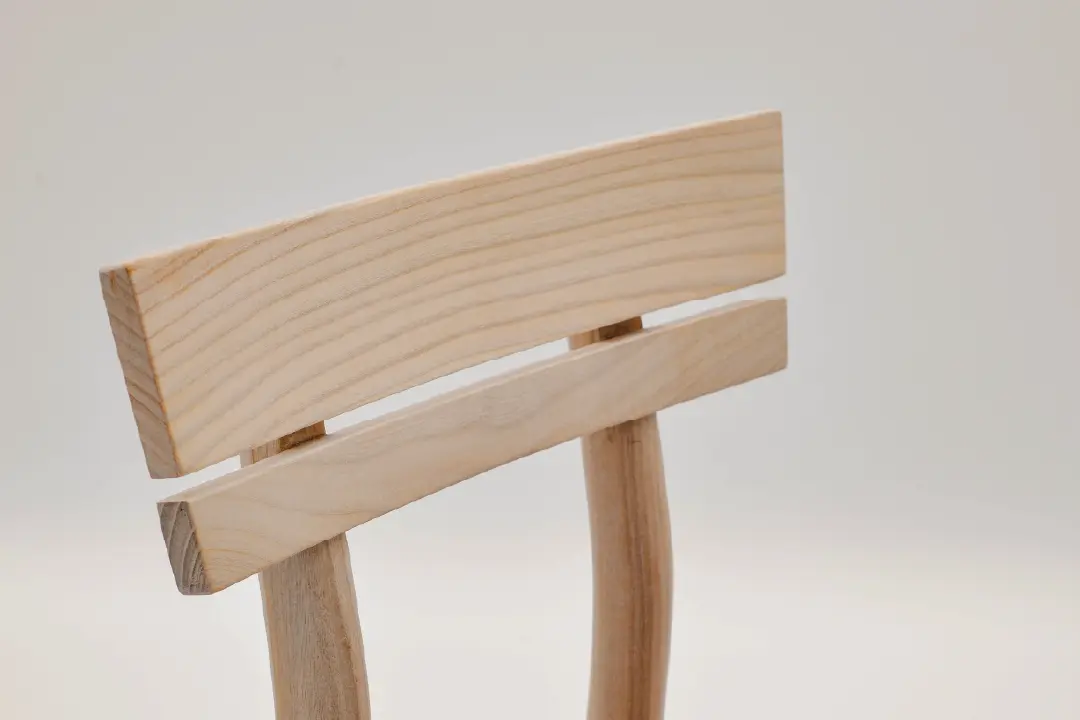
At the recent IFEX (Indonesia International Furniture Expo), our booth experienced a recurring, interesting situation. A massive number of visitors and buyers walked up to our new dining collections, ran their hands over the light, textured wood, and asked, "Is this American White Oak, or is it Ash?" We smiled every time we had to correct them. The wood they were admiring was not imported from North America or Europe. The wood was Sungkai, Indonesia's premier light hardwood.
This mix-up happens constantly in the B2B furniture industry. Sungkai wood shares striking visual and structural similarities with these famous temperate hardwoods. Because of this, the confusion actually presents a massive opportunity for smart sourcing. If you are a retailer, wholesaler, or project manager looking for an affordable solid wood alternative to White Oak, Sungkai offers the exact aesthetic your customers want at a fraction of the cost.
This means you can provide high-quality, modern designs while protecting your profit margins. In this article, we will break down exactly how Sungkai compares to Oak and Ash, and why you should strongly consider it for your next wholesale purchase.
The Breakdown: Comparing Sungkai vs. White Oak and Ash
To understand why Sungkai serves as a premier White Oak wood alternative, we need to look at its physical characteristics. Buyers actively comparing wood types for their next wholesale purchase usually look at two main factors: grain and color.
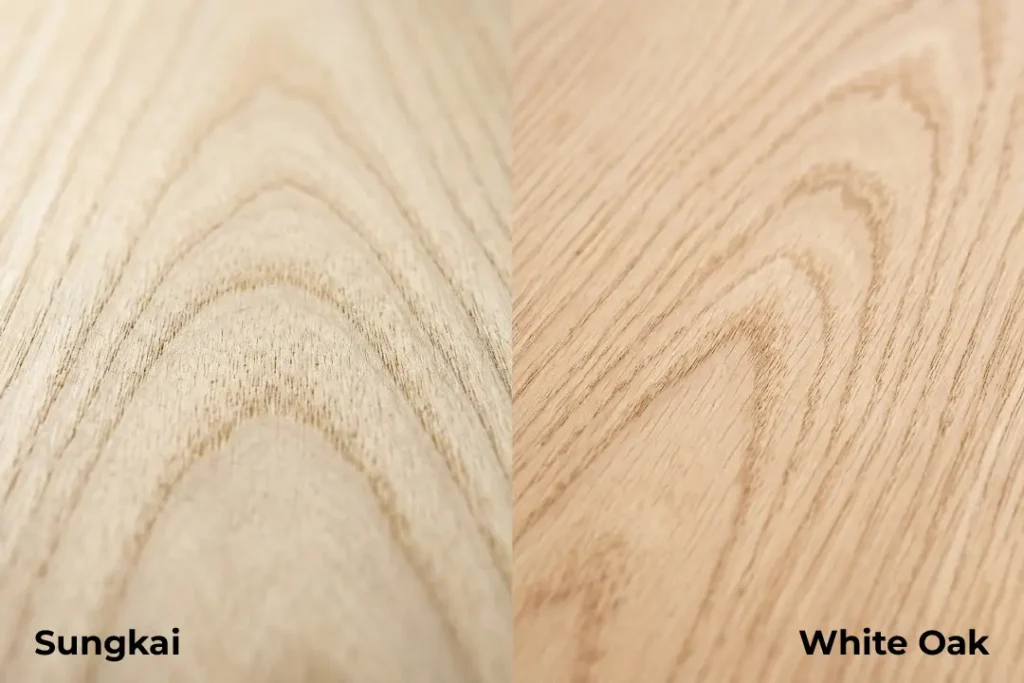
Sungkai Wood Grain vs. White Oak Texture
Sungkai features a straight, relatively uniform grain pattern. When you touch it, the wood feels slightly coarse, giving it a beautiful, natural texture that modern consumers love. We can compare it directly to White Oak, which is famous for its pronounced, wavy "cathedral" arches. Ash wood also has a wide, coarse grain, but sometimes feels too rustic for highly refined designs.
Sungkai sits perfectly in the middle. Its straight grain gives it a cleaner, more contemporary look than heavy Oak, but it retains enough natural texture to feel organic and authentic. For Indonesian hardwood sourcing, this straight grain adds massive value because it creates a consistent, high-end appearance across large production runs of dining tables and cabinets.
Natural Color Profiles: Mimicking White Oak Tones
In its raw state, Sungkai features a natural, warm, pale yellow-to-light-brown tone. The sapwood looks very light, almost white, while the heartwood appears slightly darker. This pale base explains exactly why buyers so often confuse it with White Oak.
Because the natural color stays so light, Sungkai easily mimics the highly desired raw, bleached, or natural finishes of Oak and Ash. You do not have to fight against heavy red or dark brown undertones, which present a common problem when trying to lighten woods like Mahogany or Teak. As a result, Sungkai serves as the best light wood for commercial furniture manufacturing when you want a bright, airy aesthetic.
Discover more reasons why buyers choose Sungkai wood furniture as a premium alternative to expensive temperate hardwoods.
Hardwood Properties and Factory Workability
Visuals only make up one part of the equation. For decision-makers and importers, the wood must perform well on the factory floor and in the final retail environment.
Structural Integrity for Commercial Furniture
Sungkai acts as a moderately hard and medium-weight wood. Although slightly less dense than White Oak, Sungkai possesses excellent structural integrity for indoor furniture. It holds joinery exceptionally well and resists warping when properly prepared. This makes it highly suitable for dining chairs, heavy tables, and large case goods.
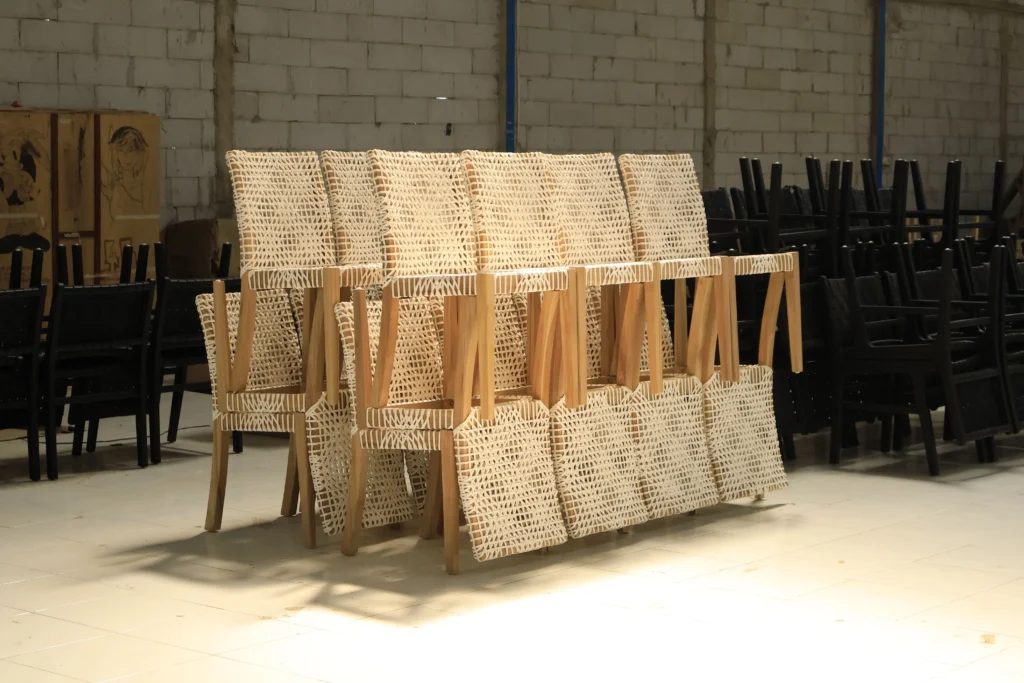
At our factory, every Sungkai product goes through expert handcrafting. We combine traditional craftsmanship with advanced machinery and strict quality control to produce high-quality furniture for B2B clients. This hybrid approach guarantees that the structural strength of the wood is maximized in every single joint and seam.
Staining Sungkai to Mimic Oak and Ash
One of the greatest advantages of Sungkai involves its workability in the finishing room. Sungkai has a slightly porous nature, so it takes stains beautifully. In our production, we mostly use a high-quality water-based finishing process. This specific technique makes the natural Sungkai grain pop up beautifully, making it incredibly easy for our finishing experts to achieve that exact "White Oak look" or "Ash wood alternative" finish.
Whether you need a whitewashed look, a natural clear coat, or a darker walnut stain, Sungkai absorbs the color evenly without blotching. Our team places a heavy focus on attention to detail, accuracy, design consistency, and finishing excellence. This dedication reflects long-term value for our business clients, meaning the container of furniture you receive will look exactly like the sample you approved.
Kiln-Drying and Moisture Content for Export
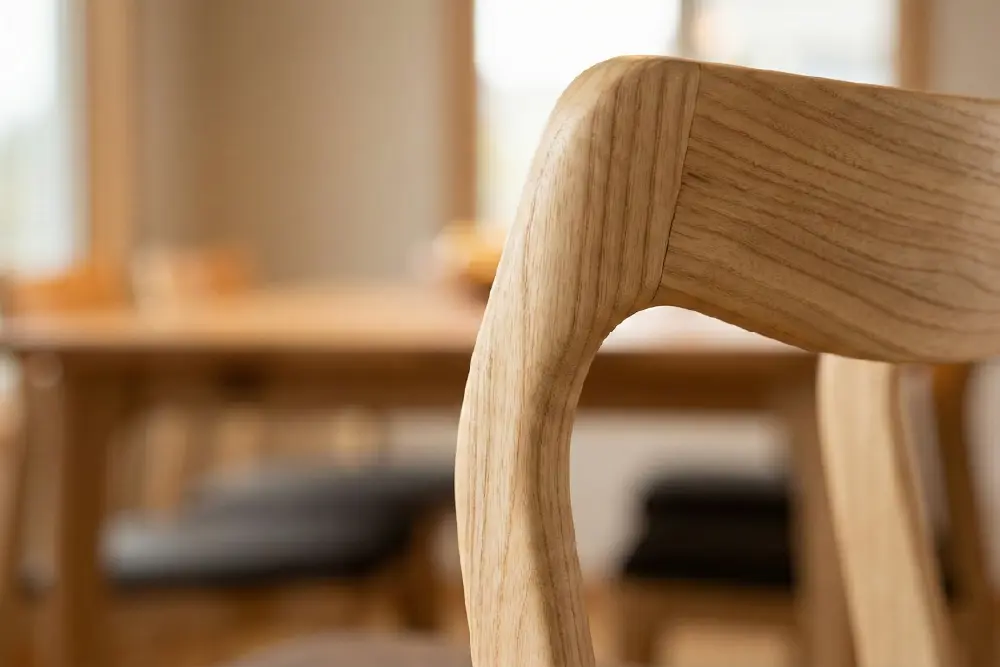
When sourcing reliable wood alternatives from Indonesia, moisture control remains the most critical factor for success. Tropical woods naturally hold a lot of moisture. If the wood is not dried correctly before manufacturing, the furniture will crack or warp when it arrives in a drier climate like the United States, Australia, or Europe.
We take this risk out of the equation through a strict preparation process:
- Rigorous Kiln-Drying: We strictly bring the moisture content down to below 12%.
- Global Standards: As outlined in the Wood Seasoning Plant expert guide on moisture content, maintaining a level between 6% and 12% represents the globally accepted standard for indoor furniture to prevent structural failures.
- Continuous Testing: We test the wood at multiple stages of production to ensure stability.
As a reliable manufacturer offering a smooth process from design to delivery, we refuse to take shortcuts in our preparation. This strict in-house production control explains exactly why we maintain a 99% client satisfaction rate and a minimal complaint ratio of just 0.56%.
SVLK Certification and Sustainable Hardwood Sourcing
Modern consumers and international customs agencies demand responsibly sourced materials. All of our Sungkai lumber complies with Indonesia's SVLK (Sistem Verifikasi Legalitas Kayu) certification system. According to Sucofindo, the Indonesian state-owned enterprise for inspection and certification, this system guarantees that the timber is legally harvested and ethically sourced under strict national law. This foundational certification provides robust traceability, serving as a crucial compliance step for strict import regulations like the US Lacey Act or the Australian Illegal Logging Prohibition Act. We maintain transparent sourcing practices to give our buyers confidence in the ethical origin of their products.
The Business Case: Why Furniture Buyers Choose Sungkai
Switching your sourcing strategy to include Sungkai serves as a smart design choice and a highly profitable business decision.
Lowering FOB Costs and Boosting Retail Margins
White Oak has seen massive price increases and material shortages in recent years. In fact, recent lumber industry reports detailing the White Oak shortage cite high demand from bourbon barrel production and labor constraints as key drivers of these skyrocketing costs. Importing North American Oak into Asia for manufacturing, and then shipping the finished furniture back to Western markets, adds high costs to your FOB price.
By substituting imported Oak with locally sourced Sungkai, you gain several financial advantages:
- Lower Initial Costs: Eliminate international timber shipping fees from your FOB price.
- Maintained Retail Pricing: The final product looks just as premium as Oak, allowing you to keep your retail price points steady.
- Higher Margins: The gap between your lowered manufacturing cost and your steady retail price translates directly into increased profit.
Read our detailed guide on sourcing cost-effective Sungkai wood furniture for price-sensitive markets to learn how to maximize your retail margins.
Reliable Supply Chains and Faster Production Lead Times
Global shipping delays can ruin a retail season. Waiting on imported North American and European species to arrive at an Asian factory slows down production before it even begins.
Sungkai provides incredible supply chain stability. Because the wood is sourced domestically within Indonesia, our factory has consistent, reliable access to raw materials. In practice, this means faster production times, shorter lead times, and a more dependable delivery schedule for your business.
Top Design Trends for Sungkai Wood Furniture
Sungkai proves highly versatile, but truly shines in specific design categories that currently dominate the global retail market.
Perfecting Japandi and Organic Modern Collections
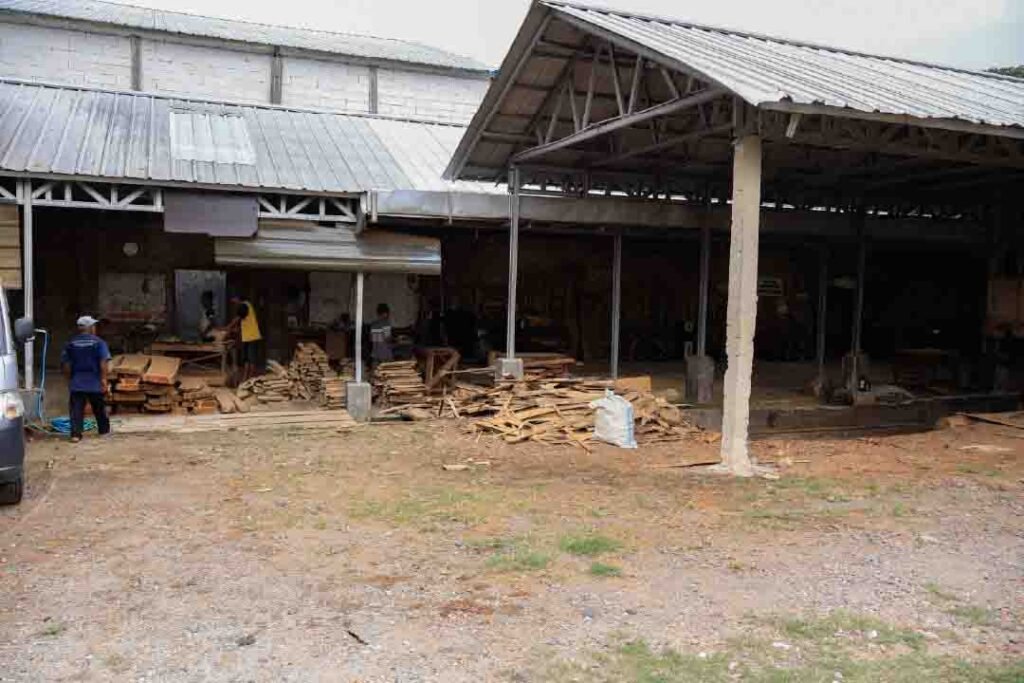
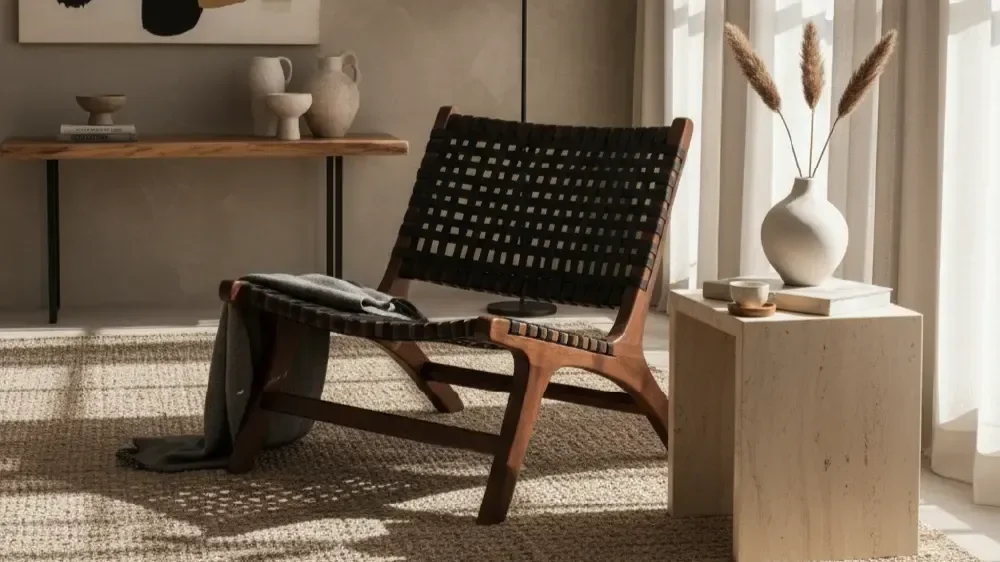
Japandi style blends Japanese minimalism with Scandinavian functionality. This aesthetic relies heavily on light woods, clean lines, and natural textures. Sungkai acts as the perfect wood for Japandi-style furniture. Its pale color and straight grain perfectly match the minimalist, nature-inspired trends that modern consumers are buying right now.
Coastal and Mid-Century Modern Furniture Appeal
Sungkai also fits seamlessly into breezy coastal collections. With a simple whitewash finish, the surface looks like driftwood, making it ideal for beachside resorts or coastal retail stores. At the same time, if you apply a warm, medium-brown stain, Sungkai's straight grain perfectly mimics the retro, clean-lined look required for Mid-Century Modern designs.
Explore exactly Why Sungkai Wood Furniture Is a Smart Option for Indoor Furniture Collections to see how these modern design trends translate into highly profitable inventory.
Conclusion: Upgrading Your Furniture Sourcing with Sungkai
Sungkai frequently gets mistaken for White Oak and Ash, but deserves recognition on its own merits. As an affordable, workable, and beautiful hardwood, Sungkai solves major supply chain and pricing problems for B2B buyers. By choosing Sungkai, you get the premium look of temperate hardwoods, higher profit margins, and faster lead times.
MPP Furniture acts as your trusted partner for an Indonesian furniture manufacturer. We support our buyers with free consultation, free new product development, and exclusive custom design services.
If you are ready to upgrade your inventory with high-quality Sungkai furniture, contact us today to discuss your next collection.
Your next best-seller might be here
Request a quotation and custom options tailored to your needs today via WhatsApp or email.
Frequently Asked Questions
Is Sungkai wood good for furniture?
Yes, Sungkai functions as an excellent hardwood for indoor furniture. This moderately hard wood holds joinery very well and features a beautiful straight grain highly sought after for modern, minimalist, and commercial furniture designs.
How does Sungkai compare to White Oak?
Sungkai shares a very similar pale yellow-to-light-brown color with White Oak. While Oak features a heavier, wavy grain, Sungkai provides a straighter, more uniform grain. Sungkai also acts as a significantly more cost-effective material for manufacturing than White Oak.
Can Sungkai wood be stained to look like other woods?
Yes, Sungkai has a slightly porous nature and absorbs stains very evenly. Factories frequently stain it to mimic White Oak, Ash, or even darker woods like Walnut, avoiding the blotching issues common in other light woods.
Is Sungkai wood suitable for outdoor use?
No, we recommend Sungkai for indoor use only. Sungkai lacks the natural oils required to withstand harsh outdoor weather, meaning you should use it strictly for indoor dining tables, chairs, cabinets, and bed frames.

I am a self-taught graphic designer with a deep passion for exploring the creative world through various tools and techniques. I have honed my skills in Adobe Illustrator, Photoshop, and Lightroom, while continuously expanding my knowledge by diving into After Effects and Premiere. Photography has become an integral part of my life, and I actively engage with it to capture moments and experiment with visual storytelling.
My fascination with color theory, histograms, and innovative design approaches drives my work, as I am always seeking new ways to push the boundaries of my creativity. From photography models and motion graphics to textures, collage, and surrealism, I am captivated by the endless possibilities in design and constantly strive to challenge myself with fresh and exciting ideas.
0 Comments