Patio furniture looks simple to source. You find a supplier, negotiate the price, approve a sample, and place an order.
Then reality hits. The bulk production looks different from the sample. The finishing starts to fade. Defects begin to appear. Customers complain, your brand reputation takes a hit, and your margin gets squeezed.
This is not just a product problem. It is a problem for a patio furniture manufacturer. If you are currently evaluating a patio furniture manufacturer, understanding how they operate is more important than comparing prices alone.
That is why this guide walks you through choosing the right patio furniture manufacturer using a practical evaluation framework based on real sourcing risks.
Why Choosing the Right Patio Furniture Manufacturer Matters
Patio furniture is different from indoor furniture. Even when placed in semi-outdoor areas, it is still exposed to environmental conditions. Sunlight, humidity changes, rain, and daily use will continuously affect the product once it reaches your customer.
Because of this, choosing the right patio furniture manufacturer becomes critical. For retailers and importers, the wrong supplier leads to:
- High return rates & replacement costs
- Delayed restocking cycles
- Declining customer trust that impacts future sales
In many cases, patio furniture failure is not caused by design or material alone. It often comes from manufacturers who lack experience in handling outdoor products.
An experienced patio furniture manufacturer will not just follow your design. They will identify potential risks early, whether in material selection, construction, or finishing, even during the sampling stage.
This means choosing a manufacturer is not just about buying furniture. It is about managing business risk.
What to Evaluate in Patio Furniture Manufacturers
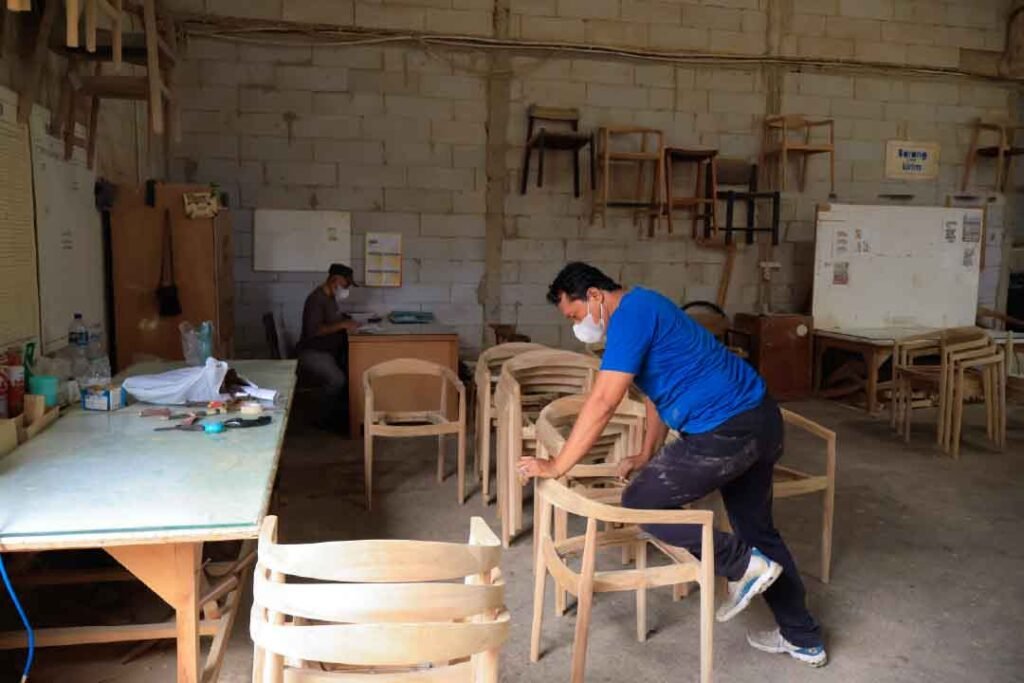
Many furniture retailers evaluate suppliers based only on the catalog, price, and sample. This is where most sourcing problems begin. That is why evaluating a patio furniture manufacturer requires a more comprehensive approach.
1. Production System: In-House vs Outsourced
Some patio furniture suppliers operate as coordinators across multiple workshops. They may outsource different SKUs to different factories or different parts of production, such as wood processing, assembly, or finishing
This is where inconsistency starts. Different sources mean different standards, resulting in variation between SKUs and production batches.
In contrast, manufacturers with in-house production offer better control across the entire process, from material preparation to final packaging.
This level of control directly impacts production consistency. In 2024, our defect rate was maintained at 0.54 percent, supported by standardized production processes and consistent quality control at every stage.
In patio furniture, consistency is not optional. It directly affects your brand in the market.
2. Material and Technical Control
Most buyers focus on what material is used. Fewer evaluate how the material is processed and controlled. This is a critical mistake.
For example, many suppliers claim to use teak. But teak itself has different grades, and not all of them are suitable for outdoor use.
If you are evaluating material options, it also helps to understand why teak is widely used for outdoor patio furniture and how it performs under long-term exposure.
Beyond material type, you need to understand moisture control, construction methods, and whether the finishing is designed for outdoor use. These factors directly affect product performance.
For example, moisture above 12% leads to cracking, poor finishing causes peeling, and weak joinery reduces durability.
Material alone does not guarantee performance. Control over the process does. In our factory, we reject wood with visible knots because it weakens the structural integrity over time. For patio furniture, we also minimize the use of sapwood, as it is less stable under outdoor conditions.
If you want a more detailed breakdown of what to validate before sourcing patio furniture, you can refer to this guide on what to check before committing to bulk patio furniture orders.
3. Experience in Export Markets
Handling local orders is very different from handling exports. Export involves longer timelines, environmental changes, and additional requirements that many suppliers underestimate.
Patio furniture manufacturers with export experience understand:
- Packaging standards such as ISTA requirements
- Climate adaptation across markets
- Compliance requirements in destination countries
More importantly, they anticipate problems before they happen.
4. Communication and Transparency
A reliable manufacturer should clearly explain their production system, show how they control quality, and be transparent about risks.
If a supplier cannot explain how they work, it becomes difficult to trust the consistency of their production. In practice, transparency also means keeping buyers informed throughout the process.
For example, at MPP Furniture, we provide regular production updates to our buyers as part of our commitment to transparency and a smoother sourcing experience.
Clear communication reduces uncertainty and helps prevent misunderstandings during production.
Common Mistakes When Choosing Patio Furniture Manufacturers
Many sourcing problems follow the same pattern. Here are the most common mistakes.
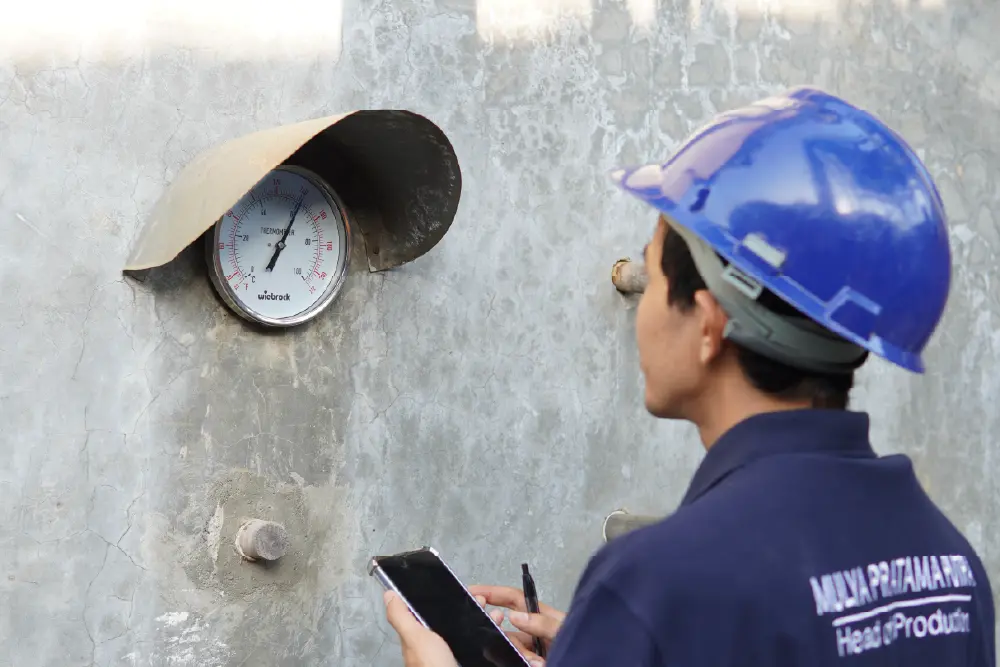
1. Focusing Only on Price
Patio furniture is a long-term product that requires proper outdoor-grade materials and construction.
If the price is significantly lower, something is usually reduced, like material quality, construction standard, finishing system, and production control
These shortcuts may not be visible at the beginning, but they show up after the product reaches the market. The result will be higher return rates, replacement costs, and customer complaints. What looks cheaper upfront often becomes more expensive over time.
For example, when a supplier offers prices far below market level, it is important to evaluate more deeply:
- What material is actually used?
- How is the construction built?
- How is the production system managed?
Because in patio furniture sourcing, lower cost often means higher risk.
2. Relying on Samples Without Evaluating Production
During sampling, manufacturers usually assign their best craftsmen. The process gets extra attention, tighter supervision, and more time per piece. That is why samples often look perfect.
But mass production works differently. It involves multiple workers, repeated processes, lead time, and cost pressure
Without a controlled production system, quality can drop when scaling. This is why evaluating production is just as important as evaluating the sample. Because the real product you sell is not the sample. It is the bulk production.
3. Not Verifying Production Capability
Production capability is not just about capacity. It is about whether the manufacturer has the right system and facilities to deliver consistent results.
This includes:
- Kiln drying for moisture control
- Machinery for precise joinery, such as mortise and tenon
- Proper finishing facilities for outdoor application
Without these, production becomes fragmented and inconsistent.
This leads to:
- Quality variation between batches
- Structural issues over time
- Unpredictable lead times
In many cases, suppliers without proper facilities rely heavily on external workshops. This reduces control and increases risk.
Before placing any order, you should verify:
- Factory facilities
- Production flow
- Actual manufacturing capability
Because production capability determines whether your order can be delivered consistently, not just once, but repeatedly.
How to Validate a Patio Furniture Manufacturer Before Placing an Order
Before committing to bulk orders, you need a clear validation process. Use this checklist.
Pre-Order Validation Checklist
- Do they have in-house production?
- Can they explain moisture control clearly?
- Do they show their production process?
- Do they have export experience in your market?
- Do they apply consistent quality control?
- Do they allow technical evaluation beyond visual samples?
If your patio furniture supplier has these criteria, you are in the right place.
What You Should Ask the Manufacturer
To go deeper, ask questions like:
- How do you maintain consistency across batches?
- What happens if finishing fails after shipment?
- How do you control moisture content during production?
- Can you show past production issues and how you handled them?
The goal is simple. You are not just checking products. You are checking how they think.
Why Indonesian Patio Furniture Manufacturers Are Preferred
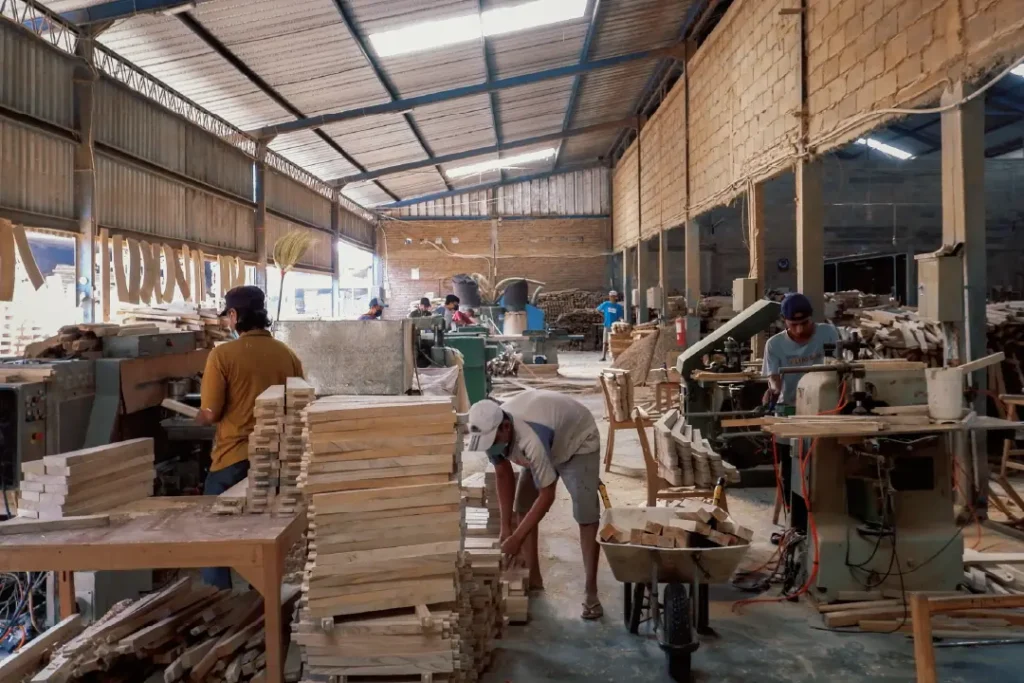
Indonesia has become one of the main sourcing destinations for patio furniture, not only because of the material, but also because of production capability.
Manufacturers here combine access to high-quality teak, long experience in export markets, and craftsmanship supported by modern machinery.
At MPP Furniture, we operate with a full in-house production system, from raw material selection to final finishing. This allows us to maintain consistent standards across batches and respond quickly when adjustments are needed during production.
For buyers, this translates into something simple: more predictable results and lower sourcing risk. Instead of dealing with inconsistent quality and unexpected problems.
This is why many buyers choose to work with an experienced outdoor furniture manufacturer that understands both production control and export requirements.
Conclusion
Choosing a patio furniture manufacturer is not about finding the lowest price or the most attractive sample. It is about understanding the system behind the production and how it impacts your long-term business performance.
The right manufacturer helps you maintain consistent quality, reduce complaints, and protect your margin. The wrong one creates hidden risks that only appear after the product reaches your customers.
Before placing your next order, take the time to evaluate beyond the surface. Because in patio furniture sourcing, the difference between a supplier and a reliable partner will define your business results.
Ready to Work with a Reliable Patio Furniture Manufacturer?
Talk to our team to discuss your sourcing needs and get practical recommendations based on your product and market requirements.
FAQs: A Guide on How to Choose Patio Furniture Manufacturers
1. How do I know if a patio furniture manufacturer is reliable?
A reliable manufacturer has in-house production, clear quality control processes, and can explain their system in detail.
2. What is the biggest mistake when sourcing patio furniture?
Relying on samples without evaluating production capability. Sample quality does not guarantee mass production consistency.
3. Should I choose a factory or a trading company?
Factories offer better control and consistency. Trading companies often rely on multiple suppliers, which increases risk.
4. Why is consistency important in furniture manufacturing?
Because patio furniture is produced in batches. Inconsistent production leads to visible differences and customer complaints.
5. What should I check before placing bulk orders?
Check production system, material control, export experience, and quality control process before committing to large orders.

Hi, I’m Salman, founder of MPP Furniture, an Indonesian furniture manufacturer serving global retailers and project-based clients.
I began my career in my family’s export-oriented furniture company, gaining hands-on experience in production, construction, finishing, material performance, and product development. With a clear understanding of how international buyers evaluate furniture quality and reliability, I founded MPP Furniture to deliver export-ready products with consistent standards.
Here, I share insights from the perspective of a furniture manufacturer working directly with production teams on the factory floor, focusing on manufacturing and supplier evaluation.
Connect on LinkedIn

0 Comments