Importing furniture from Indonesia might sound complicated at first. You have to deal with containers, documents, customs, and timelines. But once you understand how the process works, it becomes structured and predictable.
If you are a retailer, wholesaler, or project buyer, what you really need is clarity. What actually happens after you confirm your order? Where do delays usually occur? And how can you avoid costly mistakes?
This guide breaks down the real shipping and export process, based on hands-on factory and export experience, from purchase order to final delivery, so that you can move forward with confidence.
Overview of the Furniture Export Process from Indonesia
Before jumping into details, it helps to see the big picture. Importing furniture from Indonesia follows a structured flow with three main stages:
- Production phase
- Export preparation phase
- Shipping and import clearance phase
Each stage depends on the previous one. So if something goes wrong early, it usually shows up later as delays or extra costs.
For example, we once handled a case where a buyer from the US asked their QC team in China to inspect the sample. The sample was shipped to China, but the recipient didn’t have the required import license. This caused delays before the order could even proceed.
In practice, most problems don’t come from the shipping itself. They come from missing details during production or documentation. Once the system is properly set up, the process becomes repeatable and manageable.
If you are new to this process, you can also read a complete guide to importing furniture from Indonesia to understand the full sourcing process before diving into shipping.
Step-by-Step Shipping Process Explained
Let’s walk through the full process from order confirmation to final delivery.
1. Order Confirmation and Production
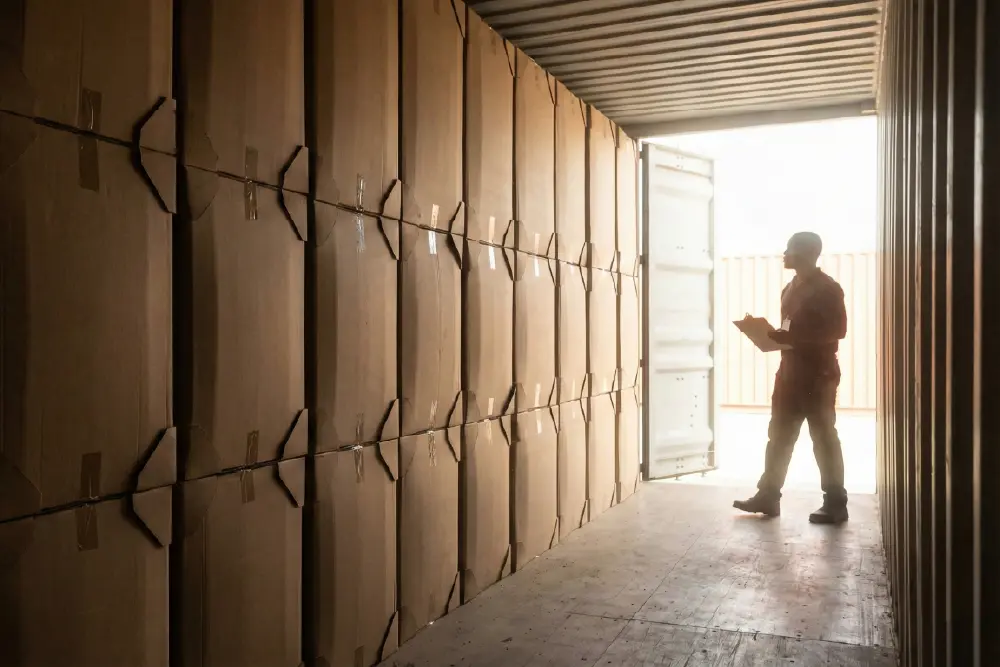
Everything starts with a confirmed purchase order. At this stage, product specifications are finalized, including materials, finishing, and dimensions, while the production timeline is agreed upon between both parties.
This step might look simple, but it sets the foundation for everything that follows. Any unclear detail here can lead to rework, delays, or mismatched expectations later.
In practice, changing specifications during production will disrupt the entire process. For manufacturers, this creates confusion, additional cost, and delays, and in the end, the impact comes back to you as the buyer.
Experienced buyers take this stage seriously because fixing mistakes after production starts is expensive.
2. Quality Control Before Shipment
Once production begins, quality control should not wait until the end. In most cases, it is handled by both the manufacturer and the buyer to maintain consistency.
From the manufacturer's side, quality checks are applied during production and followed by a final inspection before packing. At MPP Furniture, quality control is done at every stage to prevent defects from moving into the next process.
From the buyer's side, inspections are often conducted to make sure no defective products are shipped. This creates confidence for both parties and reduces risk before delivery.
For example, some of our European buyers have their own QC teams inspecting the goods, even though we already apply internal checks. This double-check system helps confirm that the products are ready before shipment.
Once the goods are shipped, they go through multiple handling stages. From container movement at sea to trucking at the destination, the products are exposed to constant movement, so small issues can become bigger problems if not controlled early.
For buyers who want deeper verification, visiting or requesting a virtual factory tour can give you better visibility into the production and quality control process.
3. Packing and Stuffing
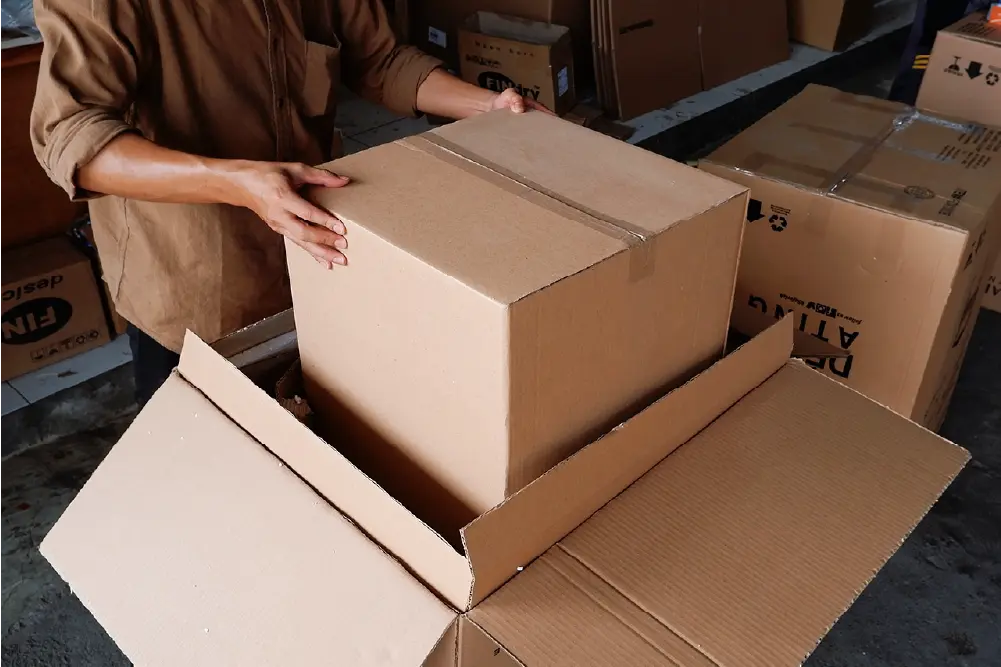
After production is completed and inspection is passed, the products move to packing and container loading. At this stage, export-standard packaging is applied, shipping marks are prepared, and container space is optimized.
Packing is not just about protection; it directly affects your landed cost. Poor planning at this stage can lead to product damage, wasted container space, and higher cost per unit.
We once handled a consolidation case for a buyer from Spain who combined products from multiple suppliers. Because some items from other suppliers were not planned properly, a container that should have fit 65 CBM only loaded around 58 CBM, which increased the overall cost per item.
4. Freight Booking and Shipping
Once the container is ready, the shipment is booked by selecting the shipping line, securing container space, and scheduling the vessel departure. This stage depends heavily on timing and logistics availability.
During peak seasons, container space becomes limited, so bookings need to be planned. Delays here usually come from logistics constraints, not from production.
In certain situations, such as global conflicts or supply chain disruptions, shipping costs can increase, and space becomes harder to secure. Many buyers use freight forwarders to manage booking, coordination, and documentation more efficiently.
5. Customs Clearance in Indonesia
Before leaving Indonesia, the shipment must go through export clearance. This includes preparing documents such as the Commercial Invoice, Packing List, and SVLK certification, along with export declaration and port processing.
Documentation accuracy is critical because even small mistakes can lead to delays, inspections, or additional charges. This is one of the most common issues in international shipping.
Furniture manufacturers in Indonesia with export experience handle this smoothly because they are familiar with the requirements and procedures. This reduces the risk of problems before the shipment leaves the port.
6. Arrival and Import Clearance in Destination Country
Once the shipment arrives, the process continues on the buyer’s side. This includes customs clearance, payment of import duties and taxes, and arranging local delivery.
Many first-time importers assume the process is complete once the goods leave Indonesia. In reality, delays due to incomplete documents or unclear import procedures.
Working with an experienced Indonesian furniture supplier helps because the documents are prepared to match the destination country’s requirements from the beginning. This reduces the risk of delays during final clearance.
Key Export Documents You Need to Know
Understanding documents will save you from unnecessary delays.
Here are the most important ones:
- Commercial Invoice: Shows product value, quantity, and transaction details
- Packing List: Details how goods are packed inside the container
- Bill of Lading (B/L): The official shipping document issued by the carrier
- Certificate of Origin: Confirms where the goods are produced
- SVLK (Timber Legality Verification): Mandatory for wooden furniture exports from Indonesia
- A fumigation Certificate: Confirms that the wood packaging or products have been treated to prevent pests.
Missing or incorrect documents can stop your shipment at the port. That’s why experienced exporters treat documentation as part of the production process.
Shipping Terms Explained (FOB vs CIF)

FOB (Free On Board) means the supplier is responsible until the goods are loaded onto the vessel, and the buyer takes over shipping and logistics after that. This gives you more control, but also more responsibility.
CIF (Cost, Insurance, Freight) means the supplier handles shipping and insurance until the goods reach the destination port. It is simpler for beginners, but offers less control over cost and logistics.
In practice, FOB is often preferred for long-term business because responsibilities are clearer and costs are more transparent. Many buyers start with CIF, then move to FOB as they gain experience.
How Long Does It Take to Ship Furniture from Indonesia?
Shipping time depends on your destination, but overall, the timeline is quite predictable:
- Asia: 1–3 weeks
- Australia: around 4 weeks
- US, Europe, and Africa: around 6 weeks
Customs clearance at the destination usually takes 1 week, depending on document readiness and local procedures.
To understand the full timeline, you need to combine all stages:
- Production: 6–8 weeks
- Sea shipping: based on the region above
- Customs clearance: 1 week
Total lead time: around 8–12 weeks from order confirmation to goods arriving at your warehouse.
This full timeline is what most buyers use to plan product launches.
Why Choosing the Right Indonesian Furniture Manufacturer Matters
At this point, it becomes clear that the process itself is not the problem. Most delays, quality issues, and unexpected costs usually come from working with the wrong supplier, not from the shipping system.
Reliable Indonesian furniture manufacturers will not only produce your goods but also manage production flow, documentation, and export preparation with accuracy. The right manufacturer helps you avoid mistakes before they happen.
From consistent quality control to correct documentation and smooth logistics coordination, every detail affects your timeline and cost. Choosing a partner with export experience will make the entire process easier, more predictable, and better aligned with your business goals.
If you are still evaluating suppliers, understanding how to choose the right Indonesian furniture manufacturer will help you avoid costly mistakes from the beginning.
Final Thoughts: Make the Process Work for Your Business
Importing furniture from Indonesia is a structured process, not a complicated one. Once you understand each step, you can manage it with confidence and better control.
From production to shipping and customs clearance, every stage is connected. Missing one detail can affect the entire timeline, especially when you are planning product launches.
This is why working with the right partner makes a real difference. With the right manufacturer, the process becomes smoother, more predictable, and aligned with your business growth.
If you are still evaluating whether this sourcing strategy fits your business, you can explore whether Indonesian furniture is worth sourcing based on your market and positioning.
Let’s Build Your First Indonesian Furniture Container the Right Way
From specs to shipping, we’ll help you get every detail right before production starts.
FAQs: Shipping and Importing process Furniture from indonesia
1. How does shipping furniture from Indonesia work?
Shipping follows a structured process: production, packing, export documentation, ocean freight, and import clearance at the destination.
2. What documents are required to import furniture?
You typically need a Commercial Invoice, Packing List, Bill of Lading, Certificate of Origin, and SVLK for wooden furniture.
3. How long does shipping take from Indonesia?
Total lead time is usually 8–12 weeks, including production, shipping, and customs clearance.
4. What can delay furniture shipments?
Common causes include production delays, incorrect documents, port congestion, and customs clearance issues.

Hi, I’m Salman, founder of MPP Furniture, an Indonesian furniture manufacturer serving global retailers and project-based clients.
I began my career in my family’s export-oriented furniture company, gaining hands-on experience in production, construction, finishing, material performance, and product development. With a clear understanding of how international buyers evaluate furniture quality and reliability, I founded MPP Furniture to deliver export-ready products with consistent standards.
Here, I share insights from the perspective of a furniture manufacturer working directly with production teams on the factory floor, focusing on manufacturing and supplier evaluation.
Connect on LinkedIn


0 Comments