Teak is one of the most in-demand materials in furniture, which is why your customers are asking for it, and why you are sourcing it. But here’s the problem: not all teak is the same.
For furniture retailers and importers, the difference between Indonesian teak and Burmese teak directly affects cost, supply stability, and product consistency.
This guide explains the real differences between both, so you can choose the right teak based on what matters most for your business: reliability, scalability, and long-term performance.
What Is Indonesian Teak?
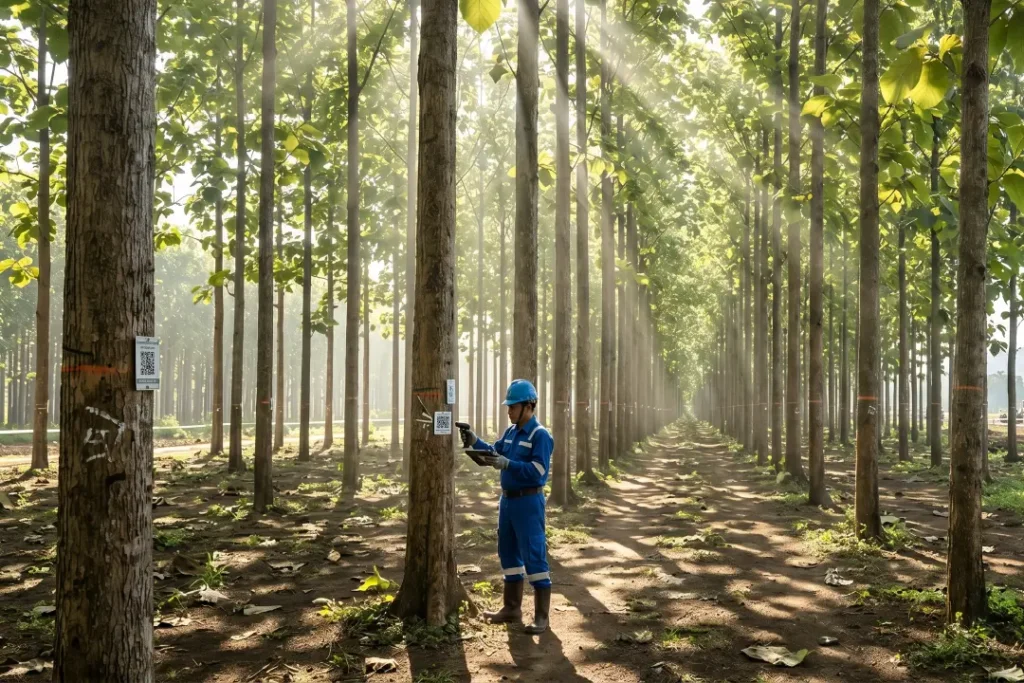
Indonesian teak is plantation-grown teak sourced from managed forests, mainly in Java. It is grown under controlled forestry systems, harvested in regulated cycles, and certified under the SVLK legality system.
This structure creates one major advantage for buyers: consistency. Unlike natural forest teak, Indonesian teak is designed for repeat production so that you can reorder the same product line with minimal variation.
In practice, this consistency supports stable material supply, predictable lead times, and reliable product output. This is why many buyers prefer working directly with a teak furniture Indonesia factory, where the entire process is structured for export and repeat orders.
For a deeper explanation, you can explore how sourcing works through a teak wood from an Indonesian furniture supplier.
What Is Burmese Teak?
Burmese teak is teak sourced from natural forests in Myanmar, often referred to as “old-growth teak.” It is known for its dense grain structure and higher natural oil content, which historically made it a preferred material for shipbuilding and luxury applications.
Because it grows naturally over decades, Burmese teak is often perceived as more premium. However, its supply is limited and less predictable, especially compared to plantation-grown teak.
In recent years, sourcing Burmese teak has also become more complex due to legal and sustainability concerns. According to the Forest Stewardship Council, teak from Myanmar is often associated with traceability and compliance challenges, which can affect import processes and long-term sourcing reliability.
Indonesian Teak vs Burmese Teak: Key Differences That Matter for Buyers
1. Availability and Supply Stability
Indonesian teak is grown in managed plantations, which allows for a stable and predictable supply across production cycles. This makes it easier for buyers to plan repeat orders and maintain consistent inventory levels.
Burmese teak, on the other hand, comes from natural forests with limited and tightly controlled harvesting. According to the Marlin Magazine, global teak supply from Myanmar has become increasingly restricted, affecting availability and long-term sourcing stability.
2. Wood Characteristics and Appearance
Burmese teak is often known for its dense grain and higher natural oil content, giving it a rich texture and classic premium look. This is one of the reasons it has been widely used in marine and luxury applications.
According to OHC Teak, Burmese teak is valued for its tight grain and durability in demanding environments like yachts and sport fishing boats. Indonesian teak, however, offers more uniform grain and color, which is often preferred for consistent furniture production.
3. Durability and Performance
Both Indonesian teak and Burmese teak are highly durable due to their natural oil content, which protects against moisture, insects, and decay. This makes both suitable for indoor and outdoor furniture applications.
The main difference is not durability itself, but consistency in performance across batches. Indonesian teak, with controlled processing and kiln drying, tends to deliver more predictable results in large-scale production.
4. Sustainability and Legality
Indonesian teak is sourced from regulated plantations and is commonly certified under systems like SVLK, making it traceable and compliant for international trade. This reduces risk for importers dealing with strict regulations.
Burmese teak, however, has been linked to legal and traceability concerns in global markets. According to the Forest Stewardship Council, no Burmese teak is currently found within FSC-certified supply chains, highlighting challenges in verifying its origin and legality.
5. Price and Cost Efficiency
Burmese teak is typically more expensive due to its limited supply and natural forest origin. This often leads to fluctuating pricing, making it harder for buyers to maintain stable cost structures.
Indonesian teak offers more controlled and predictable pricing because it is plantation-grown and supported by structured supply chains. For retailers, this means better margin planning, more competitive pricing, and less pressure to discount slow-moving inventory.
Which Teak Is Better for Furniture Retailers?
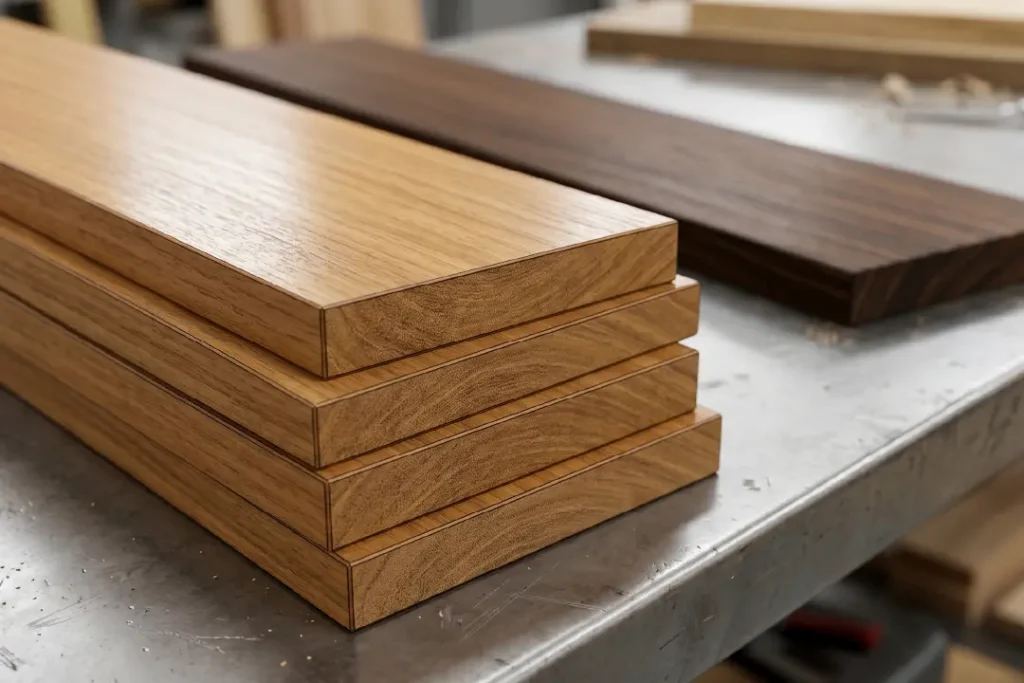
Indonesian teak is generally more suitable for furniture production, especially for retail and large-scale collections. Based on our experience as a manufacturer, it is designed for consistent output, while Burmese teak is more commonly used in niche applications like yachts and marine projects where exclusivity matters more than scalability.
For furniture retailers, this difference has a direct business impact. Indonesian teak supports repeat orders, stable pricing, and easier inventory planning, while Burmese teak can create challenges in supply continuity and cost control, making it harder to scale a reliable product line.
If you want to understand teak more deeply, here are some interesting facts about teak wood that explain why it’s so widely used.
Why Many Global Buyers Choose Indonesian Teak
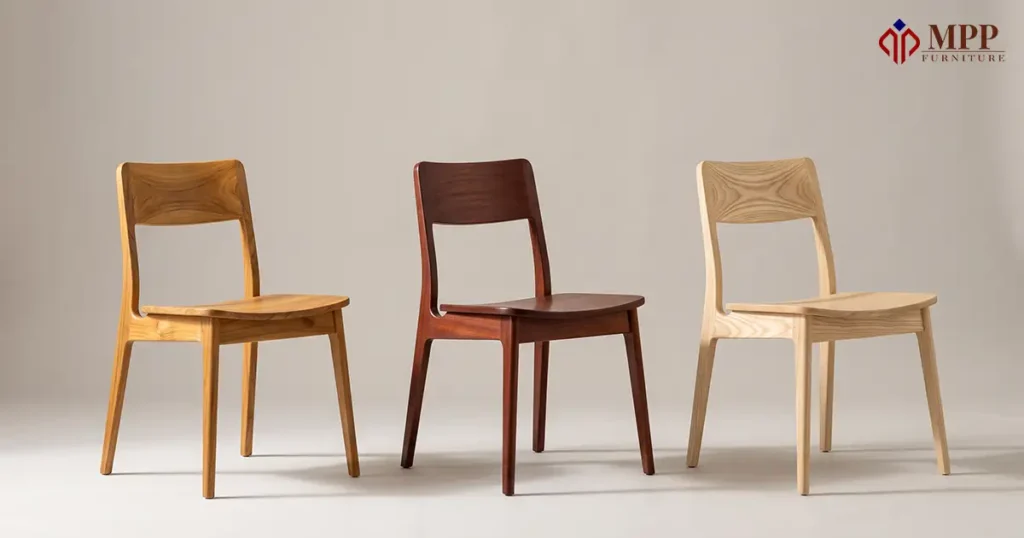
Indonesian teak fits the needs of modern furniture sourcing because it offers a balance between quality, consistency, and scalability. Many Indonesian furniture manufacturers, like MPP Furniture, build their production systems around plantation teak, allowing them to deliver repeatable designs, controlled quality, and stable supply for export markets.
For global buyers, this translates into lower business risk and smoother operations. With more predictable lead times, stable pricing, and consistent product output, retailers can plan inventory better, maintain margins, and scale their collections without worrying about supply disruption.
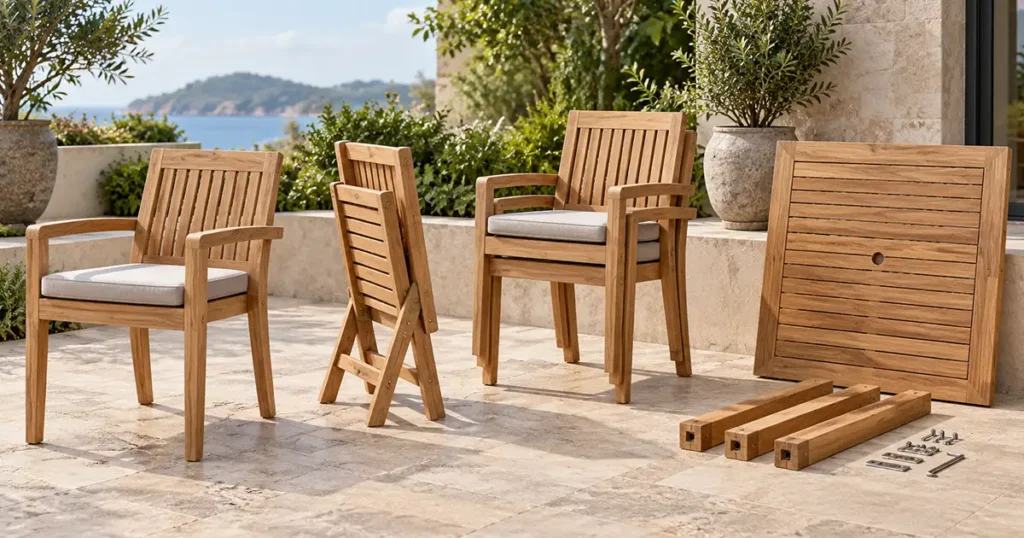
This is especially relevant for categories like teak outdoor furniture in Indonesia, where durability and consistency are critical for long-term performance.
How Indonesian Furniture Manufacturers Work with Teak
Indonesian furniture manufacturers work with teak through a structured production process that focuses on consistency from raw material to finished product. This includes careful material selection, controlled kiln drying, precise construction, and finishing systems designed to maintain quality across both samples and bulk production.
In practice, the difference is not just the teak itself, but how it is handled. At MPP Furniture, we apply grading standards such as Grade A/B selection, maintain moisture content below 12% after kiln drying, and avoid excessive knots to preserve structural strength, ensuring each product performs consistently across repeat orders.
How Retailers Can Build a Successful Indonesian Teak Furniture Collection
A successful Indonesian teak furniture collection is not just about product, but about how you structure your offering throughout the year. In practice, many retailers combine indoor teak furniture for all-season sales with outdoor collections that follow seasonal demand cycles.
Indoor products help maintain consistent cash flow, while outdoor furniture can be used for seasonal campaigns or new product launches. This approach allows retailers to refresh their catalog regularly, attract attention with new designs, and maximize sales opportunities without relying on a single product category.
Tips for Choosing the Right Teak Supplier

Before placing an order, ask these questions:
- Is the teak legally certified (SVLK)?
- Where is the wood sourced from?
- Does the supplier have export experience?
- Can they provide consistent samples?
One common mistake we see is buyers focusing only on price without understanding the grade of teak used. Lower-cost teak, often from unmanaged sources, may look similar at first but lacks the strength and durability needed for long-term furniture use.
That’s why many serious buyers take the next step to visit an Indonesian furniture supplier and evaluate the process directly before committing to long-term production.
Final Thoughts: Which Teak Should You Choose?
Both Indonesian teak and Burmese teak are high-quality materials, but they are designed for different purposes. Burmese teak fits niche, high-end applications where exclusivity matters, while Indonesian teak is built for consistency, scalability, and long-term production.
For furniture retailers, the decision goes beyond material preference. It directly affects how you manage inventory, control costs, and maintain product consistency across multiple orders.
If your goal is to build a collection that can grow, adapt, and sell consistently in the market, Indonesian teak is a more practical choice. It offers a balance of affordability, legal sourcing, and production reliability that supports long-term business growth.
Planning your next teak furniture collection?
Talk to us about your product needs, we’ll help you find the right material and approach for your market.
FAQs
1. Which teak is better: Indonesian or Burmese?
Indonesian teak is better for most B2B buyers because it offers stable supply, consistent quality, and easier scaling. Burmese teak is more niche and less predictable.
2. Is Burmese teak legal to import?
It depends on the country. Some markets have strict regulations due to sourcing concerns, so buyers must check compliance carefully.
3. Is plantation teak lower quality?
No. Plantation teak like Indonesian teak is consistent, durable, and more suitable for large-scale production.
4. Why do most manufacturers use Indonesian teak?
Because it provides stable supply, certified sourcing, and predictable production, which are essential for export businesses.
5. Is Indonesian teak good for outdoor furniture?
Yes. Indonesian teak contains natural oils that resist moisture, insects, and weather, making it ideal for outdoor use.

Hi, I’m Salman, founder of MPP Furniture, an Indonesian furniture manufacturer serving global retailers and project-based clients.
I began my career in my family’s export-oriented furniture company, gaining hands-on experience in production, construction, finishing, material performance, and product development. With a clear understanding of how international buyers evaluate furniture quality and reliability, I founded MPP Furniture to deliver export-ready products with consistent standards.
Here, I share insights from the perspective of a furniture manufacturer working directly with production teams on the factory floor, focusing on manufacturing and supplier evaluation.
Connect on LinkedIn
0 Comments