Choosing the right wood is one of the most important decisions when investing in dining furniture. The type of material determines not just the look and feel of your table, but also how long it lasts, how it performs indoors or outdoors, and how it reflects your brand or personal style. For buyers looking into Indonesian furniture manufacturers, teak and sungkai are two popular hardwood choices. Both offer distinct benefits but serve different purposes depending on your needs.
In this article, we’ll explore the pros and cons of teak wood and sungkai wood, especially for dining furniture. We'll guide you through factors like durability, appearance, usage (indoor vs outdoor), pricing, and sourcing, helping you make the best decision for your next furniture project.
Teak Wood vs Sungkai Wood: Overview for Dining Furniture
Teak Dining Furniture: Strength, Beauty, and Outdoor-Friendly
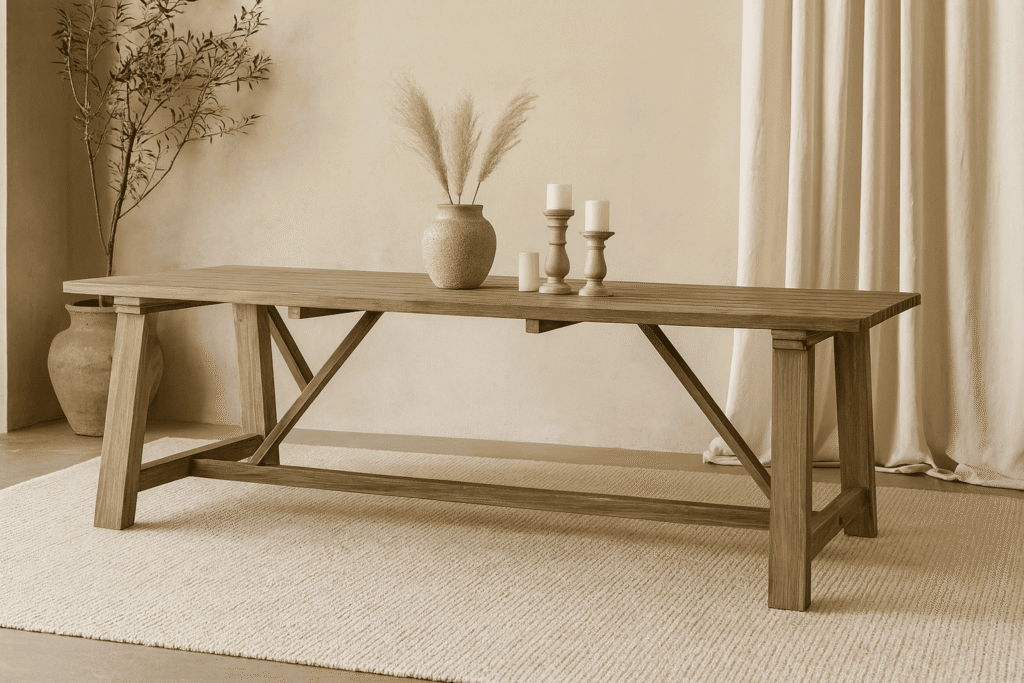
Teak is one of Indonesia’s most valuable hardwoods, known for its durability and resistance to weather, pests, and moisture. It’s commonly used by teak dining furniture Indonesia factories for both luxury indoor and premium outdoor furniture collections. Read more about its characteristics and best use cases here.
Sungkai Dining Furniture: Light, Elegant, and Cost-Efficient
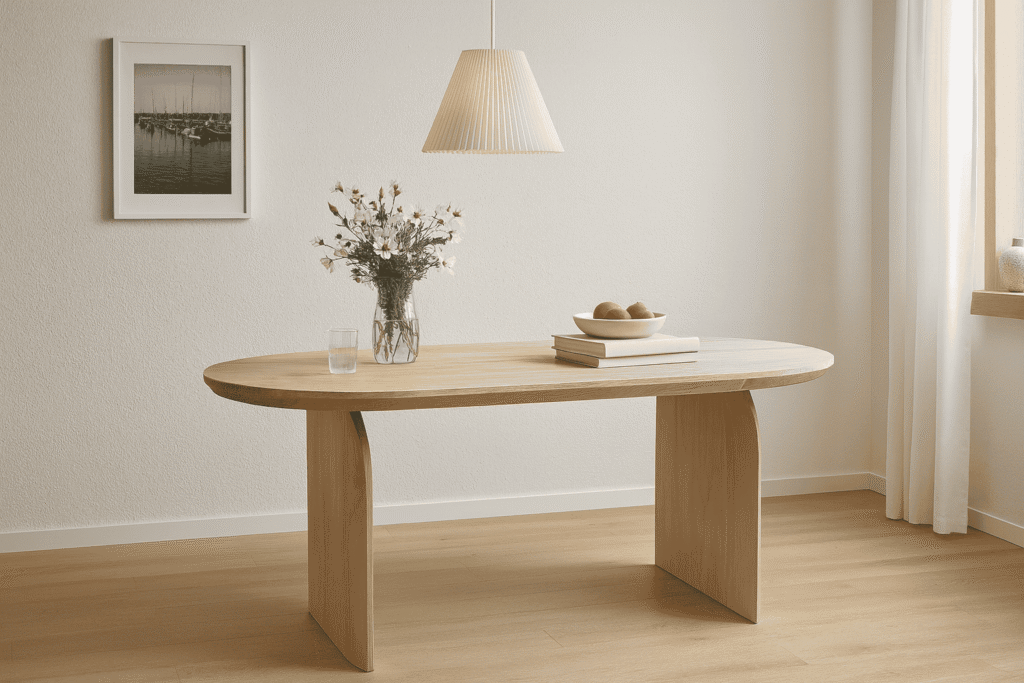
Sungkai is a Southeast Asian hardwood loved for its clean, light grain and stylish look. It’s ideal for indoor furniture and preferred by designers aiming for a modern or Scandinavian aesthetic. Explore the full guide by one of the Indonesian furniture suppliers on Sungkai wood here.
Why Wood Choice Matters in Dining Furniture
When choosing dining furniture, selecting the right type of wood is more than just a style preference; it directly impacts how the furniture performs, how long it lasts, how much it costs, and even how your buyers perceive your brand.
Worth Reading: 4 Best Indonesian Woods for Furniture, Why Teak Isn't Always Better
1. Everyday Use, Long-Term Performance
Dining tables are high-traffic surfaces. They hold hot plates, heavy dishes, spilled drinks, and even serve as makeshift desks. The wrong material can wear quickly, warp, or lose its finish, affecting the table’s appearance and functionality.
2. Indoor vs Outdoor Suitability
Not all hardwoods respond the same to humidity, heat, or direct sunlight. If you're placing furniture in a semi-outdoor or coastal space, you’ll need wood that resists moisture, expansion, and pests. Teak performs well in these environments, while sungkai is best reserved for dry, indoor, and semi-outdoor (if proper settings).
3. Durability and Lifespan
Teak can last for decades with minimal care due to its natural oils and density. Sungkai, while durable indoors, is more porous and needs protective finishes. Your choice here determines how often the piece will require maintenance, repairs, or even replacement.
4. Cost vs Long-Term Value
While teak may have a higher upfront cost, it often requires less maintenance and has a longer lifespan, making it a better investment for outdoor or premium collections. Sungkai, on the other hand, offers significant cost efficiency for mid-range to entry-level indoor furniture, perfect for buyers balancing price and style.
5. How Material Affects Brand Image and Buyer Perception
For furniture businesses, whether you are a retailer or a project-based interiors firm, the choice of material plays a major role in positioning. Teak is often associated with luxury and durability, elevating a brand's premium perception, especially in resort or high-end residential markets. Sungkai, with its minimalist look and affordability, speaks to modern, budget-conscious customers seeking clean aesthetics.
Teak vs Sungkai for Dining Furniture: Which One Should You Choose?
1. Decision Factors
If your clients or markets prioritize longevity and outdoor use, Indonesian teak furniture is the safer bet. But if they prefer a lighter design with budget efficiency, sungkai wood wins indoors.
2. Visual and Aesthetic Differences
- Teak: deep brown tones, oil-rich, and has a naturally luxurious sheen. Its grain is straighter and smoother, ideal for a classic or tropical look.
- Sungkai: light blonde with visible linear grain, often left in natural or lightly stained finishes to preserve its airy, Scandinavian Dining Furniture appeal.
3. Maintenance and Long-Term Value
- Teak is naturally rich in oils, making it highly weather-resistant with minimal upkeep. For color preservation, a teak sealer or UV protector can be applied occasionally (Source: ResearchGate).
- Sungkai performs well indoors and should be kept away from excess moisture and direct sun. Light waxing or wood polish can enhance its surface and prevent drying (Source: ResearchGate).
4. Cost and Sourcing Considerations
Teak is more expensive per unit and may have longer lead times depending on supply chain cycles. However, its longevity and appeal in high-end markets can justify the investment. Sungkai is more readily available and cost-efficient, ideal for businesses needing faster turnaround or budget-conscious product lines.
5. Brand Value & Customer Expectation
Teak aligns with premium positioning and appeals to luxury-focused customers. It can elevate your brand’s image and allow for higher markup in high-end retail or hospitality sectors. Sungkai appeals to modern minimalism and younger or price-sensitive customers, great for mass-market collections with clean aesthetics.
6. Practical Experience From the Field
Some of our clients, especially those working with us as an Indonesian furniture manufacturer, have strategically shifted from teak to sungkai to stay competitive in pricing. Despite using the same designs, Sungkai allowed them to enter price-sensitive markets and undercut competitors effectively. One notable benefit they reported was fewer complaints about teak oil staining light-colored cushions, a common issue with outdoor sets. With Sungkai, they could maintain a cleaner, lighter aesthetic without that concern.
7. Best Fit for Your Business or Project
Below is a quick decision matrix summarizing what we’ve covered, from material performance, design appeal, to brand positioning and business goals:
| Buyer Type | Preferred Material | Why |
| High-end resort projects | Teak | Long-lasting, weather-resistant, luxury image |
| Indoor or under-roof furniture retailers | Sungkai | Affordable, lightweight, modern aesthetic |
| Outdoor furniture retailers | Teak | Handles sun, rain, and humidity better than other woods |
| Budget-conscious furniture brands | Sungkai | Lower cost, faster production, suitable for the mass market |
| Interior-focused design studios | Sungkai | Light tone fits Scandinavian and minimalist interiors |
| Premium furniture retailers | Teak | Natural richness adds value to long-term investment pieces |
Let's explore our Sungkai and Teak, both Indoor Dining Furniture and Outdoor Dining Furniture
Ready to Source Quality Wood Furniture from Indonesia?
With over 20 years of experience, MPP Furniture, an Indonesian Teak Furniture Factory, has helped hundreds of global buyers build successful furniture lines using high-quality Indonesian teak and sungkai for dining furniture. We understand the challenges of sourcing, from ensuring consistency and quality to creating standout pieces that match your market. Here are some tips from us for you.
Working with a Direct Furniture Manufacturer
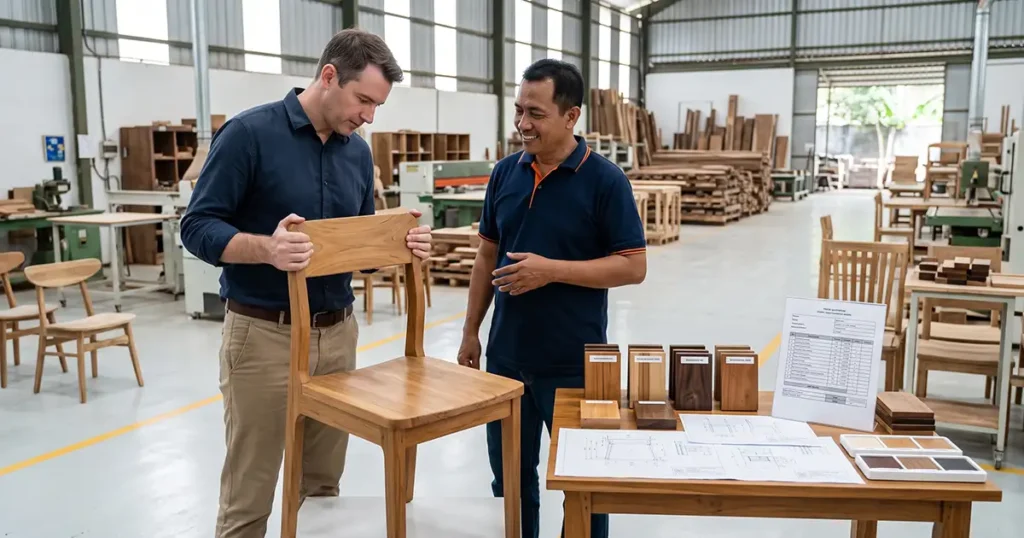
Partnering with Indonesian furniture manufacturers like MPP gives you greater control, better pricing, and faster response time compared to working with traders. We eliminate middlemen, so you can work directly with the production team and customize exactly what you need.
Source from Indonesian Furniture Suppliers that have In-House Production
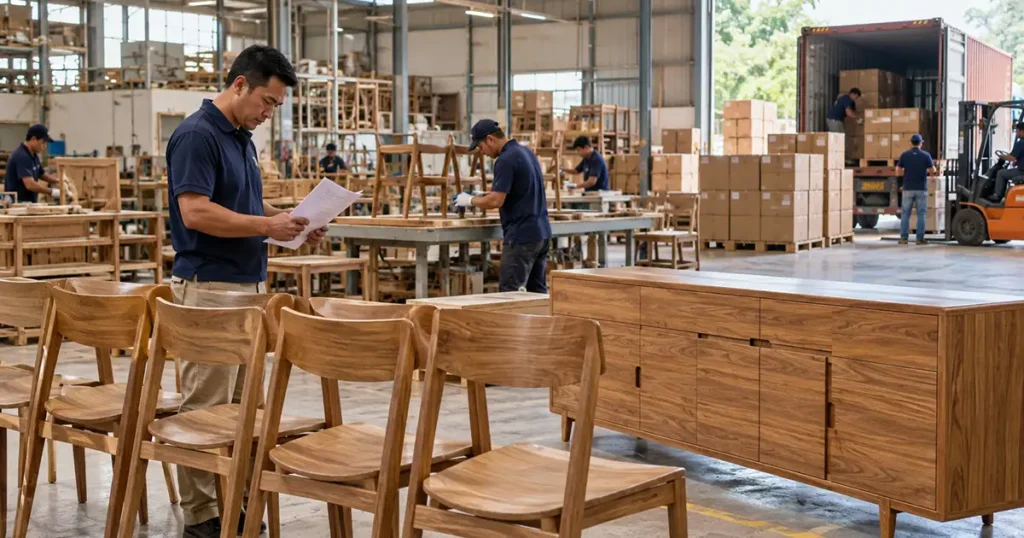
Not all Indonesian furniture suppliers own their factory. At MPP, we control the entire process, from material selection to final inspection, ensuring consistent quality and timely delivery. It also means better confidentiality and custom execution for your designs. Want to avoid costly mistakes when choosing a supplier? Read our guide on red flags to watch out for when working with Indonesian furniture suppliers.
Requesting Custom Design, OEM, and Private Label
Need specific sizing, wood treatment, or joinery? We help you develop custom dining furniture from scratch. You can also request a mix of sungkai and teak designs for different product tiers. As your OEM and private label partner, MPP develops products tailored to your brand, using teak, sungkai, or a strategic combination of both. Curious about combining sungkai with other materials? Explore how sungkai pairs beautifully with natural rattan in mixed-material furniture.
So, Which One Works Best?
If you need high durability, long-term investment, and outdoor flexibility, teak is the right choice. If you’re building an indoor line with clean design and tighter budgets, Sungkai fits your brand. Either way, MPP can help you create it, from design to delivery.
Let’s Create Stunning Dining Furniture Together
Looking for the perfect wood material for your next furniture line? Whether it’s solid teak, sungkai, or a custom hybrid solution, our team is ready to build it with you.
📩 Request a quotation, consultation, or sample now
📞Contact us on WhatsApp
FAQ
Is teak or sungkai better for dining furniture?
Teak is better for outdoor use and durability; Sungkai is great for indoor, affordable, modern pieces.
Can sungkai wood be used outdoors?
Sungkai is best for indoor use due to its porous nature, but it can be used in semi-outdoor covered areas if properly treated and finished with outdoor-grade coatings.
How long does teak wood furniture last?
With proper care, teak furniture can last 20–30 years or more.
Which wood is more affordable for bulk orders: teak or sungkai?
Sungkai is more affordable and often used for entry-level or mid-range indoor furniture.
Can I request a custom table design using sungkai or teak?
Yes, MPP offers fully custom furniture development using both teak and sungkai.
Is teak suitable for garden or poolside dining sets?
Yes, Indonesian teak outdoor furniture is one of the best choices due to its natural oils that resist moisture, sun, and insects.

Hi, I’m Salman, founder of MPP Furniture, an Indonesian furniture manufacturer serving global retailers and project-based clients.
I began my career in my family’s export-oriented furniture company, gaining hands-on experience in production, construction, finishing, material performance, and product development. With a clear understanding of how international buyers evaluate furniture quality and reliability, I founded MPP Furniture to deliver export-ready products with consistent standards.
Here, I share insights from the perspective of a furniture manufacturer working directly with production teams on the factory floor, focusing on manufacturing and supplier evaluation.
Connect on LinkedIn
0 Comments