Many retailers believe the cost of importing teak garden furniture is simply the unit price from suppliers. This assumption frequently leads to unexpected expenses and lower profit margins. This is a common issue, particularly among first-time importers.
This article will help you understand the entire cost structure for importing teak outdoor furniture. You will see not only the obvious costs, but also the hidden ones that frequently impact your business. The goal is straightforward: to assist you in better controlling costs when planning imports.
We will break down each cost component, explain how it affects the total cost, and demonstrate how to avoid common mistakes. By the end, you'll have a better understanding of how to create a profitable sourcing strategy.
Main Cost Components When Importing Teak Garden Furniture
Furniture Manufacturing Cost
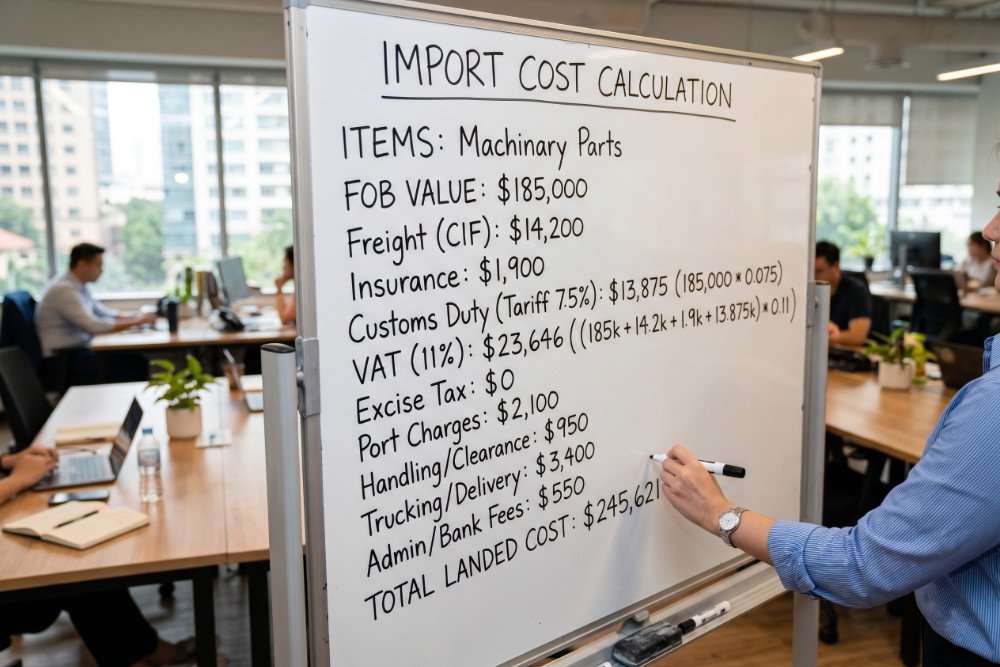
The manufacturing cost is typically the largest component of your total import cost. It includes raw materials, labor, craftsmanship, and quality assurance procedures. Material quality is important in determining the price of teak furniture.
Teak with proper moisture control performs better outside, reducing long-term issues such as cracking and warping. Based on production experience, poor moisture control frequently results in product failure after delivery. This means that a lower initial price may result in higher future replacement costs.
Manufacturing also reflects the attention to detail in construction and finishing. Precision in joinery and sanding increases the durability and consistency of orders. Working with reliable Indonesian furniture manufacturers is critical in this situation.
If you want to explore how consistent production affects long-term performance, you can visit the MPP Furniture homepage to understand how full in-house production supports quality control.
Packaging and Export Preparation Costs
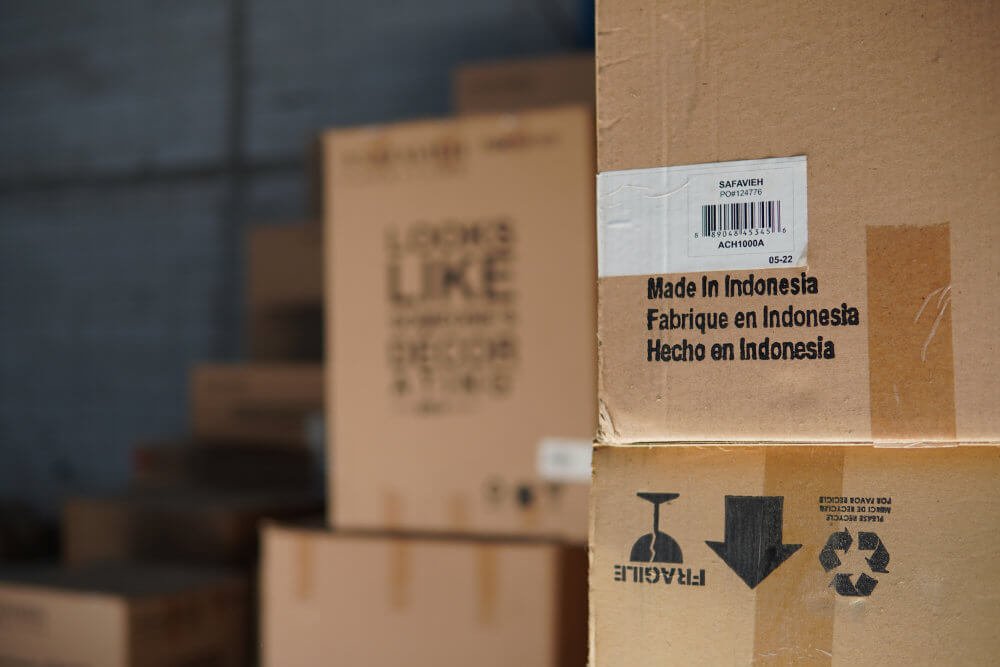
Export packaging differs significantly from domestic packaging. It must keep furniture safe during long-distance shipping and multiple handling points. This includes foam, carton boxes, wooden crates, and pallet systems.
Proper packaging lowers the risk of damage during transit. Without it, retailers could face product claims, returns, or replacements. These costs are rarely considered initially, but they can have a significant impact on margins.
Export preparation also includes labeling, documentation, and container loading arrangements. Efficient container loading maximizes space while lowering shipping costs per unit. This is why packaging is more than just protection; it is also a cost-effective measure.
International Shipping and Freight Costs
Shipping costs vary according to how goods are transported and the destination country. There are two common methods: full container load and less than container load. Most retailers prefer full containers because they are more cost-effective per unit.
Freight rates are not fixed, and they frequently fluctuate due to fuel prices, demand, and global shipping conditions. Longer distances naturally increase shipping costs, particularly in markets such as the United States and Europe. The timing of your shipment can also affect the final cost.
Furniture is considered bulky cargo, so volume is often more important than weight. This means that larger items, such as sofas and dining sets, will incur significantly higher shipping costs. Product dimensions can be planned in order to optimize container usage.
Import Duties and Taxes
Import duties and taxes vary according to the destination country. These costs are usually calculated using the declared value of the goods. Tariff structures and regulations are unique to each country.
Retailers should also consider VAT or GST, depending on their local system. These taxes can have an impact on both final pricing and overall profitability. Understanding these costs early on will help you avoid pricing mistakes in your market.
Correct HS code classification is also important because it affects duty rates. Mistakes in classification can cause delays and additional charges. Working with experienced exporters reduces this risk.
Factors That Influence the Total Import Cost
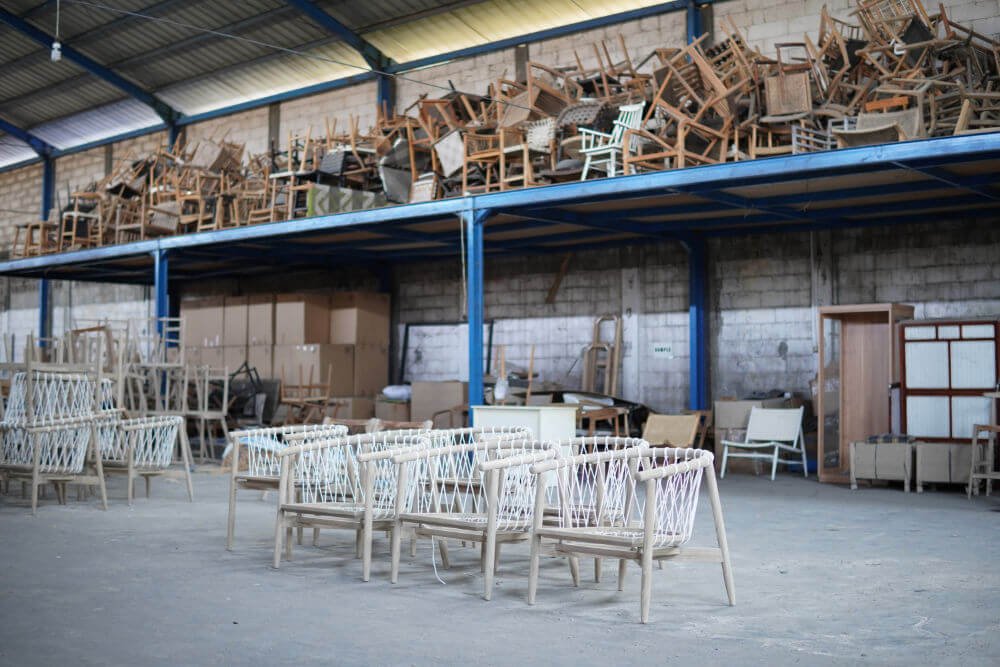
Order quantity has a direct impact on cost efficiency. Larger orders reduce cost per unit because fixed costs like shipping and handling are spread across more items. This is why small orders often feel more expensive.
Shipping distance also plays a major role in total cost. Importing popular teak outdoor furniture from Indonesia to nearby regions like Australia is generally cheaper than shipping to Europe or North America. However, cost differences can be balanced with proper planning.
Bulky designs reduce the number of items per shipment, which increases cost per unit. In practice, design decisions influence logistics costs more than expected. This is why adopting a scalable collection strategy like combining teak with lighter materials such as rope can optimize your shipping
Hidden Costs Retailers Often Miss
Many retailers focus solely on visible costs, ignoring long-term risks. One of the most common hidden costs is due to product defects. When furniture fails after a few months, it generates returns and customer complaints.
According to industry experience, problems with outdoor furniture are frequently caused by poor material control or finishing. Cracking, peeling, or inconsistent quality can harm your brand's reputation. These issues result in indirect costs that are difficult to calculate.
Delays are another unaddressed cost that affects retail performance. Late shipments can result in missed selling seasons, particularly for outdoor collections. Even if the product is of high quality, this can limit sales potential.
This is why choosing the right supplier matters. Outdoor furniture is not just a product decision, but also a risk decision that affects long-term business performance.
Tips for Retailers to Optimize Teak Garden Furniture Import Costs

Ordering in bulk is one of the simplest ways to reduce unit cost. It increases container efficiency and better distributes fixed costs. This method is widely used by experienced importers.
Choosing the right shipping method also helps to keep costs under control. Full container shipments are typically more efficient for furniture products. Planning shipments ahead of time can also help to avoid price increases during peak seasons.
Working with experienced furniture exporters minimizes errors in documentation, packaging, and logistics. This helps to prevent delays and unexpected charges. A smooth transition from production to delivery saves time and money.
Partnering with a trusted Indonesian teak furniture manufacturer for global retailers like MPP Furniture means you receive direct first-hand pricing without any middleman markups. Because their entire production process is managed fully in-house, they can guarantee consistent product quality across every order. This combination of cost efficiency and reliable craftsmanship creates a highly positive impact on your retail business, ultimately helping you build strong customer loyalty and ensure long-term sustainability.
Final Thoughts: Planning a Profitable Teak Garden Furniture Import
Understanding the entire cost structure allows retailers to protect their margins. Importing furniture is about more than just finding the lowest price; it is also about managing total costs. This encompasses both visible and hidden factors.
Clear communication with suppliers leads to fewer misunderstandings and production issues. It also helps to align expectations regarding quality, packaging, and delivery timelines. This results in smoother transactions and fewer problems.
Building long-term relationships with dependable manufacturers is often more cost-effective than switching suppliers frequently. Consistency in quality and process helps to stabilize your business. In short, better planning leads to higher profits.If you want to expand your outdoor collection, you can explore different product directions such as Indonesian teak garden furniture collections to see how structured sourcing supports long-term growth.
Exploring Teak Garden Furniture from Indonesia?
Talk to our team to discuss your sourcing goals, product specifications, and market requirements before developing your outdoor furniture collection.
FAQs: Costs of Importing Teak Furniture
1. How much does it cost to import teak garden furniture?
The cost depends on manufacturing, shipping, duties, and packaging. There is no fixed price because each project has different specifications.
2. What is the biggest cost component when importing furniture?
Manufacturing and shipping are usually the largest costs. Together, they often make up most of the total landed cost.
3. How can retailers reduce import costs?
Retailers can reduce costs by ordering larger quantities, optimizing container usage, and working with experienced exporters.
4. Are there hidden costs in furniture importing?
Yes. Common hidden costs include product defects, delays, and inconsistent quality, which can lead to returns and lost sales.
5. Is teak furniture worth the higher cost?
Yes. Teak offers durability and lower long-term risk, which helps reduce replacement costs and customer complaints.

I am a Web Designer, Technical SEO Specialist, and writer with 6+ years of experience in website optimization and search visibility. For more than a year, I have supported MPP Furniture’s growth, and I am currently expanding my role as an author to help B2B furniture buyers make more informed business decisions through informative, practical, and impactful articles.


0 Comments