An outdoor furniture SKU can sell well one season and sit unsold the next. For retailers, choosing whether to reorder, redesign, or discontinue it becomes harder when a factory order is already approved.
SKU rationalization helps retailers examine demand, margin, returns, and stock before making that choice. You can use these signals to avoid repeat orders that tie up cash or product changes that add unexpected production work.
This guide compares the three options and explains what to confirm before changing a production commitment. From our position as an Indonesian Furniture Manufacturer, we share documented manufacturing experience while leaving assortment decisions with the retailer.
Evaluate SKU Performance Before Making a Decision

Start with SKU-level results, not collection revenue. Compare sell-through across similar selling seasons, gross margin after discounts and returns, available stock, incoming orders, and aging inventory. A slow month in a seasonal category is not enough to justify discontinuation.
Retail SKU rationalization also means checking why sales look weak. A stockout, late arrival, or missing companion chair can distort demand; the Faire SKU rationalization guide also advises looking beyond sales velocity to returns and carrying costs.
For furniture inventory management, calculate sell-through as units sold divided by units available for sale during the period, then review what remains. The SPS Commerce guide also recommends evaluating SKU profitability, including relevant transport and fulfillment costs. Use these findings for retail assortment planning before choosing a direction.
| Commercial finding | Possible direction |
| Repeat demand, acceptable margin, low available stock | Reorder |
| Customer interest but repeated, fixable product complaints | Redesign |
| Persistent weak demand, low contribution, excess stock | Discontinue |
When Should Retailers Reorder an Outdoor Furniture SKU?
Retailers should reorder when repeat demand and acceptable margins support another production run. The next quantity should reflect expected sales during replenishment lead time, current stock, and confirmed inbound orders, not simply match the last purchase order.
For seasonal outdoor furniture, warehouse arrival matters as much as factory completion. A best-selling teak chair received after peak demand may become overstock, so your purchase plan should account for shipping and receiving time.
Before authorizing a reorder, ask your manufacturer to confirm minimum quantities by SKU, approved specifications, updated unit prices, and realistic delivery timing. The manufacturer can confirm production feasibility, but your team must decide whether the sales forecast justifies the order.
When Is Redesign Better Than Reordering?
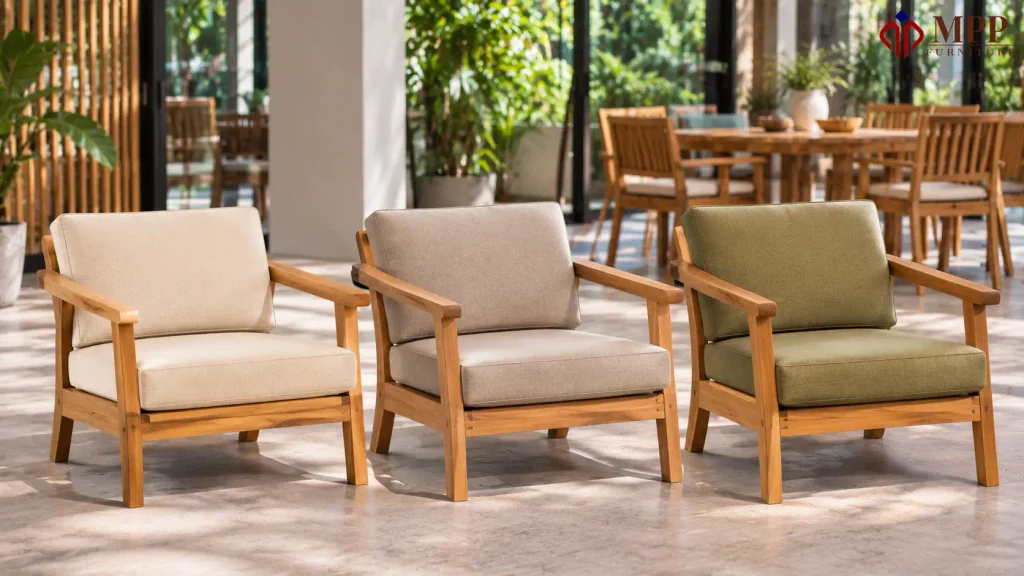
Redesign is worth testing when shoppers show interest but a specific product feature limits purchases or causes returns. Review feedback about seat comfort, dimensions, finishes, or cushion options before assuming the whole design should disappear.
In 2025, we worked with a US buyer developing a 2026 outdoor collection around consistent seating-frame designs. For some variations, the buyer changed cushion colors while keeping the frames and finishing direction consistent, as described in our matching sets and mix-and-match guide.
That was a documented collection-development choice, not a recorded recovery of a slow-selling SKU. It shows how selected options can change while core specifications stay fixed. Before choosing redesign, confirm new samples, pricing, minimum quantities, and approval timing with your manufacturer.
When Should Retailers Discontinue an Outdoor Furniture SKU?
Retailers should consider discontinuing a SKU when weak demand continues across comparable seasons, margins remain unattractive, and unsold stock keeps growing. Before retiring it, check whether the item supports a matching set, replacement needs, or an important price point.
Stopping future orders and canceling an approved purchase order are different decisions. You may remove an item from next season’s assortment while materials or production work remain committed under an existing agreement.
Reconcile stock on hand, incoming units, and the value of unsold inventory before setting an exit date. Ask your manufacturer which quantities or components have already been committed and what changes the agreement permits.
What Happens When Retailers Change an SKU Decision After Production Approval?
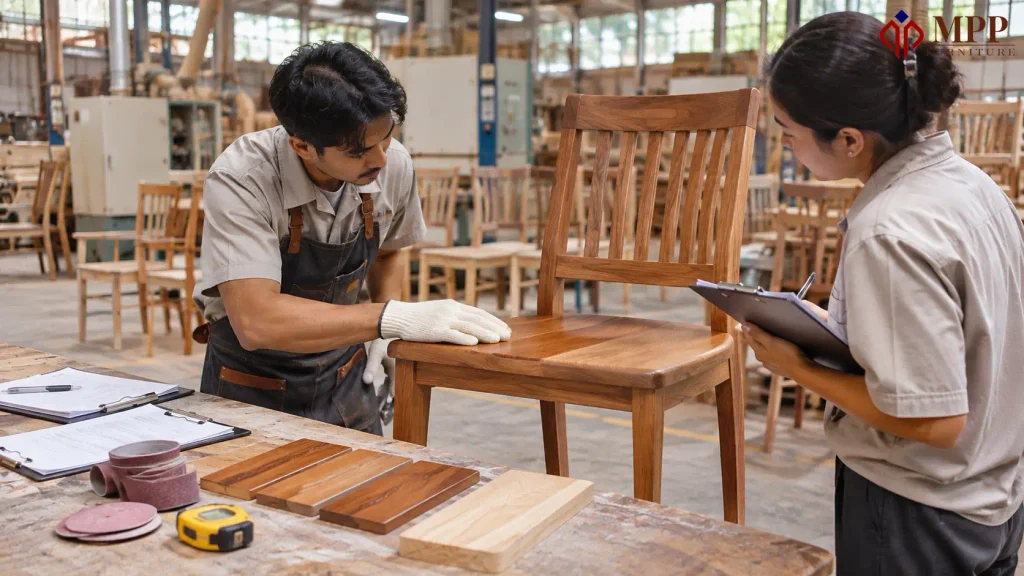
Changing an approved furniture SKU can require more than updating a product sheet. The factory may have allocated materials, assembled components, applied finishing, or packed completed goods. A hold, redesign, quantity reduction, or cancellation must be assessed against the agreement and actual production stage.
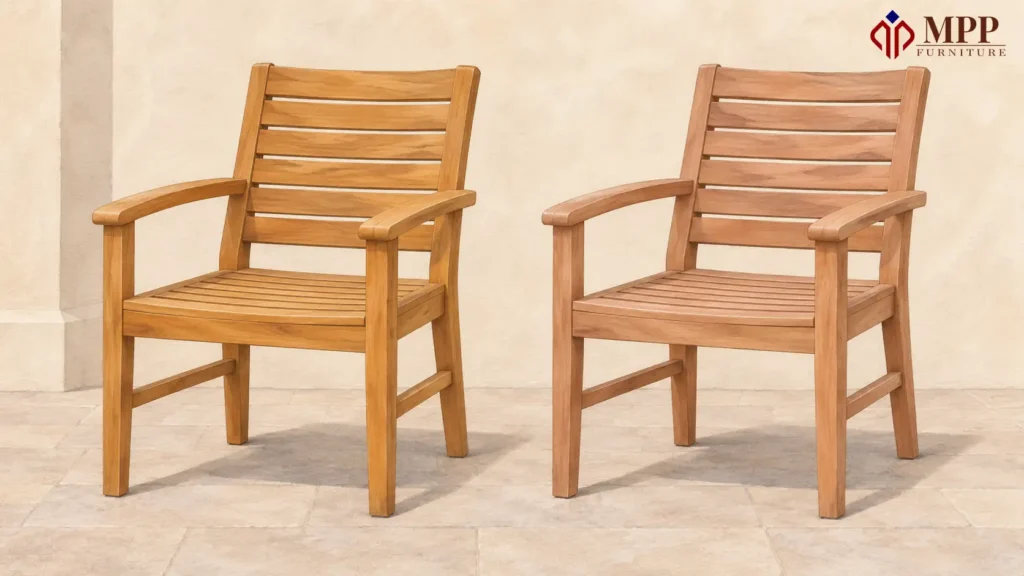
Our documented teak dining chair finish-change case involved indoor chairs, but its production lesson applies to outdoor orders too. A buyer requested an unfinished appearance after the approved warm finish had been applied and the products were awaiting packaging. Because the chairs matched the approved sample, we had to remove the applied color and repeat finishing work for a buyer-requested change, not a manufacturing defect.
Our furniture shipment-delay guide explains how we distinguish QC-passed, rework, and packed quantities instead of relying on one overall completion percentage. These records help show what is physically ready; they do not, by themselves, decide whether a purchase order may be changed.
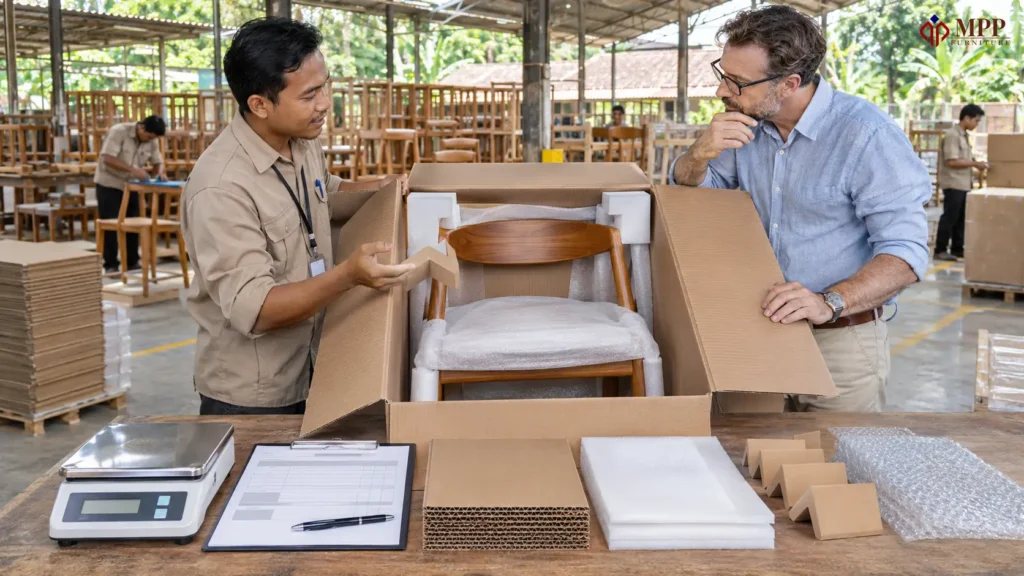
Before requesting a revision, share the affected SKU codes, quantities, approved specifications, proposed changes, and target arrival dates. Ask for a written review of committed materials, required rework, possible costs, revised timing, and new approvals. Retailers make the commercial decision; manufacturers explain what is feasible.
Final Thoughts: Make SKU Decisions Before Manufacturing Commitments
SKU rationalization is not just about removing slow sellers. Reorder when demand and replenishment timing align, redesign when a defined product problem can be corrected, and discontinue when the commercial case no longer supports the SKU.
Review the retail evidence before approving production whenever possible. If a factory order is already underway, check existing commitments first so assortment optimization does not create unexpected costs.
Plan Your Next Furniture SKU Decision With MPP Furniture
Planning your next furniture SKU decision? Share your SKU list, product specifications, proposed quantities or changes, and target arrival dates with MPP Furniture.
With in-house production and quality control, we offer free consultation and product development for custom, OEM, and private-label furniture orders. Our team can discuss manufacturing feasibility and the impact of proposed changes while your team retains control over its assortment.
FAQ: Outdoor Furniture SKU Rationalization
1. How often should outdoor furniture retailers review their SKUs?
Review SKU performance after each major selling season and before approving repeat orders. You should also reassess products when stock levels, customer demand, or purchasing plans change significantly.
2. Should retailers reorder a best-selling SKU if its profit margin is declining?
Not automatically. High sales volume does not always mean healthy profitability. Compare discounts, landed costs, returns, and inventory expenses before committing to another production run.
3. Can retailers reorder individual chairs without purchasing the complete outdoor furniture set?
Yes, if the manufacturer accepts separate orders for those SKUs. Confirm minimum order quantities, updated pricing, and production lead times first, because an initial mixed-SKU order does not automatically establish separate reorder terms.
4. Does changing an outdoor furniture SKU's cushion color require new sample approval?
A revised cushion color should be approved before bulk production if it changes the agreed specification. Confirm the new color reference, affected quantities, pricing, and production timing with your manufacturer to avoid misunderstandings.
5. Can retailers discontinue a furniture SKU while an approved purchase order is still in production?
Retailers can remove the SKU from future assortments, but stopping an approved production order requires agreement with the manufacturer. Review committed materials, completed work, possible additional costs, and cancellation terms before confirming the change.

A versatile content creator with a strong foundation in product photography and videography, and a comprehensive brand strategy. Capable of creating engaging content to connect consumers and producers, web analytics, and engaging visual content to drive interest and growth for a product or brand.
0 Comments