Fast-moving retail collections have a tricky job: they need fresh design often, but every new SKU still has to make commercial sense. If the material is too expensive, too slow to develop, or too rigid in finish options, a seasonal chair can become old news before it earns its place on the showroom floor.
That is where Mindi wood deserves a closer look. And the reason is not just price: its real advantage appears when production, finish options, and collection refresh cycles are considered together.
This guide breaks down how Mindi supports a high-rotation retail strategy. You will learn to balance per-unit costs, accelerate production, and leverage versatile finishes to confidently build a profitable, trend-led chair collection.
Why Fast-Moving Collections Need a Different Material Strategy
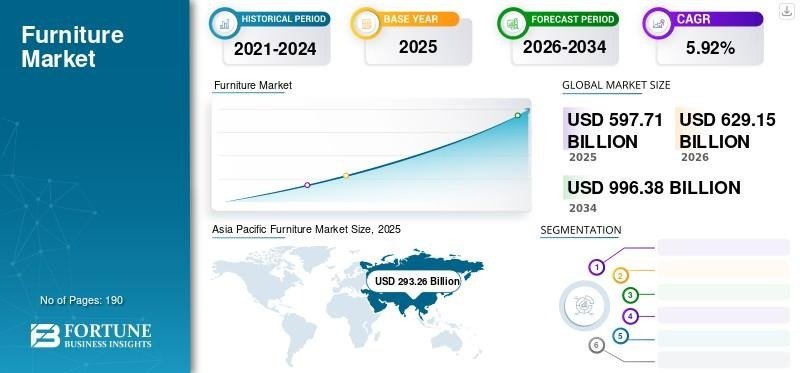
The global furniture space is moving incredibly fast, with the indoor segment alone projected to capture a massive 89.53% market share in 2026, according to Fortune Business Insights.
Furthermore, wood remains the undisputed favorite among consumers, expected to dominate with over 62% of the market. This means your fast-moving collections need a smart wood strategy that can meet this massive demand without inflating your production costs.
A trend-led occasional chair is not planned like a long-term investment piece. Retailers may need to refresh silhouettes, fabrics, stains, or woven details more often, so the material has to support change without turning every update into a costly reset.
Price is only one part of the decision. Structural performance, repeatability, finishing control, and the factory's ability to reproduce the approved design also matter, which is why buyers should understand the technical factors when buying Mindi wood furniture before scaling a line.
Mindi is often overlooked because buyers tend to compare wood species by prestige first. For a fast-moving indoor collection, the better question is whether the material fits the product cycle, intended retail price, and amount of design change required.
What Makes an Occasional Chair Collection 'Fast-Moving'
Shorter Product Cycles and More Frequent Design Refreshes
A fast-moving occasional chair collection may change more often than a core dining or bedroom line. Retailers can test a new back shape, fabric, finish, arm detail, or woven panel without rebuilding an entire category.
This works better when development is flexible from the start. A clear custom furniture product development process gives retailers more room to test ideas before committing to larger volumes.
Lower Per-Unit Price Expectations From End Customers
Customers shopping trend-led occasional chairs may expect a lower per-unit price than buyers choosing long-term premium furniture. Retailers still need a product that feels well made and visually current while protecting margin.
Mindi can fit that middle position because it offers a solid wood look without forcing every chair into the price bracket of premium hardwoods. MPP's guide on whether Mindi furniture is a good investment also explains how appearance, indoor performance, and cost can stay balanced.
Higher Tolerance for Style Variation Across a Single Collection
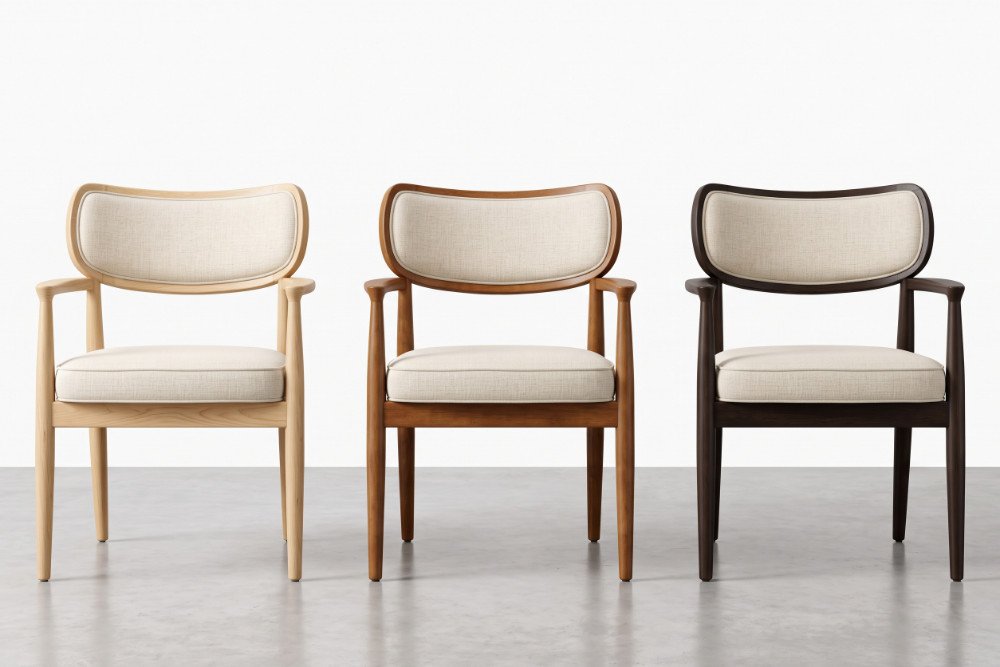
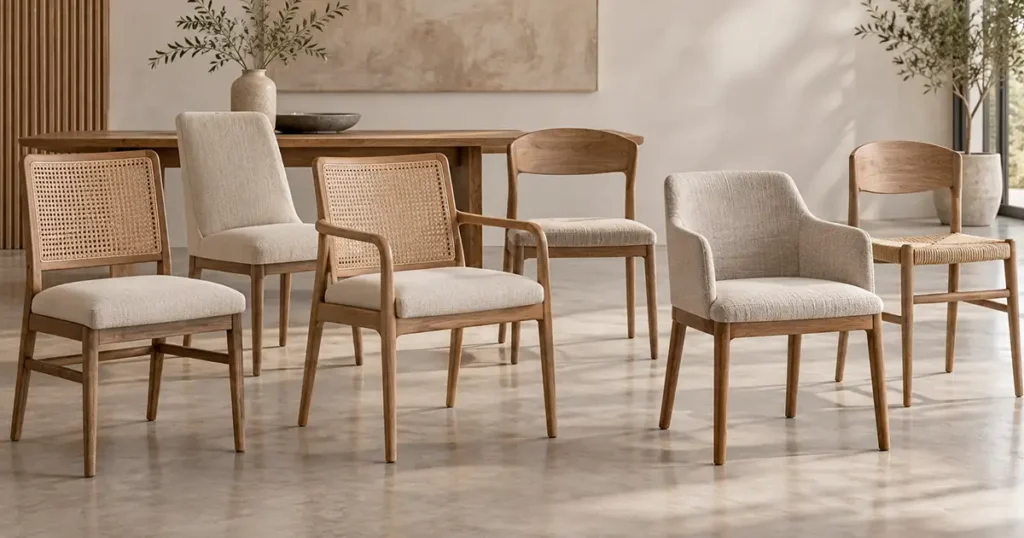
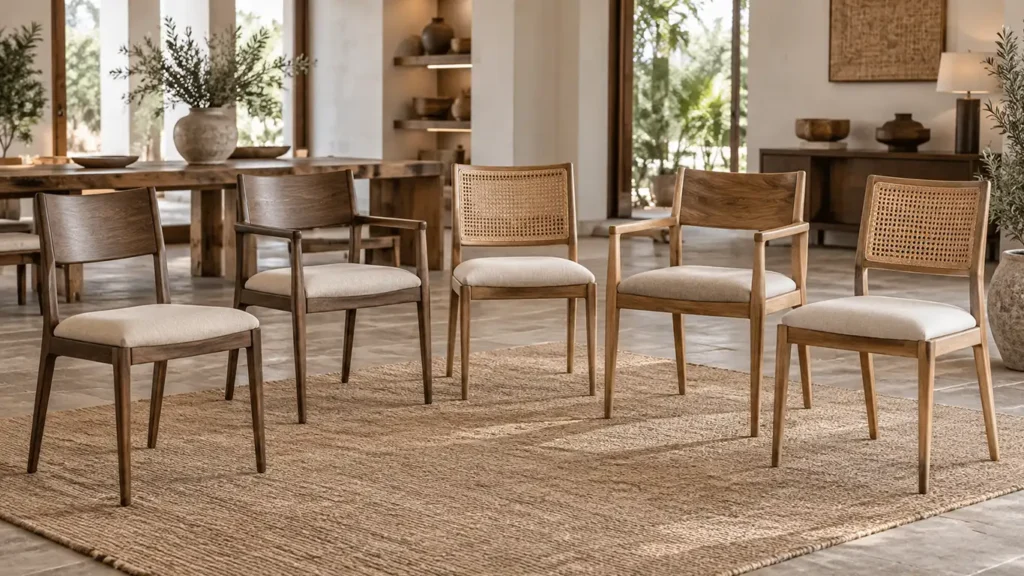
Fast-moving collections can handle more visual variation than tightly matched legacy ranges. One chair family might use a natural finish, another a darker stain, while another combines Mindi with upholstery or woven material.
That freedom suits Mindi because its surface accepts a wide range of finish directions. The guide on how to style Mindi furniture shows how it can work with upholstery, rattan, metal, and different tonal treatments.
Why Mindi Wood Fits Fast-Moving Occasional Chair Collections
Production Turnaround Compared to Premium Hardwoods
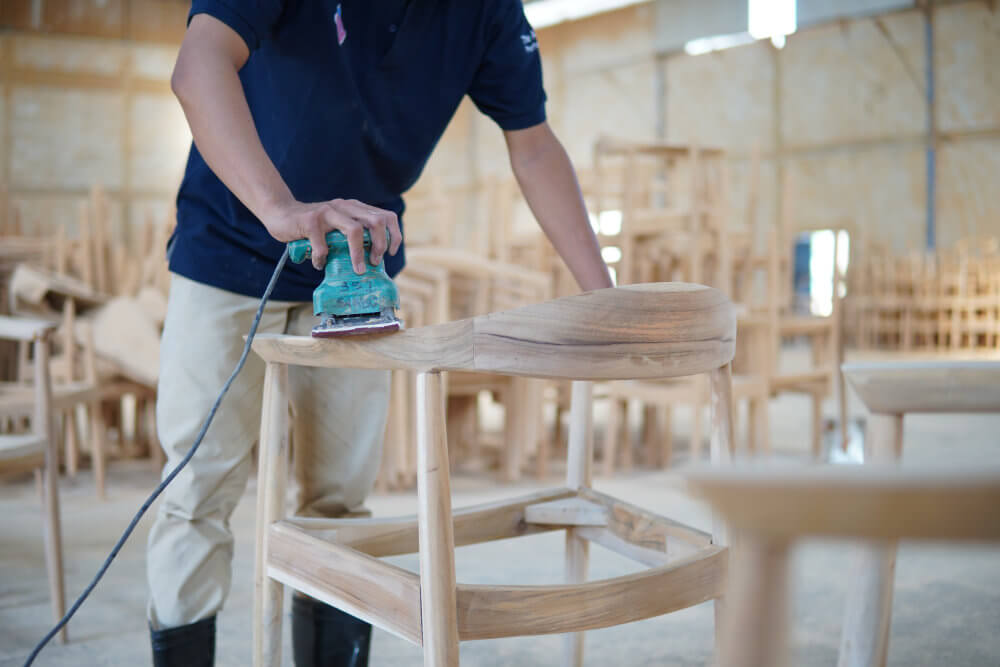
Mindi is relatively workable compared with denser premium hardwoods, so it can support efficient shaping, machining, sanding, and product development. That helps retailers move from concept to an approved seasonal design with fewer material constraints.
However, workability means little without stability. Based on our manufacturing experience, the single most critical step in processing Mindi is neutralizing its natural tendency for excessive wood movement through a rigorous and precise kiln-drying procedure.
Still, Mindi does not automatically mean a shorter lead time. Design complexity, upholstery, finish steps, order quantity, raw material readiness, and factory capacity all affect turnaround.
Cost Structure That Supports Frequent Collection Refreshes
A collection that changes often needs enough cost room to test, edit, and retire SKUs without treating every new chair as a long-term capital piece. Mindi can support that model because it sits in a more accessible material tier while still giving retailers the visual appeal of solid wood.
This lets retailers keep higher-cost woods for premium ranges and use Mindi where price flexibility and design rotation matter more. The goal is not to make the line look cheap, but to give the collection room to change.
Design and Finish Flexibility Across Different Chair Styles
Occasional chairs sell as much through personality as function, so material flexibility matters. Mindi can move from natural and light-toned finishes to darker stains, matte surfaces, upholstered seats, leather details, or Mindi-rattan combinations.
A retailer can keep the collection visually related while changing fabric, finish, texture, or detail from one drop to the next. This flexibility supports rapid seasonal refreshes without the headache of constantly rebuilding your Indonesian mindi furniture sourcing base.
Read also: If you plan to expand your trend-led seating into a wider catalog, understanding how this timber behaves across larger pieces is crucial. Explore what retailers should know about Mindi wood for indoor furniture to maintain visual continuity across your brand.
What Retailers Should Plan Before Building a Mindi Occasional Chair Line
First, confirm supply consistency with the manufacturer before planning repeat seasonal orders. A launch loses momentum if the approved wood grade, finish, or construction cannot be reproduced for restock.
Next, plan finish options around the collection's visual theme. More choices can be fun, but too many variations can make the assortment feel scattered, so select the finishes that support the story your showroom or online catalog is trying to tell.
Retailers should also set realistic restock timing before announcing a launch date. MPP's furniture manufacturing services include custom development and in-house production, but schedules still depend on specification, order size, finish, upholstery, and production queue.
Finally, decide where the Mindi line sits beside existing premium ranges. It may work best as a seasonal line, an accessible design collection, or a private-label chair program rather than a replacement for every premium hardwood item.
Final Thoughts: Takeaways
Fast-moving collections benefit from materials chosen for turnaround, flexibility, and commercial fit, not price alone. Mindi wood can support frequent design refreshes while still giving retailers a solid wood product with suitable everyday indoor durability when it is processed and built correctly.
The smartest role for Mindi is often as a complement to premium ranges, giving retailers another material tier for seasonal, private-label, or trend-led occasional chairs. If you are comparing Indonesian furniture manufacturers for your next Mindi chair collection, MPP Furniture combines handcrafted production with machinery precision, quality control across production stages, free consultation, product development, and custom design support.
Reach out to our team to discuss Mindi wood occasional chair options for your next seasonal collection.
Frequently Asked Questions About Mindi Occasional Chairs for Retail
1. Is Mindi wood suitable for occasional chairs?
Yes, especially for indoor occasional chairs when the wood is properly dried and the frame is built with sound joinery. It works well for designs that need solid wood character, finish flexibility, and everyday indoor use.
2. Is Mindi cheaper than teak for retail chair collections?
In general, Mindi sits below teak in material cost and market positioning. That can give retailers more room to develop mid-tier chair collections without losing the visual appeal of natural wood.
3. Can one Mindi chair design be produced in different finishes and upholstery options?
Yes. Mindi's finish receptiveness and workability make it suitable for variations in stain, upholstery, woven panels, leather, and mixed-material details when the factory documents the approved specifications.
4. Does Mindi automatically make furniture production faster?
No. Its workability can help product development and machining, but production time still depends on design, finish, upholstery, order quantity, raw material readiness, and factory capacity.
Ready to Build Your Mindi Occasional Chair Line?
Reach out to our team to discuss Mindi wood occasional chair options for your next seasonal collection. We combine handcrafted production with machinery precision, quality control, and custom design support.

I am a Web Designer, Technical SEO Specialist, and writer with 6+ years of experience in website optimization and search visibility. For more than a year, I have supported MPP Furniture’s growth, and I am currently expanding my role as an author to help B2B furniture buyers make more informed business decisions through informative, practical, and impactful articles.
0 Comments