Retailers often make a costly misstep with Mindi wood long before the first shipping container is even ordered. It usually starts when they judge the material based on just one isolated chair or table sample. But what happens when you try to expand that exact same wood across your entire indoor collection?
Mindi wood definitely has the flexibility to support a broader furniture line, but it isn't a magic bullet for every single product. The real secret lies in understanding how its unique characteristics, indoor durability, and cost structure actually fit together. Ready to figure out exactly where Mindi shines so you can plan your next collection confidently?
Why Mindi Wood Deserves a Broader Look Beyond Specific Product Categories
Retailers often fall in love with Mindi through one successful item, only to start from scratch when evaluating their next design. Taking a broader look at this material can save you a ton of time during product development. The exact same strengths that make a Mindi dining chair work can easily translate into stunning bedroom or storage pieces.
If your team is still exploring the basics, our guide on is Mindi wood good for furniture breaks down its general qualities nicely. But for serious collection planning, you need to know how these traits behave across multiple SKUs.
Using Mindi across different categories is also a fantastic way to build visual continuity in your catalog. A dining table, bedside stand, and console can suddenly feel like a cohesive family. It all comes down to controlling the grain selection and finishing right from the development stage.
What Defines Mindi Wood as an Indoor Furniture Material
Grain, Color, and Texture Characteristics Relevant to Indoor Use
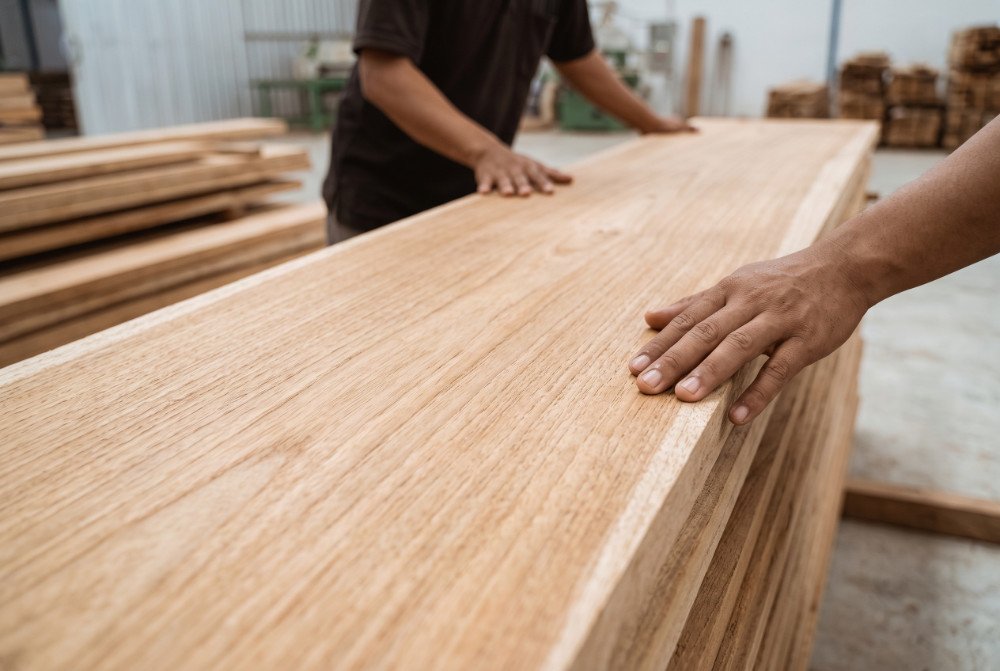
Mindi naturally boasts a light brown to pale grey tone paired with a beautifully fine, fairly straight grain. MPP Furniture sources its Mindi directly from Central Java, Indonesia, where the region's established plantations and ideal climate yield highly consistent and mature timber. This reliable raw material gives designers the perfect canvas for pieces where the exposed wood is meant to be the star.
Across a full collection, this consistent grain helps connect different product types without making them look like exact clones. Of course, natural variations will always exist in real wood. Just make sure you and your manufacturer agree on the acceptable range of variation before hitting mass production.
Density and Workability Compared to Other Mid-Tier Hardwoods
Known scientifically as Melia azedarach (or Chinaberry), this wood sits in a sweet spot for indoor furniture with an average dried weight of 610 kg/m³ and a Janka hardness of 990 lbf. This moderate density gives it fantastic workability, meaning it cuts, planes, sands, and glues exceptionally well. As a result, the timber can be effortlessly machined into both sleek, simple forms and intricate custom components.
This excellent workability is a game-changer for retailers who are developing diverse product lines. You can easily carry shared curves, leg profiles, or edge details from one SKU to another without manufacturing headaches. Best of all, it lets you maintain a cohesive aesthetic across your entire collection without making the furniture feel overly heavy or bulky.
Typical Moisture and Climate Behavior in Indoor Environments
Like any natural material, Mindi performs at its best indoors when the drying and production processes are strictly controlled. For export-grade furniture, MPP targets a moisture content range of 8 to 12 percent to keep things stable.
If you want to geek out on the production side, our Mindi wood furniture technical check covers everything from joinery to moisture control. Remember, a fancy wood species name alone won't guarantee stable furniture. The quality of the processing behind the scenes is what truly matters.
Where Mindi Wood Performs Well Indoors
Furniture Types That Benefit Most From Mindi’s Characteristics
Mindi is a versatile player, thriving in categories like dining tables, consoles, cabinets, and bedroom furniture. These pieces give you plenty of room to show off the wood’s natural grain while tweaking dimensions to fit your specific design vibe.
You can see how well this works in our indoor furniture collection, where dining and living items sit perfectly under one unified sourcing program. This versatility makes Mindi far more exciting as a foundational collection material rather than just a one-off experiment.
Thanks to its great workability, Mindi is also a fantastic choice for smaller-space living. If you're targeting urban markets, our piece on Mindi wood furniture for apartments breaks down why it's such a smart fit.
Finish and Stain Compatibility for Indoor Collections
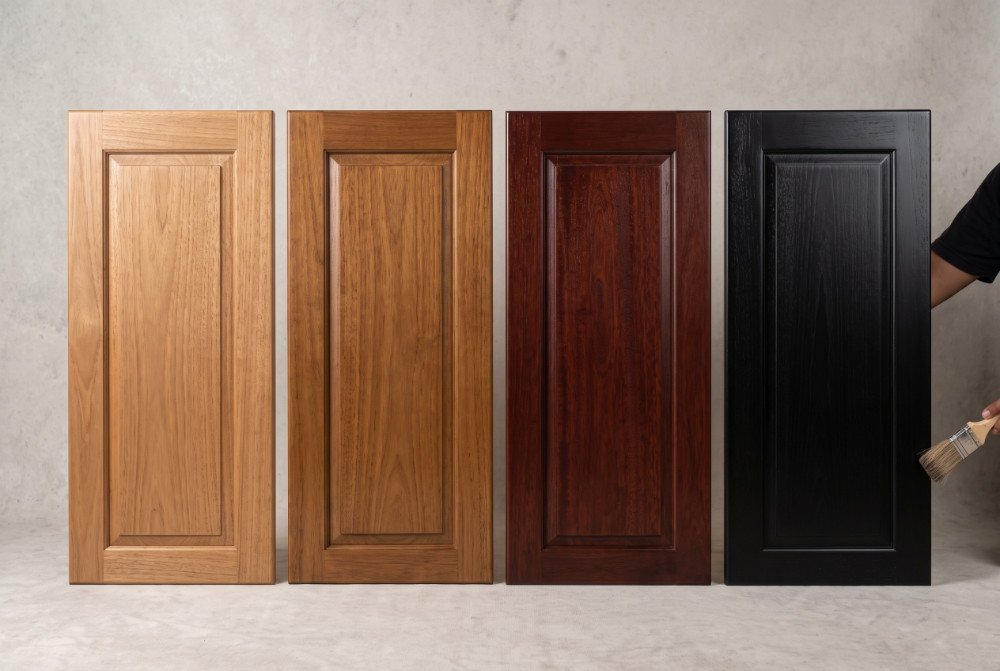
When it comes to finishing, Mindi offers incredible flexibility for your indoor collections. Because the wood takes coatings beautifully, MPP’s factory can easily optimize finish tones for different markets, offering everything from natural and warm brown to sleek black options. This versatility means one base material can create totally different visual moods without forcing you to redesign the entire product.
However, if you are selling these pieces as a cohesive set, your color matching needs to be absolutely spot-on. Even minor finish differences become glaringly obvious when products sit right next to each other on the showroom floor. Setting strict visual standards with your manufacturer early on will save you from these costly mismatch issues.
Cost Advantages Across a Broader Indoor Product Range
Cost-wise, Mindi gives you the breathing room to build solid-wood collections without the premium hardwood price tag. Its approachable material cost and easy machining make it a powerhouse for targeting mid-range customers who crave real wood character.
If you want to run the numbers, our Mindi wood furniture cost guide covers pricing factors and material comparisons in detail. Ultimately, this lower financial barrier lets you test multiple SKUs comfortably, rather than blowing your entire budget on a single premium item.
Learn more: While Mindi offers excellent workability and finish flexibility, comparing its profitability against other mid-tier woods is vital for your bottom line. Dive into our cost analysis in Mindi Wood vs Acacia for Indoor Furniture to see which delivers better retail margins.
Where Mindi Wood Has Limitations Indoors
Use Cases Better Suited to Premium Hardwoods
Let's be realistic: Mindi doesn't need to replace heavy-hitters like teak or mahogany in every single scenario. If your product relies on a luxury material story or faces demanding exposure conditions, a premium hardwood might still be the better call.
It’s also crucial to separate indoor success from outdoor survival. Just because your Mindi dining set is a hit indoors doesn't mean the material belongs on a sun-drenched patio.
Situations Where Mindi’s Characteristics May Not Hold Up as Well
From an end-use perspective, Mindi might struggle with high-traffic commercial applications, heavy-load requirements, or large unsupported panels that are prone to bending. In these highly demanding situations, how the furniture is engineered and reinforced matters far more than the name of the wood. You might even find that switching to a denser hardwood is the much safer bet for those specific SKUs.
Additionally, the wood is highly sensitive to climate shifts during production, meaning it can easily warp if left on a factory floor during a rainy night. Because of this environmental sensitivity, Mindi will ultimately fail if the drying or joinery processes are rushed by the manufacturer. That gorgeous showroom sample means nothing if the factory lacks the strict climate control needed to protect your investment before it ever ships.
What Retailers Should Verify Before Building an Indoor Mindi Collection
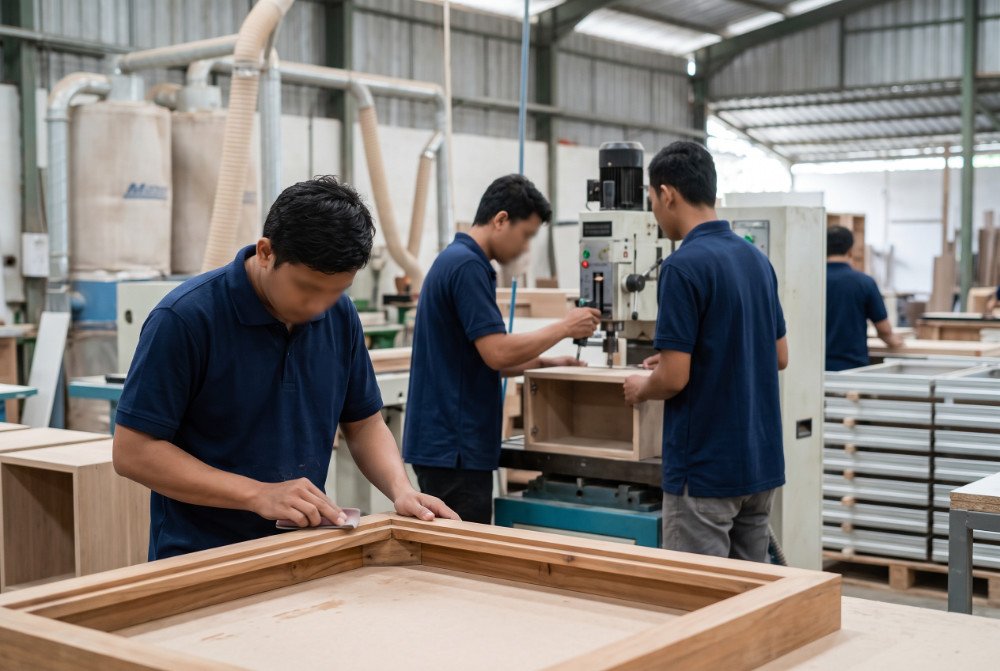
Before you scale up, ask your supplier the tough questions about moisture control, timber grading, and finish consistency. You also need to verify if their construction standards adapt properly when shifting from a simple chair to a heavy cabinet.
When scouting an Indonesian mindi furniture manufacturer, look past the shiny sample to evaluate their internal process control. MPP ensures predictable batch quality by managing everything in-house, from strict timber grading to final inspection. Keeping this entire workflow under one roof guarantees far better consistency across your custom collection.
For custom lines, make sure to iron out the details during your very first development meeting. Get on the same page about grain direction, acceptable color variations, and hardware before the machines even turn on.
Final Thoughts: Takeaways Before Expanding Your Indoor Collection With Mindi Wood
Mindi wood truly shines when you stop treating it as a one-off material for a single SKU. With its lovely visible grain, design flexibility, and finish options, it’s a brilliant foundation for a cohesive indoor collection.
However, knowing its limits is just as important as seeing its potential. Lean into Mindi where the production methods make sense, but don't be afraid to tag in a premium hardwood when the design demands it.
If you're developing custom ranges, your smartest first move isn't picking out more product designs. It’s locking down the material, finish, and quality standards that will guide every piece that follows.
FAQs About Mindi Wood for Retailers
1. Is Mindi wood suitable for indoor furniture?
Absolutely! Mindi is a fantastic choice for a wide variety of indoor dining, living, and bedroom products. As long as it is properly dried, expertly constructed, and finished well, it will serve your customers beautifully.
2. Can Mindi wood be used across multiple furniture categories?
Yes, it is actually highly recommended for creating cohesive collections. You can confidently use Mindi across related categories like storage and seating. Just make sure the construction methods match the specific daily function of each piece.
3. What finishes look best on Mindi wood furniture?
Because of its versatile nature, Mindi accepts a massive range of stains and coatings effortlessly. You can go for a breezy natural look, warm inviting browns, or even sleek dark finishes. Always remember to approve physical finish samples before giving the green light for a full collection.
4. What should I verify before ordering Mindi furniture in bulk?
Always check your supplier's track record with moisture control, timber grading, and reliable joinery. It's also crucial to ensure they have strict standards for finish repeatability. You need absolute confidence that they can reproduce your approved sample accurately during mass production.
Ready to Develop a Custom Mindi Furniture Collection?
To start planning your next indoor line, explore our indoor furniture collections or reach out to our team to help translate your design vision into production-ready reality.

I am a Web Designer, Technical SEO Specialist, and writer with 6+ years of experience in website optimization and search visibility. For more than a year, I have supported MPP Furniture’s growth, and I am currently expanding my role as an author to help B2B furniture buyers make more informed business decisions through informative, practical, and impactful articles.
0 Comments