Stocking teak dining chairs might seem like a no-brainer for a retail lineup, right? Well, that stunning sample in a showroom could easily turn into a logistical headache if the frame wobbles or a six-piece set arrives with mismatched colors. If you want to avoid costly returns, you need to know which teak dining chair characteristics actually matter once the wood is crafted into a working frame.
The secret to a great chair goes way beyond teak's legendary reputation. It all comes down to the behind-the-scenes magic: how the timber is selected, dried, joined, and flawlessly matched across a set. Let's dive into what separates a beautifully crafted chair from a poorly executed one.
Why Dining Chairs Deserve a Focused Look at Teak’s Fit
Teak is famous for conquering the outdoors, but bringing it inside for a dining chair places this premium material under entirely different demands. A chair relies on narrower parts and intricate joints and has to survive the constant pressure of daily shifting, sitting, and leaning. Retailers need to judge far more than just the wood species to ensure a solid product.
A great teak chair demands the right raw material and precision construction so all components work as a unified frame. Since smaller structural parts leave zero room for sloppy material selection, these traits are non-negotiable in furniture production. For a deeper look at how grain, density, and maturity impact final quality, read the guide on the characteristics of good teak wood.
What Makes Teak Suitable for Dining Chair Construction
Structural strength and load-bearing characteristics for chair frames
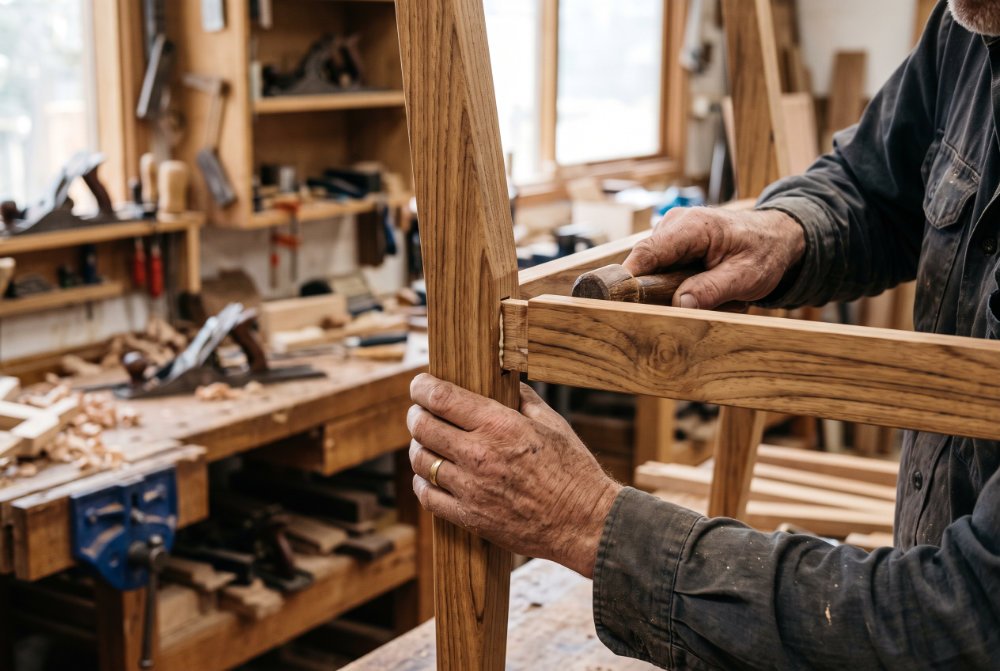
Teak naturally possesses the structural muscle needed for dining chairs, boasting a solid Janka Hardness rating of 1,070 lbf (4,740 N). However, this impressive density doesn't magically create a sturdy chair; the frame geometry, joint design, and assembly play massive roles in the final result. Assuming "solid teak equals a strong chair" is simply too good to be true without top-tier craftsmanship to back it up.
Even within this premium species, physical properties vary wildly and dictate whether a chair lasts for generations or loosens up quickly. For a deeper explanation of how age, heartwood content, and grain density differ from log to log, read why not all teak wood is the same.
How teak’s natural oils affect long-term durability
Teak's natural oils provide excellent moisture resistance, but they cannot prevent warping if the wood is improperly dried. A reliable manufacturer uses controlled kiln drying to keep moisture content strictly below 12% before assembly begins. To perfectly align these material specifications with your target budget, read the Grade A vs Grade B teak guide.
Grain and color consistency across a full chair set
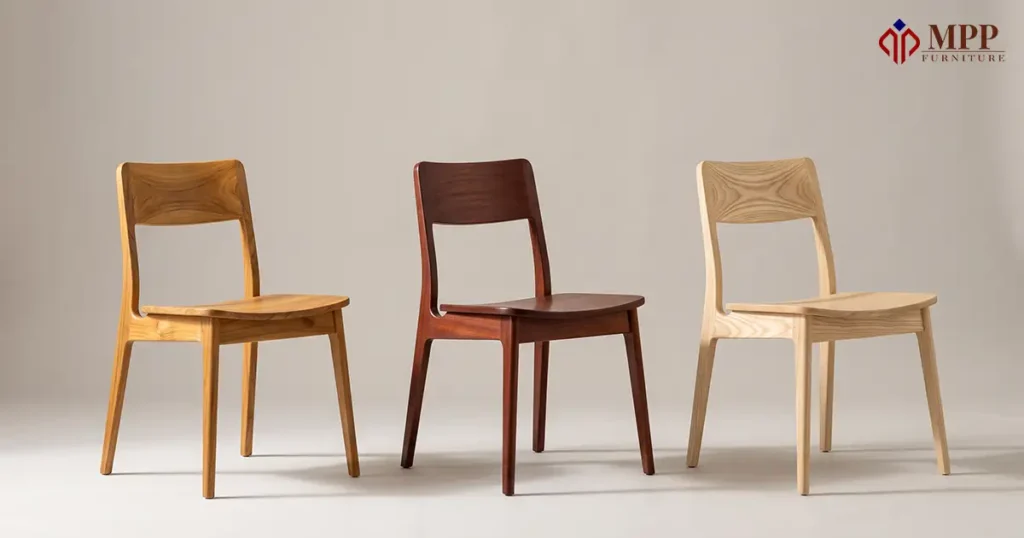
A single teak chair might look like a masterpiece, but it can completely ruin the vibe of a dining set if it doesn't match its partners. When four to eight chairs are grouped together, jarring differences in wood tone or grain direction instantly cheapen the overall look. While natural variation is part of solid wood's charm, a skilled factory knows how to control it so the chairs feel like a true family.
Visual harmony turns a simple dining set into a high-ticket showroom centerpiece, making rigorous visual matching checks mandatory before shipping. For a broader context on how dining collections are curated as a whole, read the insights on Indonesian teak dining furniture.
What to Expect From Teak Dining Chairs Compared to Other Categories
Weight and handling considerations for dining chair production
With an average dried weight of 655 kg/m³ (40.9 lbs/ft³), teak gives dining chairs a hefty, premium feel compared to cheaper timbers. Since this satisfying weight directly impacts shipping logistics and customer mobility, retailers must balance a solid feel with everyday practicality. Therefore, if you are developing a new line, working closely with your manufacturer during the design phase is crucial.
A sleek, minimalist teak frame paired with a woven or upholstered seat will feel dramatically lighter than a chunky traditional design. Retailers should always evaluate the physical sample to ensure the final weight aligns with their target market's expectations.
Finish options suited to indoor dining use
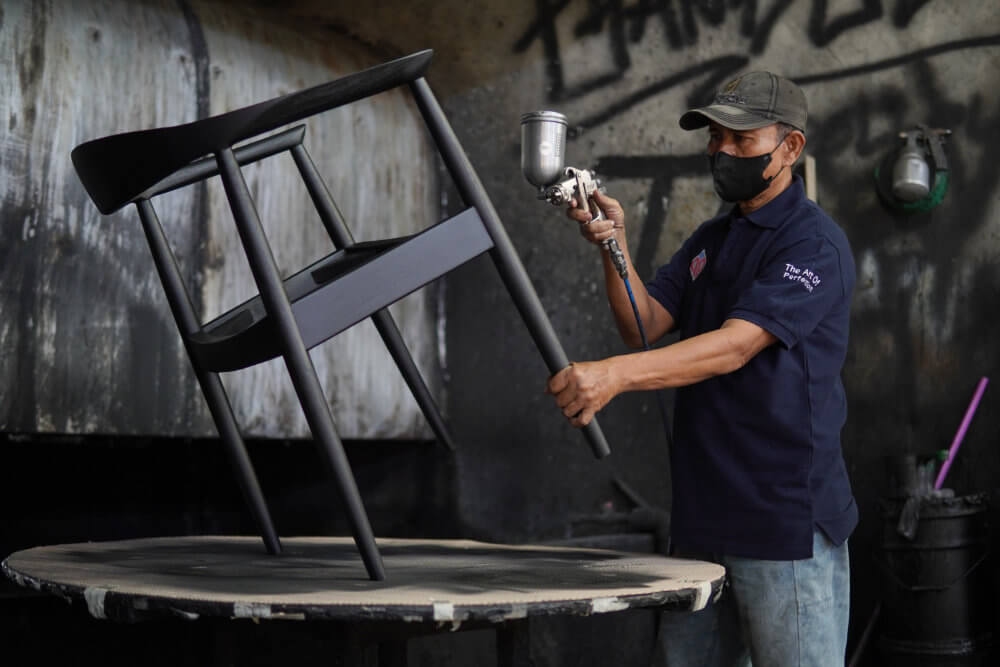
Teak's high natural oil and silica content (up to 1.4%) demands expert surface preparation from a factory before any topcoat is applied. Natural finishes beautifully highlight the golden-brown heartwood, which naturally darkens and richens with age. To ensure batch number ten looks exactly as stunning as batch one, always request physical samples to compare under your showroom's exact lighting and confirm how the factory records your specific finish recipe.
Beyond physical handling and finish options, retailers must weigh these premium construction features against their target margins. To determine if these material benefits justify the higher upfront cost, learn more in our financial breakdown: Is Teak Worth the Premium for Dining Chairs? A Retailer's Durability and ROI Breakdown.
How teak dining chairs typically perform under daily household or commercial use
A meticulously crafted teak dining chair is more than ready to handle years of repeated sitting, dragging, and wiping down. In bustling environments like restaurants or hospitality spaces, joint stability and finish durability require even closer inspection. That reliable daily performance is the result of a holistic building process, not just the raw timber.
Every step of production needs to be carefully orchestrated by the manufacturer. A capable teak furniture manufacturer in Indonesia will tightly control the drying, machining, assembly, and finishing as one interconnected ecosystem. When done right, these chairs become practically bulletproof.
What Retailers Should Verify Before Stocking Teak Dining Chairs

Always ask manufacturers about their specific joinery methods, as a one-size-fits-all approach rarely works for complex furniture. At MPP Furniture, we secure chairs using CNC-machined mortise and tenon joints with pin dowels, while our tables feature tongue and groove techniques with slotted screw holes to allow natural wood movement. You must also verify SVLK and FLEGT certifications to guarantee the teak is legally and sustainably sourced.
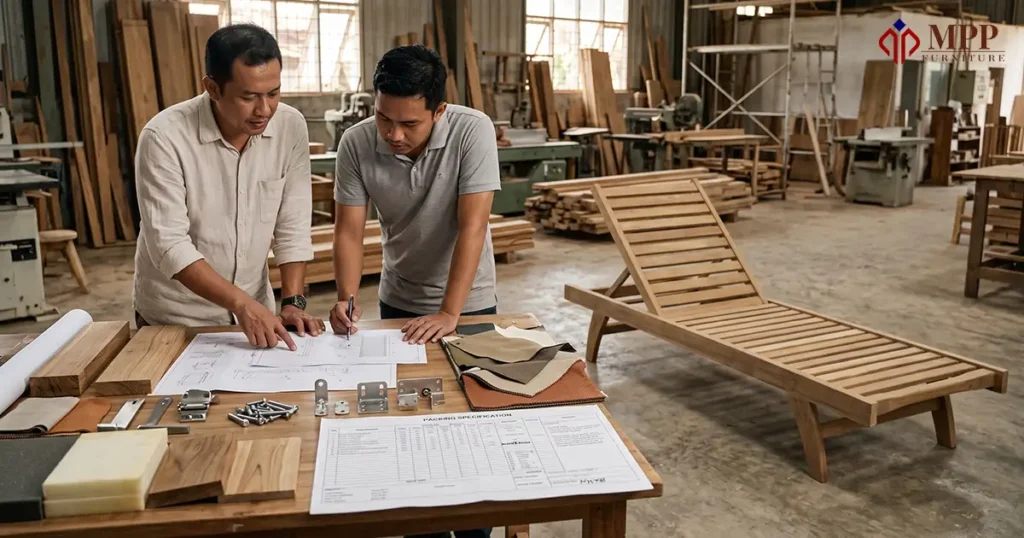
Partner with a manufacturer boasting low defect rates and the capacity to handle large monthly volumes. Be sure to inspect a full production set for grain consistency and explicitly request finish samples relevant to indoor dining use. This ensures the factory scales smoothly with your retail programs without compromising on aesthetic quality.
Most importantly, verify the factory's specific experience in crafting chairs, as they require strict control over complex angles and international dimensions. Operating a 16,000 m² facility, MPP Furniture leverages over 20 years of export experience to ensure our chairs meet the ergonomic standards of your global market. As an experienced Indonesian furniture manufacturer, our in-house expertise guarantees your custom designs translate flawlessly into reliable bulk production.
Final Thoughts: Key Takeaways Before Stocking Teak Dining Chairs
Teak is an absolute powerhouse for dining chairs, blending unmatched durability with visual warmth and a compelling premium story. However, retailers must look past the wood's reputation and scrutinize the frame, joints, moisture prep, and aesthetic consistency across sets. A truly great chair does a quiet job: customers should sit down and enjoy their meal without ever thinking about the construction.
For retailers, that peace of mind starts with partnering with a manufacturer who understands the nuanced, small-scale production details behind a stable chair. At MPP Furniture, we can help translate your design vision into production-ready reality for custom teak dining chair collections. Our simple aim is to craft a chair that looks stunning in your showroom and feels effortlessly right in your customer's home.
FAQs About Teak Dining Chairs for Retailers
1. Is teak a good wood for dining chairs?
Yes, teak offers incredible density, natural oils, and durability. However, the frame's specific design and joinery techniques are what truly dictate the finished chair's performance.
2. Does an indoor teak dining chair need a finish?
A finish is highly recommended to protect the wood, control its appearance, and make daily cleaning much easier. The best option simply depends on your intended aesthetic and how heavy the usage will be.
3. Is Grade A teak required for every indoor dining chair?
Not necessarily. Properly processed Grade B teak can look stunning and perform exceptionally well for indoor furniture when aligned with the right design and market positioning.
4. What should retailers check before ordering in bulk?
Always scrutinize the frame joinery, moisture preparation, and finish samples before signing off. Additionally, verify grain matching, dimensional consistency, and the factory's proven experience in producing chairs at scale.
Ready to Build Your Exclusive Teak Dining Chair Line?
To start planning your next dining chair line, explore MPP's dining furniture collections or visit MPP Furniture to discuss custom, private-label, or OEM development.

I am a Web Designer, Technical SEO Specialist, and writer with 6+ years of experience in website optimization and search visibility. For more than a year, I have supported MPP Furniture’s growth, and I am currently expanding my role as an author to help B2B furniture buyers make more informed business decisions through informative, practical, and impactful articles.
0 Comments