Many global furniture buyers associate Grade A teak with premium teak furniture. In practice, teak grading is only one part of a much larger production and sourcing decision.
Even premium teak does not automatically guarantee better furniture performance. The right teak specification depends on the furniture application, target market, visual expectations, and budget positioning.
This is one reason why Indonesian furniture manufacturers strategically combine multiple teak grades during production. The goal is not simply using the highest grade everywhere, but matching the right material to the right furniture function.
This article explains the real differences between Grade A and Grade B teak, where each grade works best, and why furniture quality depends on more than wood grading alone.
What “Grade A” and “Grade B” Actually Mean in the Furniture Industry
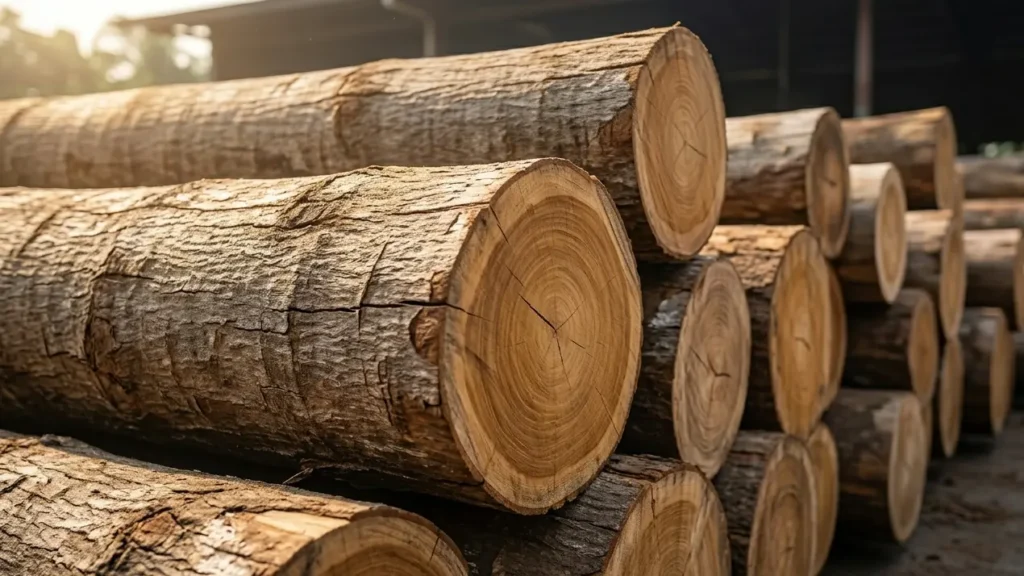
Teak grading in the furniture industry generally refers to the percentage of heartwood and visible sapwood within the timber. In many cases, the grading system also depends on the manufacturer’s production standards and target market positioning.
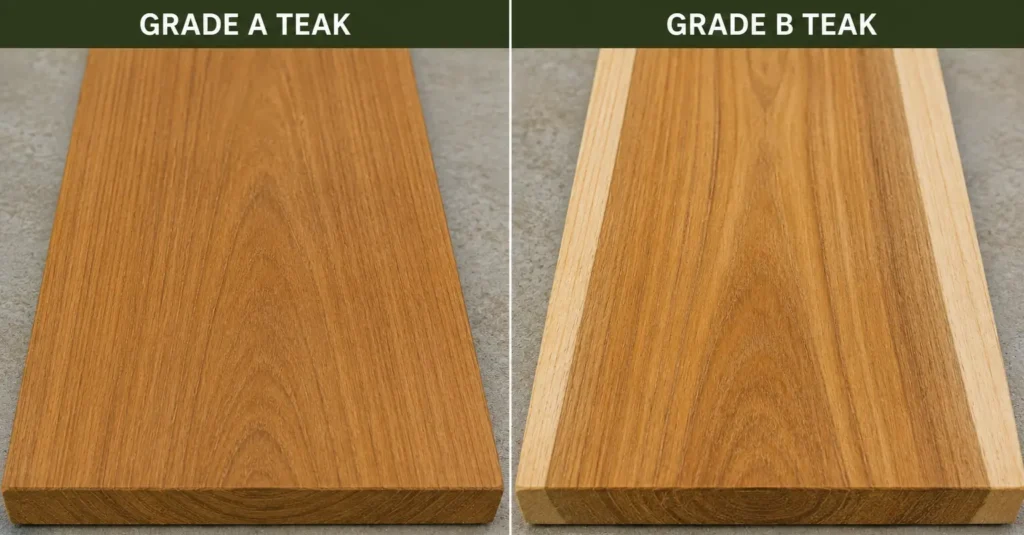
Grade A teak usually comes from the inner heartwood section, which has a more consistent golden-brown appearance. Grade B teak may contain more natural tone variation and visible sapwood in certain areas.
Buyers may also receive different interpretations of “Grade A teak” from different suppliers. This is why understanding the actual material specification is often more important than relying on grading labels alone.
For a broader explanation about teak classifications, you can also read Type of Teak Wood Guide.
The Real Differences Between Grade A and Grade B Teak
Visual Consistency
Grade A teak usually has a more consistent golden-brown appearance with smoother grain transitions. Grade B teak tends to show more natural variation in tone and grain pattern, and some areas may appear lighter because of visible sapwood.
In many indoor and rustic furniture collections, this natural variation can actually create a warmer and more organic appearance.
The differences are often subtle, especially when both materials are processed and finished properly.
Heartwood Composition
Grade A teak generally contains a higher percentage of heartwood because it comes from the inner section of the tree. This area is usually denser and visually more consistent in color.
Grade B teak is often a combination of heartwood and sections closer to the outer part of the tree. This creates more natural variation in appearance, but it can still perform well for many furniture applications.
In commercial furniture production, heartwood percentage should always be evaluated together with construction quality and moisture stability. Material selection alone does not determine long-term performance.
For additional technical information about teak properties, you can also refer to the Wood Database Teak Reference.
Natural Oil Content
Teak naturally contains oils that help improve resistance to moisture and outdoor exposure. The amount and consistency of these natural oils can vary depending on which part of the tree the timber comes from.
Grade A teak generally contains higher and more consistent oil concentration because it comes from mature heartwood sections. Grade B teak may contain lower or less consistent oil distribution because it includes areas closer to the outer part of the tree, where sapwood is more visible.
This is one reason why Grade A teak is commonly preferred for outdoor furniture collections. However, Grade B teak can still perform well when supported by proper kiln drying, construction quality, and finishing systems.
Oil content alone does not guarantee outdoor durability. Furniture performance also depends on moisture stability, joinery quality, finishing systems, and production consistency.
Why Grade B Teak Is Not Necessarily the Wrong Choice
Many buyers assume that Grade B teak automatically means lower-quality furniture. In reality, Grade B teak can still offer strong visual appeal and reliable performance when used in the right furniture application.
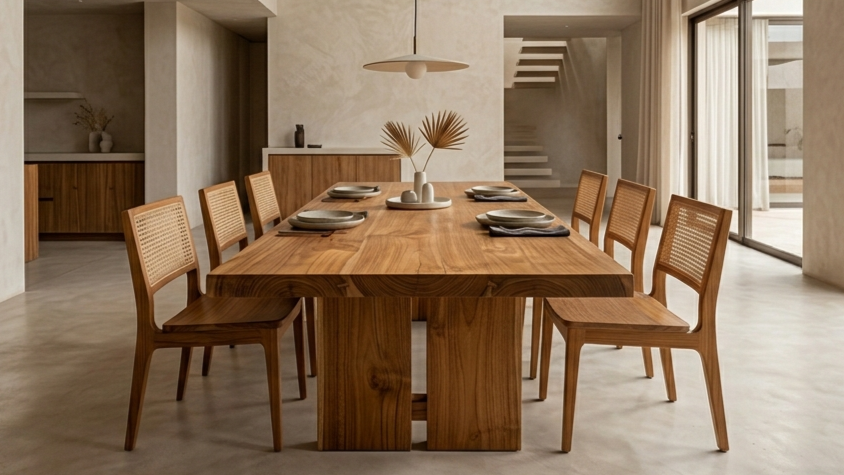
For indoor furniture, Grade B teak is often a commercially practical choice because the furniture is not exposed to extreme outdoor conditions. Dining tables, bedroom furniture, and storage cabinets can perform very well when properly processed Grade B teak is used.
Grade B teak is also commonly used in mixed-material furniture collections, including combinations with woven panels, metal frames, upholstery, or painted components.
Some buyers intentionally prefer natural variation because it creates a more handcrafted and organic character. In many retail markets, slight tone differences can make furniture feel more authentic instead of overly uniform.
You can also read Why Not All Teak Wood Is the Same for a broader perspective on teak sourcing and material differences.
Why Wood Grade Alone Doesn’t Define Furniture Quality
Many sourcing discussions focus too heavily on wood grade while overlooking the actual production system behind the furniture. In practice, premium raw material alone cannot compensate for weak manufacturing standards.
A poorly dried Grade A teak panel can still crack or warp after shipment. Weak joinery can also shorten furniture lifespan regardless of how premium the teak appears visually.
Furniture quality is a combination of material selection and manufacturing discipline. Both factors must work together to create stable long-term performance. For outdoor furniture specifically, durability depends not only on the grade of the teak wood but also on the consistency of the manufacturing process behind it, especially in determining how long outdoor teak furniture lasts in real outdoor environments.
Furniture Performance Depends on More Than Teak Grade
Kiln Drying
Before production begins, kiln drying helps stabilize the teak wood. Proper drying reduces the risk of wood movement, cracking, and structural instability after export.
Even high-grade teak can fail if moisture content is not properly controlled before manufacturing. This becomes even more important when furniture is shipped across regions with different climate conditions.
In Indonesian furniture manufacturing, production planning includes moisture monitoring because stable material preparation directly affects long-term furniture durability.
Construction & Joinery
Strong construction systems help furniture remain stable during long-term use. Joinery quality becomes especially important for export furniture exposed to movement during shipping and seasonal climate changes.
Weak structural connections can create wobbling, splitting, or joint failure over time. This problem can happen even when expensive teak material is used.
Reliable manufacturers focus heavily on machining precision and assembly consistency because structural stability affects customer satisfaction directly.
Moisture Content
Stable moisture content is often more important than visual grading alone. Wood that is too wet may continue shrinking after production, while wood that is too dry may become unstable in humid environments.
Most export manufacturers target controlled moisture levels before assembly. The correct target usually depends on the furniture application and destination climate.
This is one reason why experienced importers discuss technical specifications before production starts. Moisture stability directly affects long-term furniture performance.
Production Consistency
Production consistency helps reduce complaints related to assembly quality, finishing variation, and overall product reliability.
Consistent furniture quality depends on more than visually appealing wood selection. It also relies on stable production systems and quality control throughout the manufacturing process.
Factories with stable workflows are usually able to maintain more reliable visual consistency across production batches. This becomes especially important for wholesalers and retailers handling repeat orders across multiple seasons.
Why Teak Furniture Production Often Combines Multiple Wood Grades
Using multiple teak grades within a single production system is a common practice in the furniture industry. Manufacturers often combine different wood grades based on furniture function, visual priorities, and production efficiency.
Highly visible surfaces usually use material with stronger visual consistency, while internal structural components may use different sections of the wood more efficiently. This approach helps optimize material usage without affecting overall furniture performance.
It also helps maintain more reasonable production costs and reduces unnecessary wood waste during manufacturing.
This practice is especially common in large-scale commercial projects and wholesale production, where pricing balance and production efficiency become important considerations.
In some projects, buyers initially request full Grade A teak because they associate it with premium furniture quality. However, after discussing pricing, visual expectations, and furniture application, some buyers decide to combine multiple teak grades instead of using full Grade A throughout the entire product.
In our experience, many buyers realize that properly processed Grade B teak can still deliver reliable performance and strong visual appeal, especially for indoor furniture or mixed-material collections.
For buyers sourcing directly from Indonesia, the Indonesian Teak Furniture Manufacturer explains more about production capabilities and factory-based manufacturing systems.
Discussing the Right Teak Specification Before Production Matters
Every furniture market has different expectations. Luxury retail collections may prioritize visual consistency, while hospitality projects often focus more on durability and budget efficiency.
Indoor and outdoor furniture also require different material priorities. Outdoor furniture usually demands stronger weather resistance, while indoor collections often allow more flexibility in visual variation.
This is why discussing specifications before production becomes extremely important. Buyers and manufacturers should align expectations regarding visual appearance, furniture application, construction standards, finishing systems, and budget positioning.
Experienced manufacturers usually discuss these details early because consistent expectations help prevent production misunderstandings later. Clear communication often creates smoother sourcing outcomes for both sides.
If you are evaluating teak specifications for a furniture project, discussing the intended market and product goals before production usually leads to better long-term results.
Conclusion
Grade A teak and Grade B teak both have their place in furniture manufacturing. The right choice depends on commercial positioning, product application, customer expectations, and production goals.
Grade A teak generally offers stronger visual consistency and higher heartwood concentration. However, Grade B teak can still deliver reliable performance and attractive visual character when used appropriately.
Furniture quality depends on the full production system, not only wood grading. Kiln drying, moisture control, construction quality, joinery precision, and production consistency all play a major role in long-term performance.
Planning a teak furniture collection for retail, wholesale, or project-based sourcing?
Working with an experienced Indonesian manufacturer can help align teak specifications with your market expectations, pricing goals, and production requirements before manufacturing begins.
FAQs: Grade A and Grade B Teak
1. Is Grade B teak low quality?
No. Grade B teak can still perform very well when used in the correct furniture application and supported by proper production systems.
2. Is Grade A teak always better for furniture?
Not always. Grade A teak offers stronger visual consistency, but furniture quality also depends on drying, construction, and manufacturing standards.
3. Can Grade B teak be used for outdoor furniture?
Yes, depending on the design, construction system, and finishing approach. Outdoor performance is influenced by more than wood grading alone.
4. Why do manufacturers combine multiple teak grades?
Mixed-grade production helps optimize material usage, maintain production efficiency, and balance pricing without automatically reducing furniture performance.
5. What matters more than teak grade?
Furniture durability depends on several combined factors, including moisture control, kiln drying, joinery quality, finishing systems, and production consistency.

0 Comments