Many furniture collections look the same. When your catalog looks too similar to your competitors', your customer starts comparing you by price instead of brand value.
That is where custom furniture from Indonesia can help. With the right design direction, material choices, and production partner, custom furniture can turn a generic product line into a recognizable brand collection.
In short, you’ll learn how custom furniture helps your brand move from generic products to a recognizable collection identity
Why Generic Furniture Makes Brands Harder to Differentiate
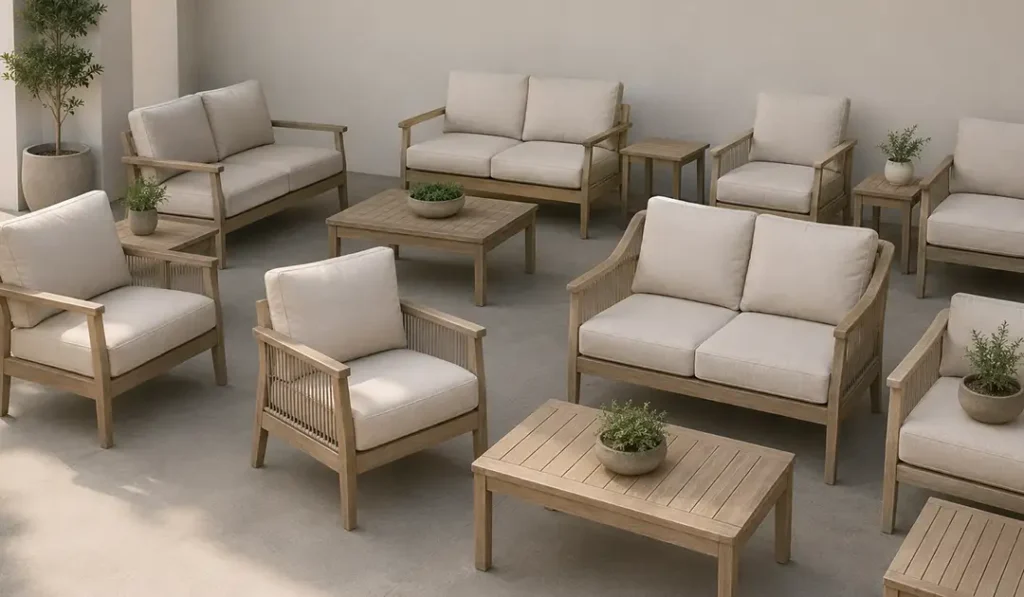
Generic furniture is easy to source, but it is also easy to compare. When many retailers sell similar chairs, loungers, tables, and sofa sets, customers start asking one question: “Who has the lower price?”
That creates a problem for furniture brands. If your products do not have a clear visual identity, your value becomes harder to explain. Your catalog may look complete, but not memorable.
Many brands use the same neutral cushions, similar frames, repeated rope patterns, and standard proportions. The result is a crowded market where products feel interchangeable.
For furniture retailers and importers, this weakens brand recall. Customers may like the product, but forget which brand offered it.
Custom furniture development gives you another path. Instead of only selecting from available catalog items, you can shape product details that reflect your own brand taste, customer profile, and market positioning.
This approach makes sense when your catalog starts looking too close to competitors and your buyers begin focusing more on price than product identity.
Why More Furniture Brands Are Investing in Custom Collections
More furniture brands are investing in custom furniture collections because they want more control over how the market sees them. They are not only developing products. They are shaping product identity and brand identity at the same time.
For example, one of our buyers from the United States developed an outdoor collection with a consistent frame character and color direction across several products. This helped the collection look unified, so it could be presented as a complete outdoor living set instead of separate items.
For the buyer, this also opened a stronger upselling opportunity. When a chair, table, sofa, and lounger share the same design language, it becomes easier to offer them as one cohesive collection. The customer is not only buying one product; they are buying a full concept.
Custom collections also create exclusivity. Since the design is developed around your own brand direction, competitors cannot easily offer the same product. This gives your brand a stronger presence in the market and helps reduce direct comparison with generic catalog items.
For retailers, this creates a stronger showroom presence because the display feels curated, not random. For importers and distributors, exclusive collections can make your offering more attractive to trade buyers because they get a product story they can sell to their own customers.
Hospitality brands also look for furniture that fits a concept. Hotels, resorts, villas, restaurants, and beach clubs often need furniture that supports the mood of the property. A generic product may fill the space, but a custom furniture collection can help the outdoor area feel more intentional and easier to remember.
To see how tailored furniture can support wider business goals, read more about how custom furniture impacts business growth through brand perception, customer experience, and long-term value.
How Custom Furniture Creates Signature Brand Identity
Custom furniture creates a signature brand identity through details that customers can recognize across a collection. The goal is not to make a design that is difficult to produce. The goal is to create a product with a clear visual character that still works for real production, shipping, display, and daily use.
1. Unique Frame Design, Fit Proportions, and Silhouettes
A unique frame can help customers remember your brand. The shape of the legs, arm profile, backrest curve, frame thickness, and seat proportion all create a visual impression before customers even touch the product.
But a unique design does not have to mean extreme design. Extreme shapes can make production more difficult, increase material waste, complicate packaging, and create a higher risk during shipment. In B2B furniture, a strong design should be distinctive yet still feasible to produce at scale.
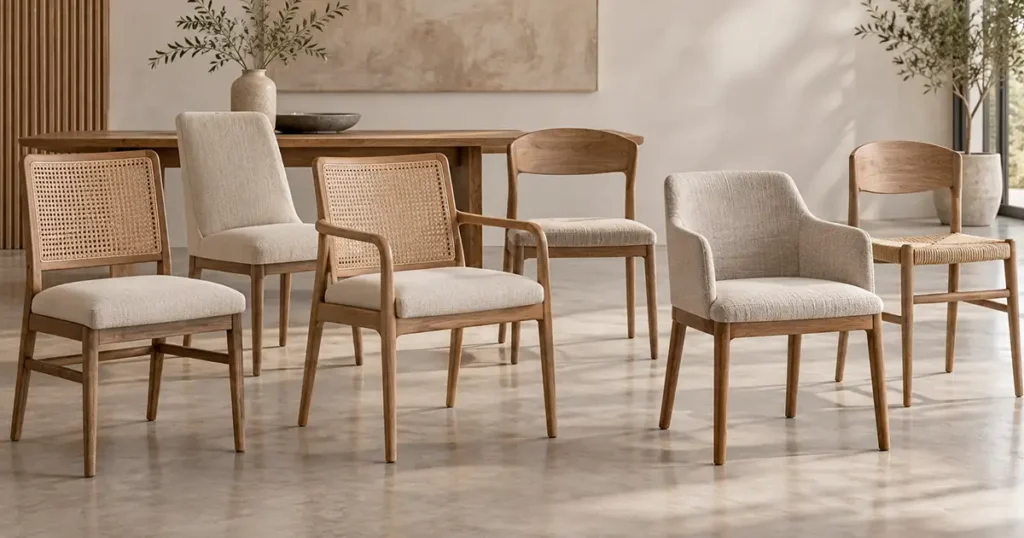
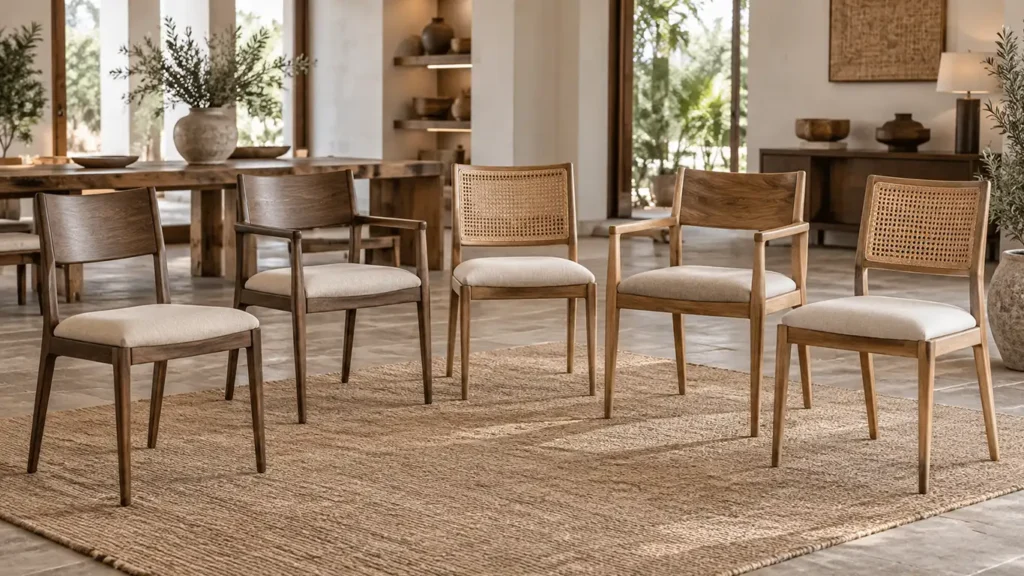
For example, one of our buyers from the United States developed a custom collection with a specific leg shape and a curved transition between the arm and the front leg. This detail was then applied across the dining chair, armchair, sofa, dining table, and coffee table. The result was a collection that felt connected without looking forced.
A brand signature can come from one repeated detail. It does not need to be loud. It needs to be recognizable.
2. Distinctive Material Combination
Materials shape both appearance and perception. Teak, rattan, rope, metal, outdoor fabric, and upholstery each send a different message to the market.
For example, teak can give a warm and natural outdoor look. Rope can add a modern resort feel. Rattan can bring a more relaxed, handcrafted character. Metal can create a cleaner and more contemporary structure.
Material selection should match the target market. Furniture retailers serving coastal customers may prioritize durability, weather resistance, and outdoor performance. Retail buyers in design-driven markets may focus more on visual appeal, showroom display, and price positioning.
This is where an experienced Indonesian custom furniture manufacturer can add value. The manufacturer can help connect the creative idea with practical material use, production methods, and export requirements, so the final collection is not only beautiful but also sellable and production-ready.
3. Signature Color Direction
Color direction is one of the simplest ways to build a collection identity. A consistent finishing tone, cushion color, rope color, or rattan shade can make a product line easier to recognize.
In the same buyer case, the collection used one consistent finishing direction across multiple products. This helped the dining chair, armchair, sofa, dining table, and coffee table feel like one complete family.
For retailers, this matters because customers often see the collection as a full setting first. When the colors work together, the display feels planned. When the colors are random, even good products can feel disconnected.
4. Consistent Collection of DNA
Collection DNA is the repeated design logic that connects different products under one brand identity. It can appear through proportions, curves, materials, finishing tones, joinery details, or the way the product sits in a space.
We can see this from RH—Restoration Hardware. Wallpaper* notes that RH’s Brera Teak line uses sculptural barrel-back forms, tulip-shaped plinths, solid teak, and handwoven all-weather rope. The details are specific, but they still feel aligned with RH’s wider outdoor brand direction.
The lesson for furniture retailers is simple: every collection can have its own personality, but it should still feel like it belongs to your brand.
This is how a custom collection becomes more than a group of products. It becomes a visual identity that customers can remember.
If you want to see how a brand idea moves from concept to prototype and production, read our guide on working with a custom furniture manufacturer.
Why Cohesive Collections Feel More Premium to Customers
Customers often judge quality before they touch the product. They look at the overall setting, finish, proportion, and how each piece works together.
A cohesive collection feels more premium because it reduces visual noise. Instead of seeing random products, customers see one clear design direction that feels planned and easier to trust.
For furniture retailers, this makes the showroom easier to present. A dining set, sofa, lounger, and coffee table with the same design language can help customers imagine the full outdoor space, not just one product.
How Indonesian Furniture Manufacturer, MPP Furniture, Supports Brand Development
Indonesia has strong experience in wooden and rattan furniture production, which makes it a practical sourcing base for brands that want natural outdoor collections with a handcrafted feel.
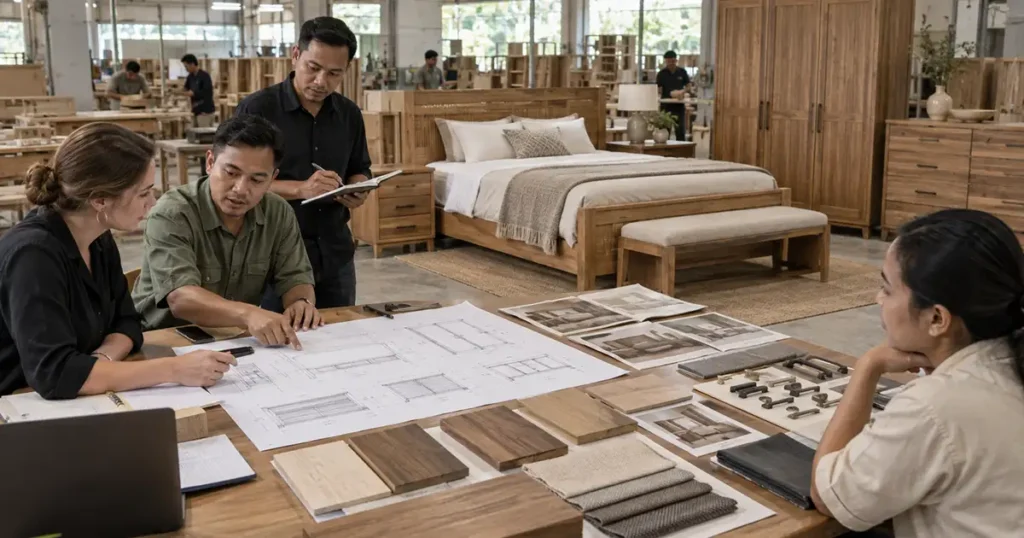
Working with Indonesian furniture manufacturers is not only about making a sample. It is about turning design ideas into a collection that can be produced, repeated, shipped, displayed, and reordered with consistency.
MPP Furniture supports this through free consultation, free product development, custom design, private label, and OEM services.
With in-house production, advanced machinery, handcrafted work, and quality control at every stage, design details such as frame accuracy, finishing, material treatment, and product consistency can be managed more closely.
For furniture retailers, this means your custom collection is not only designed to look different. It is also built to be commercially ready.
Before starting your own collection, it also helps to review the common mistakes when ordering custom furniture so your brief, materials, timeline, and production expectations are clear from the beginning.
Why Signature Collections Can Strengthen Long-Term Business Growth
A signature collection can support long-term business growth because it gives customers something clear to remember. A specific frame curve, leg shape, material mix, or color direction can become a visual cue linked to your brand.
When your product line has a recognizable identity, customers have more reasons to choose you beyond price. This reduces direct comparison with generic catalog items and makes your brand feel more selective.
Retailers can also use exclusive designs to support repeat buying. If customers like one product, they may return for matching pieces from the same collection.
This is why custom furniture should be seen as a long-term brand asset. It supports customer memory, product storytelling, and clearer market positioning.
For budget planning, read MPP’s article on how much custom furniture costs.
Final Thoughts: Build a Collection Customers Can Recognize
Generic furniture is easy to source, but it is also easy to compare. Custom furniture from Indonesia helps retailers, importers, and distributors build a clearer product identity through design details, material choices, and cohesive collections.
In the long term, a signature collection can help customers remember your brand, not only your products. This matters because strong brand recall can support showroom appeal, repeat buying, and better positioning beyond price.
If you are planning to develop a custom outdoor furniture collection, MPP Furniture can help turn your brand direction into production-ready products through free consultation, free product development, private label, and OEM support.
Start Your Custom Furniture Collection from Indonesia
Build a custom collection of furniture from Indonesia with MPP Furniture through free consultation, free product development, private label, and OEM support.
FAQs: Custom Furniture from Indonesia & Brand Identity
1. Why does custom furniture help brand identity?
Custom furniture helps brand identity by creating a product look that customers can recognize through repeated shapes, materials, colors, and details.
2. Is custom furniture from Indonesia suitable for retailers?
Yes. Custom furniture from Indonesia is suitable for retailers that want exclusive collections, stronger showroom identity, and private label product lines.
3. What makes a furniture collection feel premium?
A furniture collection feels premium when the frame design, materials, finishes, colors, and proportions follow one clear design direction.
4. Can small design changes create a signature collection?
Yes. Small design changes like leg shape, arm curve, finish color, or material mix can create a signature collection when used consistently.
5. Why work with an Indonesian custom furniture manufacturer?
An Indonesian custom furniture manufacturer can help turn design ideas into production-ready collections with wood and rattan craftsmanship, product development, and export experience.

Hi, I’m Salman, founder of MPP Furniture, an Indonesian furniture manufacturer serving global retailers and project-based clients.
I began my career in my family’s export-oriented furniture company, gaining hands-on experience in production, construction, finishing, material performance, and product development. With a clear understanding of how international buyers evaluate furniture quality and reliability, I founded MPP Furniture to deliver export-ready products with consistent standards.
Here, I share insights from the perspective of a furniture manufacturer working directly with production teams on the factory floor, focusing on manufacturing and supplier evaluation.
Connect on LinkedIn
0 Comments