Finding standout furniture is increasingly difficult when many suppliers offer identical catalogs. For retailers and importers, this lack of exclusivity often forces exhausting price wars, leading to squeezed margins and a weakened brand identity.
Fortunately, partnering with an experienced custom furniture manufacturer provides the deep flexibility needed to break this cycle. Beyond basic dimension or color tweaks, you can customize materials, construction, and branding to create truly exclusive product lines that bypass direct competition.
This article explains what you can customize when sourcing Indonesian wood furniture, why it drives business growth, and how to collaborate effectively with manufacturers to perfectly match your market.
Customization as a Competitive Advantage
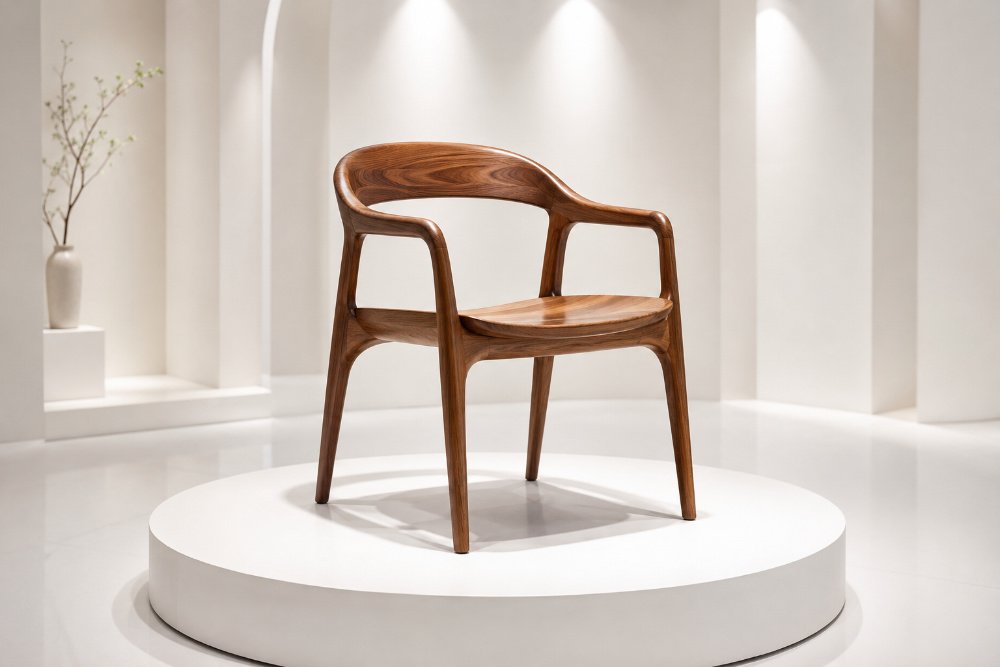
Furniture competition today is no longer only about offering lower prices. Many retailers now compete through exclusive collections that cannot easily be compared across marketplaces or catalogs.
Customization helps businesses create products that better match their target customers. This means retailers can build a stronger identity while avoiding direct price wars with identical products sold by competitors.
In practice, many buyers unknowingly source products from the same standard manufacturer catalogs. Small custom adjustments in dimensions, finishes, or design details can already create meaningful differentiation in the market.
For instance, a European buyer working with MPP Furniture recently selected a standard base frame but customized the cushion colors, modified the frame details, and applied a signature finish to perfectly align with their brand identity. This targeted customization created a standout product that performed exceptionally well in their local market, ultimately driving consistent repeat orders.
Indonesia has become one of the preferred sourcing hubs for this flexibility because many manufacturers still combine handcrafted production with adaptable manufacturing systems. This allows buyers to develop more personalized collections rather than relying solely on ready-made catalogs.
What You Can Customize in Indonesian Wood Furniture
Dimensions & Proportions
Dimensions are among the most common customization requests. Buyers often adjust furniture sizing based on regional preferences, commercial spaces, or target market ergonomics.
For example, hospitality projects may require larger lounge seating, while urban apartment markets often need compact furniture dimensions. Restaurants and cafes may also request customized table heights or seating proportions.
Dimension changes also affect shipping efficiency and container planning. Experienced Indonesian furniture manufacturers usually help buyers balance aesthetics, comfort, and export practicality during development.
Wood Types & Materials
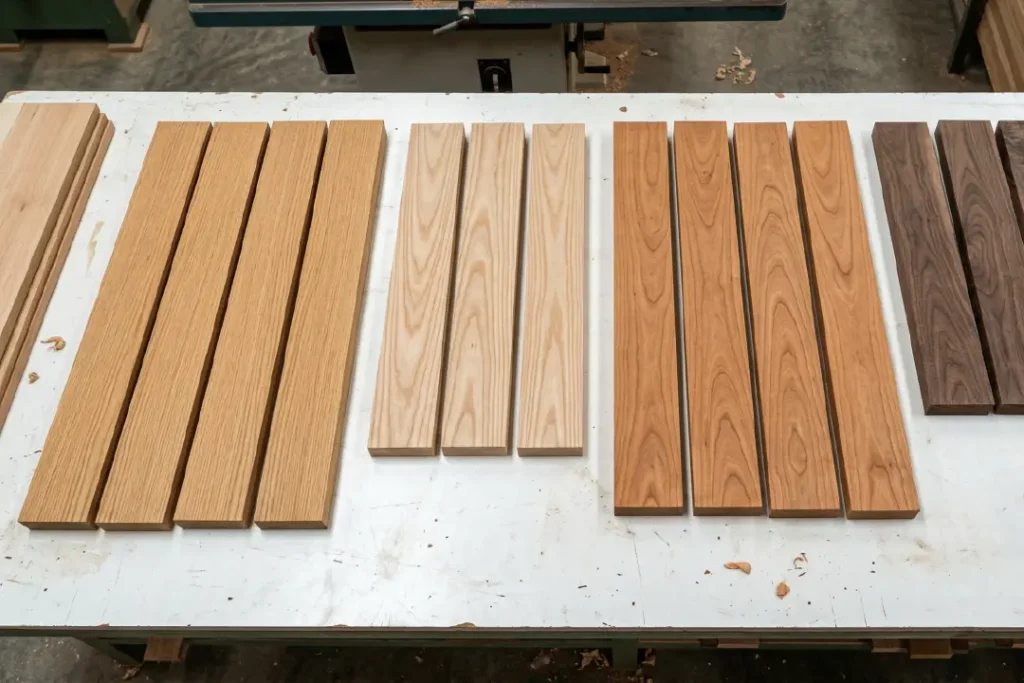
Indonesia offers a wide range of wood materials that support different design directions and market needs. Common options include teak, sungkai, mahogany, mindi, and mixed-material combinations with rattan or metal.
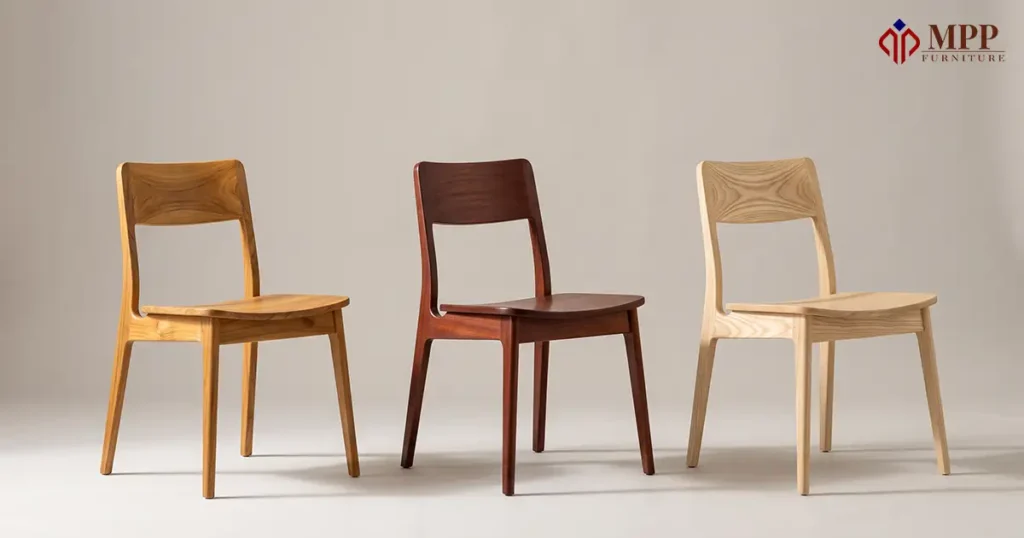
Teak is often selected for outdoor durability and premium positioning. Sungkai is popular for Scandinavian and minimalist collections because of its light tone and softer grain appearance.
Material selection should also match climate conditions and customer expectations. Some wood species work better with natural finishes, while others perform better with darker stain applications or textured finishing systems.
Many Indonesian custom furniture manufacturers also allow buyers to combine wood with rattan weaving, upholstery, marble, terrazzo, or powder-coated metal accents. This flexibility helps brands create more recognizable product identities.
Finishes & Color Options
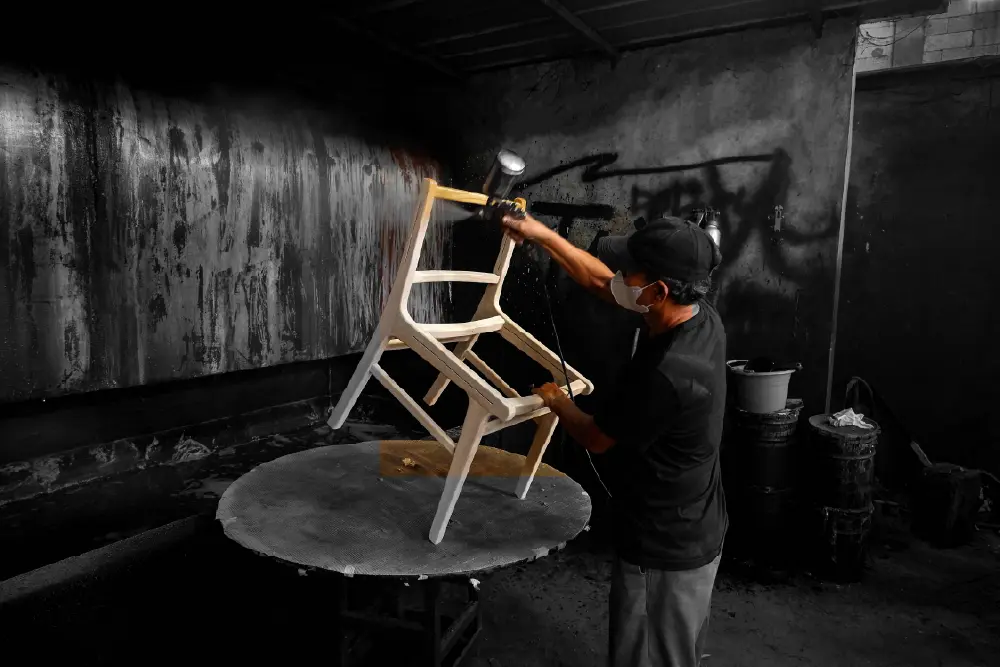
Finishing customization plays a major role in defining product character. Buyers can usually request natural finishes, dark walnut tones, smoked finishes, black stains, washed finishes (such as whitewash), or textured surfaces.
Different markets often prefer different visual styles. European buyers may lean toward matte natural finishes, while hospitality projects sometimes prefer darker and more dramatic tones.
Finishing systems also affect durability and maintenance. Outdoor furniture typically requires additional weather-resistant coatings, while commercial indoor projects may prioritize scratch resistance and easy cleaning.
Experienced manufacturers usually provide finish samples before production begins. This process helps buyers verify color consistency and surface quality before approving mass production.
Design Details & Construction
Many buyers customize construction details to create a more distinctive appearance. This includes edge profiles, joinery styles, leg structures, curves, armrest shapes, and assembly systems.
Some hospitality brands also request signature design elements that become part of their brand identity. Even small details like curved corners or handcrafted weaving patterns can create stronger visual recognition.
However, design complexity directly affects production time and labor intensity. Intricate joinery, curved structures, and highly detailed construction often require more manual craftsmanship and additional quality control.
This is why experienced manufacturers usually help buyers balance creativity with production feasibility. The goal is not only creating beautiful products, but also producing them consistently across large orders.
Upholstery & Soft Materials
For upholstered furniture, buyers can customize fabrics, foam density, stitching styles, piping details, and leather selections. Hospitality and commercial projects often require different standards than residential furniture.
In high-traffic environments, durability becomes more important than appearance alone. Many project buyers prioritize stain resistance, cleanability, and long-term comfort performance.
Foam density also impacts user experience and product lifespan. Softer seating may feel comfortable initially, but commercial projects often require firmer foam that maintains its shape over time.
Some Indonesian manufacturers also help buyers source fabrics that align with regional fire safety or commercial compliance standards.
Hardware & Functional Features
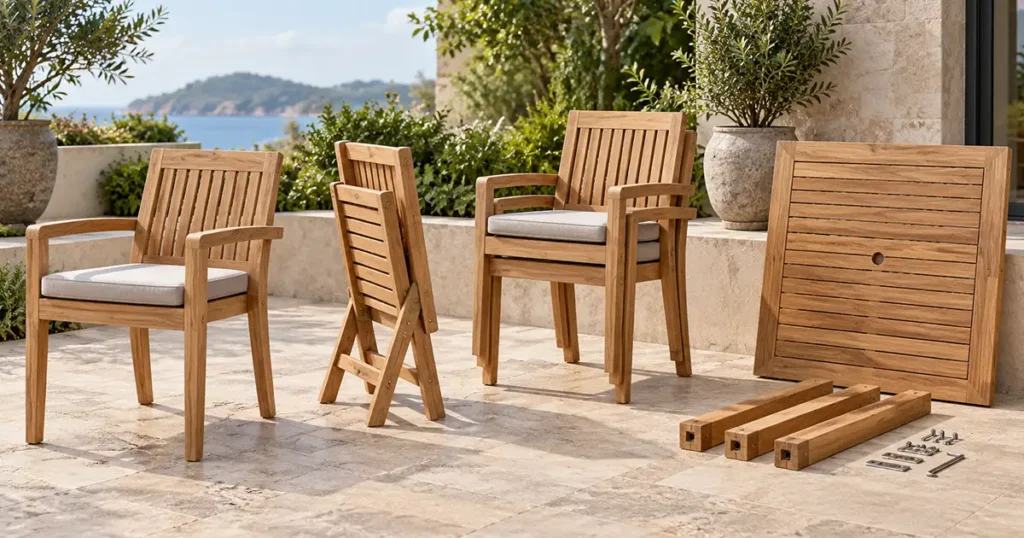
Furniture functionality can also be customized based on user needs. Buyers may request soft-close drawer systems, modular configurations, folding mechanisms, hidden storage, or outdoor-grade hardware.
Functional customization is especially useful for hospitality and compact living markets. Hotels, cafes, and apartments often require furniture that supports space efficiency and operational flexibility.
Hardware selection also impacts product lifespan and maintenance. Commercial projects usually require stronger components because of heavier daily usage.
Reliable Indonesian manufacturers often help buyers select hardware systems that balance budget, durability, and long-term practicality.
Beyond Product: What Else Can Be Customized
Branding & Private Labeling
Customization goes beyond the furniture product itself. Many buyers also request private labeling and OEM branding services to strengthen brand positioning.
This may include logo embossing, branded hang tags, engraved metal plates, woven labels, or retail-ready product packaging. These details help retailers present products as exclusive collections rather than generic imports.
Private labeling also reduces direct marketplace comparison because buyers sell products under their own identity. This creates stronger brand ownership and helps improve long-term customer loyalty.
For brands developing exclusive collections, understanding how to choose the right partner through a custom furniture manufacturer guide becomes especially important for successful OEM development.
Packaging & Shipping Solutions
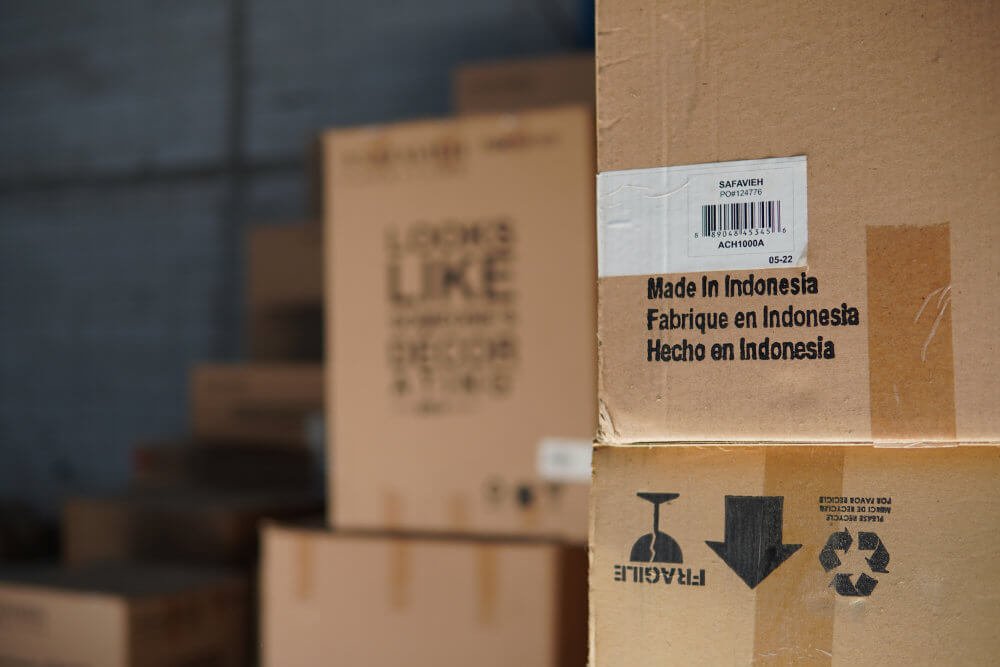
Packaging customization is another important but often overlooked area. Export buyers frequently request KD (knock-down) packing, barcode systems, retail-ready cartons, or reinforced protective packaging.
Packaging directly affects freight efficiency and product safety during international shipping. Better packaging systems can reduce damage risk and optimize container space utilization.
Some buyers also request mixed-container arrangements or custom pallet systems to support warehouse operations. These adjustments help simplify logistics once the products arrive at destination markets.
Manufacturers with export experience usually provide recommendations that balance protection, shipping efficiency, and packaging cost.
The Business Benefits of Customization
Customization helps businesses achieve essential product differentiation. Instead of offering identical catalog items, exclusive designs ensure that your collections offer unique value that customers cannot find elsewhere, making them much harder to compare directly with competitors.
Beyond just aesthetics, bespoke furniture creates a stronger brand identity. When your product lines reflect a consistent and exclusive design language, customers begin to recognize and trust your brand's unique curation rather than viewing you as just another generic retailer.
This exclusivity directly leads to better margin control. By selling products that cannot be easily cross-checked against competitors, retailers can confidently command higher price points and protect their profitability without being forced into aggressive discounts.
Ultimately, investing in customization results in reduced direct competition. This strategic shift allows your business to focus on long-term growth through differentiated offerings, making it essential to understand exactly how much custom furniture costs before planning your next collection.
Why Indonesian Manufacturers Excel in Custom Wood Furniture
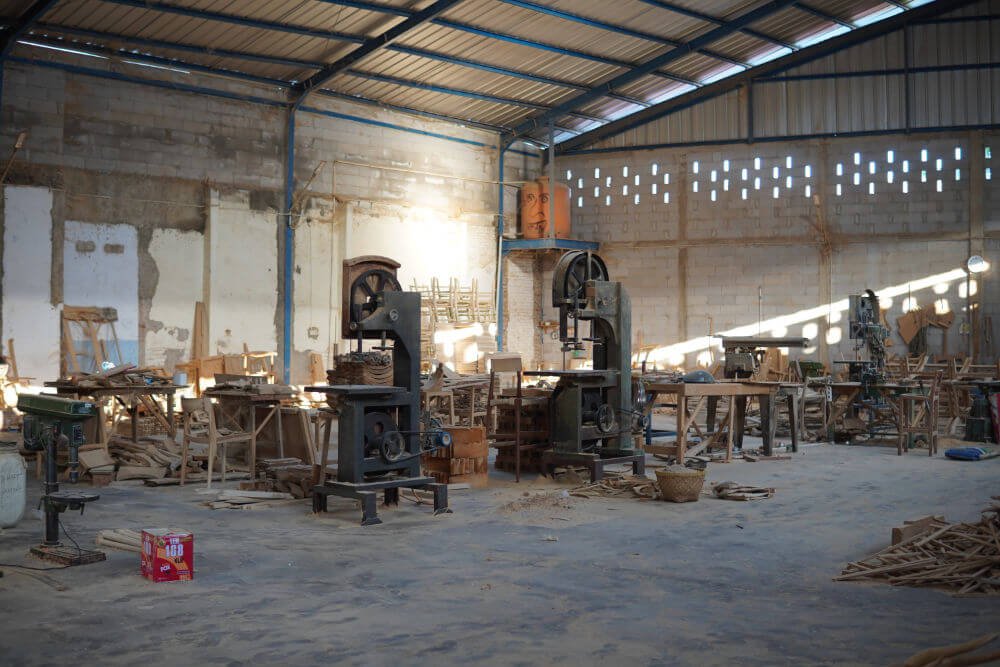
Indonesia has a rich and deep-rooted craftsmanship tradition. This woodworking expertise allows manufacturers to safely execute the intricate joinery, manual carving, and detailed weaving that are essential for high-quality custom furniture.
Pairing these traditional skills with modern machinery provides remarkable production flexibility. This balance enables buyers to request highly personalized adjustments without sacrificing consistency, even across larger commercial orders.
Buyers also benefit from exceptional material diversity. Access to premium teak, sungkai, mahogany, and mixed-material combinations gives retailers the creative freedom to develop collections tailored to specific climate conditions and market trends.
These combined advantages firmly position Indonesia as a highly adaptable sourcing hub. Retailers and hospitality brands can reliably depend on these manufacturers to transform unique concepts into commercially viable, export-ready furniture lines.
How to Work Effectively with a Manufacturer on Custom Wood Projects
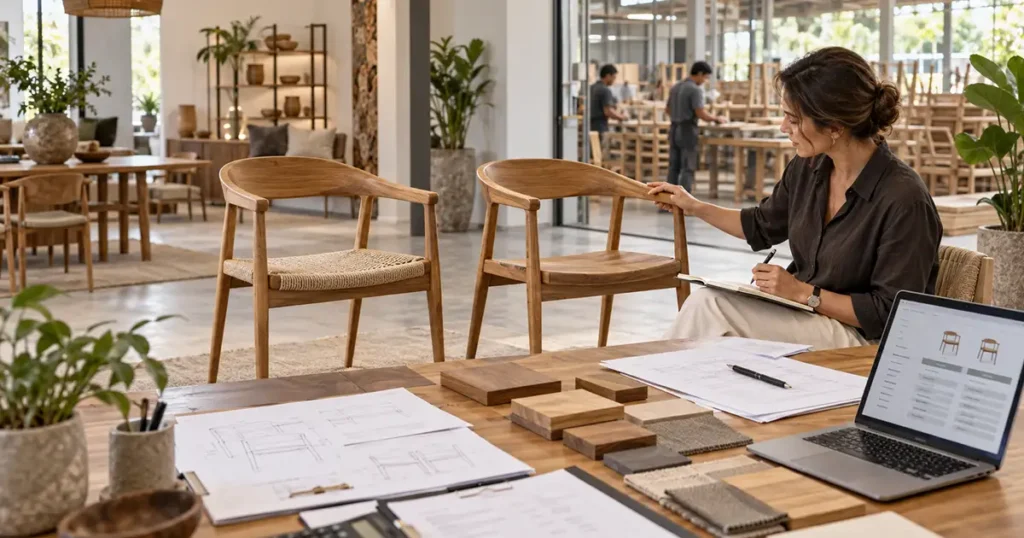
A successful custom project always starts with precise specifications and references. Before production begins, provide detailed dimensions, material preferences, expected finishes, and inspiration images to avoid misunderstandings and costly revisions.
The sample or prototype development phase follows after all details have been agreed upon. This process is extremely useful for determining comfort, ensuring construction quality, and seeing the finished product firsthand before moving into full-scale mass production.
Establish a structured revision and approval workflow to ensure that every adjustment is completed efficiently. An experienced manufacturer will walk you through the sample evaluation process, reducing the risk of errors and keeping the project on track.
Finally, good and transparent communication is essential for establishing a strong, long-term partnership. Working closely with your manufacturing partner and knowing the mistakes to avoid when ordering custom furniture is critical to navigating common pitfalls and ensuring a smooth order delivery.
Final Thoughts: Customization as a Strategic Tool, Not Just an Option
We need to shift our perspective: customization is a growth driver, not an optional luxury. By tailoring dimensions, materials, and finishes to your intended audience, you actively create products with higher perceived value and profit potential.
We strongly advise retailers to look beyond catalog products to survive in today's competitive landscape. Creating exclusive collections allows you to cultivate a loyal customer base that prefers your distinct design perspective to generic, mass-produced imports.
To accomplish this, the most practical step is to work with an experienced Indonesian manufacturer. If you are ready to elevate your collections with high-quality custom pieces, contact MPP Furniture to begin developing your exclusive product line today.
Exploring Custom Wood Furniture from Indonesia?
Talk to our team to discuss your sourcing goals, product specifications, and market requirements before developing your custom furniture collection.
FAQs: Custom Indonesian Wood Furniture
1. What can be customized in Indonesian wood furniture?
Buyers can customize dimensions, wood materials, finishes, upholstery, construction details, hardware systems, branding, packaging, and shipping configurations.
2. Can Indonesian manufacturers create OEM furniture products?
Yes. Many Indonesian manufacturers provide OEM and private label services that allow buyers to develop exclusive furniture collections under their own brand identity.
3. Does customization increase furniture cost significantly?
Customization can increase upfront costs because of material selection, product development, and additional production processes. However, it often provides better long-term value through stronger differentiation and higher margins.
4. How long does custom furniture production usually take?
Production timelines depend on design complexity, quantity, material availability, and sampling requirements. Custom projects generally take longer than ready-stock orders because they involve development and approval stages.
5. Why do many retailers source custom furniture from Indonesia?
Indonesia offers skilled craftsmanship, flexible production systems, wide material availability, and strong export experience. This combination makes it well-suited for custom wood furniture manufacturing.

I am a Web Designer, Technical SEO Specialist, and writer with 6+ years of experience in website optimization and search visibility. For more than a year, I have supported MPP Furniture’s growth, and I am currently expanding my role as an author to help B2B furniture buyers make more informed business decisions through informative, practical, and impactful articles.
0 Comments