Waiting for IEU-CEPA might sound like a smart way to reduce furniture import costs. But what if you delay your next collection for a tariff saving that does not actually apply to your products?
That is a real concern for European furniture importers planning orders from Indonesia. Some wooden furniture already enters the EU at zero customs duty, while production deadlines and incoming EUDR obligations still need attention.
Before deciding whether to order now or wait, check your product's duty rate, origin requirements, and supplier documentation. The answers may change how you plan your next shipment.
Where IEU-CEPA Stands Right Now
The European Union and Indonesia wrapped up IEU-CEPA negotiations back on 23 September 2025. The latest official updates show the agreement text is now with the Council of the European Union, with signing projected for late September or early October 2026. Following this step, the European Parliament's ratification could take around 90 days, setting a realistic target for full implementation in early 2027. This timeline is especially crucial for buyers to watch, as Indonesia's current GSP trade facilities are set to expire at the end of 2026.
Until its provisions officially take effect, importers must follow the customs duties and import requirements currently applicable to their shipments. This means you should base your purchase orders on confirmed conditions today, rather than holding out for expected tariff reductions.
Check Your Duty First: How Much Can CEPA Actually Change for Your Lines

IEU-CEPA may reduce tariffs on qualifying Indonesian products, but the actual savings depend on the furniture classification.
For example, wooden bedroom furniture under CN code 9403 50 00 and wooden dining or living room furniture under CN code 9403 60 10 currently show a 0% standard third-country customs duty.
For those products, CEPA cannot reduce the standard customs duty below zero. Import VAT, freight, and clearance costs may still apply.
Before estimating savings, ask your customs broker to check the correct code, Indonesian origin, and applicable measures in the EU TARIC.
For furniture lines that still carry a duty, compare the current rate with CEPA's published EU tariff schedule. Check whether the preferential rate becomes available immediately or decreases over time.
Consider a hypothetical €50,000 shipment with a 4% current duty. If a future preferential rate becomes 0% and the shipment qualifies, the potential customs duty saving would be €2,000.
That saving may matter, but only if the rate applies to your product and shipment. The buyer's decision should start with the actual numbers.
Confirm the Origin Rules and Proof of Origin
Preferential customs treatment under IEU-CEPA depends on meeting the agreement's rules of origin.
The European Commission explains that tariff preferences are intended for goods sufficiently processed in Indonesia or the EU, rather than goods simply shipped through either market.
For furniture importers, this raises practical questions about production location, materials, and imported components.
Ask your supplier whether the finished furniture meets the applicable product-specific origin rule. Imported wood, fittings, or other inputs may affect qualification depending on that rule.
The published CEPA framework includes self-certification through statements on origin, but buyers should verify the final requirements before claiming preference.
Also, remember that SVLK certification, an FLEGT license, and preferential proof of origin serve different purposes. Legal timber documentation does not automatically qualify finished furniture for CEPA tariff reductions.
Keep the Rules CEPA Does Not Replace
Lower customs duties do not remove other EU import obligations. European buyers must still check timber legality, deforestation requirements, and applicable product standards.
EUDR applies from 30 December 2026 to large and medium operators and to micro and small operators in the wood sector, while other micro and small operators follow on 30 June 2027
The EU Deforestation Regulation applies from 30 December 2026 to large and medium operators and micro and small operators already covered by the EU Timber Regulation. Other micro and small operators generally follow on 30 June 2027.
For covered wooden furniture, the responsible operator must meet the applicable deforestation-free and due diligence requirements. Your supplier's material traceability records can support this process.
A valid FLEGT license is deemed to meet the EUDR legality requirement, but it does not replace deforestation-free evidence or the due diligence statement
A valid FLEGT license from an operational licensing scheme satisfies the EUDR's legality condition for covered wood products. It does not automatically establish that the wood is deforestation-free or remove applicable declaration obligations.
Indonesia's SVLK system supports timber legality verification and FLEGT licensing. For a deeper explanation of how these systems work, read our guide to FLEGT-licensed timber and legal wood sourcing.
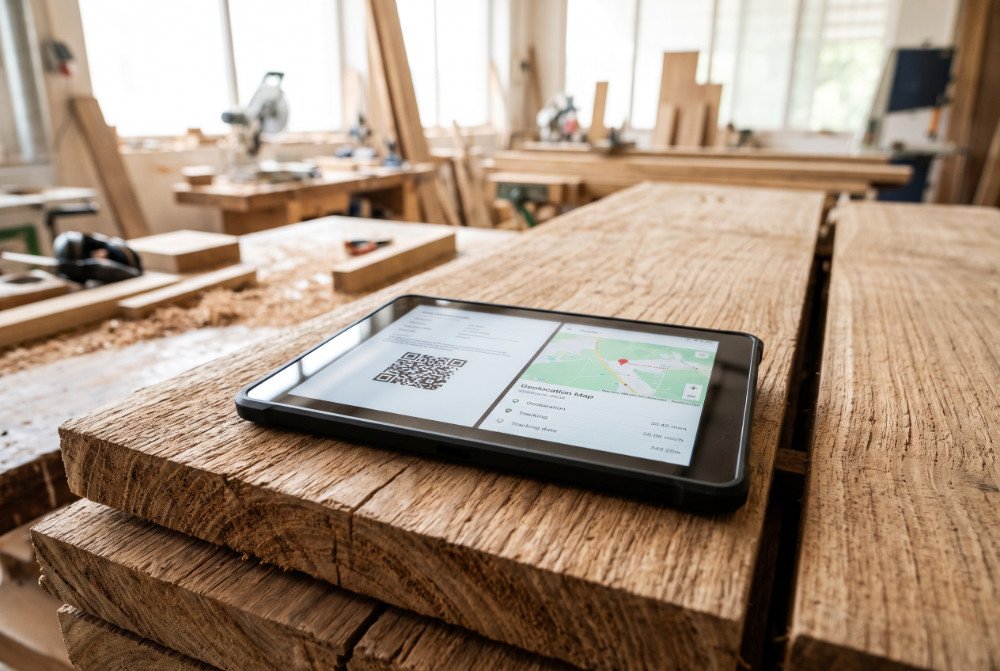
The EU recently confirmed that FLEGT-licensed wood products maintain a special position in fulfilling the strict legality requirements of the EUDR. To streamline clearance for European buyers, Indonesia is integrating geolocation data and QR codes into its e-licensing system to connect directly with the EU's TRACES platform.
Importers should also understand how SVLK documentation supports the buying process. We explain this further in how SVLK certification simplifies furniture imports.
EU product safety and sustainability standards still apply to the finished furniture
CEPA does not remove EU product safety obligations or applicable restrictions on chemicals, materials, and finishes. For example, buyers should review relevant REACH requirements, product safety obligations, and any standards applicable to their furniture category.
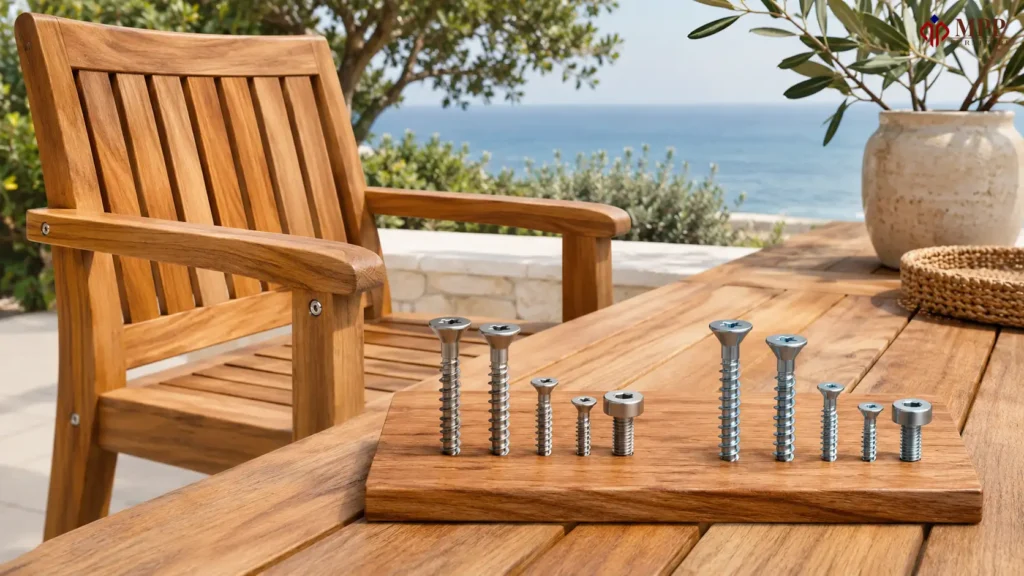
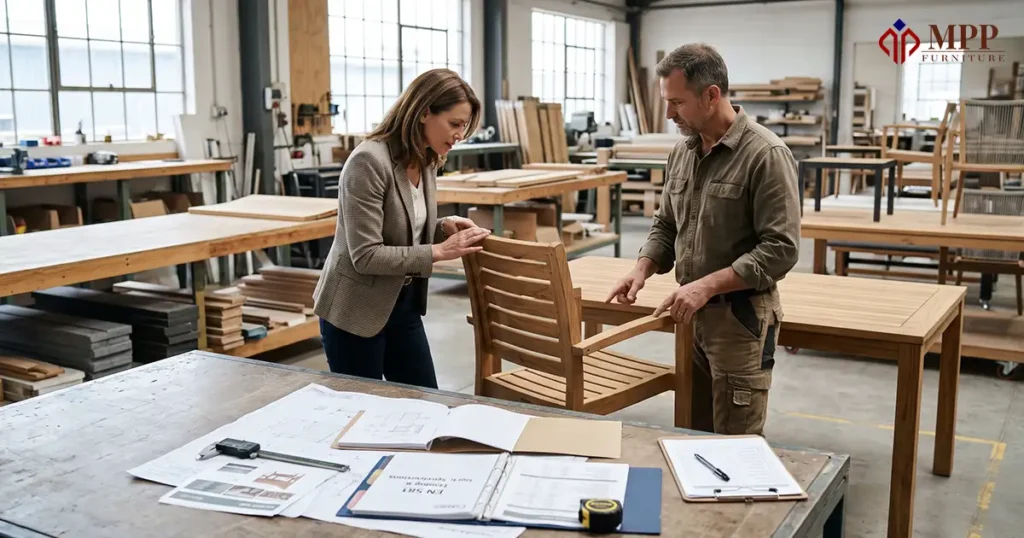
In our production experience, compliance discussions are most useful before the PPS (Pre-Production Sample) or final sample is approved. At this stage, buyers can still confirm details such as finishing, hardware, upholstery fabric, foam specifications, rope, construction, and other market-specific requirements before those specifications are repeated across bulk production.
Questions to Put to Your Indonesian Furniture Supplier Now
European importers can reduce uncertainty by asking direct questions before approving a purchase order.
Use this checklist during your next supplier discussion:
- HS classification: Which code does the supplier use, and does it match your customs broker's classification?
- Timber documentation: Can the supplier provide applicable SVLK and FLEGT records alongside EUDR traceability information?
- Preferential origin: How will the supplier document CEPA origin eligibility, including any imported inputs?
- Pricing: Could the contract address an applicable duty change, and who would receive the saving?
- Delivery: What are the confirmed production milestones and estimated shipping dates?
Do not accept a certificate number without checking the issuing details and validity. For a practical verification process, see our guide to verifying an Indonesian manufacturer's SVLK certification.
Through our discussions with forwarding partners at MPP Furniture, we have learned of shipments delayed at destination because the supplier had assigned the wrong HS code. These classification mismatches resulted in delayed clearance, demurrage, and additional penalties for the buyer. Before estimating any CEPA saving, confirm the product classification with your customs broker rather than relying solely on the code provided by the supplier.
To prevent such issues, at MPP Furniture, we combine in-house wooden and rattan furniture production with quality checks across manufacturing stages. Our export coordination also covers meticulous documentation preparation and production updates, helping buyers plan orders with clearer information.
For a closer look at the ordering process, read our step-by-step guide to buying furniture from Indonesian suppliers.
Order Now or Wait for CEPA? A Simple Decision Frame
The better decision depends on your current customs duty, expected savings, and delivery deadline. Waiting may be reasonable for some shipments, but it should be a calculated choice.
When waiting rarely makes sense: lines already at zero duty and orders tied to spring 2027 deadlines
If your furniture already carries a 0% customs duty, delaying an order for CEPA alone offers no additional savings on that duty. Production and ocean freight still take time. At MPP, production may not start immediately after a deposit if approvals are still pending.
Before delaying an order for CEPA, confirm when your lead time starts and allow time for QC, packing, and container loading. For retailers preparing spring 2027 collections, delaying purchase orders could reduce the time available for delivery and merchandising.
When a price review clause is worth discussing: lines that still carry a duty
For products with a positive customs duty, future CEPA preferences may create measurable savings.
You could discuss a price review clause or customs-duty adjustment arrangement with your supplier. However, the contract should identify who pays import duties, which shipment qualifies, and how any saving will be handled.
Ask your customs broker how shipments close to the entry-into-force date will be treated
The purchase order date, shipment date, and customs acceptance date are not interchangeable.
Ask your customs broker which date governs the applicable duty and whether transitional treatment is available under the final CEPA rules. Do not assume goods shipped before implementation automatically qualify when they arrive afterward.
Final Thoughts: Key Takeaways Before You Plan Around IEU-CEPA
IEU-CEPA offers new trade opportunities, but European furniture importers should plan using today's confirmed rules until the agreement takes effect.
Check your customs duty first, confirm preferential origin requirements, and keep EUDR and FLEGT documentation separate from tariff eligibility. Then compare any potential savings against your actual purchasing and delivery schedule.
For buyers considering Indonesia as a sourcing destination, our article on the benefits of buying furniture from Indonesia explains the broader business value beyond customs duties.
At MPP Furniture, we support custom furniture development, in-house production, and export coordination. If you are evaluating Indonesian furniture manufacturers for your next EU collection, our team can discuss product specifications, documentation availability, and realistic production timelines.
Frequently Asked Questions: IEU-CEPA & Indonesian Furniture Sourcing
1. When will the IEU-CEPA agreement officially take effect?
The agreement text is currently with the Council of the European Union, with signing projected for late September or early October 2026. Following the European Parliament's ratification process, the realistic target for full implementation is early 2027.
2. Will IEU-CEPA eliminate import duties on all my furniture orders?
Not necessarily. The actual savings depend on your furniture's specific HS classification. For example, wooden bedroom furniture (CN code 9403 50 00) and wooden dining room furniture (CN code 9403 60 10) already enter the EU at a 0% standard customs duty, so CEPA cannot reduce the duty any further on those lines.
3. Does the IEU-CEPA agreement replace my EUDR and FLEGT obligations?
No, lower customs duties do not remove other EU import obligations. European buyers must still fulfill timber legality and deforestation-free requirements under the EUDR. However, a valid FLEGT license maintains a special position in helping you fulfill the strict legality conditions of the EUDR.
4. Should I delay my purchase orders until IEU-CEPA is implemented?
Waiting rarely makes sense if your products already carry a 0% customs duty or if your orders are tied to strict deadlines, such as spring 2027 collections. If your lines do carry a duty, it is often more practical to discuss a price review clause or customs-duty adjustment arrangement with your supplier instead of completely delaying production.
Ready to Plan Your Next EU Collection?
To start planning your orders with clearer information on product specifications, documentation, and realistic production timelines, explore MPP's custom furniture development or contact our team directly.

I am a Web Designer, Technical SEO Specialist, and writer with 6+ years of experience in website optimization and search visibility. For more than a year, I have supported MPP Furniture’s growth, and I am currently expanding my role as an author to help B2B furniture buyers make more informed business decisions through informative, practical, and impactful articles.
0 Comments