Rapid furniture degradation presents a significant challenge in demanding commercial environments. When chairs break or tables scratch easily, businesses face expensive replacement cycles and unhappy customers. If you are sourcing furniture for a hotel, restaurant, or large-scale project, you require materials built for longevity.
Is Indonesian mahogany truly durable enough for commercial use? Yes, Indonesian mahogany provides exceptional durability for high-traffic environments, provided the timber is properly sourced, kiln-dried, and protected with commercial-grade sealants. The wood's tight, interlocking grain creates the structural foundation needed to withstand heavy daily use. When paired with expert factory-level finishing, the material resists wear while maintaining its premium aesthetic.
In this article, we will look at the structural properties of Indonesian mahogany, how species density variations affect your choice, and the exact finishing protocols required for commercial applications.
Janka Hardness, Species Variations, and Commercial Sector Selection
Choosing the right mahogany requires matching the wood's density to the specific demands of your sector. Since "mahogany" acts as a broad trade name for several distinct species, buyers need to identify the specific timber to ensure it fits the intended environment. Different regions produce mahogany with vastly different stability profiles.
| Wood Species | Janka Hardness (lbf) | Best Commercial Sector | Primary Use Case |
|---|---|---|---|
| Indonesian Mahogany (Swietenia) | 800 – 900 | Hospitality & Office | Movable seating, desks, and high-use tables |
| African Mahogany (Khaya) | 830 – 1,070 | Corporate & Interior Design | Decorative wall paneling, executive suites |
| Santos Mahogany (Balsam) | 2,200+ | Luxury Retail & Bar Areas | High-impact flooring, heavy-duty bar tops |
| Teak (Plantation) | 1,000 – 1,100 | Outdoor Commercial | Poolside furniture, rooftop terrace seating |
Santos Mahogany sits at the top of the hardness scale. Its extreme density makes it an ideal solution for permanent fixtures that face severe physical impact, such as luxury retail flooring or heavy-duty bar tops. However, this same density results in significant weight, making it impractical for chairs or tables that staff must move frequently.
African Mahogany (Khaya) offers a striking ribbon grain often favored for high-end corporate wall paneling and executive desks. While visually impressive, it lacks the dimensional stability of its Indonesian counterpart. This makes it a riskier choice for large-scale projects involving furniture exported across varying humidity zones, as it is more prone to warping or grain "tear-out" during climate shifts.
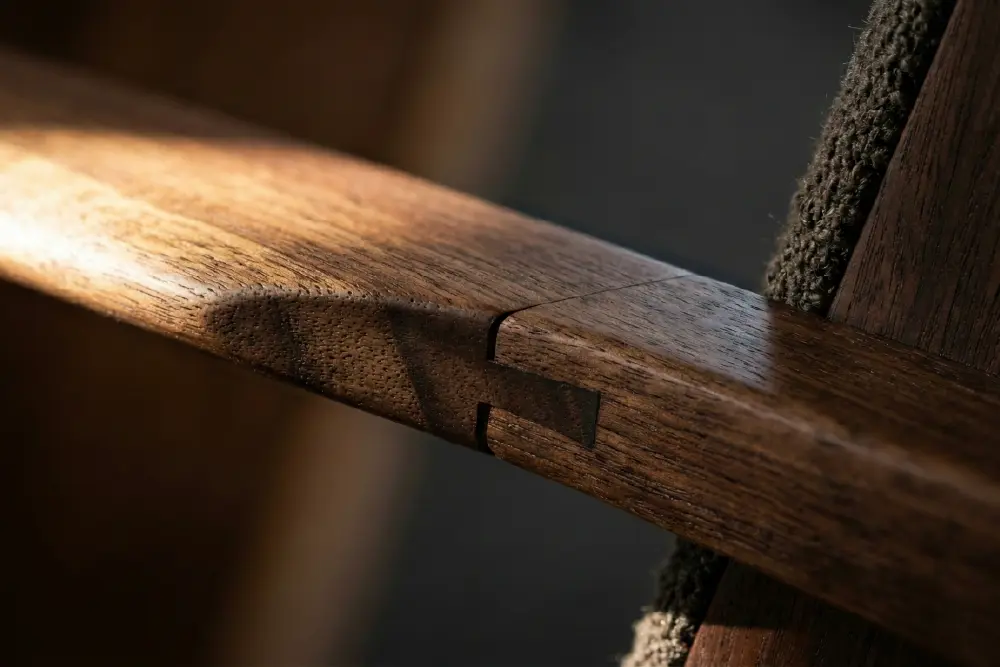
Indonesian Mahogany (Swietenia macrophylla) serves as the most versatile solution for large-scale commercial furnishing. With a Janka rating of 800–900 lbf, the wood provides sufficient resistance to dents for dining and office chairs. Its superior dimensional stability ensures that mortise and tenon joints remain tight in both humid tropical resorts and dry, climate-controlled corporate offices. By choosing Indonesian Swietenia, project managers secure a material that balances structural strength with the agility needed for daily operations.
Furthermore, the wood's excellent machinability allows factories to create precise joinery. Research published in the International Research Journal of Engineering and Technology (IRJET) highlights how precise, tight-fitting mortise and tenon joinery significantly increases the overall load-bearing capacity of wooden furniture frames under continuous stress. These components lock together securely, ensuring the structural integrity remains intact even after years of continuous customer use.
The Best Commercial Finishes for Indonesian Mahogany Durability
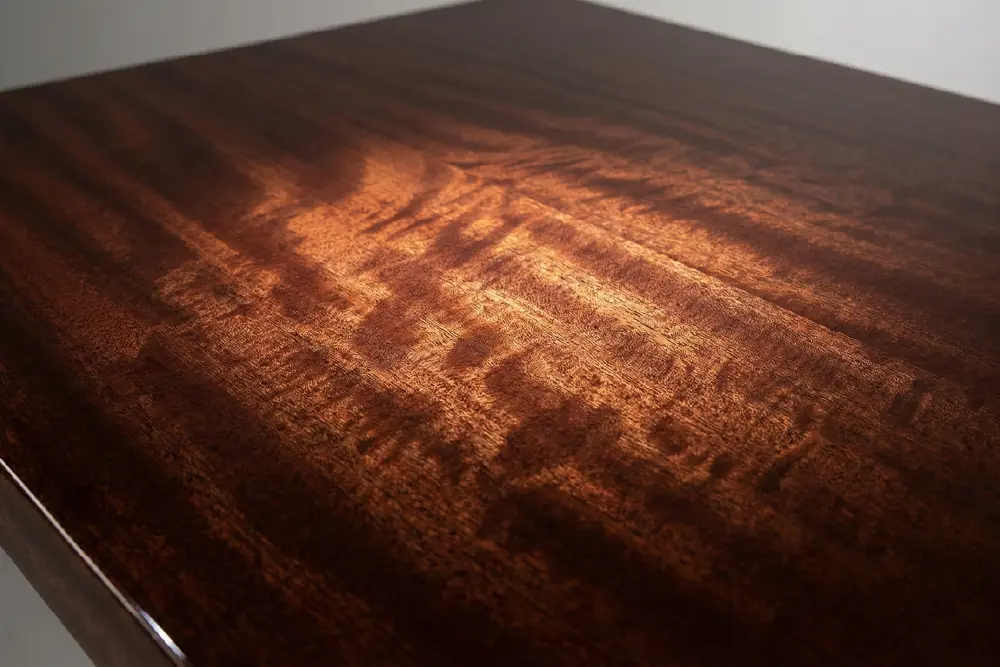
Even the most robust wood will fail in a commercial setting without an adequate finish. Surface wear resistance carries as much importance as the timber's internal strength. In a busy hotel or restaurant, tables encounter spilled beverages, hot plates, and frequent contact with harsh cleaning chemicals.
To protect the investment, project managers generally find that choosing the right sealant depends on the intended traffic level. While standard nitrocellulose lacquers or simple wax rubs offer a beautiful, natural feel for low-impact decorative pieces, they often lack the resilience needed for high-traffic surfaces. As detailed by the experts at Wood Finishers Depot in their breakdown of professional wood finishing materials, selecting chemical-curing sealants like high-solid polyurethanes provides a vastly superior moisture and scratch barrier compared to traditional nitrocellulose options.
Catalyzed lacquers undergo a chemical curing process to create a hard, protective shell that effectively blocks moisture and resists scratching. High-solid polyurethanes provide a similar level of heavy-duty protection, ensuring that the sealant absorbs the impact of daily use rather than the wood itself. By opting for these more durable coatings, businesses can significantly extend the maintenance intervals of their furniture.
Beyond protection, a high-quality finish should support the natural development of mahogany's patina. While some heavy-duty coatings may yellow or become brittle as the wood’s color deepens over time, selecting non-yellowing formulations ensures the evolving red-brown tones remain vibrant. Using finishes with the appropriate elasticity allows the coating to move with the wood as it matures, preventing surface cracking or uneven 'clouding' that can occur with rigid, low-grade sealants. This careful selection ensures that the mahogany develops its signature chatoyancy and depth uniformly across the entire piece.
Every piece we produce at MPP Furniture is expertly handcrafted, combining traditional woodworking skills with advanced machinery. We apply multi-stage coatings in a controlled factory setting to ensure accuracy, design consistency, and finishing excellence. This rigorous process prevents moisture from entering the grain, which ultimately stops cracking and peeling over time.
Placement and Maintenance Tips for Long-Lasting Mahogany
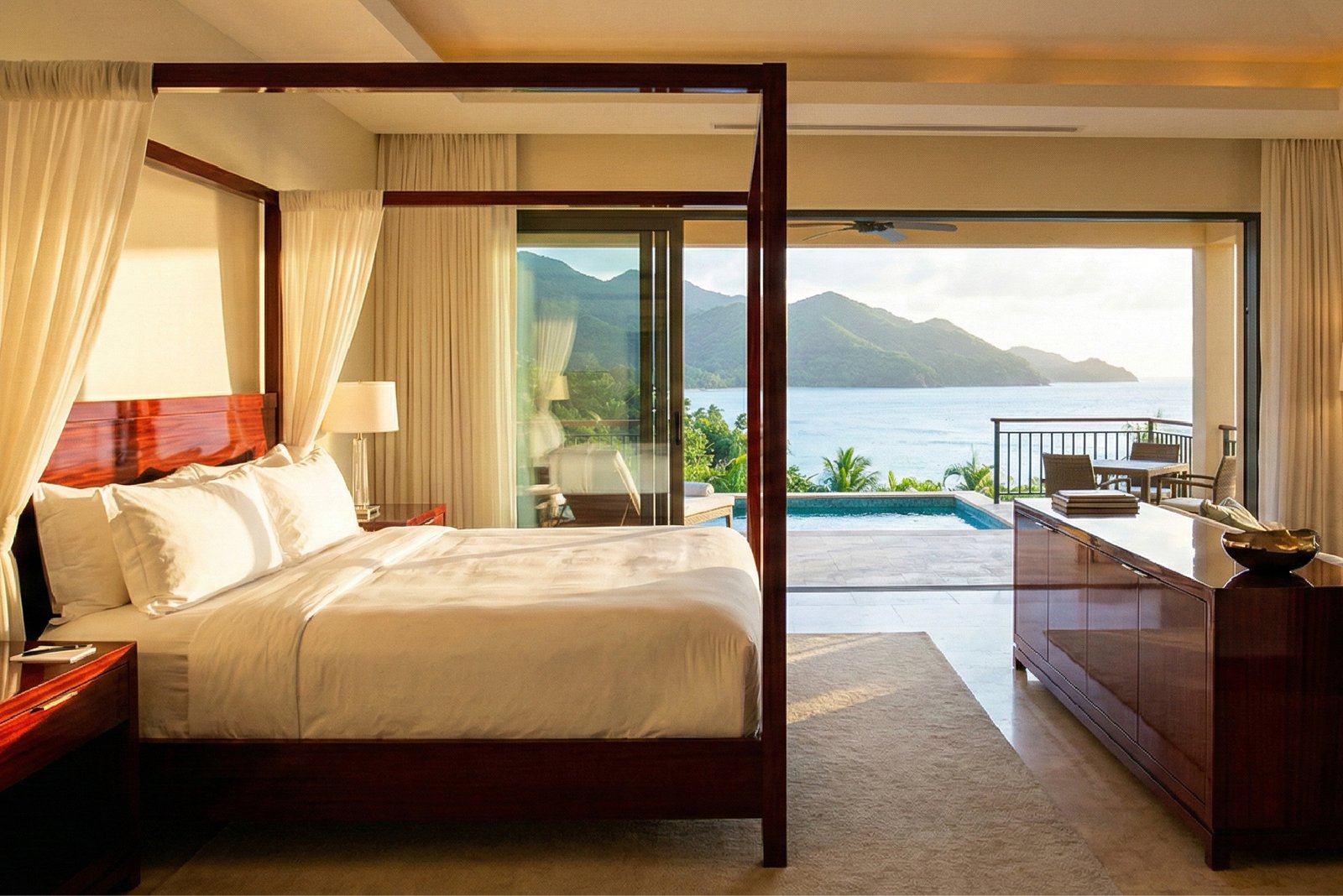
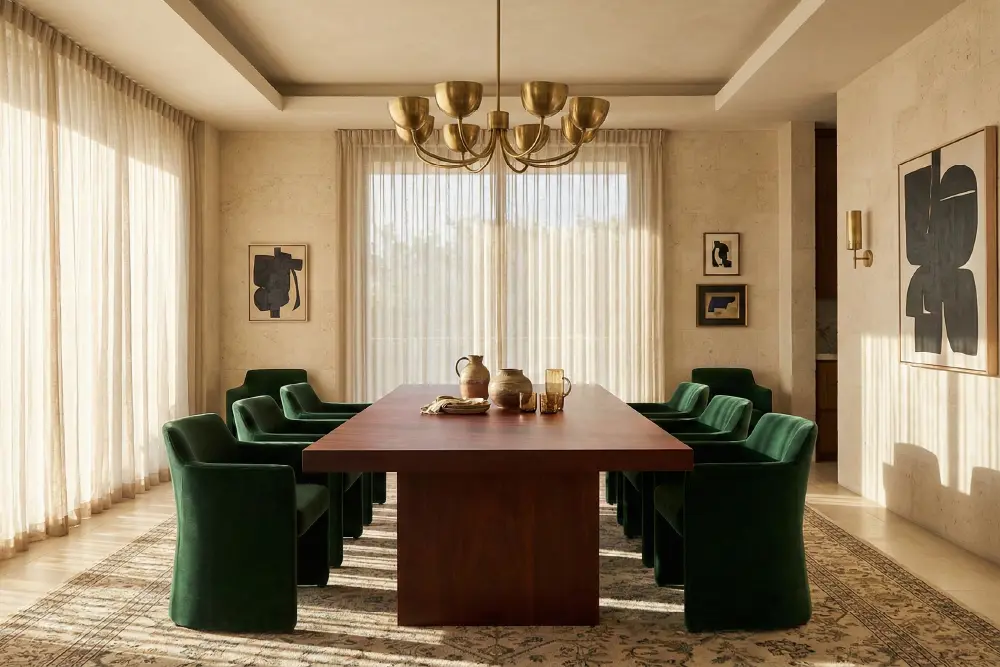
The internal environment and daily upkeep of your building also dictate how long your furniture lasts. Many modern hospitality spaces feature expansive windows or glass walls that invite natural light. While natural light looks great, you must plan your layout to manage UV exposure.
A comprehensive academic review published in the BioResources journal confirms that UV irradiation directly causes structural changes by breaking down surface lignin, accelerating the bleaching process we see in improperly managed commercial spaces. While a natural aging process often enhances mahogany by allowing it to develop a deeper red-brown patina with its signature chatoyancy, unregulated and intense UV exposure can eventually bleach the fibers. This leads to a washed-out appearance that lacks the wood's original warmth. Effective UV management involves positioning your most valuable mahogany pieces away from intense, direct sunlight, such as unshaded, south-facing windows.
Beyond placement, long-term durability often relies on consistent maintenance. While commercial cleaning teams frequently use silicon-based polishes for a quick shine, these products can build up over time and potentially interfere with future refinishing. A more sustainable approach involves using a damp, lint-free cloth and pH-neutral cleaners specifically formulated for wood. This method preserves the factory coating's integrity without the risk of chemical degradation, allowing the commercial-grade finish to remain the primary line of defense for years.
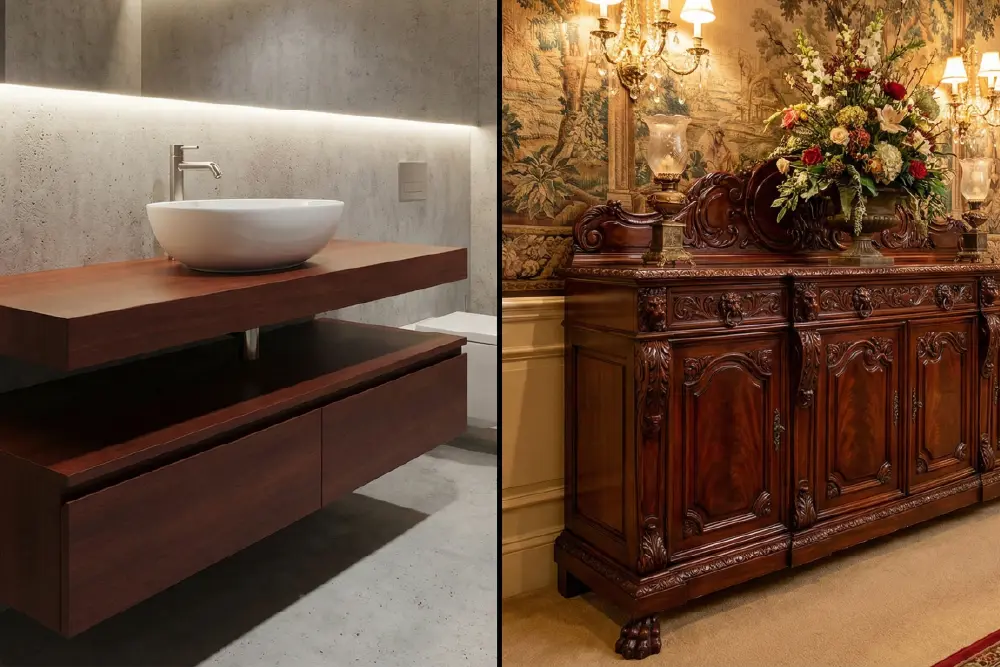
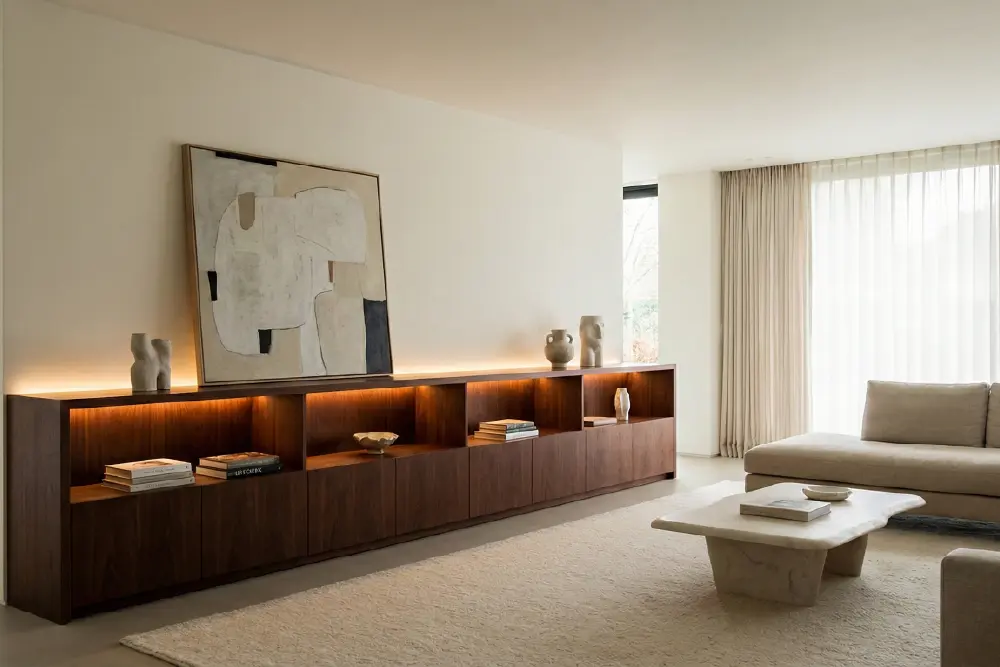
A Note from the Writer: "Having studied our manufacturing process closely from raw timber to final inspection, I highly recommend Indonesian mahogany for what I consider 'semi-ornamental' furniture, pieces like expansive coffee tables, TV cabinets, or executive credenzas. Because these items feature large, uninterrupted surface areas and experience less abrasive daily contact, they act as the perfect canvas to truly appreciate the wood's evolving patina and signature chatoyancy. The broader dimensions also maximize the potential for intricate, custom carving. To protect that aesthetic investment, I always advise placing these standout pieces in controlled indoor or well-protected semi-indoor environments."
Conclusion
Ultimately, Indonesian mahogany represents an excellent investment for commercial spaces. Its combination of tight grain, reliable joint stability, and manageable weight solves the most common problems faced by hospitality businesses. By pairing this material with commercial-grade sealants and strategic placement, you obtain furniture that delivers both luxury and longevity.
Choosing the right Indonesian furniture supplier remains the most critical factor. You need a partner who understands the science of wood alongside the practical realities of commercial operations.
MPP Furniture serves as a reliable manufacturing partner for businesses worldwide. We facilitate a smooth transition from design to delivery, supported by free consultations and dedicated product development. Because we manage 100% in-house production—including our own kiln-drying facilities—we maintain total control over moisture content and quality at every stage. This commitment to detail results in a 99% client satisfaction rate and a minimal complaint ratio of just 0.56%. If you are ready to source high-quality, custom commercial furniture, our team is prepared to help you build collections that stand the test of time.
Ready to Source Durable Indonesian Mahogany for Your Commercial Space?
Partner with MPP Furniture to build custom, high-traffic mahogany collections featuring commercial-grade finishes and lasting structural integrity. Let’s discuss your next hospitality or office project.
FAQs About Indonesian Mahogany
1. Is Indonesian mahogany durable for commercial use?
Yes, Indonesian mahogany provides excellent durability for commercial applications. Its interlocking grain ensures high joint stability, and when finished with commercial-grade sealants, it easily withstands the daily rigors of hotels and restaurants.
2. What is the best finish for commercial mahogany restaurant tables?
The most effective finishes are catalyzed lacquers or high-solid polyurethanes. These chemical-curing sealants create a moisture-resistant shell that protects the timber from scratches, heat, and frequent chemical cleaning.
3. How does Indonesian mahogany compare to African or Santos mahogany?
Indonesian mahogany (Swietenia macrophylla) provides a Janka hardness of 800 to 900 lbf, offering an ideal balance of durability and manageable weight for movable commercial furniture. In contrast, African mahogany is more prone to warping during climate shifts, while Santos mahogany is often too heavy for everyday staff mobility.
4. How can I prevent photodegradation on commercial mahogany furniture?
To prevent fading, keep furniture away from direct sunlight sources like skylights. Requesting UV-inhibiting clear coats from your manufacturer will also help preserve the wood's natural, rich color against sun damage.

Versatile Digital Marketing & Creative Specialist with a strong foundation in graphic design, product photography, and comprehensive brand strategy. Proven ability to bridge the gap between physical products and digital presence, translating complex concepts into high-converting marketing assets. Adept at leveraging SEO, web analytics, and engaging visual content to drive business growth and elevate brand identity in competitive markets.
0 Comments