Picture two stunning indoor collections on your showroom floor—but one is secretly eating your profit margins. For retailers, deciding between Mindi and Acacia isn't just a design choice; it dictates purchase costs, pricing flexibility, and inventory risk. The kicker? Picking cheaper timber doesn't always guarantee a bigger payday.
You might be surprised by how much money you are leaving on the table simply by defaulting to the wrong hardwood. Do you want to discover the exact cost traps and margin-boosting secrets hidden within these two popular materials? Keep reading to uncover which wood will actually give your next collection the competitive edge it deserves.
Why Retailers Weigh Mindi Against Acacia for Indoor Collections
Mindi and Acacia are both absolute staples across mid-tier indoor furniture categories, covering everything from dining sets to bedroom consoles. Because they are so widely available, retailers often default to whichever material their supplier already has spinning in production. However, doing this without comparing true margin potential is like leaving free money behind.
Sure, material cost is the opening number, but finishing, machining, and packaging quickly add up to your real expenses. Freight efficiency and order volume also shape the real bottom line, as we break down in our guide to furniture pricing from Indonesia. Retailers need to compare the fully baked product, not just a raw timber quote.
Understanding the real cost and durability trade-offs helps you make a much more deliberate material choice. Ultimately, the big question is simple: which wood gives you enough breathing room between total cost and the premium your customer is willing to pay?
Acacia Wood for Indoor Furniture: Strengths and Limitations
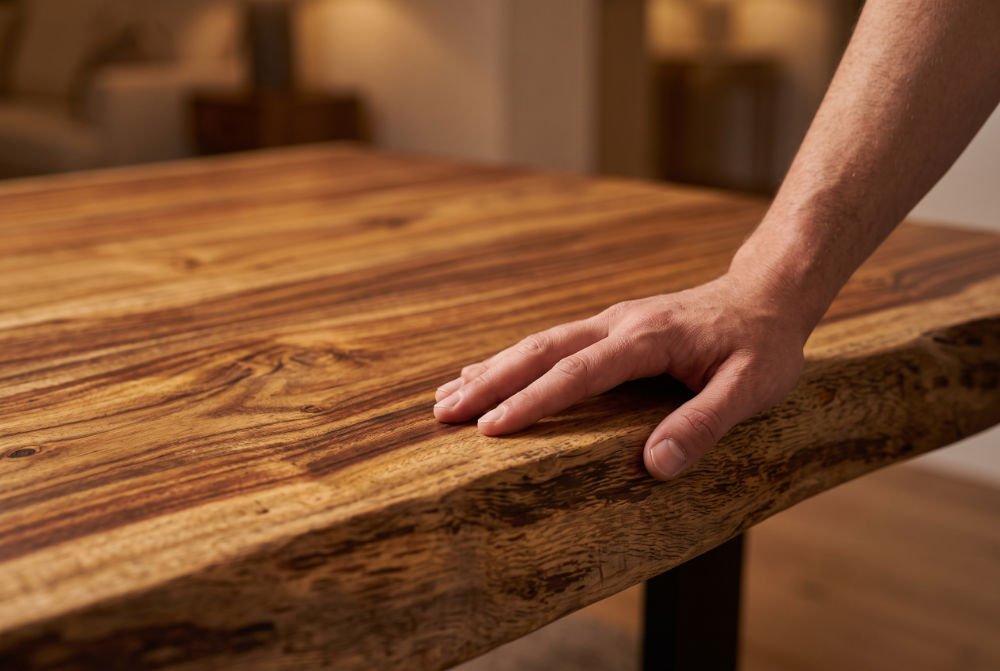
Why acacia is widely used across mid-tier furniture collections
Acacia boasts a very strong, undeniable solid-wood identity. This makes it incredibly easy for retailers to pitch it as a premium step above standard engineered materials. Its wild, pronounced grain and natural color variations give indoor pieces a much more expressive and bold personality.
That distinct character works wonders when the wood itself is the main star of your product story. A customer looking for a substantial, heavy-hitting hardwood feel will instantly see the value in Acacia. In fact, they might fall in love before they even glance at your spec sheet.
Durability and finish characteristics retailers should know
Acacia is generally known for good hardness and resistance to everyday wear, with the Acacia mangium species specifically boasting a tough Janka hardness score of 1,430 lbf. Its natural density clocks in at an average dried weight of 585 kg/m³, giving the finished piece a reassuring weight that firmly supports the perception of durability. However, this solid heft also means you need to factor in its heavier volume when calculating your shipping and freight efficiency.
The main trade-off here is visual predictability, as striking grain and tone differences can be a handful for retailers selling perfectly matching dining sets. You just need to set clear expectations with your buyers about how much natural variation they are realistically getting into.
Cost structure and typical retail positioning
Acacia easily commands a solid mid-tier position, especially when shoppers already appreciate its natural, earthy vibe. However, stomaching a higher production cost only makes strategic sense when your market will actually swallow a higher retail price.
This is exactly where you want to avoid buying based on material hype alone. A handsome wood that drives up your costs without boosting your retail value will quietly eat your margins alive.
Mindi Wood for Indoor Furniture: Strengths and Limitations
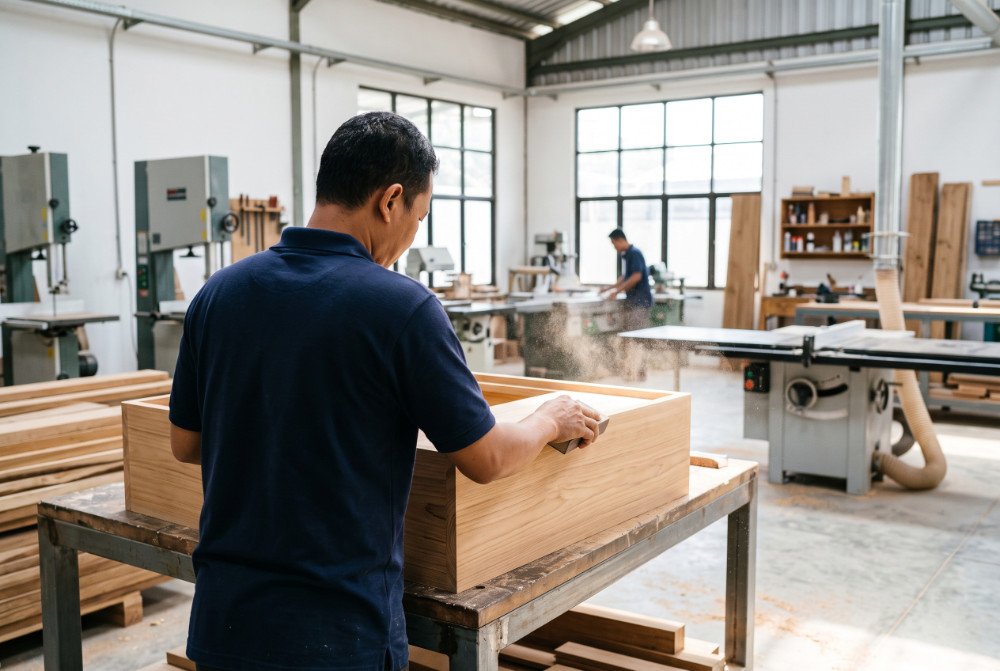
Structural and aesthetic characteristics compared to acacia
Mindi steps into the ring with a lighter complexion, a relatively straight-grain profile, and a moderate density averaging 610 kg/m³. Boasting a Janka hardness of just 990 lbf, it is significantly softer than Acacia, making it an absolute breeze to cut, plane, and machine. This effortless workability speeds up production logistics, handing manufacturers the creative freedom to craft sleek, minimalist profiles without burning through extra labor hours.
For retailers focused on the long game, our deep dive into whether Mindi furniture is a good investment is a must-read. It perfectly explains how processing, smart construction, and finishing techniques all influence its performance in a real home setting.
Finish consistency across a broader indoor product range
One of Mindi's coolest commercial superpowers is how beautifully it takes on different finishes. You can use the exact same base construction to roll out natural, warm walnut, or moody dark finishes without constantly swapping wood species. This kind of flexibility is an absolute lifesaver when you're curating collections for very different customer tastes.
Want to cast a wider net? Our take on Mindi wood furniture for apartments shows how easily this adaptable design approach supports broader SKU testing without breaking a sweat.
Where mindi sits on the cost spectrum relative to acacia
Mindi is typically championed as the budget-friendly solid hardwood for indoor lines, but don't let that fool you. Final pricing still heavily depends on the complexity of your design, finishing choices, hardware, and factory standards. Thankfully, its easy workability can significantly shave down labor hours on the right designs.
A comprehensive look at Mindi wood furniture costs reveals why you should never just look at the timber price tag. Evaluating raw material, labor, QC, and packaging as a complete package paints the real picture of your potential profits.
Mindi vs Acacia: Comparing Retail Margins
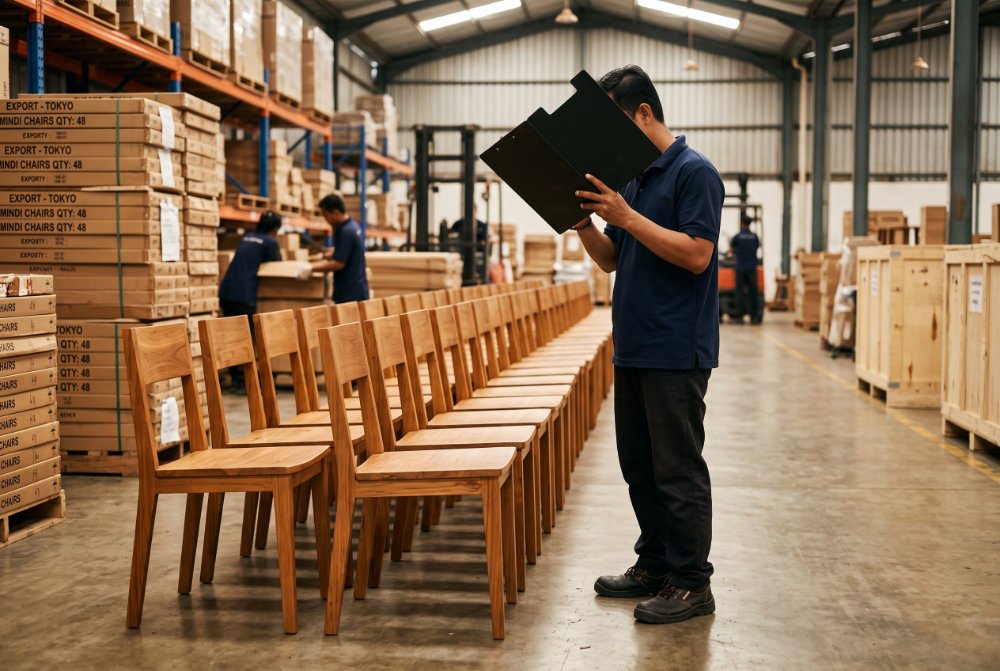
Cost per unit and typical markup potential
Retail margin obviously kicks off with the cost per unit, but the game certainly doesn't end there. To stay competitive and healthy, a retail furniture business typically needs to clear a gross profit margin of at least 40%, with custom pieces often soaring past the 50% mark. Considering raw material costs can easily gobble up 25% to 35% of your wholesale price, picking the wrong timber is a quick way to tank your financial health.
A sweet, low FOB price only gives you pricing freedom if your freight efficiency and customer hype are dialed in perfectly. Mindi might hand you the glorious wiggle room to price aggressively or test out fun new SKUs without stretching your purchasing budget. On the flip side, Acacia could deliver a fatter gross profit per piece because its rugged material story easily justifies a premium ticket.
Ultimately, the real winner depends on your unique retail playbook and how fast you can move boxes. Since holding excess stock can quietly cost you 20% to 30% of your inventory's value annually, fast-turnover brands might truly love the lower capital exposure of Mindi. Meanwhile, retailers curating high-ticket statement pieces will happily bank on Acacia's massive per-unit profit to confidently hit those margin goals.
Customer perception and how each material is commonly marketed
Selling Acacia is often a breeze when you let its dramatic grain and hefty feel do the heavy lifting. The customer instantly gets the natural, rustic appeal without your sales team needing to deliver a long pitch on the showroom floor.
Mindi, however, plays a slightly different game. Its perceived value comes from a flawlessly finished design, crisp proportions, and a highly consistent color story. It allows you to build a premium-looking collection without accidentally wandering into the terrifying cost bracket of luxury hardwoods.
This hands retailers two fantastic, very distinct creative tools. Let Acacia flex its raw material muscles, or give Mindi the quiet space to let your cutting-edge design do the talking.
Supply consistency and production lead time
Say goodbye to your margins if your production schedule suddenly becomes a stressful guessing game. Unexpected delays, messy finish mismatches, or inconsistent repeat orders can easily cost you way more than whatever you saved on the raw timber.
This is precisely why you should test your material choices with a manufacturing partner that manages the entire workflow internally. At MPP Furniture, we produce custom collections directly from our own Indonesian facility, keeping a tight grip on everything from raw material kiln drying to final export-ready packaging. This integrated, in-house approach guarantees the stable quality and predictable lead times that large B2B orders demand.
Because we internally manage the precision machining, assembly, and custom finishing, you get absolute control over your specific design requirements. This setup ensures buyers can confidently compare materials based on a flawless finished product, rather than making a gamble on a misleading block of raw wood.
Related article: Maximizing margins often requires rapid SKU testing and seasonal refreshes. See how selecting the right timber can accelerate your product cycles in our breakdown of why Mindi wood occasional chairs are a smart add for fast-moving collections.
Which Material Fits Your Indoor Collection Strategy
To finalize your strategy, you must align your timber choice directly with your audience's unique expectations. If your buyers demand rugged, natural aesthetics that immediately scream premium value, Acacia is your clear winner. However, if your catalog requires seamless visual consistency across wildly different product categories, Mindi will be your most reliable workhorse.
Custom Mindi Furniture truly shines when your collection demands flexible finishes, heavy customization, and a tight grip on your capital. It’s an absolute powerhouse for retailers trying to build private-label lines around a unified, cohesive aesthetic.
On the flip side, lean into Acacia when its bold, visible grain and heavier footprint perfectly match the story your customers crave. In those scenarios, coughing up a little extra at the factory pays off handsomely when your retail price comfortably follows suit. Just remember, before committing your entire budget, always ask your manufacturer for side-by-side product samples to validate real-world performance.
Final Thoughts: Key Takeaways When Choosing Between Mindi Wood and Acacia
Acacia and Mindi might happily sit in similar price segments, but they bring totally different flavors of value to your business. Acacia works wonders for collections where the raw, natural wood character practically closes the sale on its own. Meanwhile, Mindi offers brilliant freedom for finished experimentation, smart assortment planning, and much tighter cost control.
For savvy retailers, the "best" material is simply the one that harmonizes with your customer base, your design vision, and your margin model. Mindi often provides more predictable, consistent results across a much wider array of indoor product types.
The smartest move is to test both materials across a small initial order to validate exactly how they perform in the wild. Feel free to reach out to a trusted Indonesia furniture supplier like our team to compare Mindi wood and Acacia options tailored specifically for your next indoor collection.
FAQs About Mindi and Acacia Indoor Furniture
1. Is Mindi wood cheaper than Acacia for indoor furniture?
It certainly can be, but the final price tag is never just about the raw timber. The real difference hinges heavily on the specific wood species, your design complexity, finish choices, and overall order volume. Always compare quotes for the fully finished product to get an accurate read on your investment.
2. Which wood is genuinely better for indoor furniture, Mindi or Acacia?
Honestly, both are fantastic contenders for indoor spaces, just in very different ways. Mindi is your best bet for finish-flexible, modern collections that require a clean, consistent look. Acacia, however, steals the show when you need a robust natural grain to anchor a bolder, more character-driven design concept.
3. Which wood can offer a better retail margin?
The juiciest margin always comes from the material that creates the widest, most comfortable gap between your total cost and the retail price tag. That means you shouldn't just look at cheap sourcing. You need to weigh your margin potential, inventory investment, realistic sell-through rates, and quality risks all at once.
Ready to Build Your Next Indoor Furniture Collection?
To start planning your next indoor furniture line, explore MPP's indoor collections or contact our team to discuss custom Mindi wood or Acacia OEM development.

I am a Web Designer, Technical SEO Specialist, and writer with 6+ years of experience in website optimization and search visibility. For more than a year, I have supported MPP Furniture’s growth, and I am currently expanding my role as an author to help B2B furniture buyers make more informed business decisions through informative, practical, and impactful articles.
0 Comments