A mixed-container order sounds simple: choose several products, fill the container, pay the deposit, and wait for production. In practice, buyers often find that one SKU needs a higher minimum, another takes longer to produce, and the final packed CBM no longer fits the container plan.
The problem usually appears late, when changing quantities can affect production efficiency, shipment timing, or cash flow. This guide explains how to plan the SKU mix, calculate container space, align production, and confirm commercial terms before you lock the order.
Why Mixed-Container Orders Make Sense for Retailers
A mixed container allows retailers to test several designs, sizes, or materials in one shipment instead of committing the full container to one model. This can reduce assortment risk for first orders, seasonal collections, and stores that need more variety on the floor.
It also gives buyers room to spread inventory across dining, living, occasional, or outdoor categories. For businesses comparing direct sourcing options, working with experienced Indonesian furniture manufacturers can make this process easier because product development, production, QC, and packing can be coordinated within one operation.
But a mixed order needs more planning than a single-SKU container. Every design has its own packed size, production sequence, material requirement, finish, and minimum quantity.
Step 1: Build Your SKU List With Quantities
Choose the designs and the quantity per design, and ask the factory for its per-design minimum
Start with a working SKU list that includes product code, description, target quantity, finish, material, and intended market role. Then ask the factory for the minimum quantity per design, because a mixed container does not automatically mean every SKU can be ordered in very small numbers.
Buyers should compare the MOQ per SKU with the commercial purpose of each item. For a broader explanation of MOQ, lead time, and shipping terms when sourcing from Indonesia, read Sourcing from Indonesian Furniture Manufacturers: 3 Key Factors.
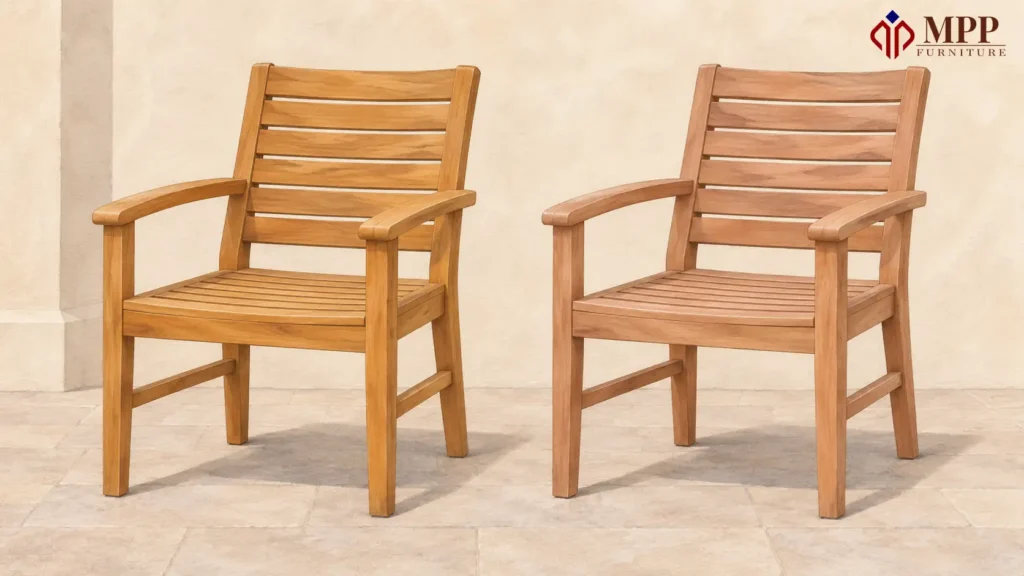
Group SKUs by material and finish so production runs stay efficient
Grouping similar items helps the factory organize timber preparation, machining, finishing, weaving, upholstery, and packing more efficiently. A mix of ten designs with related materials and finishes is often easier to manage than ten completely different production specifications.
This matters even more when your order includes new developments. If you need custom, OEM, or private-label support, review MPP Furniture’s furniture development and manufacturing services before locking the assortment.
Separate must-have SKUs from flexible fill-in SKUs
Mark the products that must ship in the container, then identify flexible SKUs that can be increased or reduced later. Fill-in items are useful when the first CBM calculation leaves unused space that is too large to ignore but too small for another major SKU allocation.
This approach gives both buyer and factory more room during the loading-plan stage. It also prevents a small CBM gap from forcing changes to your best-selling or launch-critical products.
Step 2: Plan the CBM Before You Confirm the Order
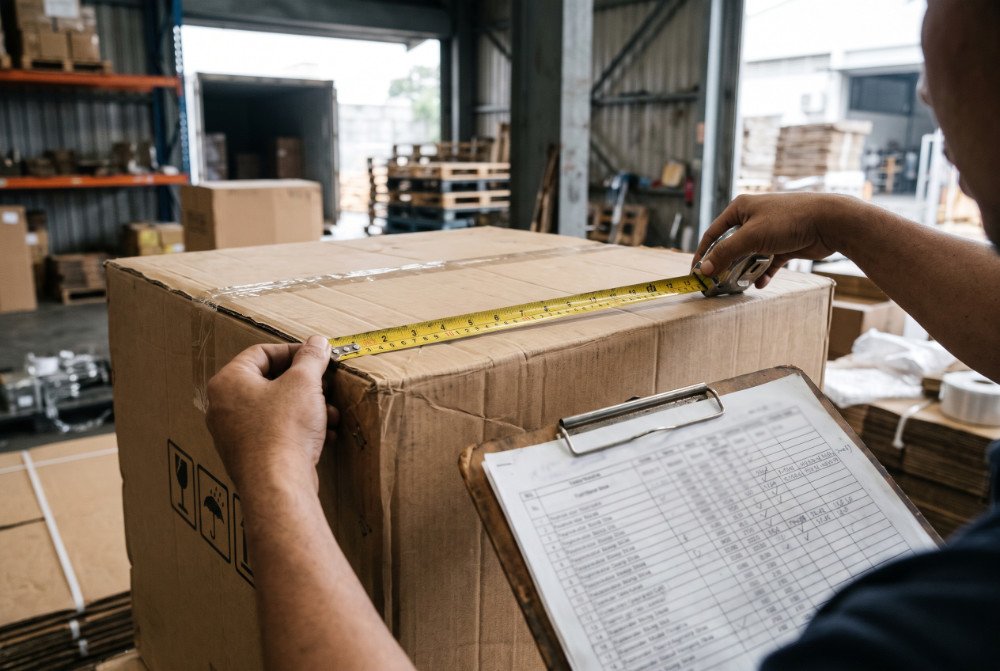
A standard 20 ft container has roughly 33 CBM of nominal internal volume, a 40 ft container about 67 CBM, and a 40HQ container about 76 CBM. Actual furniture capacity is lower because cartons do not fit perfectly, some products cannot be stacked tightly, and protective space may be needed.
Always calculate from the packed carton dimensions, not only the furniture dimensions. CBM per carton is length × width × height in meters, then multiplied by the number of cartons for that SKU.
Ask whether each product ships assembled or knock-down because the construction format can change container efficiency significantly. Your spreadsheet may show an attractive total CBM, but the factory still needs to confirm whether the carton combination can physically form a safe loading pattern.
At MPP Furniture, we don’t just guess and hope for the best. We rigorously evaluate your specific box dimensions and calculate both the carton and container CBM long before loading day. By mapping out this combination early, we maximize your container’s usable space and ensure you aren't paying to ship empty air.
Weight also matters, especially for dense solid wood collections. Buyers planning a wider import program can read Import Furniture from Indonesia: Critical Factors You Must Understand Before Buying Direct from the Factory for more context on production, logistics, documentation, and landed-cost risk.
Leave reasonable room for fragile pieces, glass, stone, upholstery, or cartons that should not carry heavy stacking pressure. The goal is not to chase the container’s theoretical maximum but to ship the assortment safely and efficiently.
Step 3: Align Lead Times Across the Mix
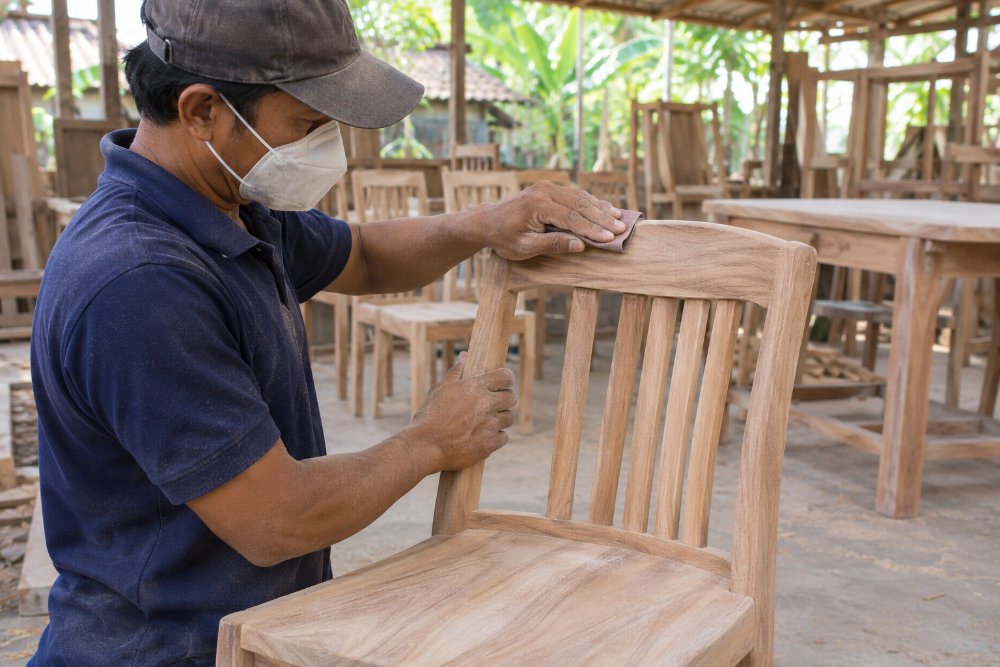
In a mixed container, the slowest SKU normally controls when the shipment can leave. One delayed custom chair can hold the same container as twenty repeat-order tables that were ready earlier.
Identify long-lead SKUs before order confirmation and ask whether custom products can be developed in parallel with repeat designs. For a deeper discussion on working backward from your required selling date, read How Far in Advance Should Retailers Plan Furniture Imports from Indonesia?.
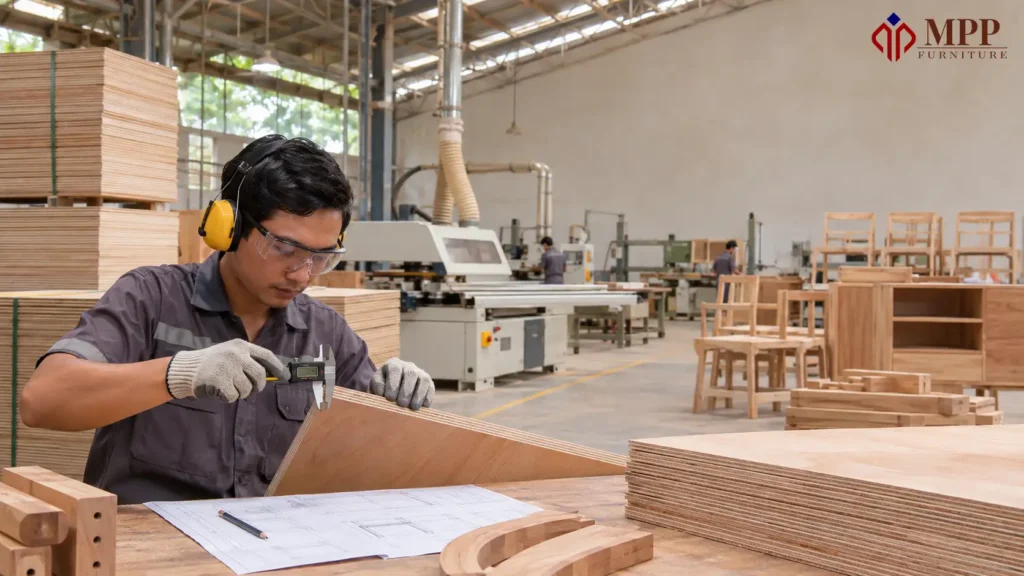
Because our entire manufacturing process runs in-house at MPP Furniture, we coordinate mixed-container schedules with absolute precision. Brand-new SKUs naturally demand extra prep like structural tweaks and sample evaluations, while repeat orders can hit the factory floor immediately. By mapping out every requirement upfront, we prevent one tricky item from holding your entire container hostage.
Just remember to build sample approvals into your timeline. Your official production lead time only starts ticking once the pre-production sample is approved and your deposit is received, unless a custom agreement is in place.
Step 4: Confirm Deposit, Payment Terms, and Incoterm
Confirm the deposit percentage and when the balance is due, since common practice is a deposit at confirmation and the balance before shipment
Do not treat the deposit as an isolated payment step. It should come after the SKU list, specifications, pricing, estimated CBM, production terms, and commercial conditions have been reviewed.
MPP’s existing guidance uses T/T terms of 30% before production and 70% after the shipment is booked. For buyers reviewing banking costs and other charges around payment and shipping, see our guide to hidden costs when buying furniture from Indonesia.
Write the Incoterm and the named port into the order
The order should state the Incoterm and named port clearly so both sides understand where the seller’s responsibility ends and the buyer’s responsibility begins. Do not rely on phrases such as “FOB Indonesia” when the actual port should be written into the commercial documents.
Agree what happens to the schedule and the deposit if you change SKUs after confirmation
Changing your mind after confirmation disrupts raw-material planning, carton requirements, and the factory's production schedule. Instead of debating who pays for these delays later, agree in writing on how revisions will be handled before production begins.
Define exactly what happens to your deposit or target ship date if you modify the order mid-stream. Buyers who want to master this broader purchasing workflow can also read our guide on how to buy furniture from Indonesian suppliers before issuing the final PO.
Step 5: Inspection, Documents, and Booking
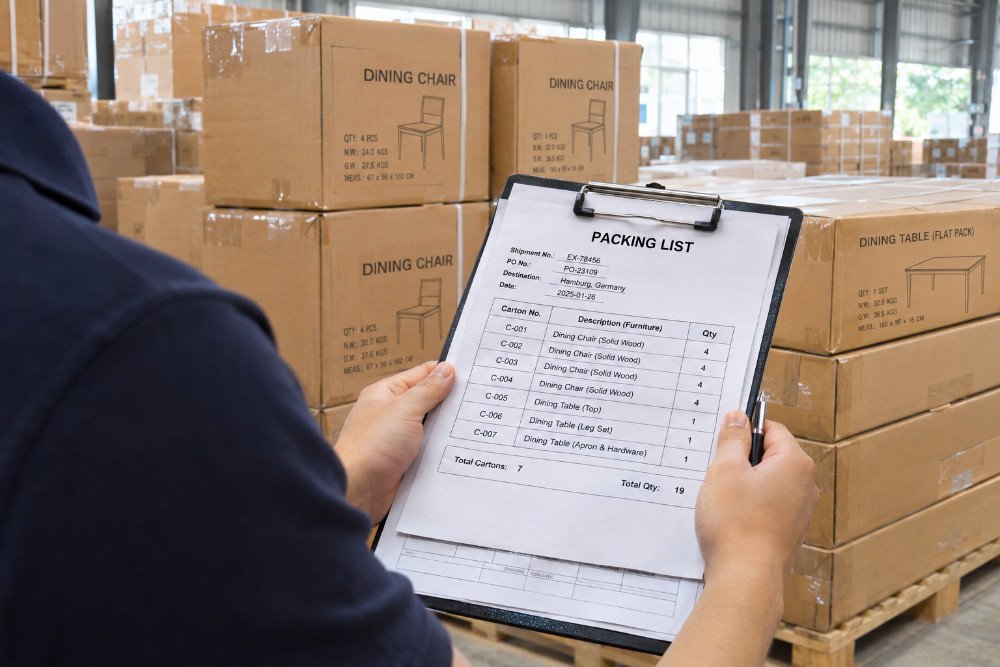
Agree when the pre-shipment inspection takes place and whether it will be handled by the factory, the buyer, or an independent inspection company. Inspection timing should allow enough room for corrections before packing and container loading.
Prepare your core shipping paperwork early, including the commercial invoice, packing list, Bill of Lading details, Certificate of Origin, and any specific fumigation certificates for your destination market. Because customs rules vary wildly by country, confirm these with your forwarder before the container even moves.
When it comes to timber legality, if you are importing wooden furniture, your shipment absolutely needs a V-Legal Document to clear customs smoothly. This mandatory certificate guarantees that every piece of timber used in your products comes from verified, legal sources under Indonesia's SVLK system. Your manufacturing partner will coordinate with an official verification body to issue this document, ensuring your mixed container doesn't get awkwardly stuck at the border.
At MPP Furniture, we believe this level of radical transparency should be your baseline for assessing supplier quality. To save you time, you can easily verify our SVLK certification by checking our S-LK Number (192-ISE-LPVI-022-IDN) directly in the national registry. We proudly operate as Mulya Pratama Putra with an active, fully audited exporter status valid through January 2029.
Once the goods, paperwork, and loading plan are aligned, confirm the loading date with the factory and freight forwarder. Container booking should follow the production reality, not an optimistic date that depends on every SKU finishing perfectly.
Final Thoughts: Key Takeaways Before You Book Your First Mixed Container
Ultimately, mastering your mixed container furniture order in Indonesia means syncing your creative vision with hard numbers. Always plan your SKU mix and CBM together using actual packed carton data, rather than blindly trusting a container's nominal volume.
The slowest SKU can control the shipping date, so identify custom or long-lead products early. Put the deposit terms, Incoterm, named port, SKU-change rules, and approval points in writing before bulk production begins.
At MPP Furniture, we support retailers and buyers with mixed-SKU planning, custom product development, in-house production, QC, and loading preparation. If you already have a shortlist, the most useful next step is to share your SKU list and target quantities so we can review the mix, estimated CBM, and container plan before you confirm the order.
Frequently Asked Questions on Mixed-Container Sourcing
1. Does every product in a mixed container have a low Minimum Order Quantity (MOQ)?
Not necessarily. A mixed container does not automatically mean every SKU can be ordered in very small numbers. You still need to ask the factory for its per-design minimum and compare it with the commercial purpose of each item.
2. How does the furniture's construction affect my CBM planning?
Construction format can change container efficiency significantly. You must verify whether each product ships assembled or knock-down, as this dictates the packed carton dimensions and determines if the combination can physically form a safe loading pattern.
3. What are the standard deposit and payment terms?
Common practice is paying a deposit at confirmation and settling the balance before shipment. MPP Furniture, for example, uses T/T terms of 30% before production and 70% after the shipment is booked.
4. Can I change my SKU list after the order is confirmed?
Modifying the order mid-stream disrupts raw-material planning, carton requirements, and the factory's production schedule. To prevent delays, you should separate must-have SKUs from flexible fill-in SKUs early and agree in writing on how revisions will be handled before production begins.
Ready to Book Your First Mixed Container?
To start planning your SKU mix and CBM efficiency, share your target quantities with MPP Furniture today. Let's review your container plan and avoid shipping empty air before you confirm the order.

I am a Web Designer, Technical SEO Specialist, and writer with 6+ years of experience in website optimization and search visibility. For more than a year, I have supported MPP Furniture’s growth, and I am currently expanding my role as an author to help B2B furniture buyers make more informed business decisions through informative, practical, and impactful articles.
0 Comments