Selecting the wrong commercial seating for a high-traffic space can cost a business thousands in early replacement fees. When comparing leather vs. fabric commercial furniture, genuine leather requires a higher upfront investment compared to fabric options, yet it repays that cost through a significantly longer lifespan, effortless daily cleaning, and a premium aesthetic. For importers, retailers, and interior designers, exploring the reality of authentic leather can help ensure the right fit before placing a large order.
In this guide, we will break down the real pros and cons of authentic leather sofas and chairs. We will look at everything from lifecycle costs to daily maintenance. Armed with these details, you can confidently decide if this material aligns with your business inventory or your next architectural project.
At a Glance: Genuine Leather Pros and Cons
For a quick overview, here is how the benefits and drawbacks of genuine leather stack up for commercial applications:
| The Pros | The Cons |
|---|---|
| Unmatched Durability: Lasts decades in high-traffic areas. | Higher Initial Cost: Requires a larger upfront budget. |
| Beautiful Aging: High-quality grades develop a rich, natural patina. | Summer Heat Sensitivity: Can become warm and sticky without A/C. |
| Hypoallergenic: Naturally repels dust and allergens. | Lower Breathability: Can restrict airflow during long seating. |
| Eco-Friendly Lifespan: Keeps furniture out of landfills. | Maintenance Needs: Requires bi-annual conditioning. |
| Easy to Clean: Spills wipe away effortlessly. | Scratch Vulnerability: Hardware and keys can mark the surface. |
| Odor Resistance: Does not trap smoke or food smells. | UV Fading: Direct sunlight bleaches color over time. |
| Fire Safety: Naturally resists burning and smoldering. | Heavy Weight: Hard to move around in modular spaces. |
| Spot Repairs: Minor scratches can often be buffed out. |
What Does “Genuine Leather” Actually Mean?
Making an informed choice often begins with understanding what "genuine leather" actually means in the manufacturing world. The term simply indicates that the product is made from authentic animal hides, rather than synthetic plastics or bonded materials. In practice, leather upholstery comes in several grades.
Top-grain leather is sanded to remove imperfections, offering the smooth, uniform finish commonly seen inside luxury sports cars or on modern designer sofas. Full-grain leather leaves the outer hide intact, providing the extreme durability and natural markings typical of a rugged heritage club chair. Conversely, bonded or faux leather combines leftover scraps with polyurethane. This cheaper alternative frequently appears on budget office chairs that tend to peel or flake after a year of heavy use.
For B2B buyers, sourcing real leather commercial furniture rewards a keen attention to detail. Genuine, authentic leather feels natural, smells earthy, and has a unique texture. When you work with a trusted Indonesian furniture supplier, every hide is carefully selected and expertly handcrafted. This factory-level quality control prevents material failure and guarantees a product that lasts.
The Pros of Investing in Genuine Leather
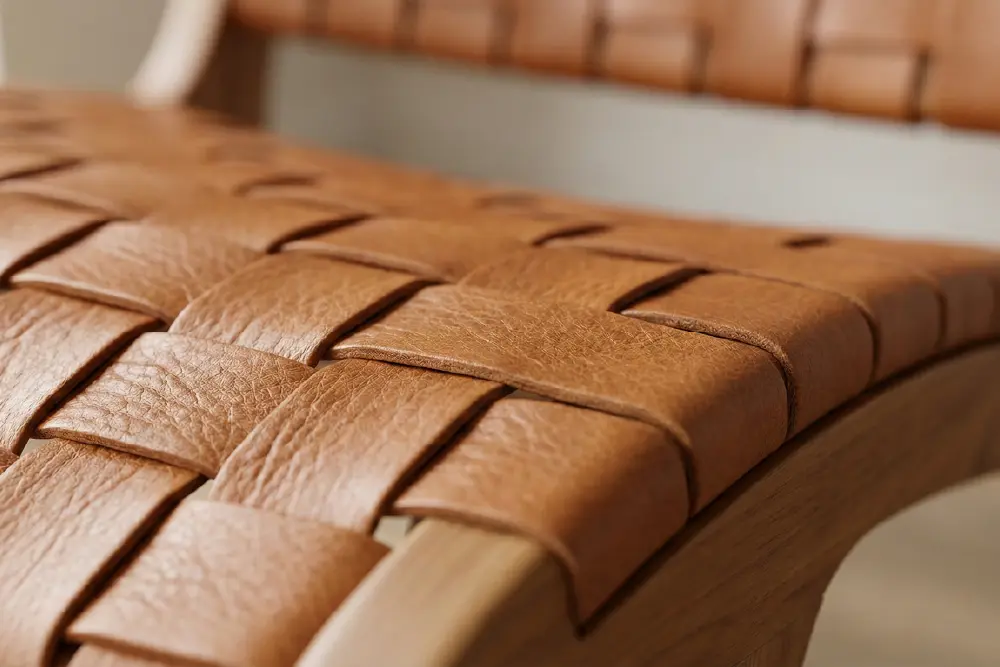
Luxury hotels, upscale offices, and premium retailers prefer genuine leather for very specific reasons. The benefits go far beyond visual appeal. They translate directly into long-term value.
Unmatched Durability and Longevity
One of the biggest advantages of authentic leather is its incredible strength. A detailed comparison of leather versus fabric upholstery by C&M Textiles confirms that natural leather fibers resist tearing, puncturing, and stretching much better than woven textiles. Consequently, genuine leather furniture easily handles the heavy daily traffic of a hotel lobby or a busy retail environment.
Fabric sofas often start to fray or look worn out after just five years. A well-made leather sofa, however, can last for decades. This extraordinary durability makes it an excellent choice for commercial projects demanding longevity. Partnering with an experienced Indonesian furniture manufacturer ensures strong seams and structural integrity. Your investment remains protected against everyday wear and tear.
The Patina Effect: The Reality of How Leather Ages
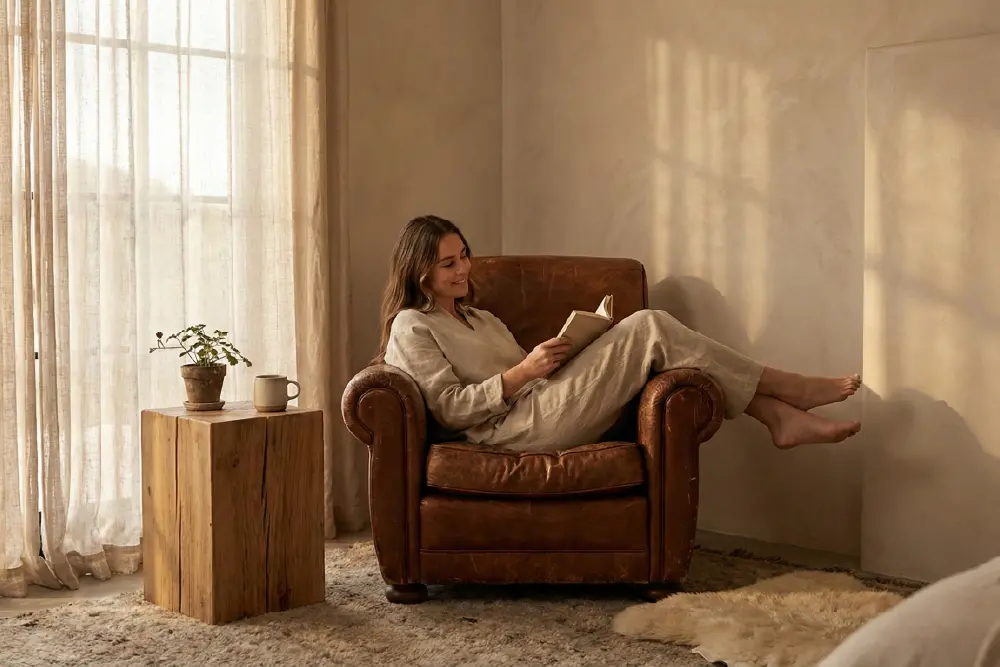
Synthetic materials degrade and crack over time, whereas high-quality leather often improves with age. As guests use the furniture, the oils from human skin and the friction of regular use can create a natural patina effect. The material develops a soft sheen, deeper color tones, and a much more supple texture.
However, setting realistic expectations regarding this aging process is crucial. Not every grade of leather will develop a beautiful patina. As experts at Liberty Leather Goods explain in their breakdown of how leather develops a patina, this rich, vintage transformation requires open pores and primarily occurs in full-grain or pure aniline leathers. Heavily pigmented, protected, or lower-grade leathers prioritize uniform stain resistance over natural aging and rarely achieve that highly sought-after look. Understanding this distinction allows retailers and designers to source the exact type of hide needed to match a client's long-term design vision.
Hypoallergenic Benefits and Easy Cleaning for Upscale Environments
Fabric upholstery traps dust mites, pet dander, and other indoor allergens deep within its fibers. This creates a major problem for sensitive guests in luxury hospitality settings. According to the Mayo Clinic's guide on allergy-proofing your home, replacing fabric upholstery with leather or vinyl significantly reduces dust mites and pet dander in sensitive environments. Because it features a smooth surface, dust and allergens simply sit on top and wipe away easily with a dry cloth.
This makes leather an outstanding hypoallergenic option for executive suites, premium lounges, and boutique hotels. Spills and stains are equally easy to manage. When a drink spills, the liquid initially beads up on the surface instead of instantly soaking in, meaning a quick wipe usually prevents a permanent stain.
However, prompt attention remains essential. If standing water or heavy moisture is ignored and allowed to soak deeply into the hide, it can strip away natural oils, cause stiffening, and even promote mold or mildew growth deep within the material. This neglect would completely negate its hypoallergenic advantages. The Asthma and Allergy Foundation of America (AAFA) advises that maintaining smooth, wipeable surfaces helps effectively control indoor allergens for high-end guests. Establishing a standard wipe-down protocol ensures the furniture remains both pristine and sanitary.
Odor Resistance in High-Traffic Areas
Fabric upholstery acts like a sponge, trapping smoke, food odors, and strong perfumes. Genuine leather naturally resists absorbing these smells. This characteristic keeps hotel lobbies, executive suites, and busy lounges smelling fresh with minimal effort from your cleaning staff.
Natural Fire Resistance and Safety Compliance
Commercial spaces adhere to strict fire safety codes. Research published in the MDPI scientific journal highlights that the dense collagen structure of genuine leather naturally resists burning and smoldering much better than synthetic polyurethane foams. This built-in thermal resistance adds a valuable layer of safety and compliance for complex architectural projects.
Easier Spot Repairs for Minor Damage
When a woven fabric tears, it usually requires an obvious patch or a complete reupholstery job. Minor surface scratches on high-quality leather, however, offer more flexibility. Professionals can often buff out, condition, or re-dye these small blemishes without needing to replace the entire cover, saving significant maintenance costs over time.
Sustainability and the Eco-Friendly Advantage
Sustainability plays a massive role in modern commercial furniture sourcing. High-quality, genuine leather actually provides a compelling, eco-friendly advantage. Global education resource Leather Naturally verifies that authentic animal hides are a natural byproduct of the agricultural industry, meaning furniture production actively prevents them from becoming immediate waste.
Furthermore, the sheer longevity of a leather sofa keeps it out of landfills for decades. Synthetic fabrics and faux leathers eventually break down, often contributing to microplastic pollution and requiring frequent disposal. Genuine leather offers a natural, long-lasting alternative that supports sustainable purchasing cycles.
The Cons to Consider Before Buying
While the benefits are strong, real leather is not perfect for every situation. Reviewing the potential drawbacks can help you set accurate expectations for your clients or end-users.
The Higher Upfront Cost of Leather Furniture
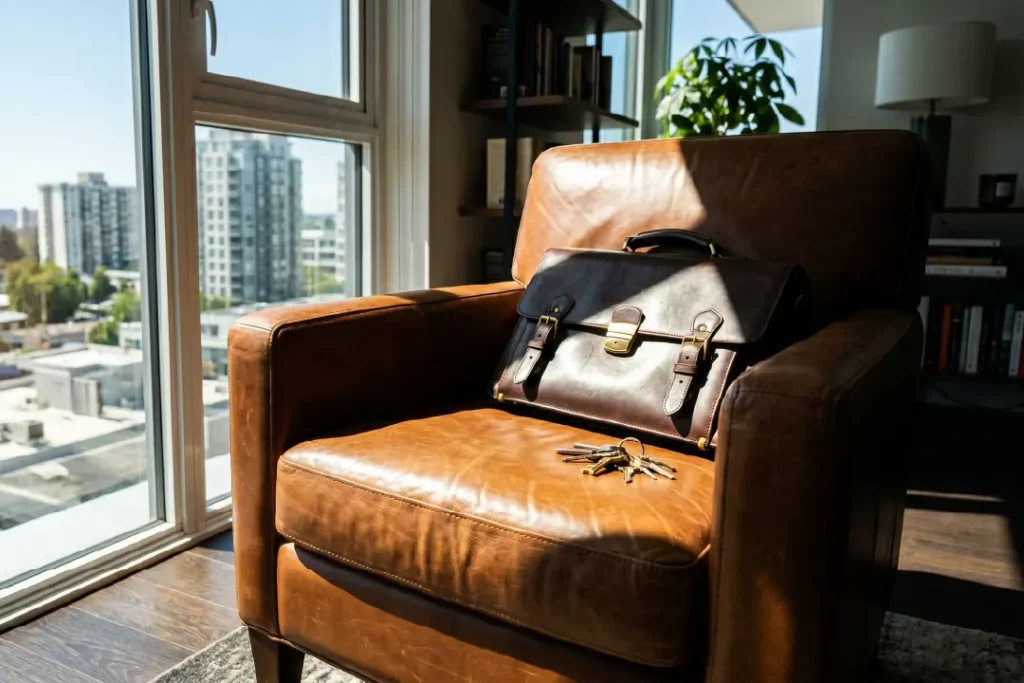
Cost remains the most obvious barrier. Genuine leather furniture generally involves a higher upfront investment. Processing, treating, and carefully stitching authentic animal hides requires intensive labor. High raw material costs naturally place the final product into high-end collections with premium pricing.
Many business buyers, however, find it helpful to look closely at the lifecycle cost. A fabric sofa might save money today, but replacing it three times over the next fifteen years quickly drains budgets. A full-grain leather sofa costs more initially but easily outlasts fabric options, providing a vastly superior long-term ROI. You are paying for longevity, low depreciation, and sustained visual appeal.
Temperature Sensitivity (Heat Absorption in Summer)
Does real leather furniture get hot in the summer? Yes, it certainly can. Leather absorbs the temperature of its surroundings. If you place a leather chair in direct sunlight or a warm room without air conditioning, it becomes hot and sticky to the touch.
Interestingly, this thermal property transforms into a distinct advantage during the winter. While the material might feel briefly cool upon first contact, its density allows it to quickly absorb and retain your body heat. It essentially acts as a thermal insulator, providing a cozy, warm seating experience when the room temperature drops.
To manage the summer heat drawback, we recommend placing leather furniture in rooms with stable climate control. Interior designers frequently plan layouts to keep high-traffic furniture away from large, unshaded windows to ensure year-round comfort.
Lack of Breathability: Why Prolonged Sitting Can Get Uncomfortable
While Yukon Bags notes that natural hides possess some surface breathability compared to cheap vinyl, the dense material remains significantly less breathable than woven cotton or linen. When a person sits on a leather sofa for a long time, body heat gets trapped between their skin and the material. This lack of airflow causes sweating, making prolonged sitting feel uncomfortable.
This natural trade-off is an important factor to consider. Leather is dense and durable, so it naturally restricts airflow. For spaces where people sit for many hours, such as long-term office desks or home theaters, fabric provides a more comfortable choice. For waiting rooms, lounges, and stylish living areas where people sit for shorter periods, leather remains a stellar option.
Vulnerability to Surface Scratches
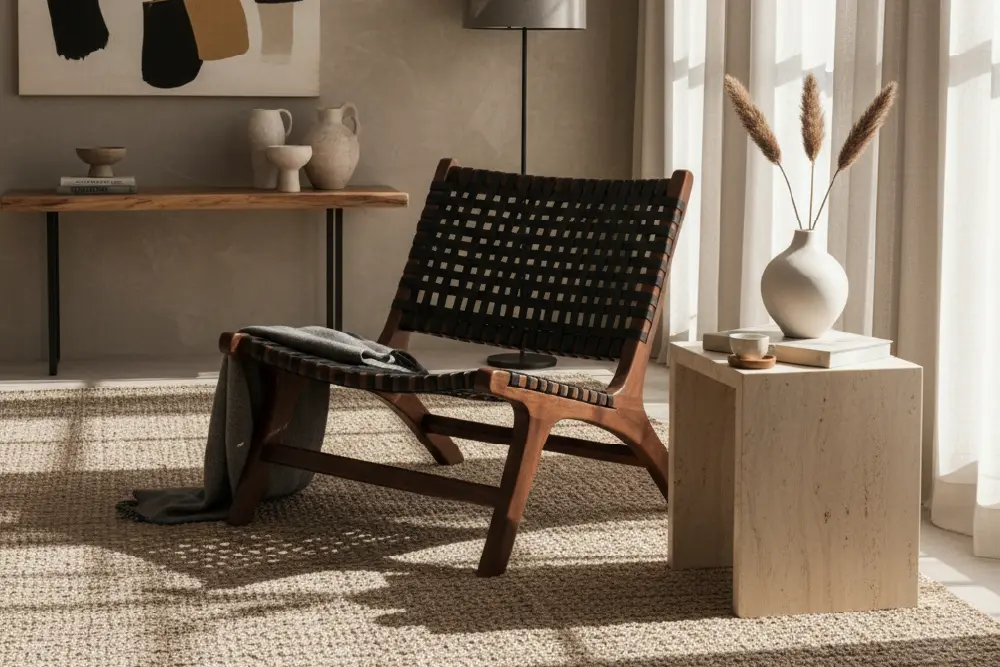
While minor scratches are relatively easy to buff out, the surface remains vulnerable to sharp objects. Metal rivets on jeans, keys, or heavy bag hardware can leave visible marks on the hide. Retailers and designers should set appropriate expectations for clients placing these pieces in extremely high-turnover public seating areas.
Color Fading from UV Exposure
Sunlight does more than just heat the material. It also causes dyes to fade. Leather care specialists at Granite Gold note that prolonged exposure to direct ultraviolet rays will gradually bleach the color and accelerate the drying process of the hide. If a design requires placing a sofa in a sun-drenched atrium, owners will need to apply UV-protective window films or commit to more frequent leather conditioning.
The Heavy Weight of Leather Furniture
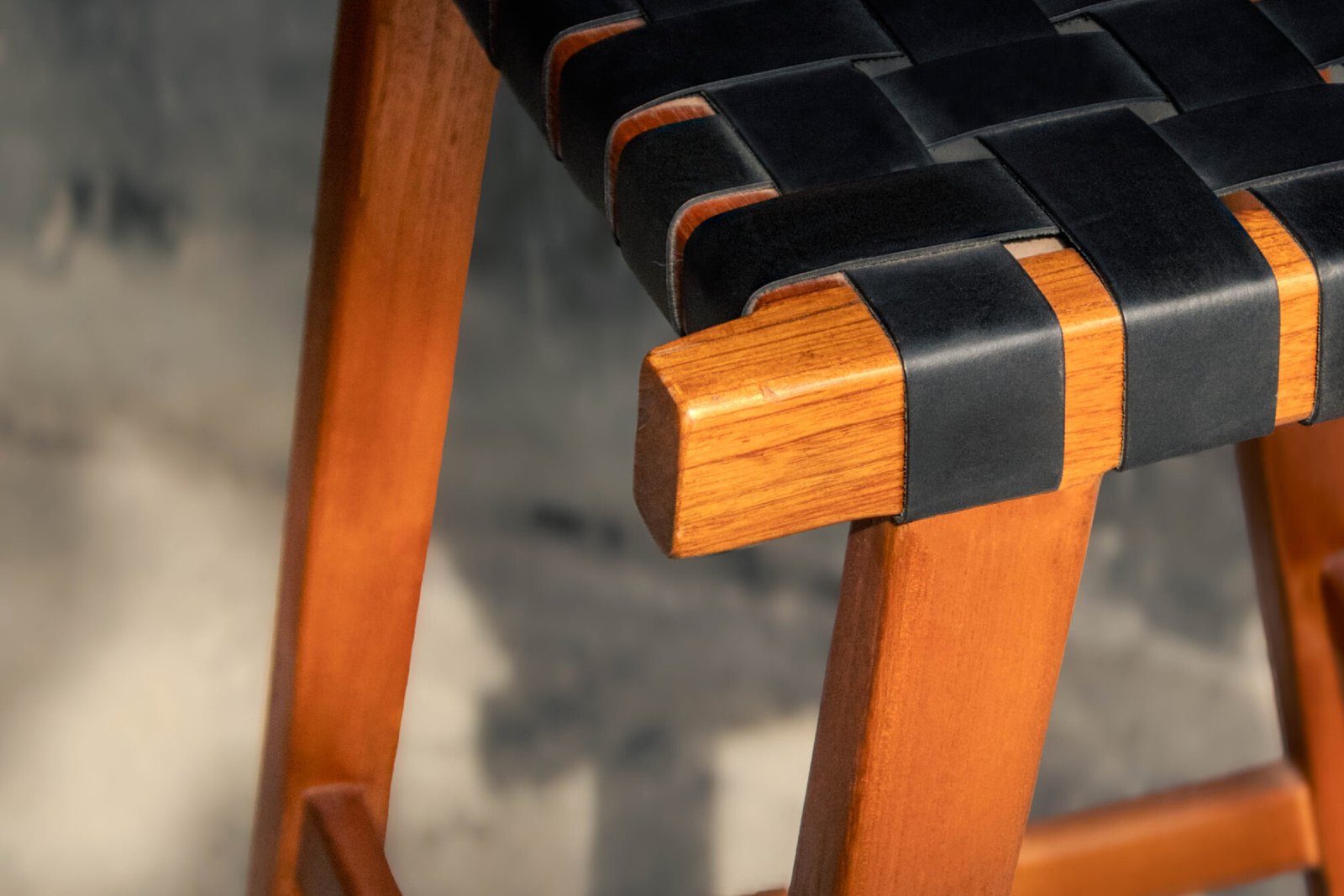
Genuine leather sofas, combined with the solid hardwood frames usually required to support them, weigh significantly more than standard fabric alternatives. This substantial weight makes rearranging furniture in modular office spaces or hotel lobbies much more labor-intensive for the staff.
Ongoing Conditioning and Maintenance Needs
Real leather is essentially skin. Just like human skin, it needs moisture to stay healthy. Neglected material will eventually dry out, stiffen, and crack. Ongoing maintenance plays a key role in protecting your investment.
We recommend regular leather conditioning every six to twelve months using specialized leather cleaners and creams. This preventative maintenance keeps the fibers soft and stops irreversible damage. Management teams can easily integrate this conditioning into their regular cleaning routines for commercial spaces. It is not a difficult process, but it is an extra step that fabric furniture simply does not require.
Ideal Commercial Settings for Genuine Leather Furniture
Understanding the strengths and limitations of genuine leather makes it much easier to place it in the perfect environment. For commercial architects and interior designers, matching the material to the room's function guarantees both aesthetic appeal and long-term performance.
Executive Offices and Boardrooms
Leather inherently projects authority, stability, and success. Placing a premium full-grain leather sofa or a set of executive chairs in a boardroom elevates the professional atmosphere while easily withstanding daily meetings.
Luxury Hotel Lobbies and VIP Lounges
These high-traffic hospitality areas demand extreme durability combined with a luxurious feel. Leather excels here because it resists absorbing spills and odors from hundreds of transient guests, ensuring the lounge remains fresh and inviting around the clock.
Upscale Clinic and Legal Waiting Rooms
Because leather is naturally hypoallergenic and incredibly easy to sanitize with a quick wipe-down, it provides a safe, clean seating option. This makes it a top choice for premium healthcare waiting areas or high-end law firms where cleanliness and guest comfort are paramount.
Where to Proceed with Caution We recommend avoiding sun-drenched glass atriums, where intense UV exposure will fade the dyes and dry out the hide. Additionally, for hot-desking or co-working areas requiring many continuous hours of sitting, highly breathable mesh or fabric task chairs usually provide a better ergonomic experience.
Is Authentic Leather Furniture Right for Your Space?
Deciding to source real leather depends entirely on your specific goals. When evaluating leather vs. fabric options, if your priority is finding the most budget-friendly option for a short-term project, fabric or synthetic alternatives might be a better fit. If you want to provide high-quality furniture that offers a strong long-term ROI, resists indoor allergens, and ages beautifully, genuine leather often proves well worth the investment.
For furniture retailers and project contractors, partnering with a reliable manufacturer of contract furniture is a great way to succeed. At MPP Furniture, we offer one-stop shopping and free new product development to meet your specific needs. Our fully in-house production allows us to maintain strict quality control at every stage, from material selection to final stitching. Whether you need custom private label designs or standard high-end leather sofas, we provide expertly handcrafted products that build trust with your buyers.
Ready to Elevate Your Space with Premium Genuine Leather?
Let’s discuss how our expertly handcrafted leather seating can provide long-lasting value and elegance for your commercial project or retail collection.
FAQs About Genuine Leather Furniture
1. Is genuine leather furniture worth the investment?
Yes, genuine leather is widely considered worth the investment because of its incredible durability and low lifecycle cost. While the upfront price is higher, it outlasts fabric furniture by many years, and high-quality hides develop a beautiful natural patina, offering an excellent long-term ROI.
2. Does real leather furniture get hot in the summer?
Yes, real leather absorbs the ambient room temperature. If placed in direct sunlight or a room without climate control, it will get hot and sticky. We recommend keeping leather furniture away from direct heat sources and in temperature-controlled spaces for maximum comfort.
3. How to condition and maintain genuine leather furniture?
To maintain genuine leather, wipe it weekly with a dry microfiber cloth to remove dust. Every six to twelve months, apply a high-quality leather conditioner to keep the material soft and prevent it from drying out and cracking. We suggest using specialized leather cleaners and avoiding harsh household chemicals.
4. What is the best hypoallergenic furniture for commercial spaces?
Genuine leather is widely viewed as the best hypoallergenic furniture for upscale commercial spaces. Unlike fabric, it does not trap dust mites, pet dander, or indoor allergens. Its smooth surface allows allergens to be wiped away easily, making it perfect for luxury hospitality and premium retail environments.

Versatile Digital Marketing & Creative Specialist with a strong foundation in graphic design, product photography, and comprehensive brand strategy. Proven ability to bridge the gap between physical products and digital presence, translating complex concepts into high-converting marketing assets. Adept at leveraging SEO, web analytics, and engaging visual content to drive business growth and elevate brand identity in competitive markets.
0 Comments