Selling furniture in today's market is highly competitive. When multiple retailers sell the exact same items, buyers immediately compare prices, shrinking your profit margins as businesses fight for the lowest price. Building a recognizable brand becomes nearly impossible when your catalog looks like everyone else's. Partnering with a reliable custom furniture manufacturer to produce unique designs solves this procurement challenge.
By choosing OEM or ODM production, you create exclusive products that competitors cannot match, allowing you to attract better buyers, protect your margins, and build lasting brand loyalty. In this article, we will explain how transitioning to custom furniture secures your market position and guides you through the entire OEM and ODM production process.
Key Takeaways from This Article:
- The Hidden Costs of Generic Procurement: Why importing the same products as your competitors forces you into an unwinnable price war.
- OEM vs. ODM Explained: How to choose the right manufacturing and import path based on your design capabilities and timelines.
- Protecting Your Profit Margins: How exclusive furniture designs give you ultimate pricing power and elevate your brand value.
- The Custom Production Process: A step-by-step look at what happens from the initial prototype to full-scale quality control.
- Choosing a Reliable Partner: Red flags to watch out for and the essential supply chain metrics to evaluate when selecting a factory.
The Danger of Selling Generic Furniture in a Crowded Market
Many furniture retailers and wholesalers start their procurement strategy by sourcing generic, ready-made products. This feels easy and fast. But in practice, importing generic inventory creates heavy business risks. When your customers can find the same dining table or rattan chair at five different stores, they will simply buy the cheapest one. This forces you into a price war.
A price war directly damages your profitability. You work hard to market the product, pay for warehousing, and manage logistics. Reducing the retail price just to beat a competitor means you lose money on every sale. Over time, this business model becomes unsustainable. Also, generic products offer no brand protection. If a competitor finds the same Indonesian furniture supplier, they can copy your entire catalog in weeks.
Because of this, experienced business owners move away from generic B2B furniture sourcing. They understand that exclusive designs give them pricing power. When a product is unique to your brand, buyers cannot shop around for a cheaper version. This means you dictate the retail price and secure the profit margin you actually deserve.
Understanding Your Manufacturing Options: OEM and ODM
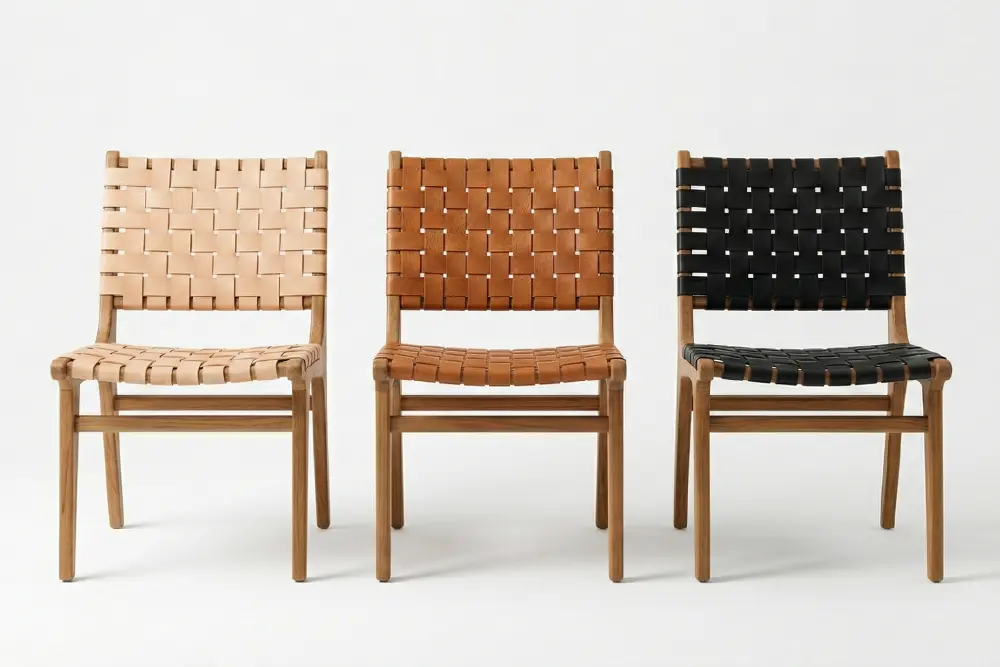
When you decide to optimize your supply chain and offer unique products, you generally have two main paths. These are OEM and ODM manufacturing. Both options allow you to stand out, but they serve different business models and timelines. Understanding the difference helps you choose the right strategy for your next collection. If you want to explore global supply chain perspectives, Global Sources provides a comprehensive breakdown of the differences between OEM and ODM manufacturing.
OEM (Original Equipment Manufacturer): Bringing Your Exact Vision to Life
OEM means the factory produces a product entirely based on your specific design. You provide the technical drawings, material choices, and dimensions. The factory then acts as your dedicated production arm to bring that exact vision to life. To understand the broader economic context of this model, you can read Investopedia's detailed guide on how Original Equipment Manufacturers (OEMs) operate within the global supply chain.
This option is best for brands with in-house interior designers or product developers. It gives you absolute control over the intellectual property and the final look. For example, if you want a specific teak wood chair with a unique joint structure, an OEM furniture manufacturer will build it exactly to your blueprint. Every item is expertly handcrafted to match your precise specifications.
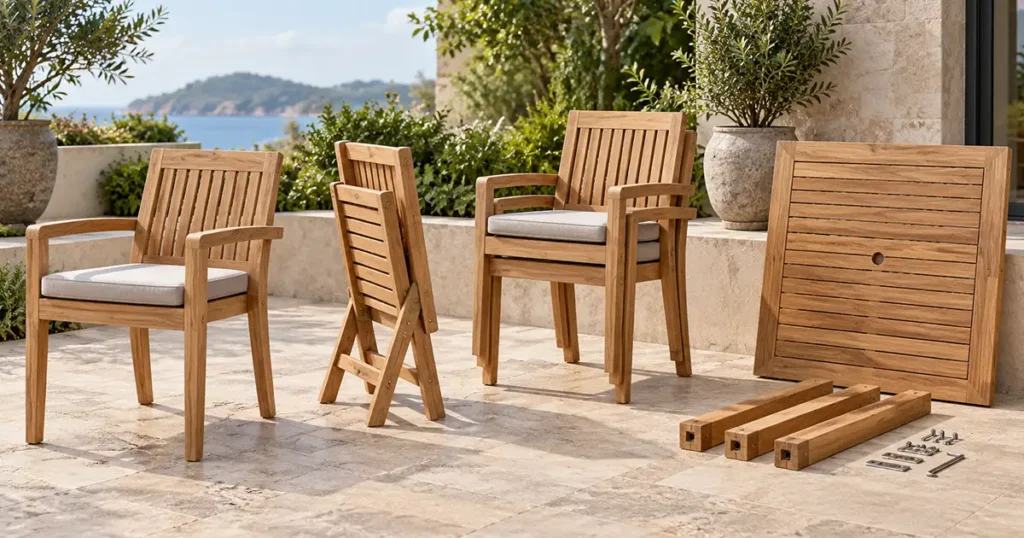
In practice, this means the factory engineers must calculate the exact joinery methods required. They test how the wood grain will behave when cut at specific angles. If a design lacks structural support, a responsible manufacturer will suggest hidden reinforcements. For example, an interior designer recently brought us a reference image for a massive 3-meter outdoor dining table. She needed it to be a knock-down (KD) design for easier shipping.
Our team created a detailed 3D file with a custom KD concept. We explained every technical detail to her so she understood how the new design maintained a strong, secure foundation without losing the original look. This technical review prevents product failures once the item reaches your customer.
ODM (Original Design Manufacturer): Customizing Existing Blueprints
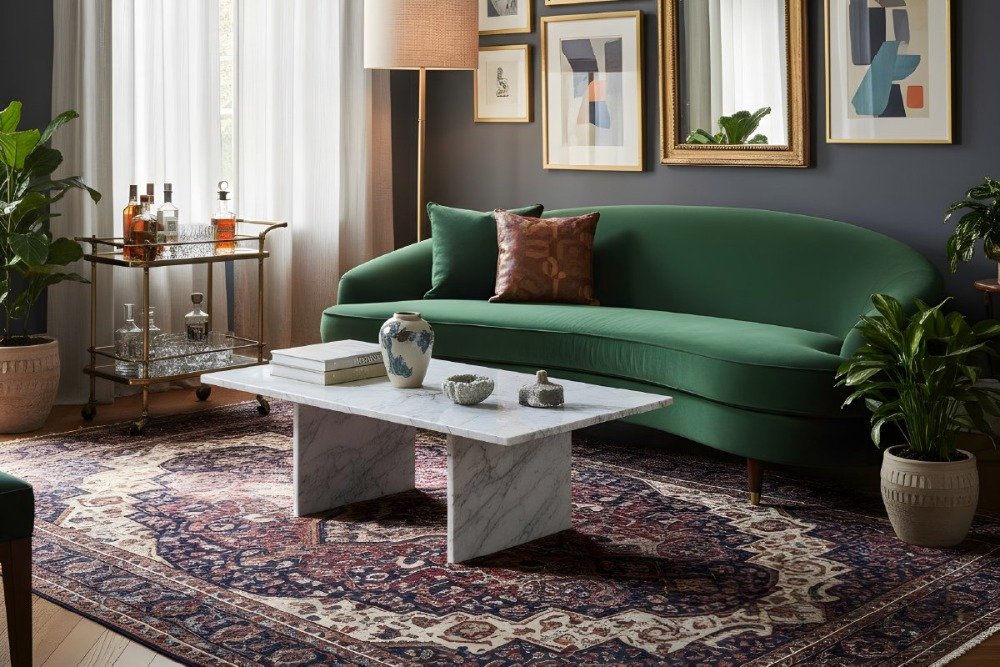
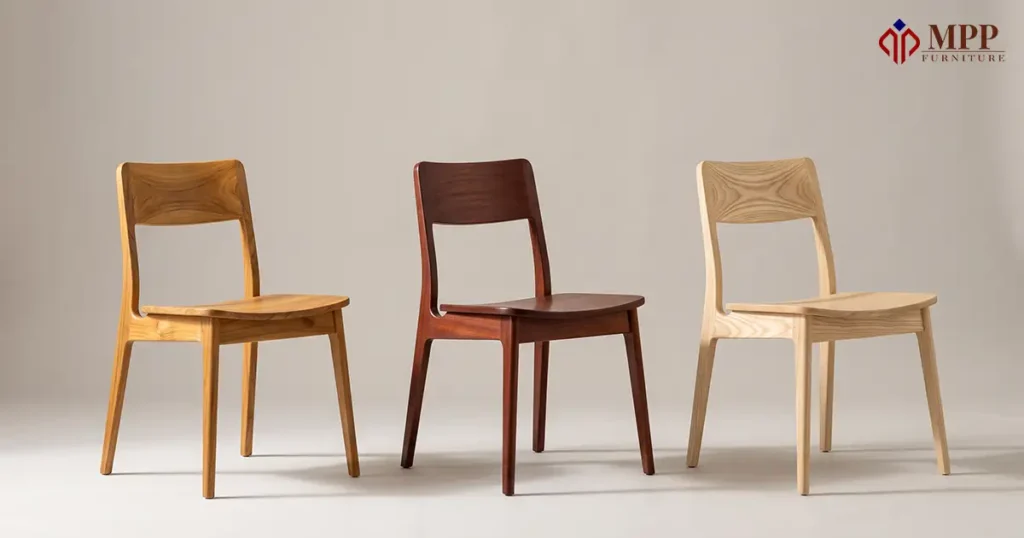
ODM is a different approach. Here, the factory already has a catalog of existing designs or base models. You select a product and request modifications to make it unique to your brand. You might change the wood finish, alter the fabric, or adjust the dimensions.
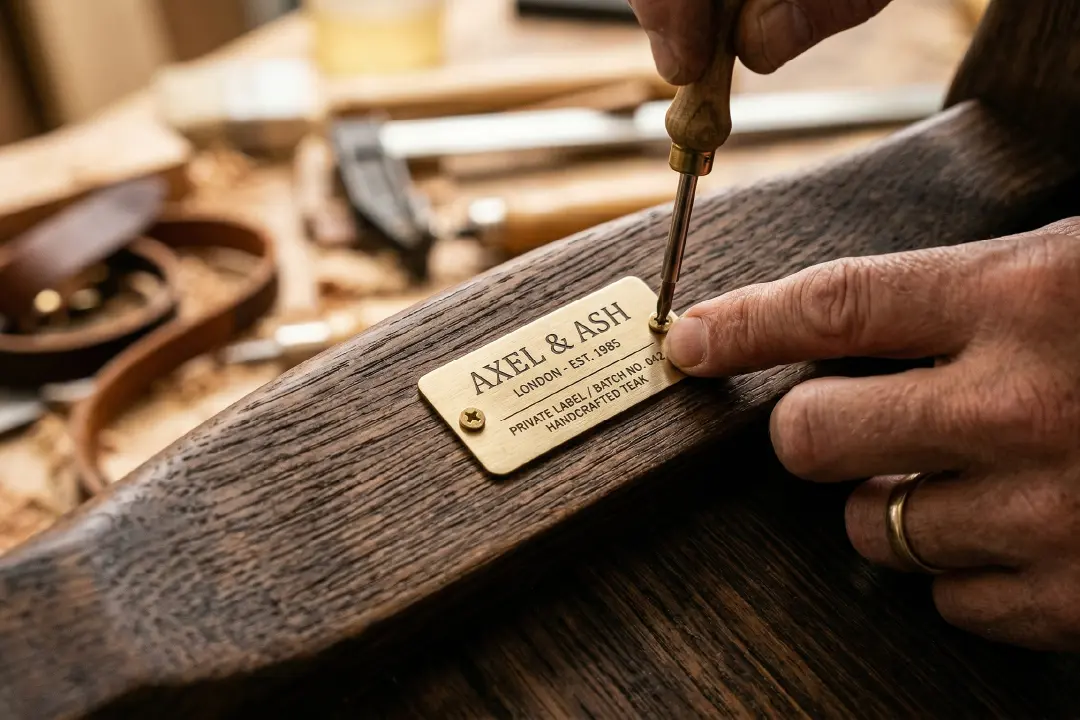
This path is excellent for businesses that want exclusive wholesale custom furniture but need to minimize procurement delays. It is faster because the factory already knows the basic construction and material requirements. You get a private label furniture manufacturing experience without starting from zero. For retail and e-commerce business owners, Shopify offers an excellent resource explaining the strategic benefits of private label versus white label products when building your brand. As a result, you save time and money on initial product development.
ODM also reduces the risk of structural issues. Because the base frame has already been tested in full-scale production, you know it can handle daily use. You only need to focus on aesthetic changes. For example, changing a standard lacquer finish to a distressed wash can completely transform the product's appeal.
How Exclusive Designs Protect Your Brand and Profit Margins
Unique furniture designs act as a defensive wall around your business, protecting you from direct price comparisons. When you work with a reliable custom furniture manufacturer, you create items that belong only to you. Buyers who want that specific look must buy from your store.
This exclusivity directly affects how much people are willing to pay. Custom designs carry a higher perceived value. Customers see the unique shape, the specific rattan weaving, and the high-quality finish, so they understand the product is special. Because they cannot find it on a competitor's website, they are less sensitive to the price.
We see this work in the real world. Recently, one of our buyers launched a new collection made entirely by our factory. At the IFEX 2026 exhibition, he sent us a message saying he attracted a huge wave of new buyers. Because almost half of his booth featured our unique, expertly manufactured designs, his catalog stood out from the generic competition.
This proves that exclusive designs help you target specific market segments. If your business involves contract furniture manufacturing or supplying hospitality furniture for hotels and resorts, procurement managers for these clients often need pieces that fit a specific architectural theme. Offering them an OEM solution makes you a valuable partner, not just another vendor. This leads to high-value, long-term B2B relationships.
The Custom Furniture Manufacturing Process: What to Expect
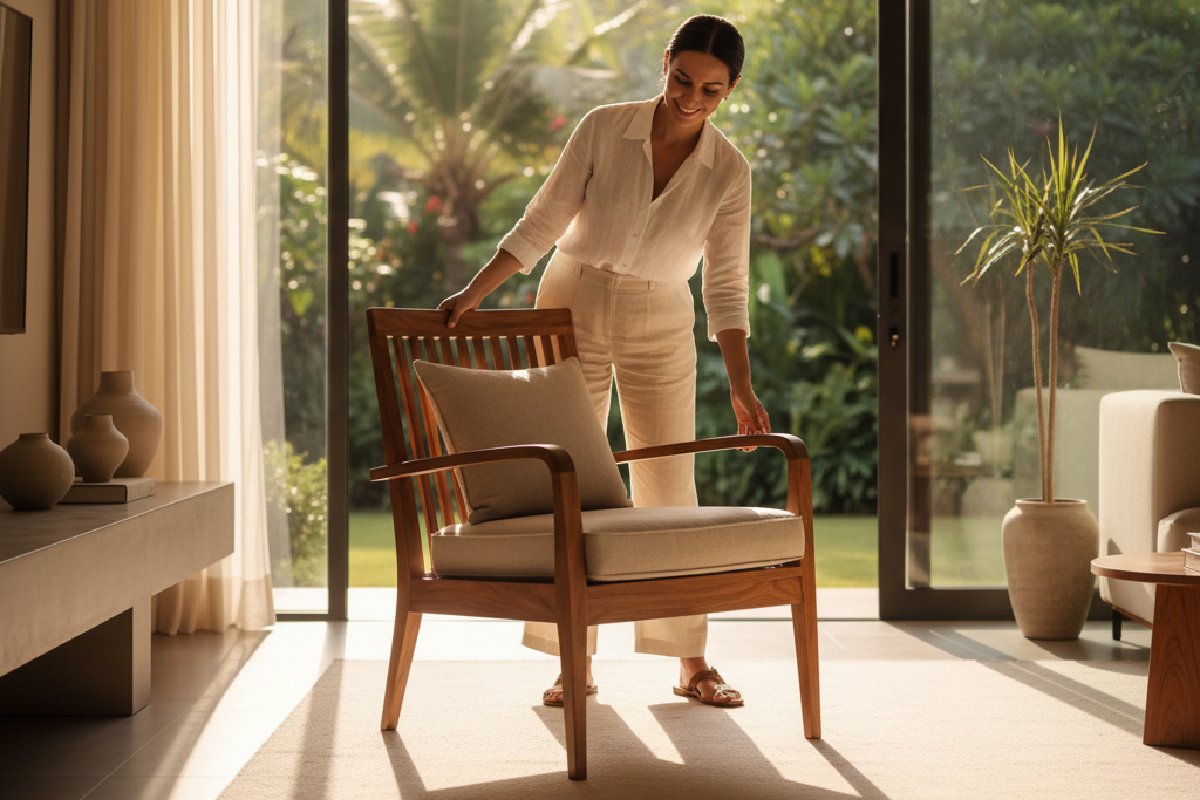
(Alt Text: Quality control inspection of a newly finished custom rattan chair)
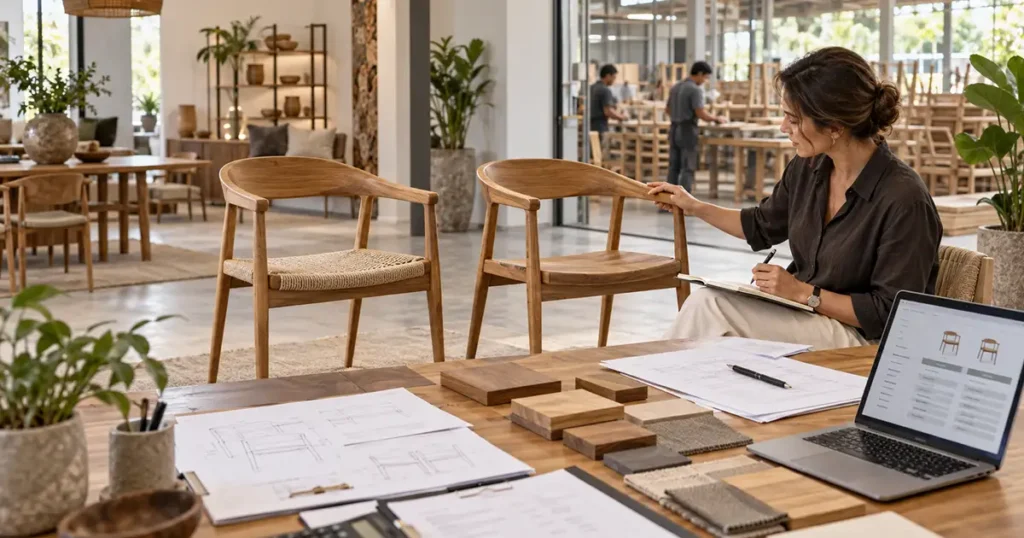
Working with a factory on custom designs requires clear communication and a structured workflow. A trusted Indonesian furniture manufacturer will guide you through several distinct phases. This structured approach prevents expensive mistakes, minimizes procurement delays, and keeps production on schedule.
OEM/ODM Prototyping to Full-Scale Production
The process starts with a consultation. You share your reference images, sketches, or CAD drawings. The factory engineering team reviews these to confirm structural stability and material suitability. At this stage, a good partner will offer free new product development advice to improve the design for better manufacturing efficiency.
Next, the factory moves to the furniture prototyping process. They create a single physical sample of your design. This is your chance to test the comfort, review the proportions, and check the finish. You might notice the backrest needs a slight angle adjustment, or the wood stain should be darker. The factory refines the prototype until you approve it. Every adjustment requires close attention to detail to match your expectations.
Once the prototype is approved, full-scale furniture production begins. Quality control happens at multiple checkpoints. First, the wood moisture content is checked using specialized meters to keep it below 12%. This prevents the wood from cracking or warping when it ships to drier climates. Next, the sanding process is inspected to guarantee a perfectly smooth surface. Finally, the finishing layers are applied in a controlled environment to avoid dust contamination. By controlling 100% of the production in-house, the manufacturer maintains strict standards across every single piece.
Red Flags to Watch Out For When Sourcing Custom Furniture
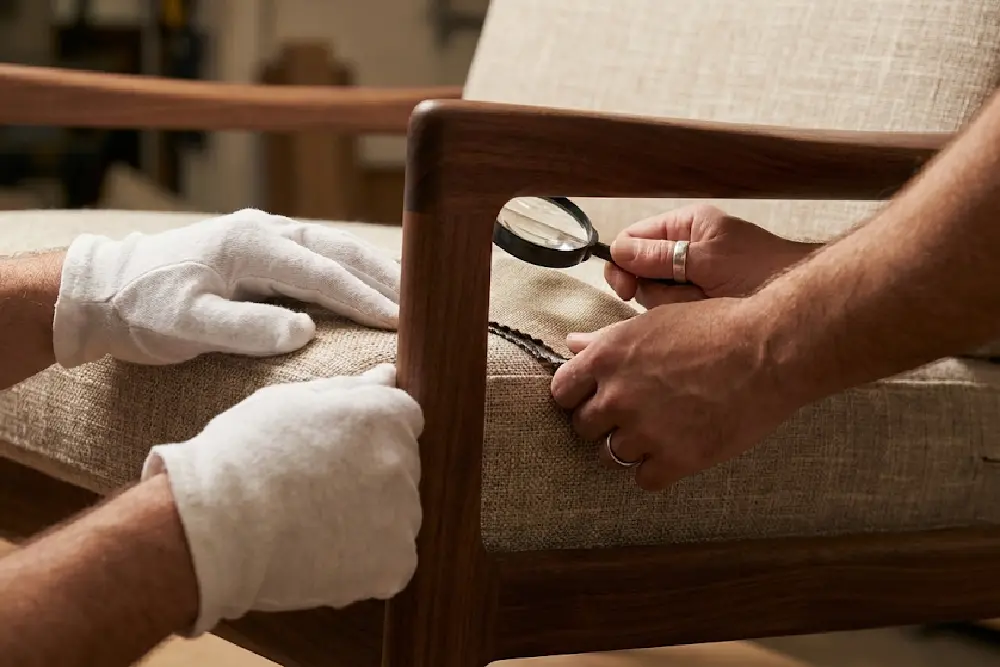
Finding a factory for your furniture imports is easy, but finding the right one takes careful observation. During your search, pay attention to these two major warning signs:
- Lack of Transparent, Technical Feedback: If a supplier agrees to every design without asking technical questions, be cautious. A capable manufacturer deeply understands the entire furniture-making process. They should provide meaningful, helpful suggestions to improve the structural progress of your pieces. If they cannot offer transparent updates at every single step, they are likely disorganized or hiding inefficiencies.
- Relying on Sub-Contractors or Outsourcing: Theoretical knowledge of materials means nothing if the supplier cannot actually build the items themselves in their own factory. Factories that outsource steps or use subcontractors lose total control over quality and add unnecessary risk to your supply chain. If production is not fully in-house, it becomes impossible to monitor the workflow closely or properly record the specific processes needed for future full-scale production.
Wholesale Custom Furniture: Choosing Your Manufacturing Partner
Your success in custom furniture procurement depends entirely on the factory you choose. A bad factory will cause delays, produce inconsistent quality, and damage your reputation. When selecting your manufacturing partner, look for these two essential traits:
- Proactive Communication and Expert Guidance: You need a team that acts as a true, transparent partner. They should understand international import standards and offer a smooth process from the first email to the final delivery, updating you clearly at every stage of production. Here at MPP Furniture, we prioritize this transparency, ensuring you receive expert, meaningful suggestions to optimize your designs throughout development.
- 100% In-House Production Tracking: To guarantee consistent quality, choose a manufacturer that keeps every step of the process under its own roof. Fully in-house production allows the factory to monitor everything strictly and record exact manufacturing parameters. This ensures that when you move from prototyping to a full-scale run, the quality remains flawless. Our dedication to this level of in-house control is why MPP Furniture maintains a 99% client satisfaction rate and a minimal complaint ratio of 0.56%.
When your factory delivers on time and without defects, you can focus on growing your brand and selling more furniture.
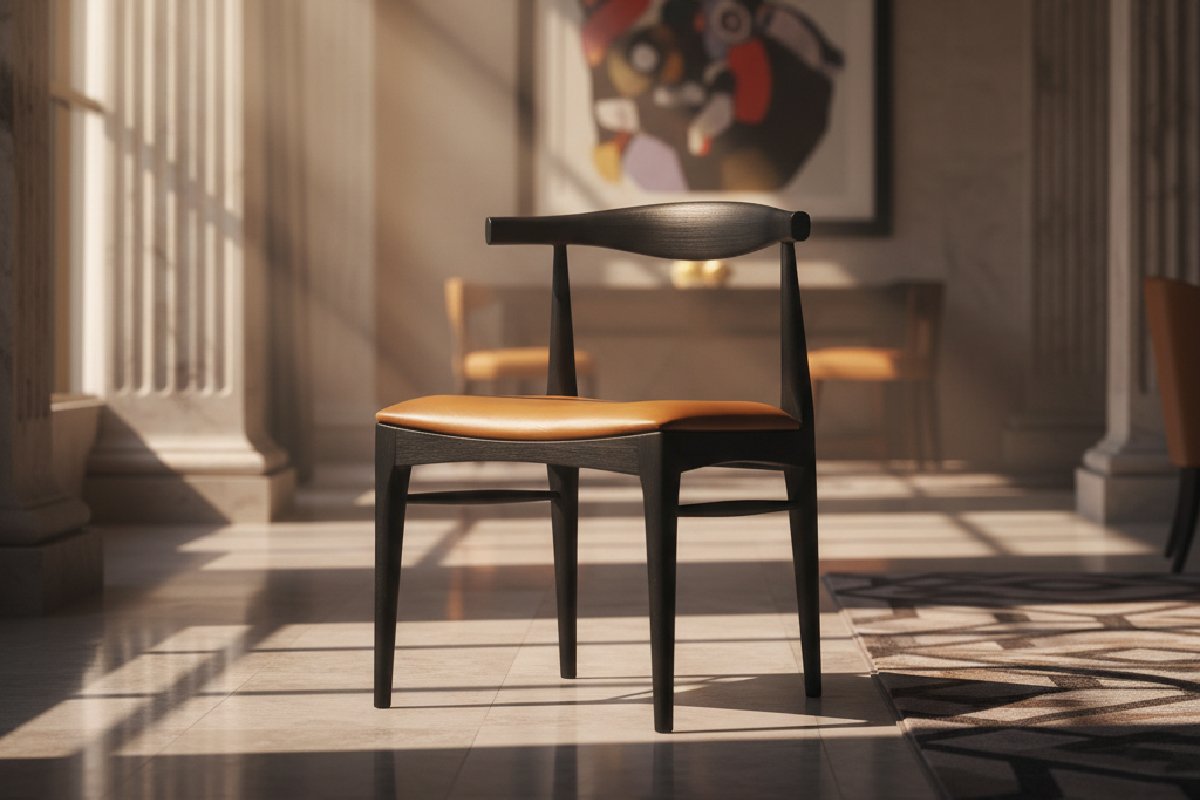
Summary: Elevate Your Brand with Custom Manufacturing
Selling generic inventory leaves your business vulnerable to price wars and fierce competition. Moving to custom furniture manufacturing allows you to break free from these constraints and build a resilient supply chain. By utilizing OEM or ODM services for your furniture imports, you create an exclusive catalog that competitors cannot copy. Finding a transparent, fully in-house manufacturing partner ensures your designs are built efficiently and to the highest quality standards. Ultimately, unique furniture secures your market position, protects your profit margins, and builds lasting brand value.
Ready to Secure Your Market with Exclusive Custom Furniture?
Let’s discuss how our fully in-house manufacturing team can bring your OEM/ODM designs to life and protect your profit margins.
Frequently Asked Questions
1. What is the difference between OEM and ODM furniture manufacturing?
OEM (Original Equipment Manufacturer) means the factory builds a completely new product based on your original design. ODM (Original Design Manufacturer) means you select an existing factory design and modify it with your own branding, materials, or finishes.
2. How long does the furniture prototyping process take?
The furniture prototyping process typically takes between 2 to 4 weeks. This timeframe depends on the complexity of the design, material availability, and how many revisions are required before final approval.
3. Do you offer free consultation for new product development?
Yes, reliable factories provide free consultation and free product development services. This helps buyers refine their designs for better structural integrity and cost-effective full-scale production.
4. How does custom furniture protect my profit margins?
Custom furniture protects profit margins by eliminating direct price comparisons. Because competitors cannot offer the exact same design, you control the retail price and avoid participating in a race to the bottom.
5. How do I choose a reliable custom furniture manufacturer?
Choose a manufacturer with full in-house production, a dedicated quality control team, and a low complaint ratio. A reliable partner will also offer clear communication and a structured workflow from concept to delivery.

Versatile Digital Marketing & Creative Specialist with a strong foundation in graphic design, product photography, and comprehensive brand strategy. Proven ability to bridge the gap between physical products and digital presence, translating complex concepts into high-converting marketing assets. Adept at leveraging SEO, web analytics, and engaging visual content to drive business growth and elevate brand identity in competitive markets.
0 Comments