Retailers today have more sourcing options than ever before. China, Vietnam, India, and Indonesia all compete in the global furniture market, so many buyers naturally compare pricing, lead time, and production scale before making decisions.
But a sourcing country affects much more than cost alone. It shapes product consistency, design flexibility, customization options, material quality, and even how your retail collection is perceived by customers.
This article explains why Indonesian indoor furniture stands out in the global market, especially for retailers and importers looking for a balance between craftsmanship, flexibility, and long-term product value.
Why Sourcing Country Matters More Than Many Retailers Realize
Many furniture buyers focus heavily on pricing during supplier selection. In practice, the sourcing country also affects communication style, production systems, quality consistency, and how easily designs can be adjusted during development.
For example, some countries are built around high-volume industrial production. This system works well for standardized products, but it can become difficult when retailers want custom sizing, finish changes, or smaller collection updates.
The sourcing country also influences long-term retail operations. If production is too rigid, retailers may struggle to refresh collections quickly or respond to changing customer preferences.
This is why experienced importers often evaluate sourcing countries based on flexibility and product positioning, rather than just analyzing the factors affecting furniture costs. A lower purchase price does not always create better retail value in the long run.
How Indonesian Indoor Furniture Is Positioned in the Global Market
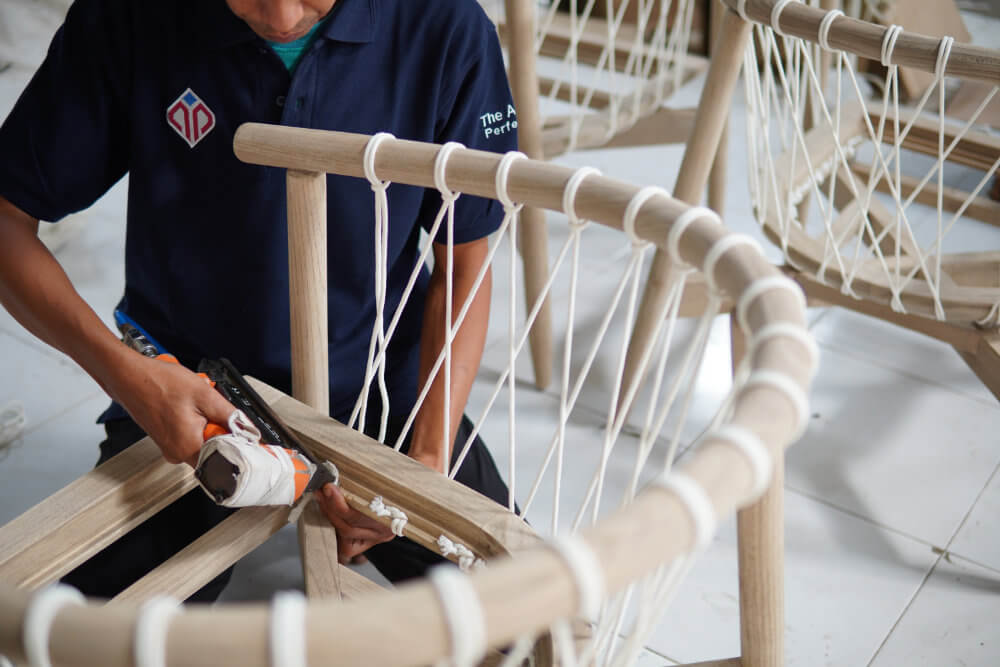
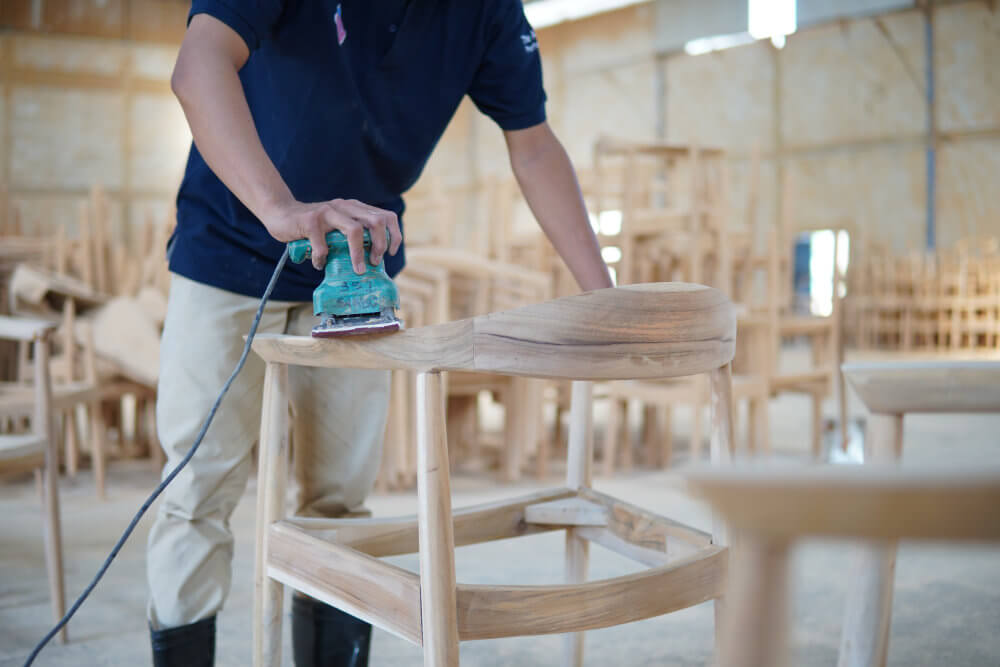
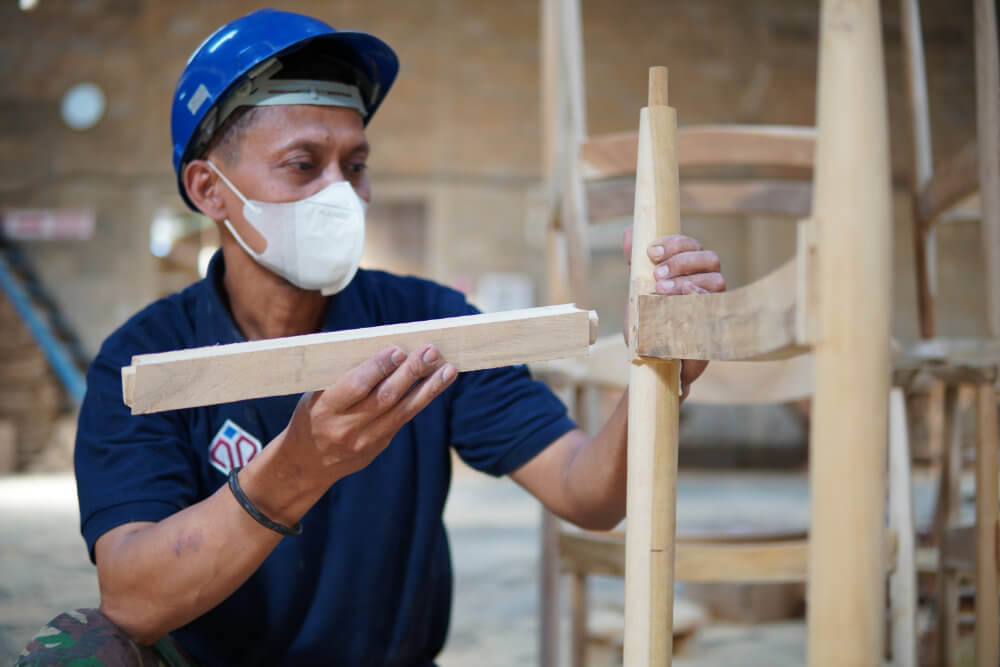
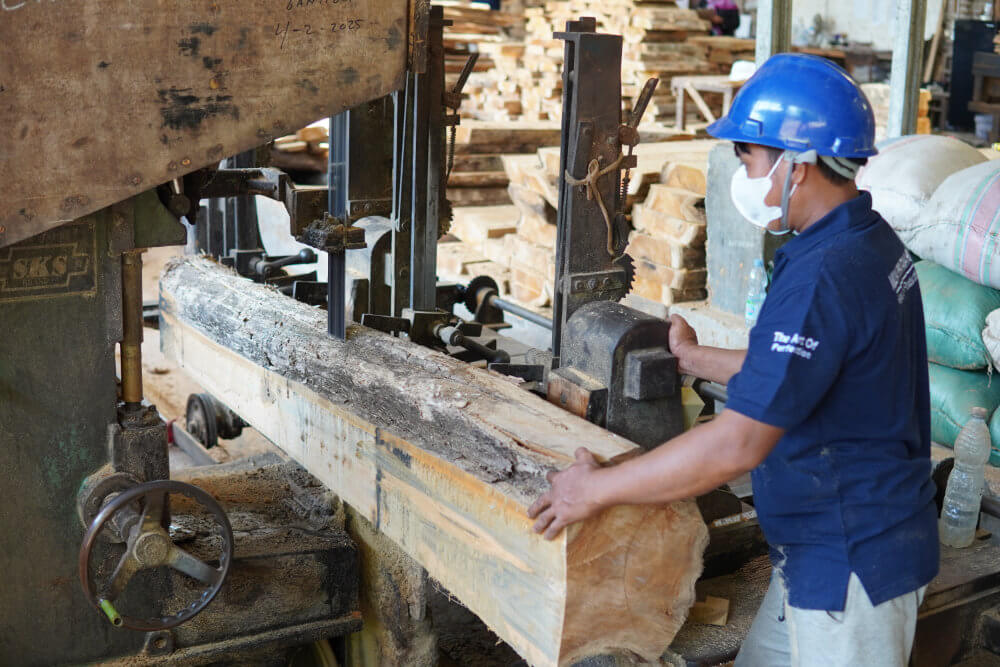
Indonesia occupies a unique position in the global market by perfectly bridging the gap between mass production and traditional craftsmanship. While many factories are equipped for export-ready scalability, they intentionally maintain semi-handmade production systems to preserve product character.
This approach allows retailers to balance manufacturing costs with a much higher perceived value. Even when designs are modern and scalable, the furniture retains a natural, human-made appearance that feels less generic and more exclusive to buyers.
Because of this unique positioning, Indonesian indoor furniture is highly sought after by retailers targeting mid-to-high-end market segments. It provides the ideal solution for brands looking to offer premium aesthetics without sacrificing export scalability.
Material Advantage: Why Indonesia Is Known for Solid Wood Furniture
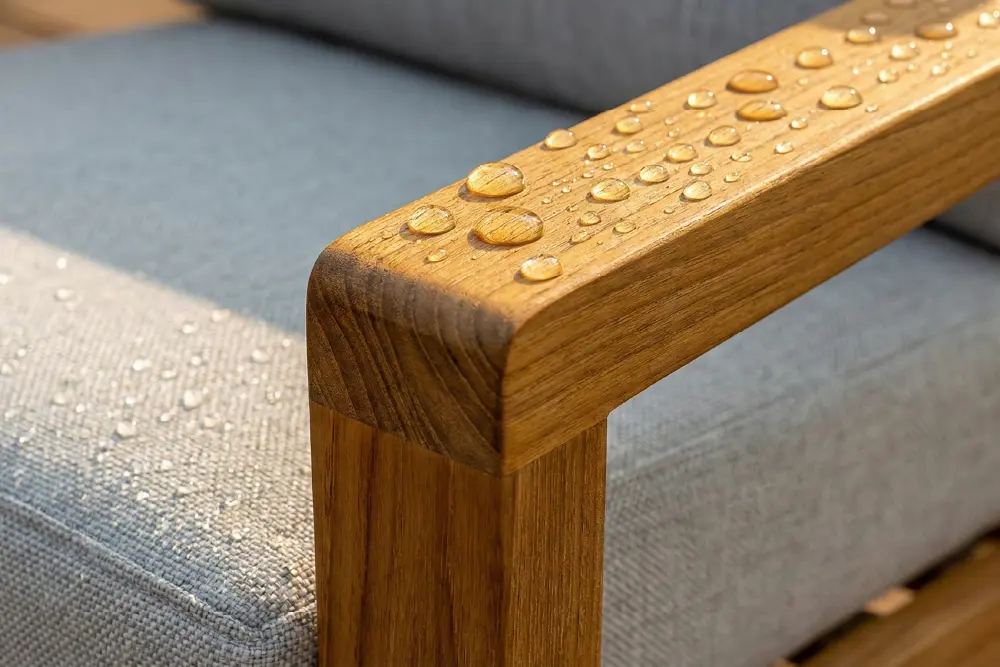
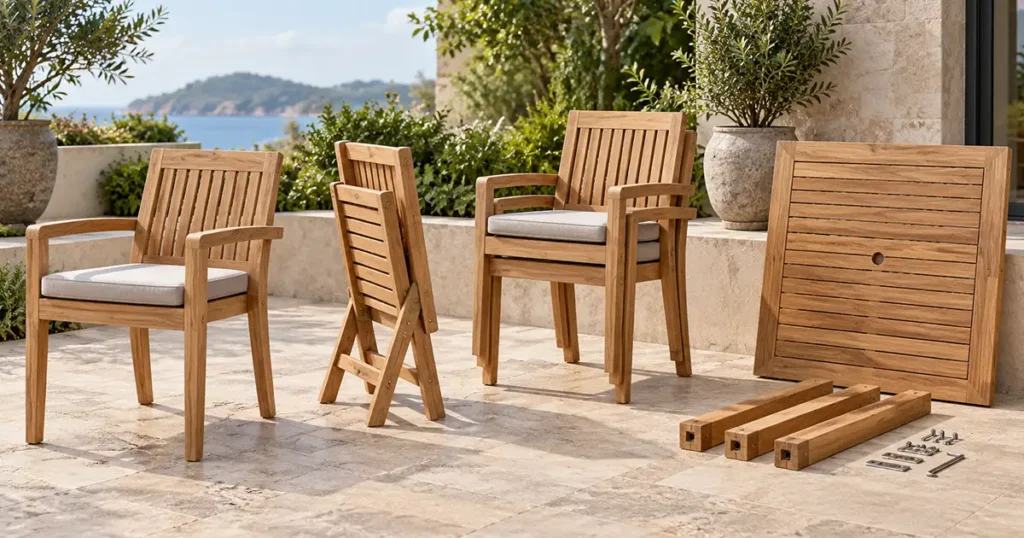
Indonesia has long been globally recognized for its exceptional solid wood furniture, especially those crafted from teak, mahogany, and other premium hardwoods. These materials are heavily favored by experienced manufacturers because their exceptional durability provides a stable foundation for long-lasting indoor collections, much like they do for timeless outdoor furniture.
Beyond their availability, these hardwoods possess distinct natural characteristics, such as teak's dense grain and natural oil content or mahogany's smooth pattern. These inherent traits give the furniture a warm, organic appearance that lightweight engineered alternatives simply cannot replicate.
These natural properties significantly enhance both the durability and aesthetics of the final product. Furniture crafted from these solid woods not only withstands years of use but also feels heavier and more premium, significantly elevating how customers perceive the collection's overall quality.
Craftsmanship vs Mass Production: A Key Differentiator
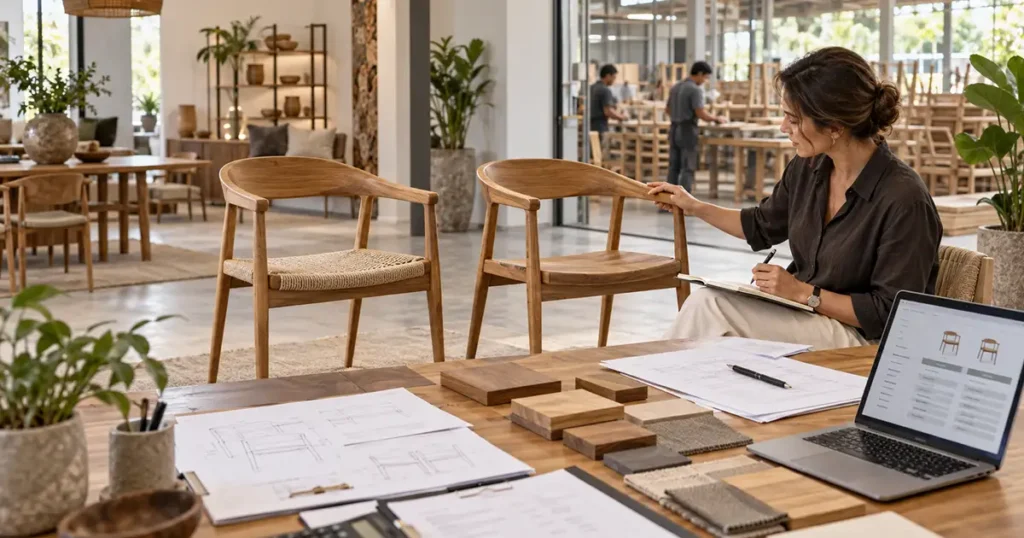
One of Indonesia's most distinguishing features is its semi-handmade manufacturing method, which combines sophisticated machinery with excellent manual artistry. Rather than depending solely on fully automated technologies, producers keep a human touch throughout the assembly and finishing operations.
This production method values rigorous attention to detail over sheer manufacturing speed. By devoting time to meticulous sanding, weaving, and finishing, companies may ensure superior quality and satisfy individual design requirements without disrupting the entire production line.
Compared to completely industrial manufacturing countries that focus purely on volume, Indonesia's model provides significantly more design flexibility. While mass production is effective for standardized products, Indonesia's combination of efficiency and expertise is ideal for retailers seeking unique, distinguished collections.
Flexibility in Custom Indoor Furniture Production
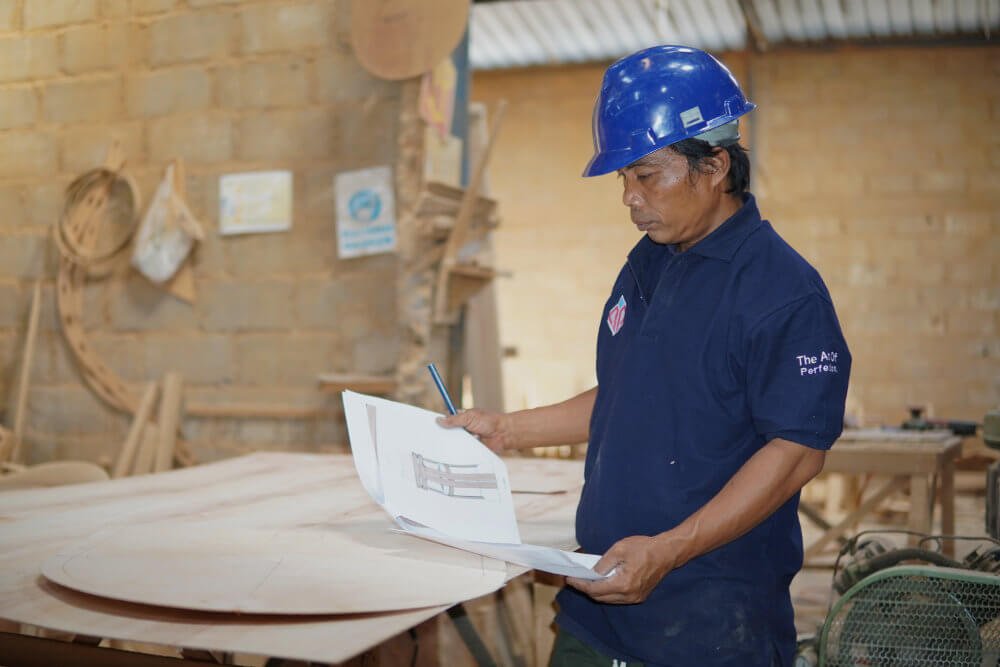
Customization is increasingly vital in today's retail landscape, and Indonesian furniture manufacturers are highly flexible in accommodating design adjustments. Buyers can effortlessly request dimension modifications, finish changes, and material combinations to create truly unique pieces.
This high level of flexibility makes Indonesian indoor furniture exceptionally suitable for OEM and private label collections. Instead of competing with identical catalog products, retailers can develop exclusive lines that perfectly reflect their brand identity and target demographic.
Furthermore, Indonesian factories are generally more open to small to medium batch production, unlike some sourcing countries that demand massive inventory commitments. This model is incredibly advantageous for boutique retailers, hospitality projects, and businesses wanting to test seasonal collections with lower risk.
For over 20 years, MPP Furniture has supplied repeat OEM collections to global brands across the US, Australia, and Europe, helping them unlock market opportunities with authentic, non-generic pieces. Brands seeking to capitalize on this exclusivity can confidently scale by partnering with a proven Indonesian custom furniture manufacturer.
How Indonesia Compares to Other Furniture Sourcing Countries
When evaluating sourcing options, it is common to weigh production scale against flexibility. While China and Vietnam excel at rapid, large-scale industrial manufacturing, Indonesia is preferred by buyers who value design adaptability and semi-custom manufacturing capabilities.
This distinction highlights the trade-off between strict standardization and customization in the global market. Retailers looking for highly standardized, high-volume products might look elsewhere, while those requiring bespoke features, natural materials, and brand-specific customization will find Indonesia to be the optimal choice.
When Indonesian Indoor Furniture Is the Right Choice for Retailers
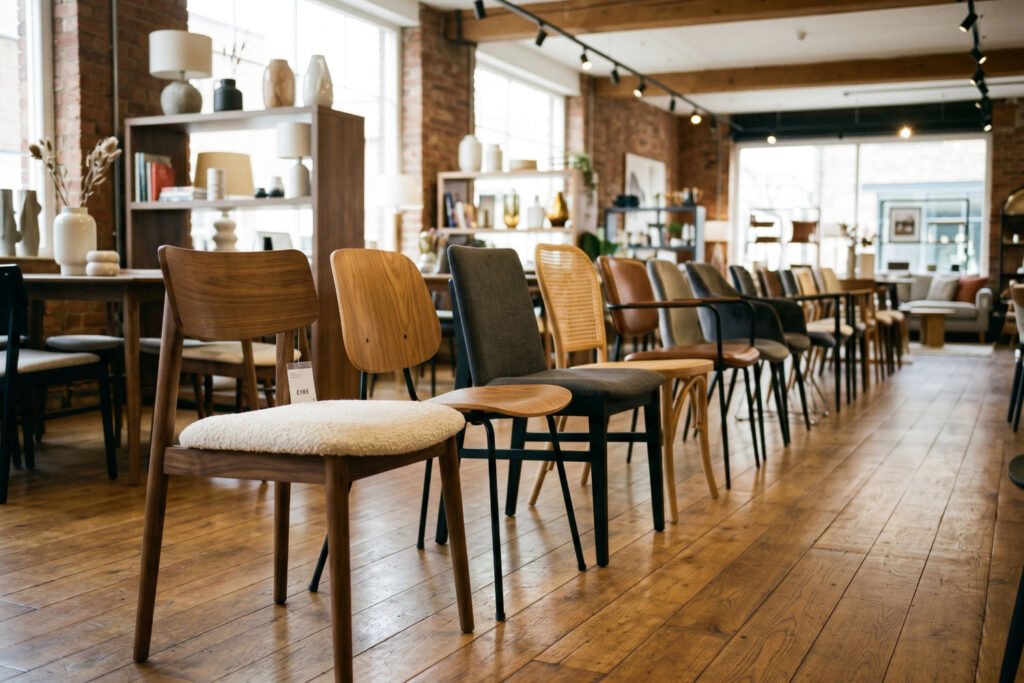
Sourcing from Indonesia is an excellent strategy for retailers looking to create unique collections that stand out in a crowded market. The combination of natural materials and handcrafted character allows businesses to offer exclusive pieces that mass-market competitors cannot easily replicate.
As a result, these products are an ideal fit for businesses targeting the mid-to-high-end market segments. Customers in this demographic actively seek and value the superior feel, durability, and artistry found in Indonesian solid wood furniture.
Ultimately, Indonesia is the optimal choice for importers who require customization flexibility to respond to changing consumer trends. Whether changing a single finish or developing an entirely new private label line, retailers are given the creative freedom they require to scale their brand strategically.
Final Thoughts: Understanding These Differences Helps Retailers Make Smarter Sourcing Decisions
The sourcing country shapes more than production cost. It influences flexibility, craftsmanship, product consistency, customization capability, and how customers perceive the final collection.
Indonesia stands out because it offers a balance between scalable production and handcrafted furniture manufacturing. This combination supports retailers that want differentiated products without losing export readiness and production reliability.
At the same time, every sourcing country has trade-offs. Some are stronger in industrial scale, while others are stronger in customization or material specialization. The best sourcing decision depends on your retail strategy, target market, and long-term business positioning, which requires a deep understanding of the key factors when evaluating Indonesian furniture manufacturers. Retailers who understand these differences usually make more sustainable sourcing decisions because they align supplier capability with brand direction.
Read also: What to Prepare Before Contacting a Custom Furniture Manufacturer in Indonesia
Exploring Indoor Furniture from Indonesia?
Talk to our team to discuss your sourcing goals, product specifications, and market requirements before developing your indoor furniture collection.
FAQs: Sourcing Indonesian Indoor Furniture
1. Why is Indonesian indoor furniture popular among retailers?
Indonesian indoor furniture is popular because it combines solid wood materials, handcrafted production, and customization flexibility. Many retailers also value the balance between product quality and export capability.
2. What wood is commonly used in Indonesian indoor furniture?
Teak and mahogany are among the most common materials. Other hardwoods such as suar and mindi are also widely used for indoor furniture collections.
3. Is Indonesian furniture handmade or mass produced?
Most Indonesian furniture production uses a semi-handmade approach. Factories usually combine machinery with manual craftsmanship for sanding, finishing, and detailed assembly work.
4. Can Indonesian manufacturers support custom indoor furniture?
Yes. Many Indonesian manufacturers support OEM production, private labeling, and custom furniture development for retailers and project buyers.
5. How does Indonesia compare to Vietnam or China for furniture sourcing?
China and Vietnam are often stronger in very large-scale industrial production. Indonesia is commonly preferred for buyers who prioritize flexibility, natural materials, and handcrafted product character.

I am a Web Designer, Technical SEO Specialist, and writer with 6+ years of experience in website optimization and search visibility. For more than a year, I have supported MPP Furniture’s growth, and I am currently expanding my role as an author to help B2B furniture buyers make more informed business decisions through informative, practical, and impactful articles.
0 Comments