Indoor furniture collections demand more than just good design. They require consistency, aesthetic neutrality, stable pricing, and the ability to perform across seasons.
For retailers and importers, material selection directly impacts margin control, SKU scalability, and repeat order reliability.
Not every hardwood supports that. Some materials are over-specified for indoor use, and others create price instability or finishing limitations.
Sungkai wood sits in a strategic position. It offers the visual character modern indoor markets prefer, while allowing controlled pricing and flexible collection development.
This article explains when sungkai wood furniture makes business sense for indoor programs, how it compares contextually with teak, and which indoor categories perform best with sungkai construction.
Why Indoor Furniture Requires the Right Material Strategy
Unlike outdoor pieces that are positioned as statement or seasonal products, indoor furniture must perform consistently throughout the year.
Indoor furniture may look simpler than outdoor collections, but commercially, it is often more demanding.
- Visual consistency across collections: The material must maintain a uniform tone and grain so products can be grouped into cohesive programs without visual mismatch.
- Stable pricing for retail positioning: The raw material cost must support predictable retail pricing without constant margin adjustments.
- Reliable repeat production: The wood must allow consistent machining and finishing so the same SKU can be reproduced over time.
- Flexible design adaptation: The material should adapt easily to different finishes and styles without losing its natural character.
One of our U.S. buyers has been repeating the same sungkai wood dining chair with woven leather for nearly six years. The reason is simple: we can produce it consistently so that they can sell it consistently.
In short, selecting material for indoor programs is not about choosing the strongest wood. It is about choosing the right balance between aesthetics, cost control, production stability, and retail scalability.
If the material is too expensive, your retail price becomes hard to scale. If it is too inconsistent, repeat orders become risky. That is where sungkai wood comes into play.
What Makes Sungkai Wood Suitable for Indoor Applications
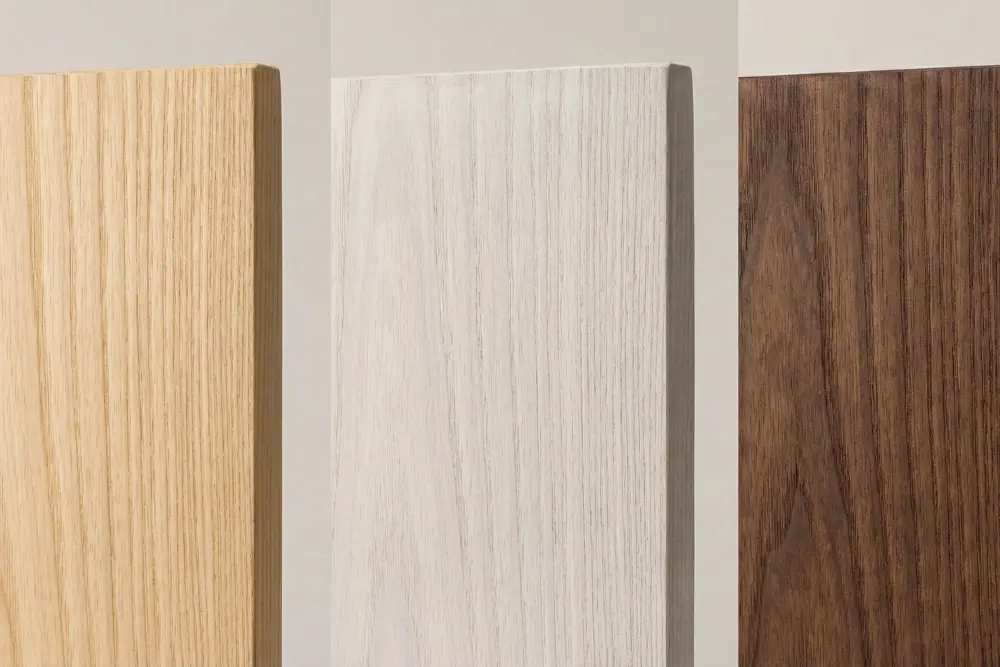
Sungkai is suitable for indoor furniture collections because it offers the right balance of visual character, technical reliability, and cost efficiency. For retailers and importers, these three factors directly affect how scalable a collection can be.
1. Visual Character for Modern & Minimalist Indoor Design
In real practice, sungkai wood has a light tone with relatively straight and subtle grain patterns. This makes it highly compatible with modern, minimalist, Scandinavian, and Japandi-inspired interiors.
Because the base color is naturally soft, Sungkai wood adapts well to different finishes. It can be stained darker, white-washed, or left natural, depending on your brand positioning.
For indoor collections that require visual cohesion across dining, living, and bedroom categories, this neutrality becomes a commercial advantage rather than just an aesthetic feature.
2. Physical Wood Properties That Fit Indoor Furniture
Sungkai is a medium-density hardwood that performs well in controlled indoor environments. It remains stable when properly kiln-dried, ideally with a moisture content under 12 percent, and maintained within standard indoor humidity levels.
From a production standpoint, sungkai machines efficiently and allow precise joinery. This supports structured indoor furniture such as dining tables, bed frames, cabinets, and chairs.
Indoor furniture does not require the extreme oil content or weather resistance of teak. What it requires is dimensional stability and finishing compatibility. When processed correctly, sungkai delivers exactly that.
3. Cost Efficiency for Scalable Indoor Collections
Material selection influences pricing strategy. Sungkai wood furniture sits in a price range that allows retailers to build competitive indoor programs without over-specifying the product.
It enables competitive retail pricing, broader market reach, and clearer price segmentation within a collection.
This means you can offer full dining sets, bundled living room programs, or coordinated bedroom ranges without pushing your retail price beyond your target segment.
When Sungkai Wood Is a Smarter Choice Than Teak for Indoor Furniture
Teak is a premium hardwood with exceptional durability and rich natural oil content. It is widely recognized for outdoor applications and high-end furniture.
Using teak for every indoor SKU can sometimes result in over-specification. The material performs beyond what the function demands, but at a higher cost structure.
For scalable indoor collections, especially in mid to upper-mid retail tiers, Sungkai wood provides the necessary structural performance without unnecessary material escalation. This allows retailers to allocate budget more strategically.
If your collection focuses on indoor use, modern aesthetics, controlled pricing, and faster stock turnover, then Sungkai wood furniture can be a more efficient option.
How Sungkai Furniture Supports Fast-Moving Indoor SKUs
Indoor collections are built around velocity. Retailers do not rely only on statement pieces; they depend on core SKUs that move consistently and support repeat orders.
Sungkai enables that structure.
First, it supports anchor products. Dining tables, dining chairs, coffee tables, and bed frames made from sungkai can be positioned as dependable core items within a collection. Because the material allows controlled pricing, these products can remain competitive without constant retail adjustment.
Second, Sungkai wood allows bundling strategies. A dining table can be paired with matching chairs, a sideboard, or complementary living room pieces using the same wood tone. This consistency increases average order value while keeping production manageable.
Third, Sungkai wood furniture supports coordinated programs. Retailers can develop dining, living, and bedroom collections under one visual direction without dramatic material cost differences between categories. This simplifies merchandising and inventory planning.
We see similar logic applied by one of our European buyers. Their entire indoor program is built around sungkai, not because it is the strongest hardwood, but because it supports a cohesive concept. Within one visual direction, they develop console tables, cabinets, low tables, and coffee tables. Different categories, one concept, repeatable production, consistent retail positioning.
From a stock management perspective, faster turnover often comes from balanced pricing and design accessibility. When the retail price remains within reach of a broader market segment, volume becomes more predictable.
For importers and chain buyers, this translates into lower inventory risk and more stable reorder cycles.
Sungkai does not aim to be the most premium hardwood in the room. It aims to be commercially reliable. That reliability is what allows indoor programs to scale.
Proven Indonesian Indoor Furniture Categories for Sungkai Wood
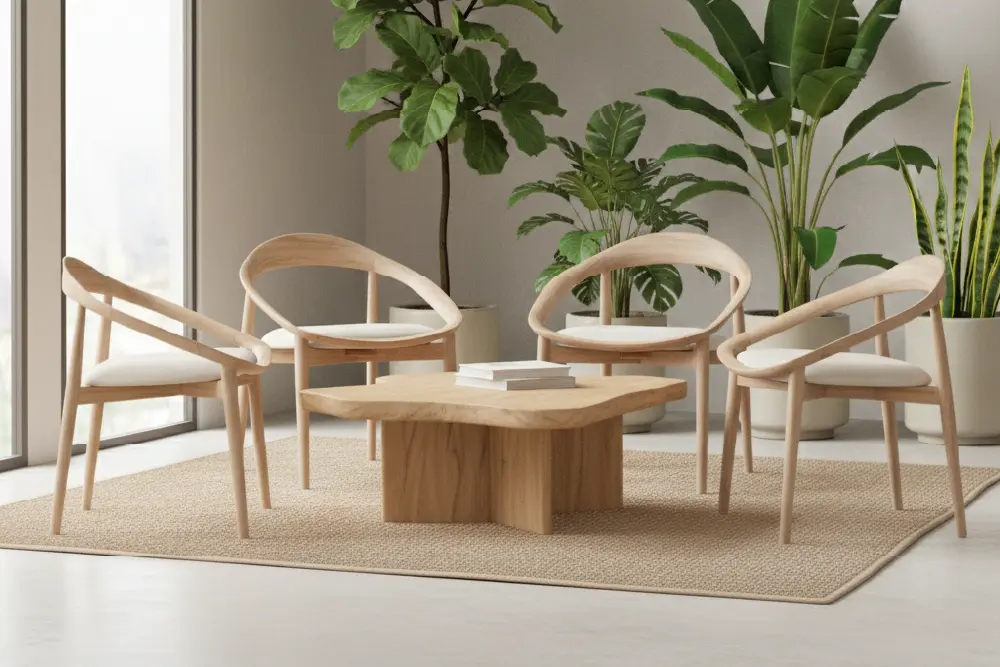
Sungkai performs best when applied to indoor furniture categories that require visual consistency, structural stability, and repeat production. Over the years, we have seen several Indonesian indoor furniture categories consistently perform well when developed in sungkai wood.
1. Dining Room Furniture
Indonesian dining furniture is one of the strongest categories for sungkai application. Dining tables and chairs require structural integrity, consistent dimensions, and finishing compatibility across multiple units.
Retailers can develop coordinated dining sets with matching chairs, benches, and sideboards under one visual concept.
For retailers looking to expand this category, you can explore our Indonesian dining furniture made from sungkai wood.
You may also find insights on how Sungkai dining furniture supports retail growth in our related article.
2. Living Room Furniture
Living room pieces such as coffee tables, side tables, TV cabinets, and console tables benefit from Sungkai’s light tone and finishing adaptability.
This category requires visual harmony across multiple small and mid-sized items. Sungkai allows different stain options while maintaining grain consistency, which makes it easier to build cohesive Indonesian living room furniture collections without drastic cost differences between SKUs.
If you want to explore this category, you can check our Indonesian living room furniture collections made from sungkai wood.
You can also gain insights into how Sungkai's living room products support better retail positioning.
3. Bedroom Furniture
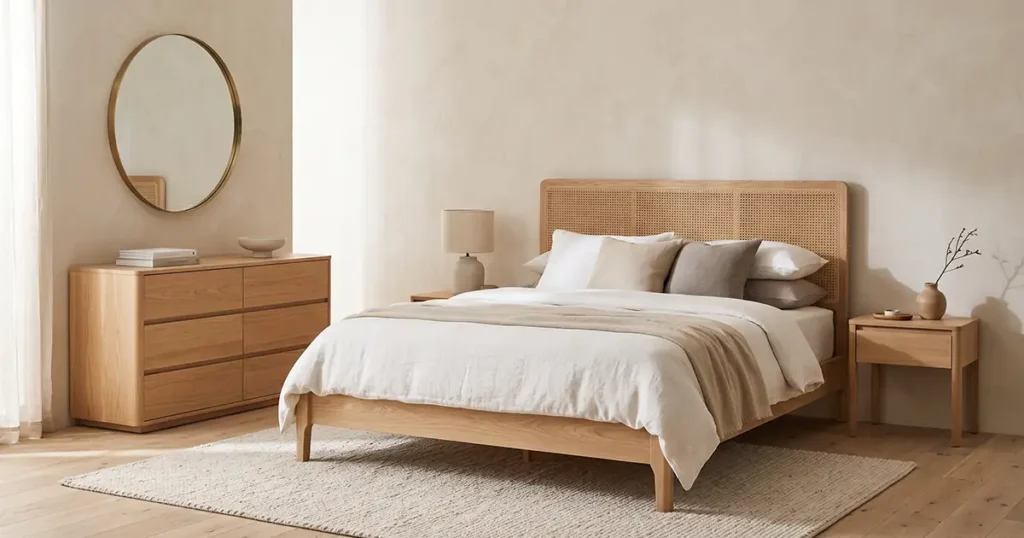
Bedroom furniture demands structural reliability and consistent production. Bed frames, bedside tables, and dressers made from sungkai allow cohesive bedroom collections without pushing into premium-only pricing tiers.
Sungkai wood supports this need when moisture levels are properly controlled during production. Its workability allows design flexibility, from minimalist frames to more detailed headboard constructions.
You can see our Indonesian bedroom furniture made from sungkai wood for further exploration.
How MPP Maintains Consistent Quality in Sungkai Production
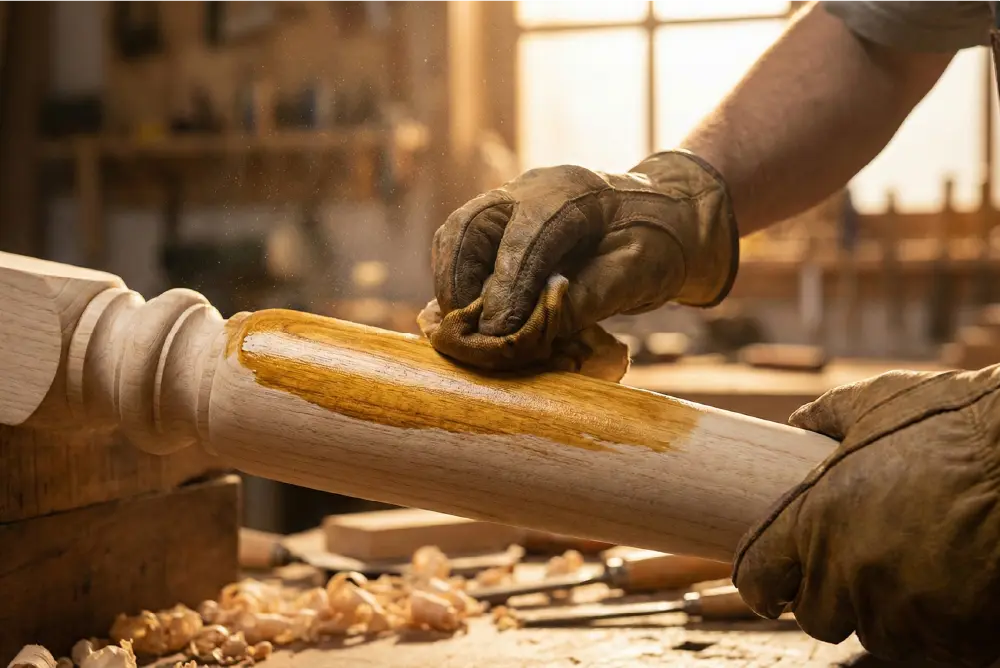
Choosing the right material is only one part of the equation. Consistent production is equally important. That is why choosing the right Indonesian furniture supplier matters.
At MPP Furniture, sungkai production is handled entirely in our 16,000 sqm factory. From raw material selection to finishing, every stage is monitored and inspected to maintain stability across batches.
In-House Production and Material Control
We control our sungkai sourcing and processing internally. Only properly kiln-dried wood, with a moisture content under 12 percent, proceeds to machining. This reduces the risk of movement, cracking, or dimensional change in indoor environments.
Because production is managed in-house, we maintain consistent grading standards, precise joinery, and finishing quality across repeat orders. This means the same SKU produced months later will match the original shipment in structure and tone.
Technical Understanding of Sungkai Wood Properties
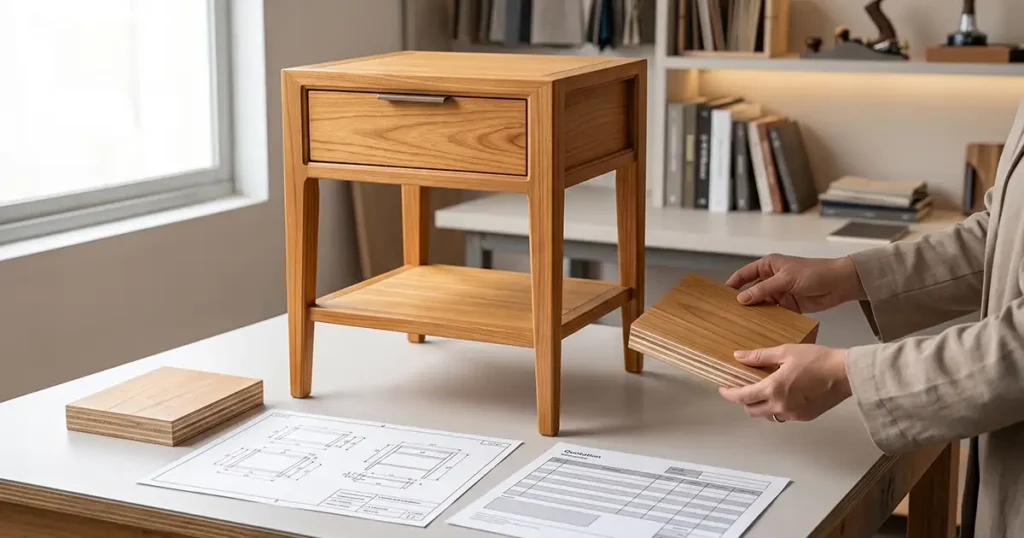
With over 10 years of experience in producing sungkai wood furniture, we understand how this material behaves in real production conditions. Surface sanding, stain absorption, and coating systems are adjusted carefully to achieve consistent visual results across units and batches.
Sungkai is not treated as a generic hardwood in our factory. It is processed according to its characteristics.
Built for Repeat Order Consistency
We design our sungkai furniture production around efficient construction methods, quality control at every stage, and controlled material sourcing. This approach supports long-term collaboration with our buyers, not single-shipment market testing.
Conclusion: Is Sungkai Wood Furniture the Right Choice?
If your collection is designed for indoor use, modern aesthetics, controlled pricing, and scalable SKU development, Sungkai offers the structural performance and visual flexibility needed to support that program.
For retailers and importers building long-term indoor collections, the decision is rarely about choosing the strongest wood available. It is about choosing a material that aligns with design direction, retail positioning, and repeat production stability.
Equally important is selecting the right Indonesian furniture supplier to produce your sungkai wood furniture. Material strategy and production consistency must work together to support scalable indoor programs.
Are you developing an indoor furniture collection and evaluating material direction?
Our team is available to discuss suitable construction methods, category development, and production planning based on your target market.
Frequently Asked Questions About Sungkai Wood for Indoor Furniture
1. Is sungkai wood strong enough for indoor furniture?
Yes. Sungkai is a medium-density hardwood that provides reliable structural stability for indoor furniture when properly kiln-dried and processed.
2. Is sungkai wood cheaper than teak?
Yes, generally. The difference reflects application purpose; teak is optimized for outdoor durability, while sungkai is designed for scalable indoor programs.
3. Does sungkai wood crack or warp easily?
Not when properly kiln-dried below 12 percent moisture content and produced under controlled conditions.
4. What indoor furniture categories work best with Sungkai wood?
Dining, living room, and bedroom collections benefit most due to Sungkai’s visual consistency and repeat production capability.
5. Is Sungkai suitable for long-term retail programs?
Yes. When produced consistently, sungkai supports repeat orders and scalable indoor SKU development.

Hi, I’m Salman, founder of MPP Furniture, an Indonesian furniture manufacturer serving global retailers and project-based clients.
I began my career in my family’s export-oriented furniture company, gaining hands-on experience in production, construction, finishing, material performance, and product development. With a clear understanding of how international buyers evaluate furniture quality and reliability, I founded MPP Furniture to deliver export-ready products with consistent standards.
Here, I share insights from the perspective of a furniture manufacturer working directly with production teams on the factory floor, focusing on manufacturing and supplier evaluation.
Connect on LinkedIn
0 Comments