Many furniture problems begin from poor wood preparation and unstable moisture content during the early production stage, not from finishing or packaging.
For furniture retailers and importers, moisture content matters because wood naturally reacts to surrounding humidity. If the drying process is not properly monitored, problems such as warping, loose joints, cracks, and unstable finishing may only appear after the products reach their destination market.
This is why experienced Indonesian furniture manufacturers prioritize kiln-dried wood as part of their early production preparation. Proper moisture control helps furniture remain stable during international shipment and long-term use.
This article explains what kiln-dried wood is, why it matters for export furniture, and how buyers can evaluate manufacturers through their wood preparation system.
What Is Kiln-Dried Wood?
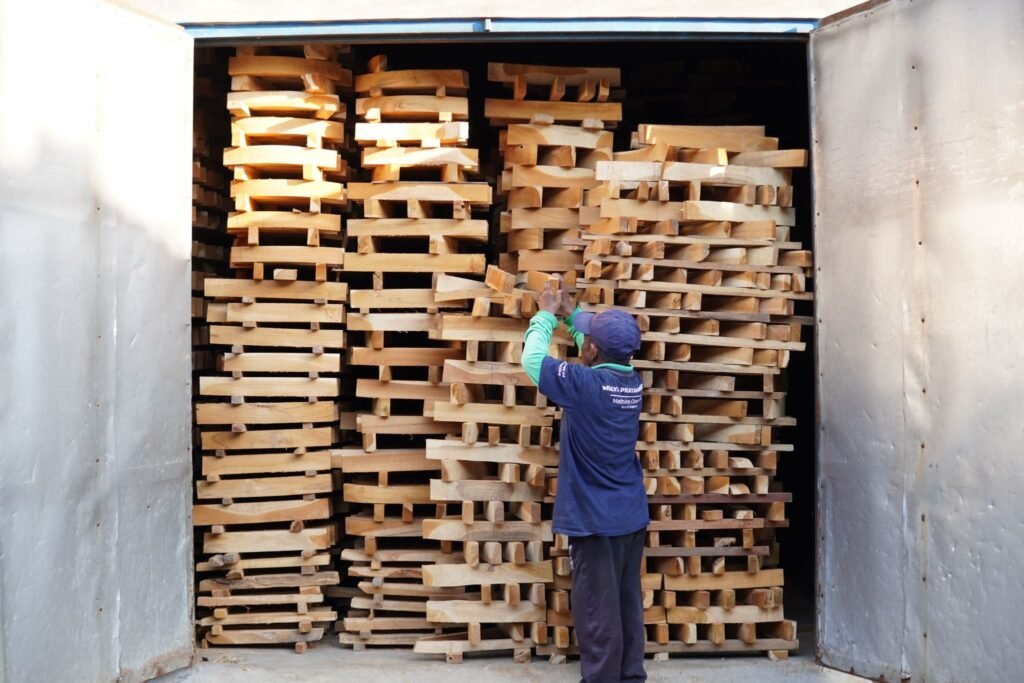
Kiln drying is a controlled process used to reduce moisture content inside wood before furniture production begins. During this process, the wood is placed inside a drying chamber where temperature, airflow, and humidity are carefully monitored to achieve a more stable condition.
Kiln-dried wood refers to wood that has gone through this drying process before machining, assembly, and finishing stages. Most furniture manufacturers target moisture content between 8% and 12%, depending on the wood species and destination market.
Wood naturally absorbs and releases moisture from the surrounding environment. According to the USDA Forest Products Laboratory, wood is hygroscopic, meaning it continuously exchanges moisture with the surrounding air until it reaches equilibrium moisture content.
When moisture changes too quickly or unevenly, the wood may expand, shrink, warp, or crack over time.
This is why professional furniture manufacturers pay close attention to moisture stability before starting production. Stable wood moisture helps reduce movement problems during shipment and long-term use.
Common Furniture Problems Caused by Poor Wood Drying
Warping and Twisting
Warping can happen when one side of the wood loses moisture faster than the other side.
According to Wood Magazine, wood warping is influenced by several factors, including grain orientation, how the board is cut from the log, and natural defects inside the tree. These conditions affect how wood responds to moisture changes during drying, shipment, and long-term use.
This condition may become worse during shipment because furniture is exposed to movement, temperature changes, and different humidity levels throughout the delivery process.
As a result, furniture components may bend, twist, or lose their original shape after arrival.
Cracks and Splitting
Cracks can appear when wood shrinks too quickly after the production process. Over time, small cracks may become larger splits because the wood continues releasing internal moisture and experiencing internal stress.
This problem becomes more serious during international shipment because temperature and humidity conditions continue changing throughout the delivery process.
Loose Joints
When wood shrinks after the assembly process, furniture joints can become loose. Over time, products such as chairs and tables may become unstable and lose their structural strength.
This is why furniture suppliers pay close attention to moisture content before assembly begins. Stable wood moisture helps maintain stronger and more consistent joinery.
Peeling or Unstable Finishing
Wood that still contains excessive moisture may prevent the finishing layer from bonding properly to the wood surface. As a result, the finish may bubble, peel, or become uneven after the furniture reaches the destination market.
In many cases, the finishing problem itself is only a symptom. The real issue started earlier from unstable wood moisture.
Why Indonesian Furniture Exporters Prioritize Kiln-Dried Wood
One of the challenges for furniture exporters is destination markets that have very different climate conditions, such as Europe, the United States, Australia, and Korea. Meanwhile, Indonesia has a tropical climate with naturally higher humidity levels.
Because of this difference, furniture exported from Indonesia must adapt to changing moisture conditions throughout the entire shipping process, from container loading and sea freight transportation to warehouse storage, retail environments, and final customer use.
Professional Indonesian furniture exporters understand that unstable moisture content can create problems long after the furniture leaves the factory. Moisture control directly affects product stability, buyer satisfaction, complaint rates, and long-term durability.
This is why experienced buyers often prefer suppliers that understand export preparation properly. For export-oriented manufacturers, moisture control is not simply part of wood drying, but part of maintaining production consistency and reducing long-term product risk.
Learn more Are Indonesian furniture manufacturers the right sourcing partner for your business?
Kiln-Dried Wood Is One of the First Signs of Furniture Quality
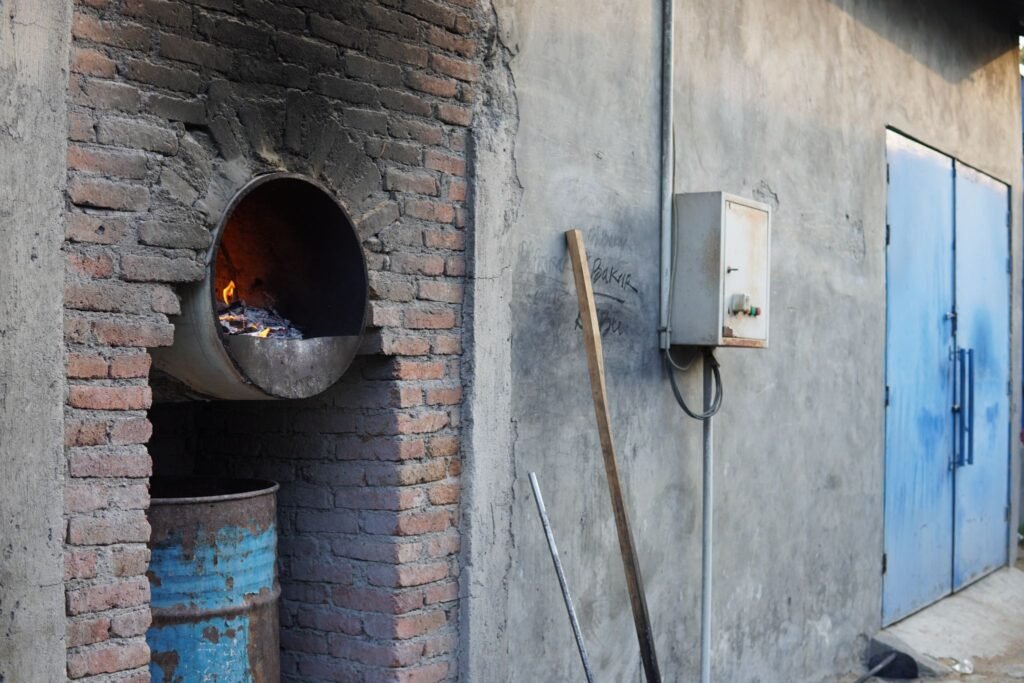
Many buyers focus heavily on furniture design, finishing appearance, or pricing during the sourcing process. In reality, furniture quality often begins much earlier, especially from how the wood is prepared before production starts.
Wood preparation reflects how seriously a manufacturer manages production quality and consistency. Professional furniture suppliers usually pay close attention to moisture stability during machining, structural assembly, finishing application, and long-term product durability.
Poor wood preparation may not create visible problems immediately, but defects often appear after shipment when the furniture experiences different environmental conditions.
This is why experienced buyers often prefer manufacturers with stronger production systems, such as those discussed in our article about direct factory furniture and end-to-end in-house production control.
How Professional Furniture Manufacturers Control Wood Moisture

Kiln drying itself is only one part of the process. Professional manufacturers usually apply multiple moisture control steps throughout production.
Moisture Meter Inspection
Manufacturers use moisture meters to measure wood moisture before production begins.
Readings are commonly taken from multiple points because moisture can vary across different areas of the material. Consistent moisture readings help reduce uneven wood movement later.
Acclimatization Process
After kiln drying, wood often needs time to stabilize before machining. This process is called acclimatization.
If wood moves directly from kiln drying into cutting or assembly too quickly, internal stress may still remain inside the material. Allowing the wood to rest helps stabilize its condition before production continues.
Storage Control
Proper storage control after kiln drying is important because wood can still reabsorb moisture before production begins.
Professional manufacturers usually manage airflow circulation, material stacking, warehouse humidity, and separation between dried and undried materials to help maintain stable moisture conditions throughout the production process.
Moisture Consistency Before Assembly
Wood components with different moisture levels may react differently later. One component may shrink faster than another, creating joint instability and shape changes.
Learn more about how professional buyers evaluate suppliers before starting production in our guide on How to Identify the Right Indonesian Furniture Manufacturers Before Sending a Deposit.
Kiln-Dried Wood Does Not Automatically Guarantee Perfect Furniture
Kiln drying greatly reduces production risk, but it does not automatically guarantee perfect furniture. Final furniture quality still depends on the entire manufacturing system.
Even properly dried wood can fail if joinery is weak, machining is inaccurate, assembly lacks precision, finishing application is inconsistent, quality control is poorly managed
For example, badly designed construction can still create structural movement even when moisture content is stable.
This is why professional manufacturers combine kiln drying with proper joinery systems, controlled machining, structured assembly, consistent finishing, quality checkpoints at every stage
In short, kiln drying supports furniture stability, but the full production system determines the final result.
Explore our Indonesian Furniture Collections to see how stable wood preparation, structured production systems, and consistent quality control are applied across various export furniture categories for international markets.
Conclusion
Kiln-dried wood plays an important role in export furniture manufacturing because wood stability directly affects long-term product performance. Many common furniture problems such as warping, cracks, loose joints, and unstable finishing often begin from poor moisture preparation before production starts.
Professional Indonesian furniture exporters prioritize kiln drying because international shipment exposes furniture to major humidity and temperature changes. Without proper moisture control, the risk of product defects becomes much higher.
At the same time, kiln drying alone is not enough. Reliable furniture quality still depends on the entire production system, including joinery, machining, assembly, finishing, and quality control.
Looking for a Manufacturer That Understands Export Furniture Stability?
If you are evaluating suppliers for long-term furniture sourcing, discussing wood preparation and moisture control early can help reduce future quality risks.
FAQs
1. What moisture content is ideal for export furniture?
Most export furniture manufacturers target moisture content between 8% and 12%, depending on the wood species and destination climate.
2. Can kiln-dried wood still crack?
Yes. Kiln drying reduces risk significantly, but cracks can still happen if construction, joinery, storage, or environmental conditions are poor.
3. Why does furniture warp after shipment?
Warping usually happens because wood continues adjusting to new humidity conditions after delivery. Improper moisture preparation increases this risk.
4. How do manufacturers measure wood moisture?
Manufacturers use moisture meters to measure moisture content at multiple points before machining and assembly.
5. Is kiln drying necessary for indoor furniture?
Yes. Indoor furniture can still experience wood movement because interior humidity changes throughout the year. Stable moisture content helps reduce long-term defects.



0 Comments