Outdoor furniture finishing is not just the final color on a garden chair or table. For retailers, it affects product life, customer complaints, returns, and brand trust.
This is more important when sourcing garden furniture for subtropical markets. Strong sun, seasonal rain, dew, coastal air, storage conditions, and shipment humidity can all test the finish before the product reaches the end customer.
Why Subtropical Climate Makes Garden Furniture Finishing More Risky
Subtropical climate is not only about heat. In many markets, garden furniture faces a mix of UV exposure, warm air, rain, dew, and sudden changes between wet and dry conditions.
NOAA’s Köppen-Geiger climate reference separates climate groups by precipitation and temperature patterns. It also identifies humid subtropical conditions, including hot summers and variable rainfall patterns. For outdoor furniture retailers, this means product risk changes by market, not only by furniture design.
A garden chair sold in coastal Australia may face different stress than a patio table sold in the Southern US or a shaded outdoor setting in the Middle East. The finish may fade, soften, stain, peel, or show marks faster when the product is not prepared for the real use environment.
This is why buyers should not approve garden furniture finishing by looking at color samples alone. A beautiful sample can still fail if the wood preparation, coating system, curing time, packing, and shipment handling are weak.
Why Outdoor Furniture Finishing Is a Business Risk, Not Just a Color Choice
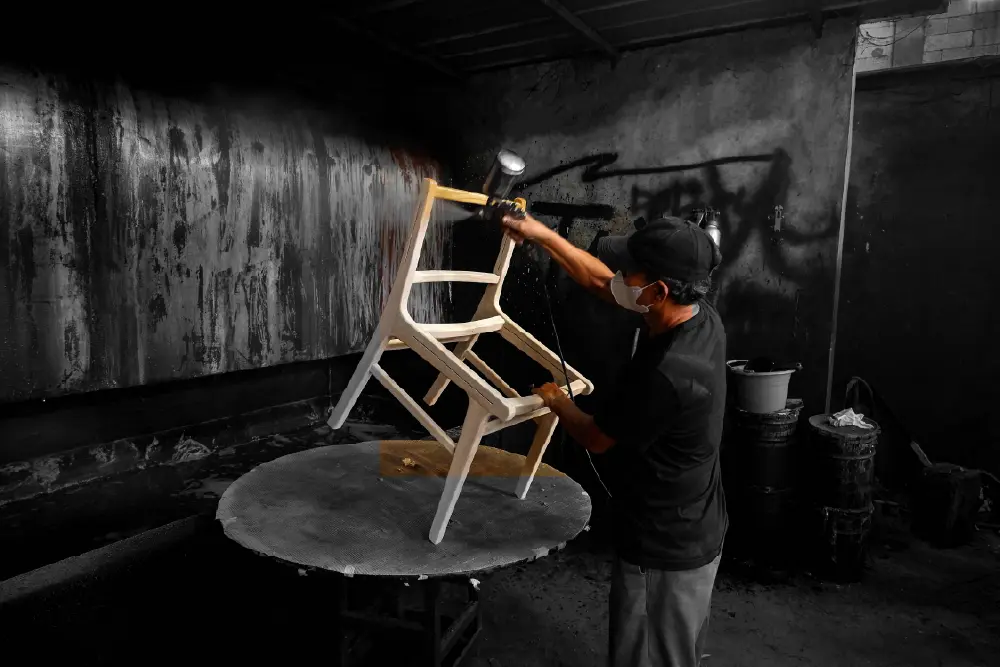
For retailers, finishing failure is not only a product defect. It can become a business problem.
In a real furniture company case, products arrived at the customer with coating damage and cracks in the wood. The issue did not only affect the product surface. It reduced customer trust, created replacement costs, triggered bad reviews, and lowered the chance of repeat orders.
MPP’s previous outdoor finishing guide explains that peeling and cracking are common export furniture issues, and the impact can include claims, unhappy customers, and replacement costs. It also explains that sun, rain, humidity, temperature changes, wood preparation, finishing system, and curing all affect final performance.
So the better question is not, “Which color looks best?” The better question is, “Can this outdoor wood furniture finish support my market, my customer promise, and my after-sales cost target?”

Wood Preparation Comes Before Any Outdoor Wood Finish
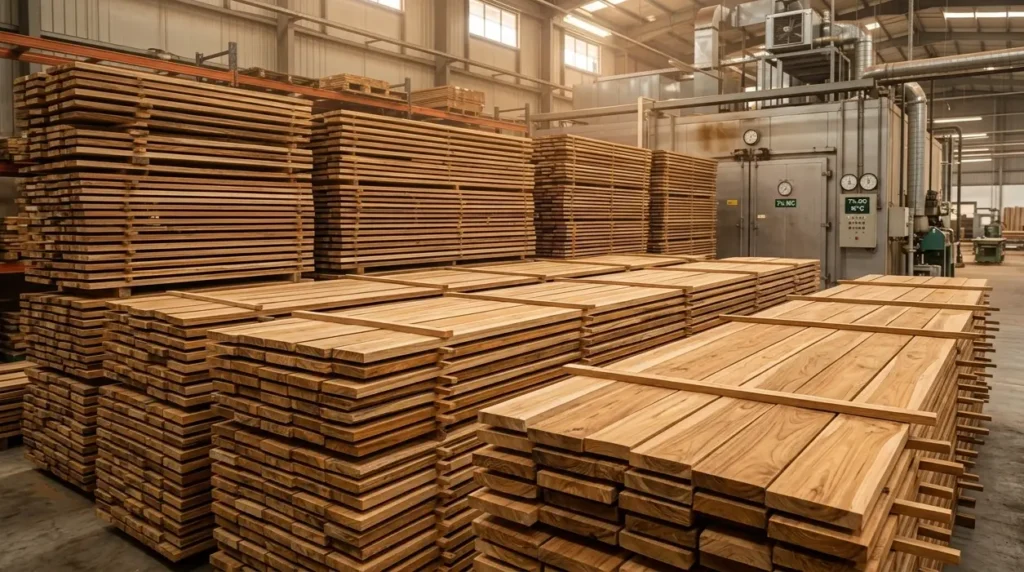
A good outdoor wood finish cannot cover poor wood preparation.
Wood continues to react to humidity even after it becomes furniture. MPP’s wood preparation article explains that defects may appear after furniture reaches the warehouse or end customer because the problem was already built into the material before production. It also explains that cracks, peeling finishes, and uneven color can happen when wood movement goes beyond what the construction and finishing can tolerate.
Kiln drying helps control this risk. In export furniture, many manufacturers target moisture content between 8% and 12%, depending on the wood species and destination market. Kiln drying reduces moisture before machining, assembly, and finishing, but it does not replace good production control.
For retailers, this means garden furniture finishing should be checked from the start of production, not only at final inspection. Ask the supplier how they control moisture content, how they store dried wood, and how they prepare the surface before coating.
Surface preparation matters because sanding, cleaning, and wood stability affect adhesion. If the surface is dusty, uneven, too wet, or rushed into coating, even a good coating can fail later.
Common Garden Furniture Finishing Problems in Subtropical Markets
UV Fading and Discoloration
Strong sunlight can fade color and dry the surface. Outdoor-grade coatings often use UV-resistant properties to slow this process, but no finish lasts forever under full sun.
Retailers should ask how the finish is expected to age. A natural outdoor wood finish may change color over time. That is not always a defect, but customers need clear care guidance.
Peeling, Blistering, and Weak Adhesion
Peeling often happens when the finish does not bond well to the wood. This can come from excess moisture, poor sanding, incompatible layers, weak sealer bonding, or short curing time.
In real production cases, small process gaps can lead to coating failure later. Poor sanding, uneven layer thickness, weak bonding, and insufficient drying time can reduce adhesion before the furniture leaves the factory.
Before placing an order, retailers should ask about the coating type, outdoor-use formulation, protective layers, and UV-resistant properties. This helps buyers evaluate the full finishing system, not only the sample color.
Mold, Mildew, and Moisture Marks
Subtropical climate often means humid air, dew, and seasonal rain. If furniture is packed too soon, stored in damp conditions, or shipped with trapped moisture, surface marks and mold risk can increase.
This is especially important for garden furniture that uses wood, rattan, rope, cushions, or mixed materials. The finish must be part of a wider storage and packing plan.
Tannin Bleeding on Wood Surfaces
Some wood species can release tannins when moisture reaches the surface. This can create brown marks, stains, or color change.
Retailers should discuss this with suppliers before confirming the finish. The goal is not to remove all natural wood behavior, but to understand what is normal, what can be reduced, and what should be explained to customers.
Cracks, Warping, and Seasonal Wood Movement
Wood expands and shrinks with humidity changes. USDA guidance explains that wood moisture changes with surrounding air, and protective coatings can slow dimensional change, but they do not stop it completely.
That is why the wood finish for outdoor use needs flexibility, not only hardness. A finish that is too rigid on unstable wood may crack when the wood moves.
Why Good Finishing Can Still Fail After Shipment
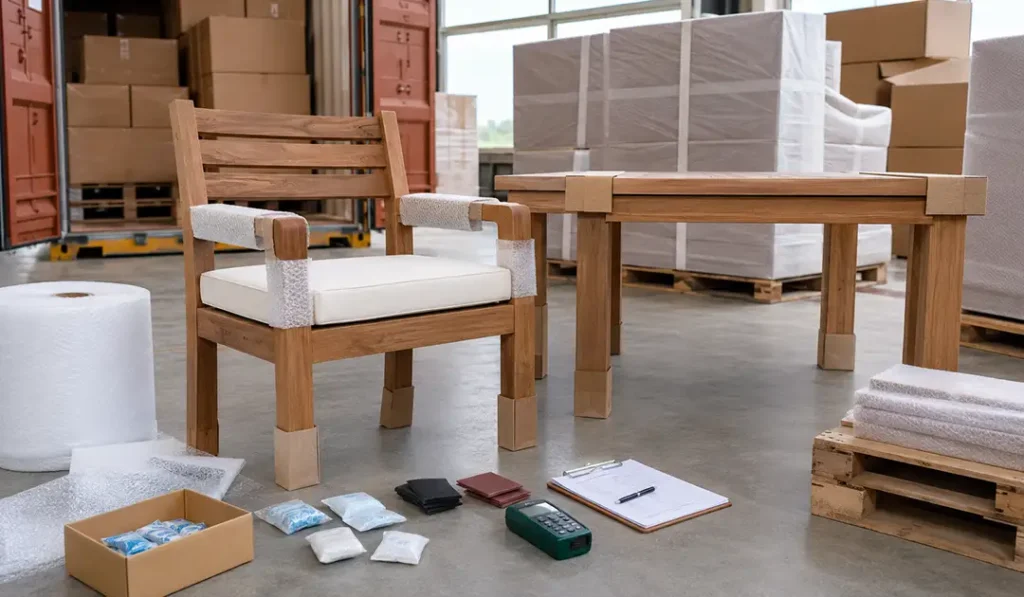
Shipment adds pressure to outdoor furniture finishing. Container humidity, heat, packaging pressure, wet pallets, poor ventilation, and short curing time can all leave marks, stains, mold, or surface damage.
In one factory case, a small gap was missed before fumigation and shipment. Moisture entered the container during transit, and the furniture arrived with severe mold damage. This shows how one small sealing or loading issue can turn into a major after-shipment loss.
The Container Handbook explains that temperature and humidity changes during long voyages can cause condensation on cargo or container surfaces. TT Club also notes that standard freight containers cannot fully prevent temperature swings and condensation risk.
For retailers, final QC should check more than color and surface smoothness. Ask about curing time, packing method, carton condition, pallet handling, and container loading before shipment.
What Retailers Should Check Before Sourcing Garden Furniture
Before placing an order, retailers should ask suppliers direct questions about the full finishing system.
Start with the coating. Is it made for outdoor use? Is it suitable for UV exposure, moisture contact, and temperature changes? Does it match the wood species and destination market?
Next, review the surface preparation. Ask about sanding stages, dust removal, sealer use, and how the supplier checks surface consistency before coating.
Curing time also matters. A finish that looks dry may not be ready for packing. MPP’s outdoor finishing article explains that controlled drying and curing affect final adhesion, and poor curing can weaken the finish before the product even reaches the shipping container.
Retailers should also check VOC and eco-compliance expectations, especially when selling into markets with stricter environmental requirements. The EPA explains that paints, varnishes, waxes, solvents, and wood preservatives can release VOCs, while EU Directive 2004/42/CE limits VOC content in certain paints and varnishes to reduce air pollution. This does not mean every outdoor finish is a problem, but buyers should ask suppliers what coating system is used and whether documentation is available for their target market.
Last, ask for maintenance notes. Outdoor wood furniture should not be sold as maintenance-free. It should be sold with clear expectations about cleaning, cover use, placement, and aging.
How the Right Manufacturer Helps Reduce After-Sales Risk

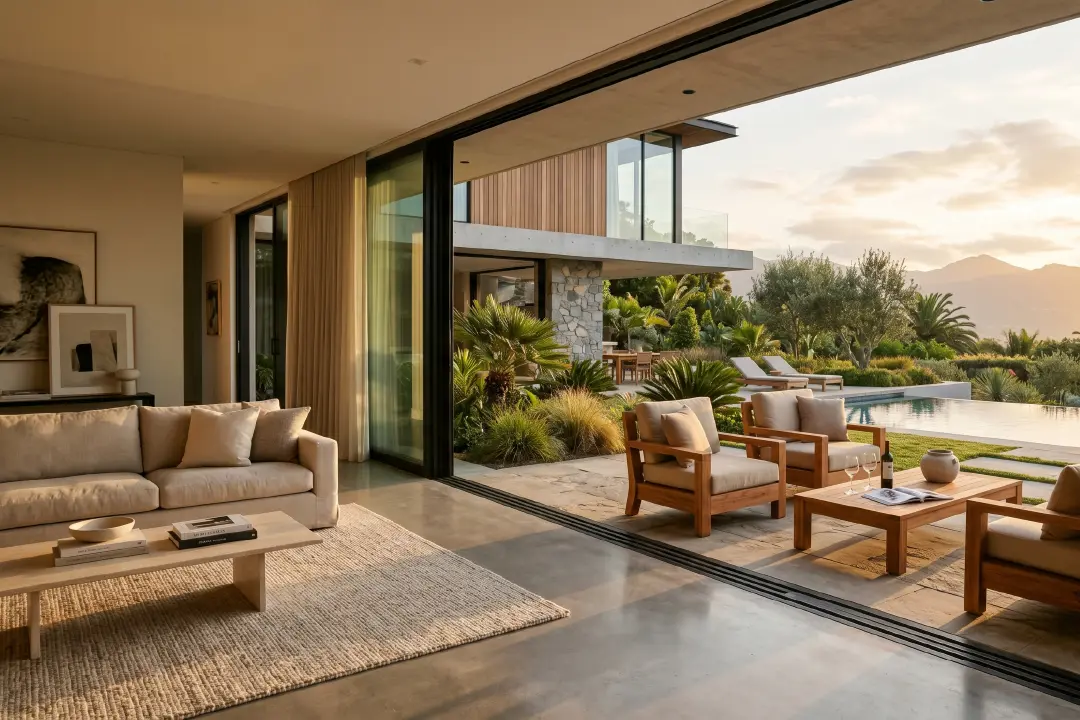
The right manufacturer does more than offer a finish color. They help buyers manage the full process behind outdoor furniture finishing, from material selection to export handling.
That process includes wood selection, kiln drying, machining, handcrafted assembly, sanding, coating, curing, QC, packing, and shipment preparation. It also includes product advice before production starts, because finishing decisions should match the furniture design, destination market, and expected outdoor use.
MPP Furniture supports B2B buyers through full in-house production, strict QC at every stage, free consultation, free product development, custom furniture services, private label, and OEM production. This matters because outdoor garden furniture needs both skilled craftsmanship and disciplined production control.
For retailers sourcing from an Indonesian furniture manufacturer, the goal is simple: choose outdoor furniture and garden furniture that fit the market, reduce after-sales risk, and keep customers confident.
Before placing an order, ask:
- What outdoor finishing system do you use?
- How do you control moisture content before finishing?
- How long does the finish cure before packing?
- How do you prevent packing marks during shipment?
- What care instructions should retailers give customers?
- Can the design improve drainage and finish performance?
Final Thoughts: Better Outdoor Finishing Protects More Than the Furniture
Outdoor furniture finishing protects more than the product surface. It protects the retailer’s margin, customer trust, and brand reputation.
For garden furniture in subtropical climate, the finish should be reviewed as part of a full production and export system. That includes material preparation, kiln drying, coating, curing, design, QC, packing, shipment, and maintenance.
Work with a manufacturer that understands outdoor furniture finishing, garden furniture finishing, and export-ready production for subtropical markets.
Source Garden Furniture Built for Outdoor Market Risk
Outdoor finishing decisions should protect more than the product surface. They should also protect your customer trust, after-sales cost, and retail margin. .
FAQs About Outdoor Furniture Finishing
1. What is outdoor furniture finishing?
Outdoor furniture finishing is the protective coating applied to wood furniture used outdoors. It helps reduce moisture impact, UV damage, surface wear, and color changes while improving the final appearance.
2. Why does garden furniture finishing fail in subtropical climate?
Garden furniture finishing can fail in subtropical climate because of strong sun, rain, humidity, dew, unstable wood moisture, poor surface preparation, short curing time, or shipment moisture.
3. What should retailers check before approving an outdoor wood finish?
Retailers should check the coating type, wood moisture content, sanding quality, sealer use, curing time, finishing QC, packing method, and maintenance guidance before approving an outdoor wood finish.
4. Can good outdoor furniture finishing still fail after shipment?
Yes. A good finish can still fail after shipment if the product is packed too soon, exposed to container humidity, pressed by packaging, loaded with wet pallets, or shipped with poor ventilation.
5. Is outdoor wood furniture maintenance-free?
No. Outdoor wood furniture still needs care. Sunlight, rain, humidity, and daily use can change the surface over time, so retailers should give customers clear cleaning, placement, cover, and maintenance guidance.

A versatile content creator with a strong foundation in product photography and videography, and a comprehensive brand strategy. Capable of creating engaging content to connect consumers and producers, web analytics, and engaging visual content to drive interest and growth for a product or brand.

0 Comments