Buying outdoor furniture directly from manufacturers can give you better cost control and more design flexibility. At first, it may look simple. But in practice, it becomes complicated when the process is not clear.
What should be a straightforward order can turn into problems such as inconsistent quality, demurrage costs, delayed product launches, and loss of customer trust.
This guide explains exactly how to order outdoor furniture from manufacturers in Indonesia, from preparing specifications to managing production and shipment.
Why Ordering Outdoor Furniture Without a Clear Process Leads to Costly Mistakes
Without a clear process, even one missed step can create problems later. When you order directly from outdoor furniture manufacturers, there is no middleman to manage or correct mistakes. This means you are fully responsible for the entire process.
In this situation, you are not just buying products. You are building products for your own brand. So everything, from specifications, production monitoring, quality inspection, to logistics handling, is under your control.
For example, many first-time importers overlook import requirements such as licensing. Without the proper import license, your shipment may arrive at the destination port but cannot be released. This often leads to additional costs such as storage fees or demurrage.
In practice, issues do not come only from the manufacturer. They occur because gaps in the process were missed or not properly managed.
If you are still evaluating whether buying direct is the right approach, you can start with this guide on buying outdoor furniture directly from manufacturers to understand the risks and considerations before placing an order
What You Must Prepare Before Contacting Outdoor Furniture Manufacturers
Before sending an inquiry, you need to be clear about three things.
1. Product Type and Specifications
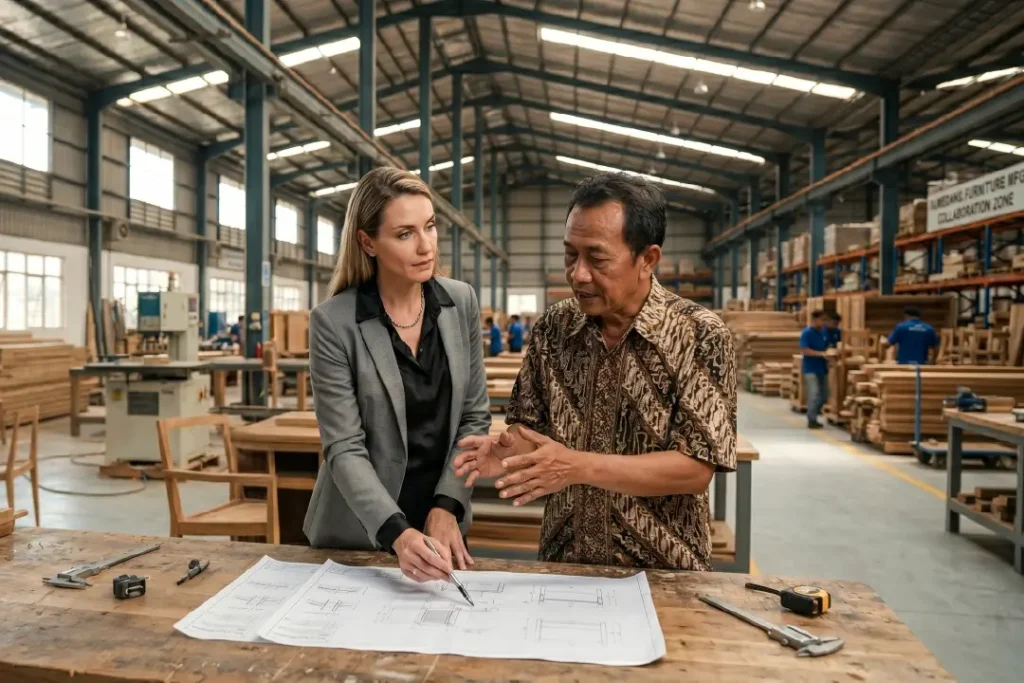
Before contacting any manufacturer, you need to define your product clearly. This includes materials, dimensions, construction details, finishing, and cushion specifications such as foam density and fabric. The more detailed your specifications are, the easier it is for the manufacturer to understand your requirements and provide an accurate quotation.
When details are only discussed but not clearly defined, it often leads to mismatched expectations during production. This is why having clear and documented specifications is the foundation of a smooth ordering process.
If you are still defining your product direction, you can refer to this outdoor furniture sourcing market guide to better understand how market positioning affects product decisions.
2. Import Readiness
Ordering from overseas manufacturers means you also need to understand the import process. This includes import licenses, required documents, duties, and regulations in your country. Without proper preparation, even a finished product cannot be delivered smoothly.
3. Budget and Timeline
You should define your target budget and expected timeline before starting discussions. This includes your acceptable price range, order quantity, and delivery expectations. These factors directly affect material selection, production planning, and overall feasibility.
A clear budget and timeline help both you and the manufacturer align from the beginning, so decisions can be made faster and production can move forward without unnecessary delays.
Step-by-Step: How to Order Outdoor Furniture from Manufacturers (From Inquiry to Shipment)
This is the actual workflow used in real export orders.
1. Define Your Product Requirements Clearly
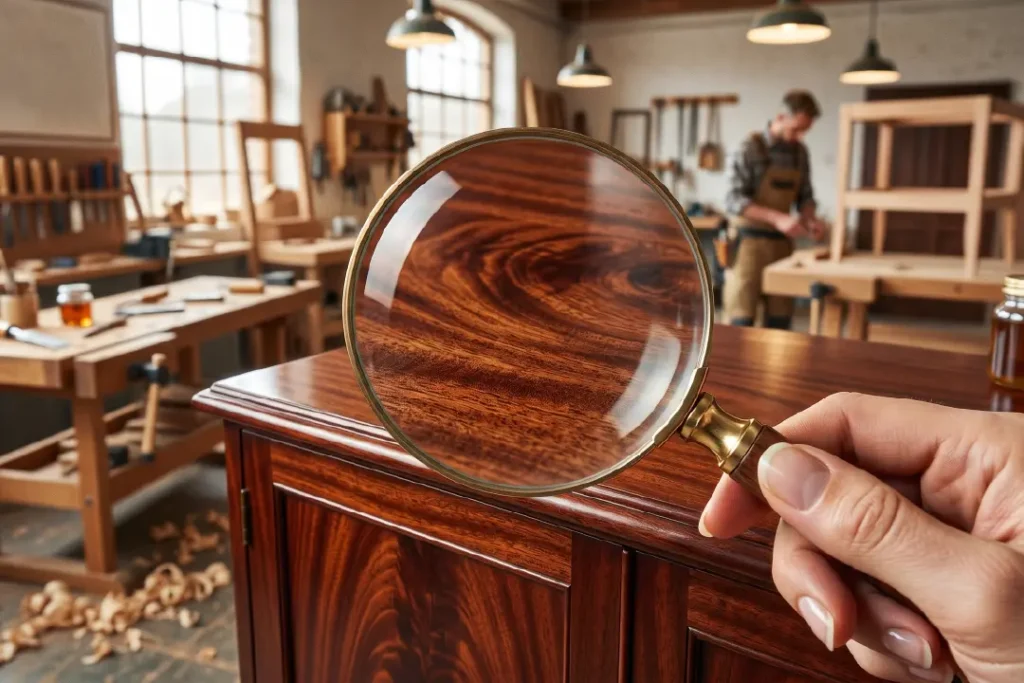
You need to define your product specifications as clearly as possible. For example, if you are sourcing an outdoor teak dining chair, you should already specify the wood grade, construction, weaving or cushion material, finishing system, and acceptable tolerances.
If you are developing a new product, technical drawings are helpful but not always required when working with an experienced manufacturer. In our factory, development can start from sketches as long as the specifications are clearly defined. Without clear specifications, manufacturers cannot translate your idea into the expected product outcome.
2. Shortlist the Right Outdoor Furniture Manufacturers
Not all outdoor furniture suppliers are actual manufacturers. If your goal is to buy direct, you need to verify that the supplier handles production in-house.
Focus on production capability, export experience, and product specialization. You can find manufacturers through exhibitions such as IFEX or through online research.
When searching online, many buyers start by looking for Indonesian outdoor furniture manufacturers and then shortlist suppliers based on their production capability and experience.
3. Send a Clear Inquiry and Request Quotation (RFQ)
This is a critical step after selecting the right manufacturer. Your inquiry should clearly include product specifications, quantity, timeline, and packaging requirements.
We have seen cases where a buyer provided complete product specifications but missed packaging details. This created confusion on both sides and delayed the quotation process. A complete RFQ helps manufacturers respond faster and reduces unnecessary back-and-forth communication.
4. Review Specifications, Materials, and Commercial Terms
Once you receive the quotation, review everything carefully. This includes material specifications, finishing system, pricing structure, and commercial terms such as payment and lead time.
Do not focus only on price. Differences in pricing often come from material quality, construction details, or finishing processes. A clear review helps you understand what you are actually getting before moving forward.
5. Request Samples or Product Development
After agreeing on specifications and a quotation, it is important to review the product before mass production. This is where you validate materials, finishing, and overall quality.
In some cases, multiple revisions are needed. For example, we worked with a buyer from the US who requested several sample iterations before confirming their order because they could not visit the factory directly. This step helps prevent issues that are harder to fix after production.
6. Confirm Final Approval Before Mass Production
Before production starts, all details must be finalized and documented. This includes drawings, materials, finishing, and packaging specifications.
Verbal agreements are not enough. Without clear documentation, it becomes difficult to align expectations during production and resolve any differences later.
7. Place the Purchase Order and Arrange Deposit
Once everything is approved, you can proceed with issuing the purchase order (PO) and arranging the deposit based on the agreed payment terms.
This step officially starts the production process. Any changes after this stage may affect cost and timeline, so everything must be confirmed beforehand.
8. Monitor Production Progress with Structured Updates
During production, you should monitor progress through regular updates. This helps you track timelines, review progress, and address any issues early.
Without structured communication, small problems can go unnoticed until the final stage. Manufacturers with a clear reporting system usually make this process easier and more transparent.
9. Conduct Quality Control Before Shipment
Before shipment, quality control should be carried out to ensure that the products match the approved specifications. This includes checking construction, finishing consistency, and packaging.
Some buyers also use third-party inspection services to verify quality. Skipping this step increases the risk of receiving products that do not meet expectations.
10. Confirm Shipment, Export Documents, and Final Payment
Before shipment is finalized, make sure all export documents are complete, including the invoice, packing list, and bill of lading. You should also confirm the shipment schedule and arrange the final payment.
This stage connects production with logistics. Any missing or incorrect document can delay delivery, even if production has been completed correctly.
How the Right Outdoor Furniture Manufacturer Simplifies the Entire Process
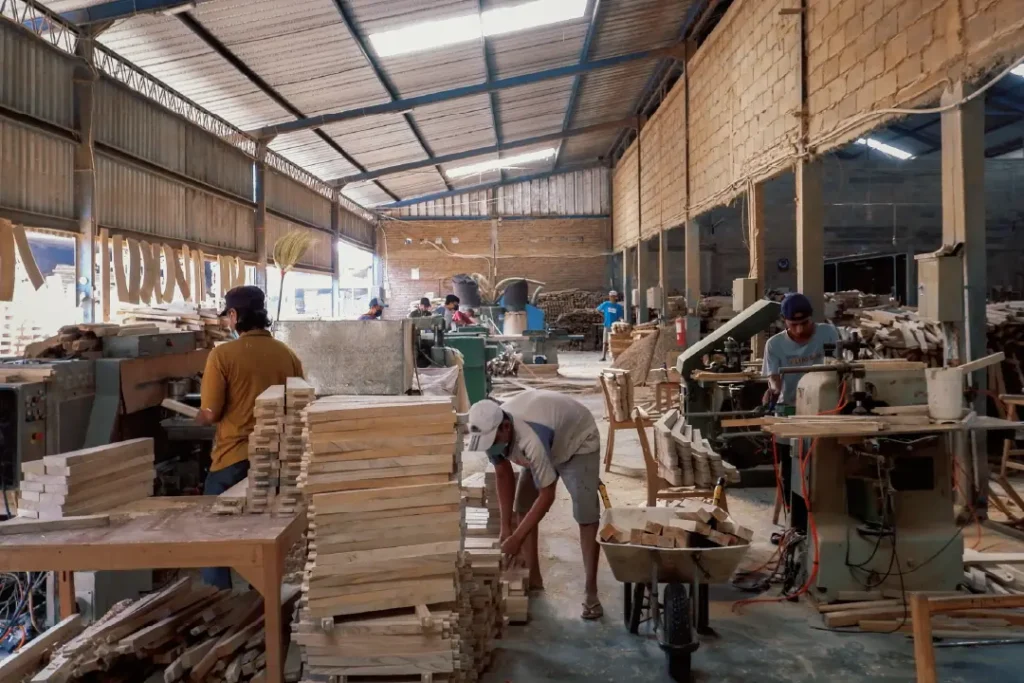
Working with the right outdoor furniture manufacturer not only improves product quality but also makes the entire ordering process more efficient.
An experienced manufacturer can translate your specifications into production, manage timelines, and guide you through export requirements. This reduces miscommunication and helps each step move more clearly from inquiry to shipment.
In practice, the difference comes from how the process is handled. Manufacturers with in-house production, structured quality control, and experience with international buyers can maintain consistency and provide better coordination.
At MPP, quality control is applied at every stage of production, from material preparation to final inspection, to ensure that each product meets the approved specifications.
Conclusion: Direct Ordering Works When the Process Is Clear
Ordering outdoor furniture directly from manufacturers gives you more control over cost, quality, and product development. But it only works when every step, from specification to shipment, is clearly defined.
Most problems do not come from the manufacturer alone, but from gaps in the process. When specifications, approvals, and timelines are managed properly, the entire workflow becomes more predictable.
With the right preparation and the right manufacturing partner, you can reduce risk and move forward with confidence. This allows you to focus on building a consistent product line and growing your business.
If you want to explore available products before starting your order, you can review different Indonesian outdoor furniture collections to better understand design options and specifications.
Ready to Order Indonesian Outdoor Furniture Direct from a Manufacturer?
If you already have your specifications or want to discuss your product idea, start with a structured conversation with us.
FAQs: Step-by-Step Buying Bulk Outdoor Furniture from an Indonesian Manufacturer
1. What is the first step before ordering from a manufacturer?
Define your product specifications clearly, including materials, dimensions, and finishing.
2. Do I need samples before mass production?
Yes. Samples help verify quality and prevent mismatch before large-scale production.
3. How long does outdoor furniture production take?
It depends on design complexity and quantity, but typically ranges from 45-75 days.
4. What documents are needed for furniture import?
Common documents include an invoice, a packing list, and a bill of lading. Requirements vary by country.
5. Can I order small quantities from manufacturers?
Most manufacturers have MOQ, but some offer flexible options depending on the project.

Hi, I’m Salman, founder of MPP Furniture, an Indonesian furniture manufacturer serving global retailers and project-based clients.
I began my career in my family’s export-oriented furniture company, gaining hands-on experience in production, construction, finishing, material performance, and product development. With a clear understanding of how international buyers evaluate furniture quality and reliability, I founded MPP Furniture to deliver export-ready products with consistent standards.
Here, I share insights from the perspective of a furniture manufacturer working directly with production teams on the factory floor, focusing on manufacturing and supplier evaluation.
Connect on LinkedIn
0 Comments