Rattan is known to be one of the most sought-after furniture materials with a charming, natural vibe. However, even though it offers a distinct visual appeal, some of rattan’s physical traits make buyers hesitate and question, “Is rattan furniture good quality?”
To answer the question, here’s a guide to understanding the value of rattan furniture from the perspective of an experienced Indonesian furniture supplier who’s been in the industry for over 20 years. Read on and decide for yourself whether selling rattan furniture is a must-grabbing opportunity or another
What Is Rattan Furniture?
Starting with the definition, here’s the basic rattan information you need to know.
Natural Rattan vs. Synthetic Rattan
There are two popular types of rattan: natural & synthetic. Natural rattan, which is known for its flexibility & strength, comes from the stem of vine-like palms that grow abundantly in tropical rainforests in Southeast Asia, including Indonesia.
Synthetic rattan is mainly made from resin or plastic with a similar look and texture to natural rattan. This type of rattan is specifically made to withstand outdoor conditions, which becomes one of the drawbacks of natural rattan.
Common Applications of Rattan Furniture
From being used only for small crafts & decorations, rattan is now used for various kinds of furniture, from high-end dining chairs, headboards, to lounge sets. The natural charm of rattan brings a tropical luxury feel to any space, especially when the design style is widely used nowadays.
What Defines Good Quality Rattan Furniture?
High-quality rattan furniture relies beyond the material selection. Here are other things to consider.
Material Selection and Rattan Grade
To know that the rattan pieces are good, the first thing to check is definitely the material quality. Natural and synthetic rattan indeed offer a different physical support & feel.
If you prefer the natural one, make sure to pick the Grade A rattan with a smooth surface, a consistent color, and no large cracks. If you prefer longevity, then synthetic rattan is the smarter choice.
Weaving Technique and Structural Support
When talking about furniture, how well the carpenters’ hands craft each piece also determines the final result, including rattan. A high-quality woven rattan features tight, uniform weaving with no loose, awkward gaps.
Not only the “crocheting” technique, but good quality rattan furniture also depends on the structure. Does it have solid “ribs” to support the woven part from sagging? You can check by giving some weight to test out its impact sensitivity.
Frame Construction and Finishing
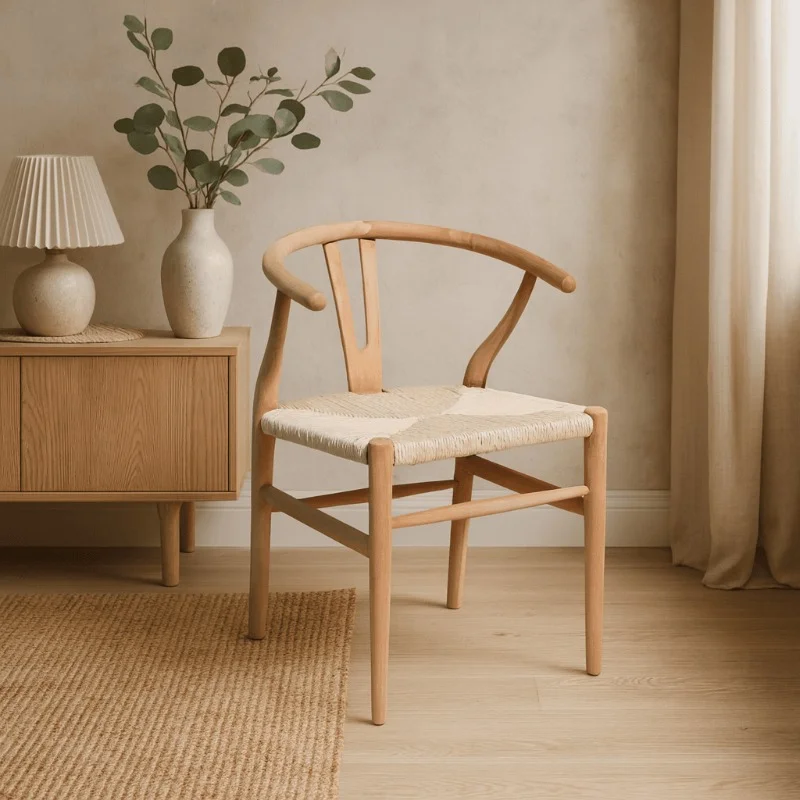
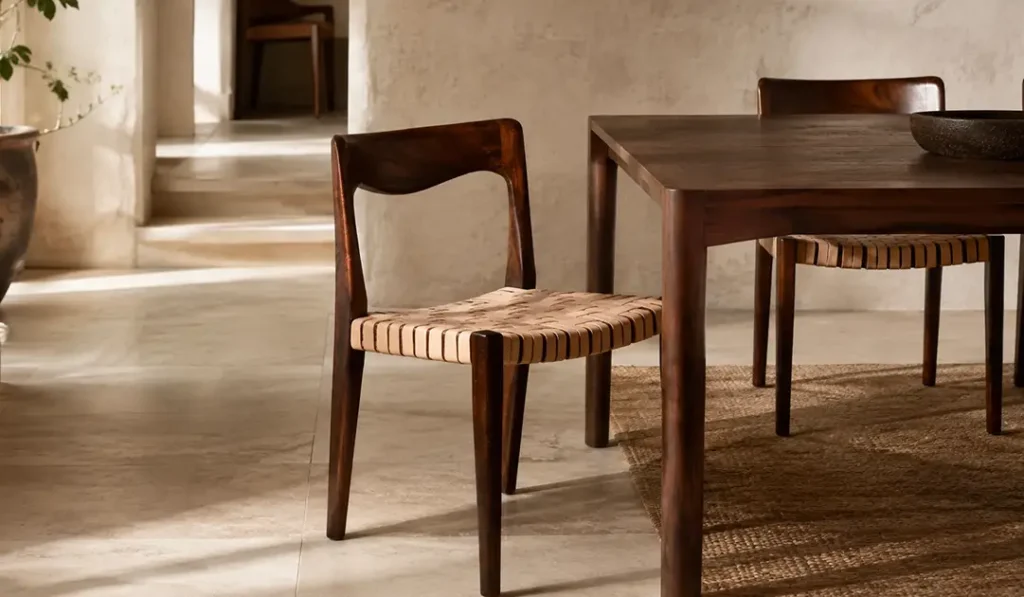
Strong frames & proper finishing are also needed for rattan to last long. To give a robust structure, many furniture manufacturers offer a mix of rattan and other woods with exceptional dimensional stability, like teak. Topped with the right stain, the rattan-teak furniture becomes an iconic pairing that no one ever knew needed, like one of our iconic collections, the Wishbone Chair, which showcases a strong yet delightful design.
Is Rattan Furniture Good Quality?
Getting into the main discussion, now let’s break down the pros & cons of rattan furniture based on these three elements.
Strength, Flexibility, and Durability
When it comes to strength & flexibility, rattan is one of nature's strongest materials that can be bent freely without breaking, perfect for wrapping any shape. However, rattan is actually vulnerable to extreme weather changes.
That’s why putting rattan furniture in unprotected outdoor spaces only makes it more prone to warp, fade, or even develop mold. The only way to prevent this is to put rattan furnishings in a shaded outdoor area with extra care & maintenance.
Comfort and Visual Appeal
If you prefer selling furniture lines that offer comfort & functionality, then choosing unpadded rattan is not the best choice. The rigid nature of rattan makes it too stiff to be seated on for a long time.
However, the unique charm makes rattan the perfect option to highlight the visual allure of a furniture piece, thus becoming one of rattan’s strongest advantages. This is why many manufacturers don’t make it a waste, but rather use rattan to add distinct texture to the main material.
How Quality Can Vary Between Manufacturers
Checking the quality of furniture also lies in how well the craftsmen handle the material, in this case, the raw material handling, weaving method, & signature carpentry treatment. When the manufacturer meets those criteria, it can be guaranteed that their products are worth buying.
Rattan Furniture for Indoor vs. Outdoor Use
Moving on to the best application, here’s the difference when rattan furnishings are placed both indoors and outdoors.
Suitability for Indoor Spaces
Natural rattan holds up well in an indoor setting with normal humidity, making it last longer without extra treatment. However, many users prefer rattan as a complementary element for semi-outdoor areas, since its visual is also more suitable with a natural vibe usually found in open spaces.
Outdoor Use: What to Consider
As the market preference demands more of outdoor rattan pieces, the best way for buyers to sell quality products is to educate them on the daily maintenance, considering rattan isn’t naturally resistant to weather changes.
For unprotected areas that are fully exposed to rain, we recommend choosing high-grade synthetic rattan with aluminum frames to ensure it lasts for years. If the furniture is planned to decorate shaded patios or terraces, natural rattan can be an option, but remember to apply more disciplined maintenance.
Natural Rattan vs. Outdoor-Grade Synthetic Options
When it comes to outdoor performance & longevity, synthetic rattan is obviously the winner. But synthetic rattan won’t give you the same warm feel that a natural rattan can offer. After all, it’s all about preferences. Natural rattan is made for those who prefer an exquisite material, while the synthetic ones are for visual hunters who need better durability.
Rattan Furniture Compared to Other Materials
Furniture items are made from various materials, and rattan is only one of them. Now, if we compare them, what’s a distinct selling point that a buyer can tell? Here’s the explanation.
Rattan vs. Solid Wood Furniture
Physically, rattan offers a lighter and easier-to-move advantage compared to hardwoods that are often heavier and take more effort to work with. Rattan can be easily woven by hand, while solid woods are primarily experiences longer process involving both machine and human touch.
Rattan vs. Metal and Plastic Furniture
In terms of lightweight advantages, rattan is often compared to non-wood materials like metal or plastics that sometimes complement parts of furniture made from solid wood. However, rattan is more breathable, and it carries a much higher perceived value in luxury design.
Factors That Affect the Quality of Rattan Furniture
Checking rattan’s quality is one thing; knowing what causes the outcome is better. Here are the factors affecting rattan’s final quality.
Material Processing and Treatment
First off, how rattan is treated determines the difficulty level of the woodworking process. When first arriving at the factory, it’s best to dry raw rattan immediately below 20% of its moisture content to prevent fungal growth.
Then, before being processed into furniture, rattan should be kiln-dry at a range of 5-19% of its moisture content to prevent early cracks & warp in the craft-making stage.
Frame Stability and Joinery
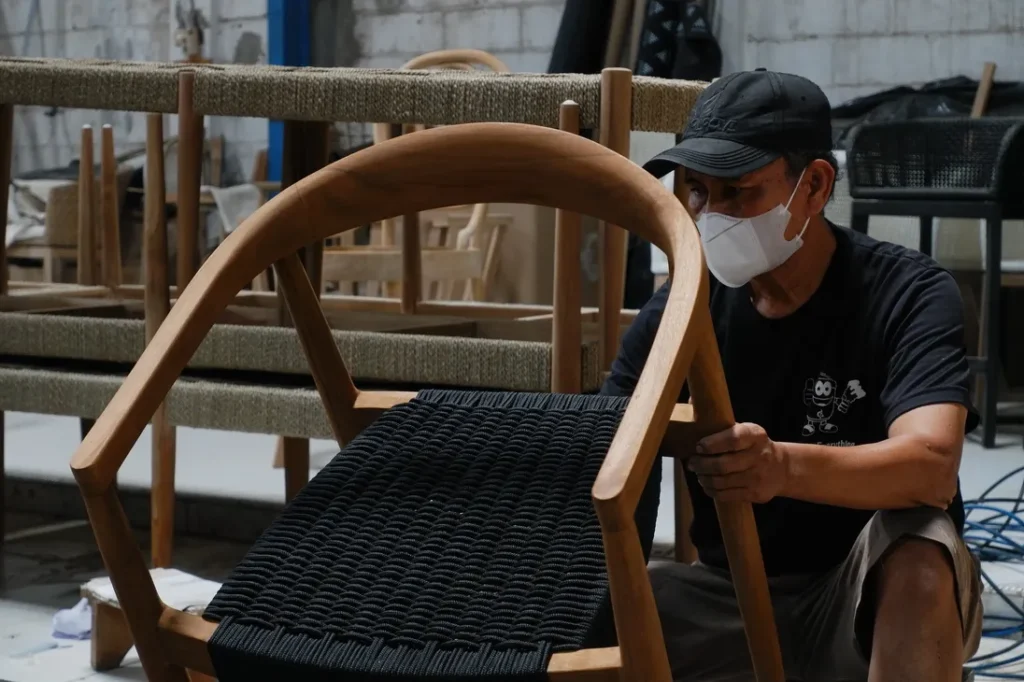
Material processing is not enough; expert craftsmanship is also needed in creating a robust structure & weaving the rattan. The two crucial steps determine whether the final products are interesting to customers’ eyes since rattan furniture is mostly searched for its visual distinctiveness.
Finishing, Coating, and Protection
A good sense of applying the right finish is also necessary since rattan is not that resilient to weather, especially when the products are intended for outdoor spaces. The right protection can help rattan deliver longevity, even if placed outside.
How to Identify High-Quality Rattan Furniture
Now, it’s time for the real deal. Follow these tips to ensure you’re buying rattan furniture with the best quality.
Visual and Structural Indicators
The fastest way to identify whether the rattan products are is to see and feel the item. Try doing the “wobble test” and see if the frames are sturdy enough or it shifts easily when you apply some weight.
The next test is to check the surface. Does it feel smooth, or does your hand touch sharp bits? If the result is the latter, then it’s definitely made from low-quality material and rushed production.
Questions to Ask a Rattan Furniture Manufacturer
Sometimes, you need reassurance from the one who produces the items directly. You can try asking these questions:
- “What rattan grade are you using?”
- “What is your step-by-step method to prepare raw rattan, from the first time it arrives at the factory, to the time it will be processed into furniture?”
- “At what level of tightness is your weaving method in crafting rattan furniture?”
The right manufacturing partner will answer these transparently if they prioritize clients’ trust.
Is Rattan Furniture a Good Choice for Commercial Use?
The short answer is that rattan is not only perfect to beautify your residential spaces, but is also a desirable material for many, proven by the export value of USD 2.5 billion in 2022. So, it’s a smart choice to decorate places with many people in it.
Hospitality and Retail Applications
With its distinctive visual appeal, rattan can easily accentuate any spot in your hospitality areas, especially for spaces that need a natural touch. It won’t just please the eyes in the real spaces, but it can also wow the virtual audience when the image is posted online, signaling a huge Instagrammable vibe.
Durability in High-Traffic Environments
Not only being superior in its appearance, but the excellent indoor durability is also perfect for crowded places that still need some visual statement. Just request that the manufacturer reinforce the frames to handle high-traffic seating.
Common Misconceptions About Rattan Furniture
Before closing off, here are some wrong assumptions you also need to know about rattan. Fun information you might need to impress your customers.
“Rattan Is Weak” Myth
People often associate rattan with cheap material. Little did they know that a real, solid rattan is incredibly tough and can withstand an indoor environment very well. A right finish/stain application can also increase the longevity.
Price vs. Quality Assumptions
It’s easy to know low-quality rattan furniture, so don’t worry about being scammed with a higher price. Low-cost rattan can be easily detected by the thin poles and loose weaving. Investing in a slightly higher price point ensures a frame that won't lose its shape after six months of use.
Wrapping Up: Choosing Rattan Furniture Based on Use Case
In conclusion, rattan furniture offers a signature, natural vibe that adds visual texture to any space. However, natural rattan isn’t naturally resilient to extreme outdoor conditions like certain hardwoods, making it require extra care & maintenance.
This can be solved by choosing a synthetic rattan material, but it also means sacrificing the real, warm feeling of natural rattan. So, it’s yours to choose, whether to offer distinctive visual & durability to your customers, or the real visual charm of the true rattan furniture.
Working with a Reliable Rattan Furniture Manufacturer
While it’s important to make sure selling rattan is worth it as much as choosing the right partner to help turn your vision to life. If you can’t find the perfect partner to collaborate with, MPP Furniture is confident in helping you launch a successful rattan project.
With over 20 years of experience in the furniture export industry, we’ve worked with numerous clients across the US, Dubai, Australia, Spain, and South Africa. Our expert craftsmanship & transparent communication have led us to gain 99% of client satisfaction and only a 0.56% complaint ratio.
What to Look for in a Production Partner
The best partner is the one that understands both the beauty of rattan and the requirements for smooth export transactions. MPP Furniture implements a standard method in treating rattan properly, from proper fumigation, moisture control, to export-ready packaging.
How MPP Furniture Ensures Rattan Quality Standards
MPP Furniture produces rattan furniture in our own 16,000 m² factory, allowing direct, strict quality control at every stage. This also ensures our clients with consistent quality from the first item to the last.
Plus, with our 200+ craftsmen who have mastered expert joinery, MPP Furniture offers premium handcrafted rattan products with an artisanal touch. Interested in working with us? Schedule a free consultation and talk to us about your future rattan project!
Planning your next best-selling collection?
Request catalog, pricing info, MOQ, and custom options today — we’ll respond quickly.

A passionate writer with 3+ years of experience in SEO who turns complex ideas into informative & helpful content. I share the challenges & important considerations when preparing a global furniture project, hoping to help MPP Furniture’s readers make more informed business decisions.
0 Comments