Choosing an outdoor furniture manufacturer is often reduced to price comparison, sample approval, and communication speed.
But if you choose the wrong manufacturer, the real issues usually appear after delivery: complaints start coming in about cracked wood, peeling finish, inconsistent batches, or cushions that fail within months.
This article explains what actually defines a reliable outdoor furniture manufacturer from a technical perspective, based on production systems, material control, and quality consistency.
Why Reliable Outdoor Furniture Manufacturers Are Built by System
Reliability is not defined by how long a manufacturer has been in business or how advanced their machinery is. It is defined by whether they can produce the same quality across every batch.
In many cases, inconsistency happens because production is not controlled within a single system. Some manufacturers rely on multiple workshops, outsource key processes, or operate without clear standard procedures. As a result, there is no unified control across production stages, which leads to variation in materials, finishing, and construction within the same order.
This is why consistency only comes from a structured system, both in production and quality control. When every stage is clearly defined and controlled, the results become predictable, not dependent on chance.
Before diving into technical evaluations, it helps to weigh these potential risks against the benefits to determine if buying outdoor furniture directly from manufacturers is worth it for your specific business model.
Key Technical Factors that Define a Reliable Outdoor Furniture Manufacturer
These are the technical factors that must be evaluated when assessing an outdoor furniture manufacturer. This framework is based on real observations from buyers who visited MPP Furniture and conducted factory audits.
1. Wood Preparation System
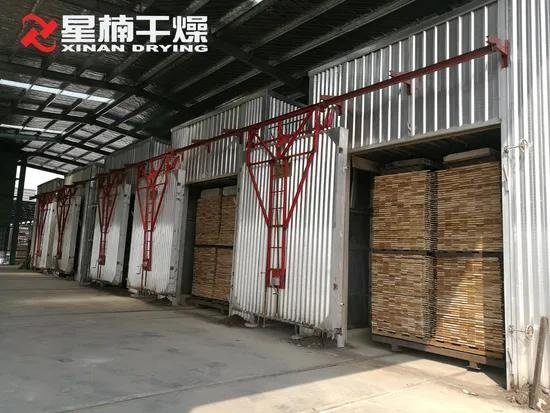
Outdoor furniture requires strict control in wood preparation because it is exposed directly to outdoor conditions. Wood is a living material, and without proper control, it will continue to move over time. This movement is what causes cracks, warping, and joint failure after the product is used.
Wood preparation is not only about drying the material. It is about stabilizing it before production begins. It also plays a role in color consistency, because uniformity should start from the raw material, not be corrected later through finishing.
In practice, a reliable manufacturer controls moisture content below 12%, uses a proper kiln drying process instead of relying only on air drying, and maintains controlled storage conditions. Material should also go through acclimatization before assembly to reduce movement after production.
You can learn more deeply why wood preparation is a crucial step before producing furniture
If a manufacturer cannot explain their wood preparation process clearly, the risk already starts from this stage.
2. Material Control and Selection
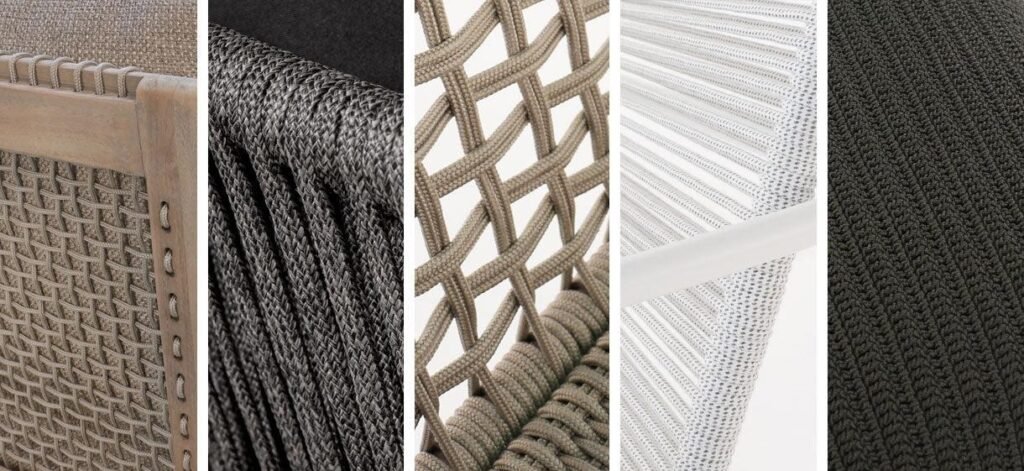
Inconsistent material control leads directly to inconsistent product results. In outdoor furniture, material selection is not only about the type of wood. It extends to how materials are specified, selected, and standardized across production.
A reliable manufacturer defines material clearly, including wood grading, rope specification, fabric performance, foam density, and hardware quality. Without this level of control, products within the same order can vary in durability and performance.
For example, using fabric that is not water repellent or water resistant will result in faster degradation under outdoor exposure. In one case, a buyer from the US required outdoor fabric with a minimum of 20,000 rubs to meet their durability standard. This kind of specification is not optional; it is necessary.
You should also pay attention to whether stainless hardware is used to prevent rust, and whether rope and cushion materials are truly outdoor grade. Without defined material standards, consistency cannot be maintained.
You can explore why many material decisions should align with your outdoor furniture target market expectations
3. Construction and Joinery System
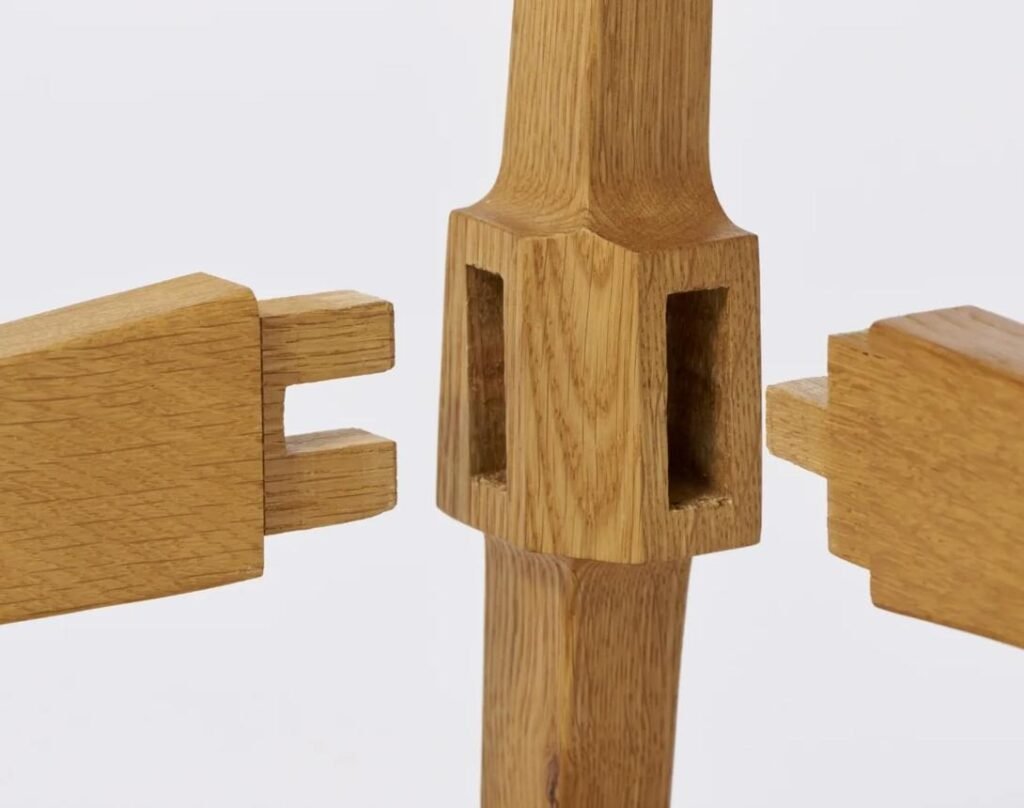
Construction is one of the most critical factors that determines product lifespan. A product may look visually correct, but if the internal structure is wrong, it will fail during use.
If a manufacturer does not understand proper construction methods, the result will be structural issues that affect end users directly. This includes cracking under load, unstable seating, and shortened product lifespan. From a business perspective, this translates into complaints, returns, and damage to your brand reputation.
Improper joinery leads to common issues such as wobbly chairs, loose frames, and broken structures. This often happens when production relies only on screws or dowels without proper structural support.
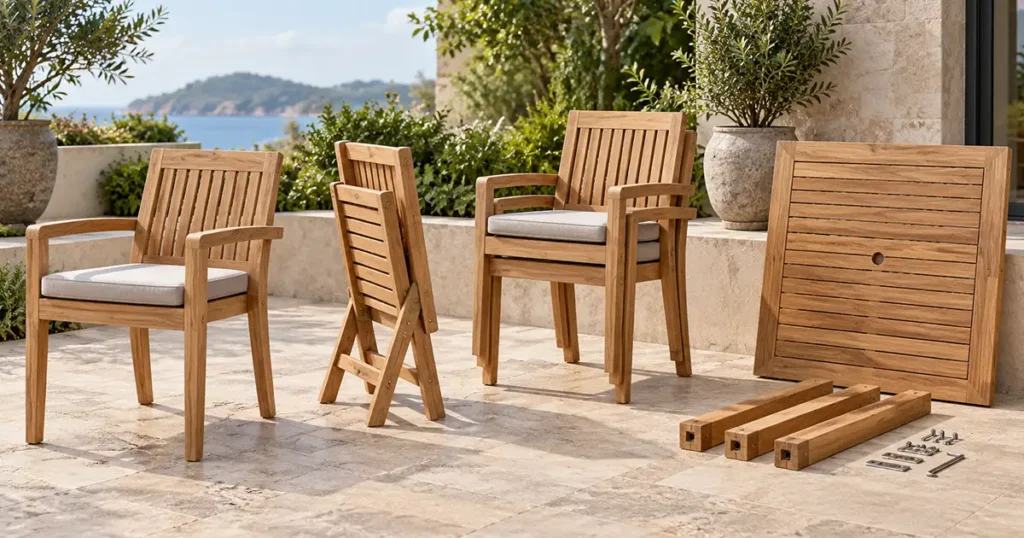
A reliable manufacturer uses proper joinery methods, such as mortise and tenon, applies structural reinforcement where needed, and designs outdoor products with systems like slatted tables that allow movement and drainage. Without correct construction, no finishing or material upgrade can fix the problem.
4. Finishing System for Outdoor Use
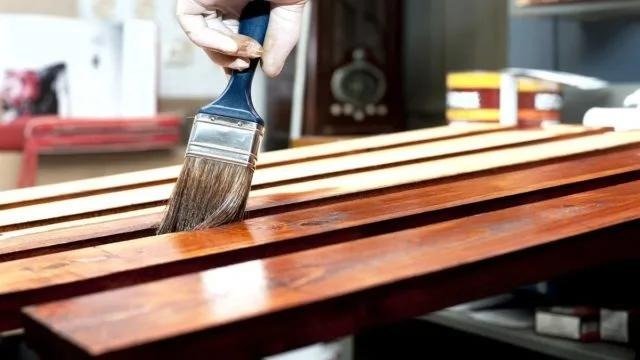
Finishing is often treated as a visual element, but in outdoor furniture, it functions as a protection system. Many failures happen because finishing is applied without understanding its role.
In one case, an agent working with a buyer shared that their previous supplier applied finishing with the assumption that it would automatically protect the product from outdoor exposure. The result was peeling shortly after the furniture was used. The issue was the finishing system, which was not designed for outdoor conditions.
Outdoor-grade finishing must be able to handle UV exposure, moisture, and temperature changes. Without the correct system, problems such as peeling, fading, and color instability will appear after delivery, not during inspection.
If finishing is treated only as appearance, long-term durability will fail.
5. Cushion, Foam, and Fabric Integration
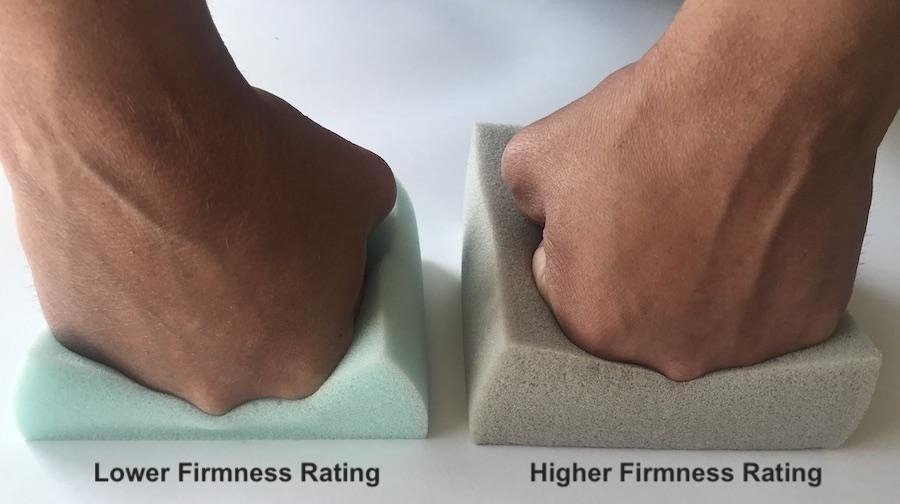
Most buyers focus on the frame, but most complaints come from the soft components. Issues like foam collapsing, fabric fading, or mold growth usually appear after use, not during inspection.
These problems happen because cushion, foam, and fabric are treated as secondary, while in outdoor furniture, they are part of the system. Foam density affects shape retention, and fabric must be outdoor-grade to resist UV, moisture, and wear.
We have seen buyers request multiple foam density samples before approval because once delivered, these components cannot be corrected easily. A reliable manufacturer defines specifications from the beginning, including foam density, fabric performance, and proper drainage design
6. Quality Control System

Quality control is not a final step; it is a system that runs throughout production. Issues can come from small deviations that are not detected early, not from one major mistake.
A structured QC system starts from incoming material inspection, continues during production, and ends with final inspection before shipment. Each stage must be controlled so problems are prevented, not discovered at the end.
Manufacturers with strong systems apply QC at every stage, not only before delivery. Inspection finds problems, but systems prevent them.
A structured quality control system is part of a larger production workflow. You can see how this fits into the full ordering process for outdoor furniture directly from manufacturers
Red Flags: How to Identify an Unreliable Outdoor Furniture Manufacturer
You can often identify a weak manufacturer by what they cannot explain.
Here are common red flags:
- No clear moisture control leads to a high risk of cracking
- Inconsistent material sourcing leads to batch variation
- Simplified joinery leads to structural weakness
- Finishing focused on appearance only leads to early failure
- No specification for cushions leads to post-delivery complaints
- No structured QC leads to unpredictable quality
If you want a broader framework before selecting an outdoor furniture supplier, you can read this guide
Why MPP Furniture Is the Right Choice for an Outdoor Furniture Manufacturer from Indonesia
A reliable outdoor furniture manufacturer is defined by how their system works in practice, not by what they claim. The difference becomes clear when you look at how production is controlled from material to final inspection.
At MPP Furniture, production is handled fully in-house, which allows control over wood preparation, construction, finishing, and integration of all components. This system is supported by structured quality control at every stage, resulting in a low defect rate of 0.54% and consistent output across orders.
Beyond production, the focus is on helping buyers build products that actually perform in their market. This includes product development support, clear specification alignment, and a process that reduces risk before production even begins.
The goal is not only to produce furniture, but to make sure every order performs as expected after delivery.
To see how this level of alignment translates into a smooth buying experience, check out our step-by-step guide on how to order outdoor furniture from manufacturers.
Conclusion: Reliability Is a System, Not a Claim
To conclude, a reliable outdoor furniture manufacturer is not defined by price, sample, or communication. It is defined by how well their system controls material, production, and quality across every batch.
When production is not supported by a clear system, results become inconsistent, and problems only appear after delivery. When a system is in place, quality becomes predictable, and risk can be reduced before it reaches your market.
In short, reliability is not something you see during selection. It is something built into the system behind the production.
Discuss Your Outdoor Furniture Project with a Structured Indonesian Outdoor Furniture Manufacturer
Talk to our team via WhatsApp or email to review your product specifications and production requirements before moving forward.
FAQs:
1. What defines a reliable outdoor furniture manufacturer?
A reliable manufacturer is defined by consistent production results, which come from structured systems in material control, construction, finishing, and quality control.
2. How do I audit a furniture factory?
Focus on the process, not the showroom. Evaluate how they handle wood preparation, material specification, construction methods, finishing systems, and quality control stages.
3. Why does outdoor furniture fail after delivery?
Most failures come from hidden issues such as uncontrolled moisture content, incorrect finishing systems, or weak material specifications that only appear after outdoor exposure.
4. What is the most important factor in outdoor furniture quality?
There is no single factor, because quality comes from a system that controls all stages of production. Weakness in one stage will affect the final result.
5. How do I verify if a supplier is a real manufacturer?
Check whether production is handled in-house and whether they can explain their process clearly. Manufacturers control the system, while trading companies rely on coordination.

Hi, I’m Salman, founder of MPP Furniture, an Indonesian furniture manufacturer serving global retailers and project-based clients.
I began my career in my family’s export-oriented furniture company, gaining hands-on experience in production, construction, finishing, material performance, and product development. With a clear understanding of how international buyers evaluate furniture quality and reliability, I founded MPP Furniture to deliver export-ready products with consistent standards.
Here, I share insights from the perspective of a furniture manufacturer working directly with production teams on the factory floor, focusing on manufacturing and supplier evaluation.
Connect on LinkedIn
0 Comments