A "verified manufacturer" badge can feel reassuring when screening a new furniture supplier. But buyers may assume it proves certification coverage, production capacity, and direct factory ownership all at once.
That assumption can become expensive after an order starts. A real registered business can still leave questions about who makes your furniture, how much it can produce consistently, and whether its documents apply to your order.
So ask a better question: "What exactly was verified, by whom, when, and how does that proof relate to my order?"
What “Verified” Usually Means When a Supplier Says It
"Verified" does not have one universal meaning. Depending on the platform or program, it may confirm company identity, factory location, facilities, machinery, or parts of the production process.
Some badges use third-party checks, while others rely more on supplier-provided information. Either way, treat the badge as a starting point for furniture supplier due diligence, not proof that every commercial claim has been checked.
Retailers should separate company existence from order-specific claims. A legal business may still need to prove its capacity, certification scope, and production ownership.
For a broader supplier-selection framework, read how to choose the best Indonesian furniture manufacturers for export, including factory capability, quality, communication, and export readiness.
The Three Things Retailers Actually Need to Verify
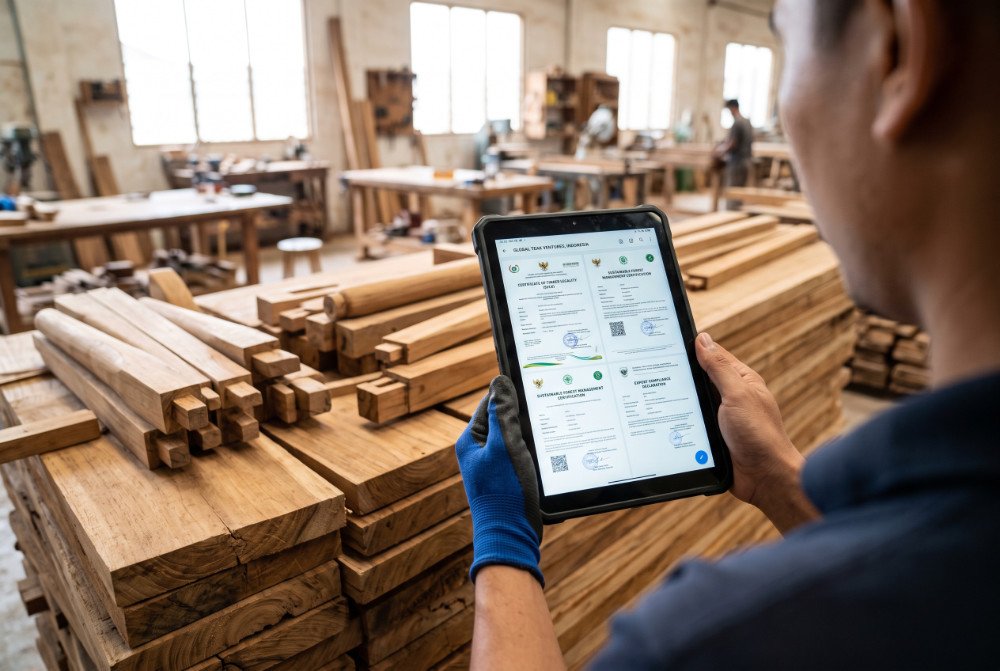
A polished supplier profile is not enough for procurement decisions. Three areas deserve closer attention because they affect compliance, delivery, and accountability.
Whether certifications are current and match the specific shipment
Do not stop at a certification logo. Ask for the certificate number, holder, issuing body, validity period, and scope, then check whether supporting records relate to the material and product you are ordering.
For wooden furniture, company certification and shipment documentation are different. Your team should know which document proves supplier status and which records support the goods being exported.
Whether the factory can produce at the volume it claims
A monthly capacity number can sound impressive, but the better question is how much output the factory can sustain while serving current buyers. Peak production is not the same as available capacity for your program.
Ask about recent output, active orders, manpower, machinery, shifts, and bottlenecks. For woven dining chairs, for example, weaving or finishing capacity may matter more than the headline number.
Whether you’re actually buying from the factory or from a trading company in between
A trading company is not automatically a bad supplier, but recent supply chain crises have proven why direct factory control is crucial. When almost 40% of businesses experienced severe logistics delays, communicating through a middleman only multiplied the chaos.
You need to know exactly who signs the contract, controls production, manages QC, and handles subcontracting. Clear disclosure matters far more than a glossy "manufacturer" label on a website.
For a deeper explanation of why production ownership affects accountability during disruptions, read why a direct manufacturer can be a safer option in a supply chain crisis.
Why This Gap Matters More Now
Furniture buyers face more documentation pressure, especially when timber traceability and market-entry rules are involved. For EU-focused sourcing, EUDR preparation makes material origin and supplier records harder to treat as an afterthought.
AI tools can make supplier discovery faster, but speed does not turn a public claim into checked evidence. Claims repeated across directories, search results, or AI summaries still need documents and factory facts behind them.
A verification mistake can affect compliance, delivery, capacity planning, and accountability. What once looked like a simple supplier-screening issue can now reach several parts of the buying process.
For buyers who want to see what can be checked during a physical or virtual visit, read why visiting an Indonesian furniture supplier matters.
Common Ways Verification Claims Get Overstated
Verification problems are not always caused by a fake business. Often, a real fact is presented without enough context, so the buyer reads the claim more broadly than the evidence supports.
A trading company presenting itself as a direct manufacturer
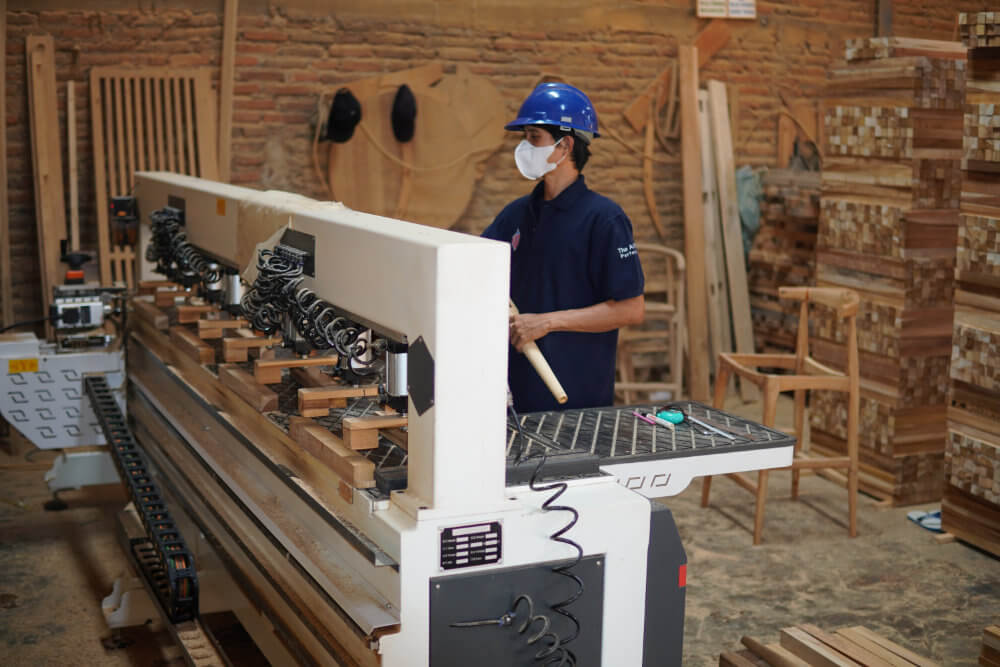
A supplier may coordinate production without owning the factory, but presenting that relationship as direct manufacturing changes the buyer's understanding of control. Retailers need to know whether they can reach production staff, see work in progress, and trace responsibility to the producer.
A certification that applies to one product line but is shown as blanket coverage
A valid certificate can still be presented too broadly. For example, a supplier might display an FSC certificate prominently on their profile, even if it only applies to their teak outdoor line, while their indoor mahogany products remain uncertified. Check which entity, facility, material, activity, or product scope the document actually covers before assuming your entire order is compliant.
A production-capacity number that reflects peak capacity, not sustained output
A factory may reach high output under ideal conditions. That does not mean the same volume is available every month once current orders, maintenance, labor, material flow, and product complexity are considered.
For more supplier warning signs beyond verification claims, read red flags to avoid when choosing a furniture supplier.
What to Ask Instead of Taking “Verified” at Face Value
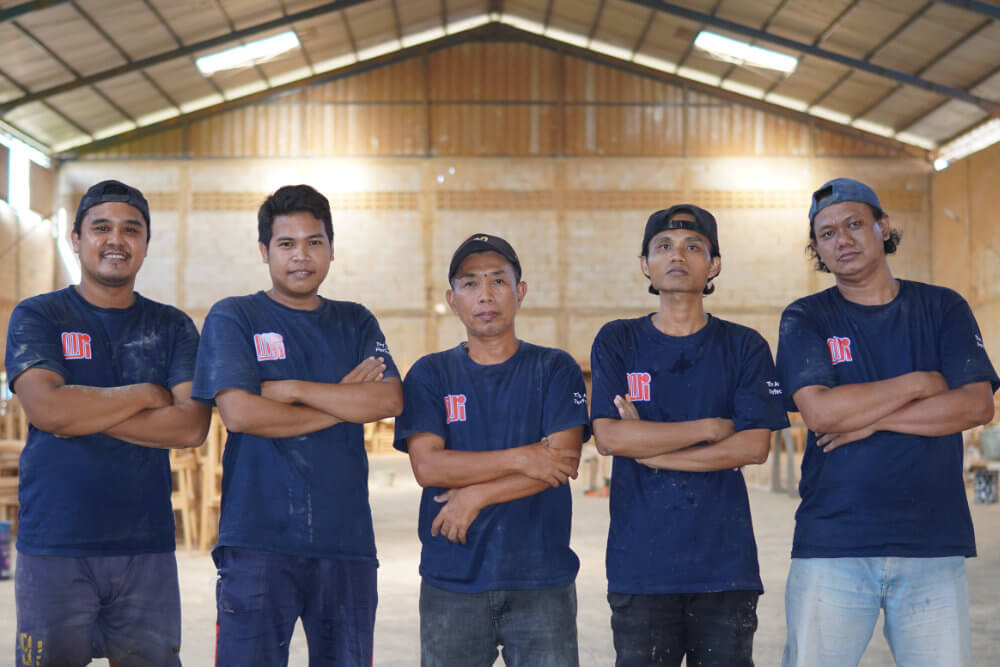
Replace broad questions with evidence-based ones. The goal is to get both sides working from the same facts before money, materials, and production time are committed.
- For certifications, ask for the certificate number, holder, issuer, dates, scope, and order-relevant records.
- For capacity, ask for recent output, current workload, machinery, manpower, schedule, and available capacity for your product type.
- For direct-manufacturer claims, ask for live factory access, production staff, machinery, work in progress, and outsourced-process disclosure.
If answers remain vague, move to a live video call, factory visit, or independent audit. Larger orders and higher compliance exposure deserve stronger evidence.
As one of the trusted Indonesian furniture manufacturers, MPP Furniture goes beyond basic SVLK certifications. We operate our own 16,000-square-meter facility with over 200 skilled craftsmen, sustaining a real output of up to 30 containers per month. By bypassing trading companies entirely, you get direct first-hand pricing, full production monitoring, and the complete flexibility to develop your private label right on our factory floor.
Final Thoughts: Takeaways Before You Trust a “Verified” Claim
A verified badge can reduce uncertainty, but it should not replace manufacturer verification for furniture sourcing. Retailers still need to confirm certification relevance, usable production capacity, and who controls manufacturing.
At MPP Furniture, we support that process through in-house production, free consultation, free product development, custom design support, and QC throughout production. We also focus on consistent detailing and finishing, so the product backs up the claims made before the order.
FAQs: Verifying Furniture Suppliers
1. What does a "verified manufacturer" badge actually mean?
It usually just confirms that a business is legally registered or exists at a specific location. It does not automatically guarantee their production capacity, product quality, or that they own the factory.
2. How can I tell if a supplier is a direct factory or a trading company?
Don't rely solely on website labels. Ask for a live virtual tour of the production floor, request to see their in-house machinery, and clarify who exactly manages the daily quality control.
3. What is the best way to verify a factory's true production capacity?
Never settle for their "peak" capacity number. Instead, ask for their sustained monthly output, current active workload, and the actual available capacity for your specific product type.
4. Why is verifying supplier claims more critical now than before?
With stricter global regulations like the EUDR and ongoing supply chain bottlenecks, trusting unverified claims can lead to severe delivery delays, compliance failures, and legal risks for your business.
Ready to Partner with a Real Direct Manufacturer?
Skip the middlemen and mitigate supply chain risks. Contact MPP Furniture today for transparent capacity planning, direct-to-source pricing, and a live look at our in-house production floor.

I am a Web Designer, Technical SEO Specialist, and writer with 6+ years of experience in website optimization and search visibility. For more than a year, I have supported MPP Furniture’s growth, and I am currently expanding my role as an author to help B2B furniture buyers make more informed business decisions through informative, practical, and impactful articles.

0 Comments