Many furniture retailers and importers stay with the same furniture supplier for years because the relationship feels familiar. At first, small delays or quality issues may not seem serious. But over time, these problems can quietly affect inventory flow, customer trust, and business growth.
The good news is that supplier problems are usually visible before they become business crises. If you know what signs to watch for, you can evaluate whether your current supplier still supports your long-term goals. This can help you avoid operational stress and protect your brand reputation.
In this article, we will discuss the warning signs that your supplier may be limiting your business growth. We will explain what to look for in reliable furniture manufacturers from Indonesia and how to decide whether it is time to switch suppliers.
When a “Good Enough” Supplier Is No Longer Enough
Many businesses continue working with suppliers simply because changing partners feels risky or time-consuming. Searching for a new manufacturer takes effort, especially when you already have active orders and existing workflows. Because of this, many retailers tolerate problems and stick with existing suppliers much longer than they should.
The hidden cost of this complacency rarely appears all at once but rather slowly, through repeated delays or weak communication. Over time, delayed product launches, unstable inventory, and unhappy customers quietly reduce business momentum. These hidden costs can eventually become much higher than the initial cost of switching partners.
A supplier that was suitable two years ago might now be holding your business back from reaching its full potential. This often happens when retailers grow faster than their suppliers can handle, turning the partner into a bottleneck. Next, we will explore the clear warning signs that your current supplier is negatively impacting your business.
Warning Signs Your Current Supplier Is Becoming a Bottleneck
Your supplier's reliability directly dictates how smoothly your operations run and affects your overall inventory flow. When suppliers become unreliable, teams constantly adjust timelines and chase updates, creating unnecessary operational stress. This disruption makes it difficult to maintain stable stock levels for your retail business.
Beyond stock levels, a supplier's performance also significantly impacts your customer satisfaction. When businesses spend more time managing complaints or explaining late deliveries, the customer experience suffers. Many retailers only recognize this damage after poor supplier reliability directly causes a decline in repeat orders.

Ultimately, these ongoing supply chain issues can permanently damage your overall brand reputation. Customers associate product availability and consistent quality directly with your brand, regardless of who manufactured it. If unreliable deliveries become a pattern, the operational damage will slowly erode the trust you have built in the market.
To avoid these issues, you must position your supplier as a strategic partner, not just a transactional vendor. A strong partner should support planning, provide stable production, and communicate clearly during every stage of the process. If this alignment no longer happens consistently, it may be time to reevaluate the partnership and recognize common supplier red flags before operational problems become harder to manage.
Why Supplier Performance Directly Impacts Retail Growth
Consistent Delays Are Becoming the Norm
Occasional delays happen, but repeated delays point to deeper operational problems like weak production planning or unstable capacity. When delays become the norm, inventory planning becomes difficult, and you risk missing critical seasonal sales opportunities. These recurring issues reduce customer confidence and eventually damage your brand loyalty.
Reliable lead times are one of the most important signs of a stable manufacturing partner. Experienced manufacturers prevent these delays by building robust production systems that effectively balance craftsmanship, scheduling, and export coordination.
Quality Is Inconsistent or Declining
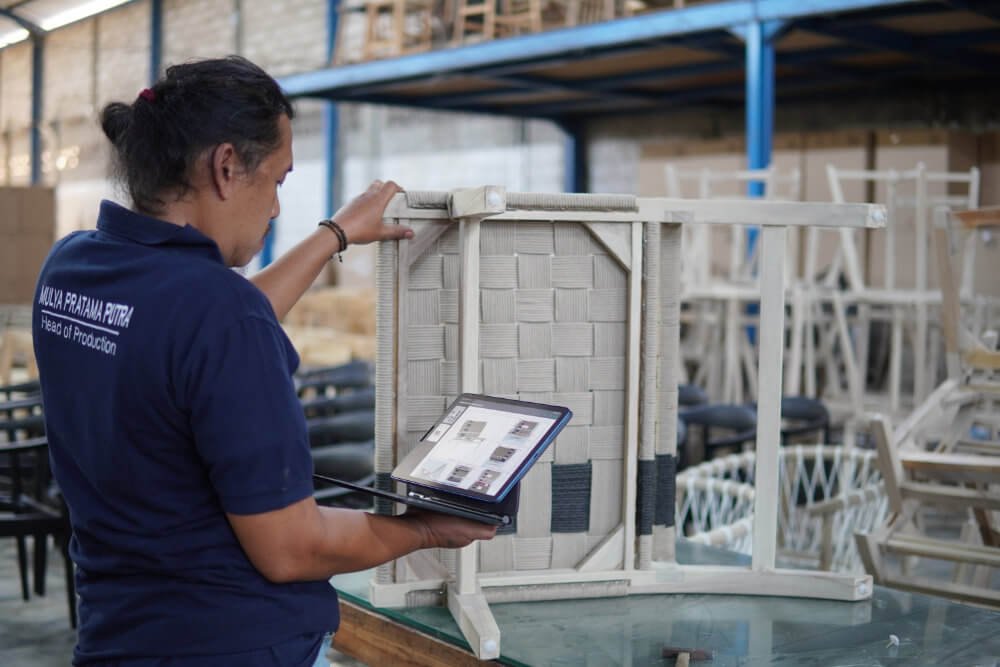
Inconsistent quality is one of the fastest ways to damage customer trust and create uncertainty for retailers. When products look great in one shipment but disappoint in the next, it usually stems from weak quality control systems at the factory level. This inconsistency is especially damaging for premium furniture brands that rely on flawless construction and finishing.
Experienced manufacturers understand that long-term consistency matters just as much as the initial design. Strong factories ensure this by combining handcrafted production with structured quality control during sanding, finishing, assembly, and packaging. Without these standards, retailers face hidden operational costs from handling customer complaints and replacing defective products.
Poor Communication Slows Down Your Operations

Communication problems like delayed replies and incomplete production updates create confusion across the entire supply chain. While many buyers can accept production challenges, inconsistent updates create uncertainty that paralyzes crucial business decisions. This lack of transparency makes it extremely frustrating to manage deadline-sensitive projects.
Reliable suppliers provide better visibility by proactively updating buyers about schedules, progress, and potential issues early. This transparent approach allows retailers to adjust plans ahead of time and minimize operational disruption. Ultimately, fast and honest communication proves how seriously a supplier values a long-term partnership.
Your Supplier Can’t Scale with Your Growth
A supplier that works perfectly for small orders may struggle and cause operational instability once your business expands. As your order volumes increase, a supplier lacking adequate capacity will often suffer from longer lead times, dropping quality, and slower communication. This bottleneck creates unnecessary friction during your most critical expansion periods.
Scalable manufacturers prepare for growth by investing in proper systems, including skilled labor and organized workflows. Factories with full in-house production maintain better consistency because they control more stages internally. Since future retail demand rarely stays static, your manufacturing partner must be able to grow seamlessly alongside your business.
Costs Are Rising Without Clear Value
While price increases from fluctuating material or labor costs are normal, they become a major concern if service quality simultaneously declines. Paying higher rates for weaker communication, inconsistent quality, and unstable lead times severely reduces your overall sourcing efficiency. In these situations, businesses are spending more money without receiving the necessary operational support.
The cheapest supplier is rarely the most cost-effective option, as hidden costs from delays and complaints quickly eliminate any initial savings. Strong manufacturing partners focus on delivering long-term value rather than just offering short-term pricing adjustments. By prioritizing stable quality and reliable production systems, they create much healthier and more profitable business relationships.
What to Look for in a Better Furniture Manufacturing Partner
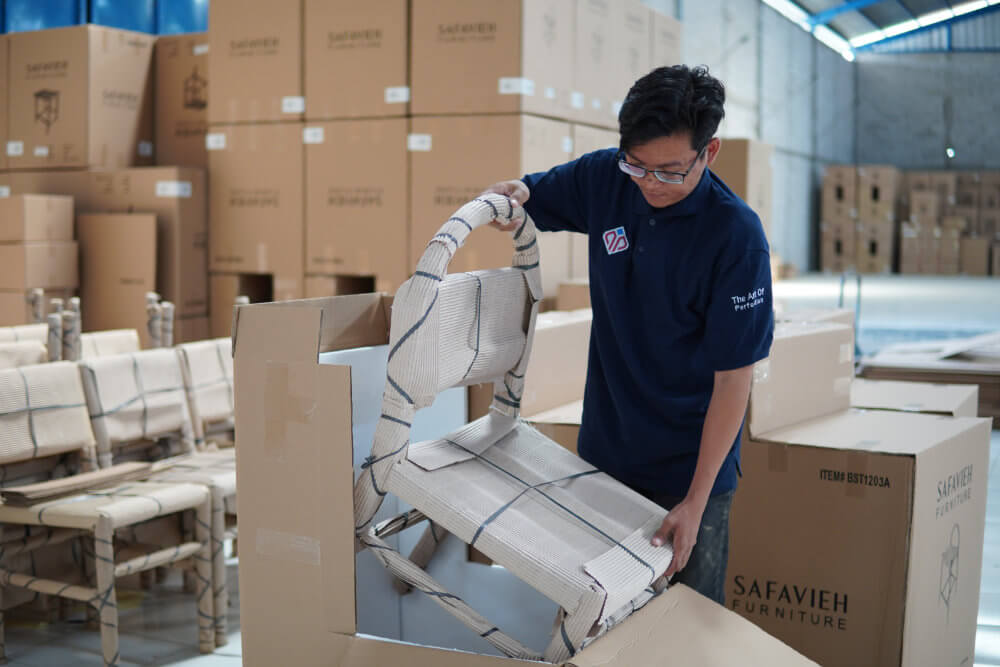
A reliable manufacturing partner must have a consistent quality control system across every stage of production. This includes maintaining strict standards for material selection, construction quality, finishing, and packaging. Strong quality control systems ultimately help reduce mistakes and ensure excellence before products ever leave the factory.
Transparent communication is equally important when selecting a new manufacturing partner. Retailers need suppliers that provide proactive updates, clear responses, and honest information during production. This transparency creates smoother coordination and helps businesses plan their inventory and marketing more confidently.
Scalable production capacity is another crucial element that matters for long-term retail partnerships. Manufacturers should be able to smoothly support growing order volumes as your business expands over time. Factories with organized in-house production systems usually manage this scaling more effectively without sacrificing standards.
Finding a partner who can guarantee reliable lead times is essential for maintaining your inventory flow. A manufacturer with structured scheduling ensures that your products are completed and shipped exactly when promised. This reliability protects your seasonal sales opportunities and keeps your customer expectations perfectly aligned.
Global export experience is another important factor. Experienced Indonesian manufacturers often understand international packaging standards, shipping coordination, and buyer expectations more clearly. If you are still exploring the sourcing process, this guide on buying furniture from Indonesian suppliers can help you understand what to prepare before choosing a long-term manufacturing partner.
Should You Switch Now? Key Questions to Ask
Before switching suppliers, it is important to evaluate whether your current issues are recurring or fixable. While occasional operational issues can happen in manufacturing, repeated patterns usually indicate deeper, unresolvable structural weaknesses. Identifying these patterns will help you decide if the relationship can be repaired or if it is time to move on.
You must also carefully consider whether your supplier is proactive or reactive when handling problems. A proactive supplier communicates early and offers solutions, whereas a reactive one only responds after issues become serious. Reactive suppliers often create more stress because your team constantly has to chase them for updates and resolutions.
Finally, assess whether your current supplier is truly aligned with your long-term growth objectives. A partner that supported your early stage may no longer fit your needs if you are expanding into larger retail networks. Ask yourself if you would still choose this same supplier today, as the answer often reveals if they fit your future.
Use this simple checklist to evaluate your current manufacturing partnership:
| Evaluation Criteria | 🚩 Red Flag (Current Supplier) | 🟢 Green Flag (Ideal Partner) |
| Lead Time | Frequent unannounced delays. | Structured scheduling & on-time delivery. |
| Quality | Inconsistent across different batches. | Strict QC at every production stage. |
| Communication | Slow to respond & reactive to issues. | Transparent, proactive & provides visibility. |
| Scalability | Struggles to meet growing order volumes. | High capacity with full in-house production. |
We recently welcomed a new European buyer who had faced years of recurring issues with their previous supplier. For them, price was not the main concern; they simply wanted a smooth and reliable business experience. They finally found that peace of mind with MPP Furniture and are highly satisfied with our fully in-house production.
Final Thoughts: Don’t Let Your Supplier Limit Your Business Potential

Your furniture supplier plays a massive role in your success, acting either as a powerful growth enabler or a severe bottleneck. They influence everything from product consistency and operational stability to customer satisfaction and long-term scalability. Because of this massive impact, supplier relationships should always be evaluated strategically rather than emotionally.
Adopting an ongoing evaluation mindset helps businesses grow with much greater confidence and stability. Regularly assessing your manufacturing partner ensures they continue to support stable inventory flow and maintain product quality. If your current supplier repeatedly creates operational friction, you must be willing to objectively review the partnership's value.If you are looking for a more reliable partner, MPP Furniture offers over two decades of trusted export experience for global retailers and importers. By keeping all production stages fully in-house, from initial wood processing to finishing and packing, we guarantee consistent quality, tight timelines, and scalable capacity. Furthermore, we support your brand's unique growth with OEM, private label services, and free custom product development to bring your exclusive designs to life.
Ready to Upgrade to a More Reliable Furniture Manufacturer?
Don't let delays and inconsistent quality hold your business back. Contact us today to see how our fully in-house production can bring stability and growth to your brand.
FAQs About Furniture Suppliers
1. When should I replace my furniture supplier?
You should consider replacing your supplier when operational problems become recurring and begin affecting inventory, customer satisfaction, or business growth.
2. Why is furniture quality often inconsistent between shipments?
Inconsistent quality usually happens because of weak quality control systems, unstable material sourcing, or poor production management.
3. How important is communication in furniture sourcing?
Communication is extremely important because retailers rely on production updates and shipment visibility for inventory planning and customer coordination.
4. Can a supplier affect retail business growth?
Yes. Suppliers directly influence inventory stability, delivery reliability, customer satisfaction, and operational efficiency.
5. What should I look for in a furniture manufacturing partner?
Look for consistent quality control, transparent communication, scalable production capacity, reliable lead times, and export experience.

I am a Web Designer, Technical SEO Specialist, and writer with 6+ years of experience in website optimization and search visibility. For more than a year, I have supported MPP Furniture’s growth, and I am currently expanding my role as an author to help B2B furniture buyers make more informed business decisions through informative, practical, and impactful articles.


0 Comments