A furniture design can look right on screen and still need construction changes before it is ready for repeat production. This is common with Sungkai wood furniture, where a slim profile, a long span, or a small connection area may look clean in a drawing but give the factory limited room for jointing, machining, or structural support.
The good news is that a construction adjustment does not have to change the buyer's design direction. Working with an Indonesian furniture supplier that can review the design before production helps buyers understand which details need adjustment while keeping the approved proportions and visual character as close as possible to the original concept.
This article explains where those adjustments usually happen, starting with joints, component thickness, and structural support. It also shows how these decisions work together, how approved construction can be repeated with controlled machining, and how the final details should be confirmed during sample development before bulk production starts.
Why a Sungkai Furniture Design May Need Adjustment Before Bulk Production
A technical drawing gives the factory a visual and dimensional reference, but repeat production adds another question: can the same construction be made again and again without creating fitting, assembly, or stability problems? This is why some designs need a production review before the sample is treated as final.
For example, a design may use a very slim rail, but the planned joint needs more usable wood around the connection. A long tabletop or seat frame may also need support that was not obvious in the first visual concept.
The goal is not to redesign the product for convenience. The goal is to keep the original design character while making the construction more suitable for sampling and later bulk production.
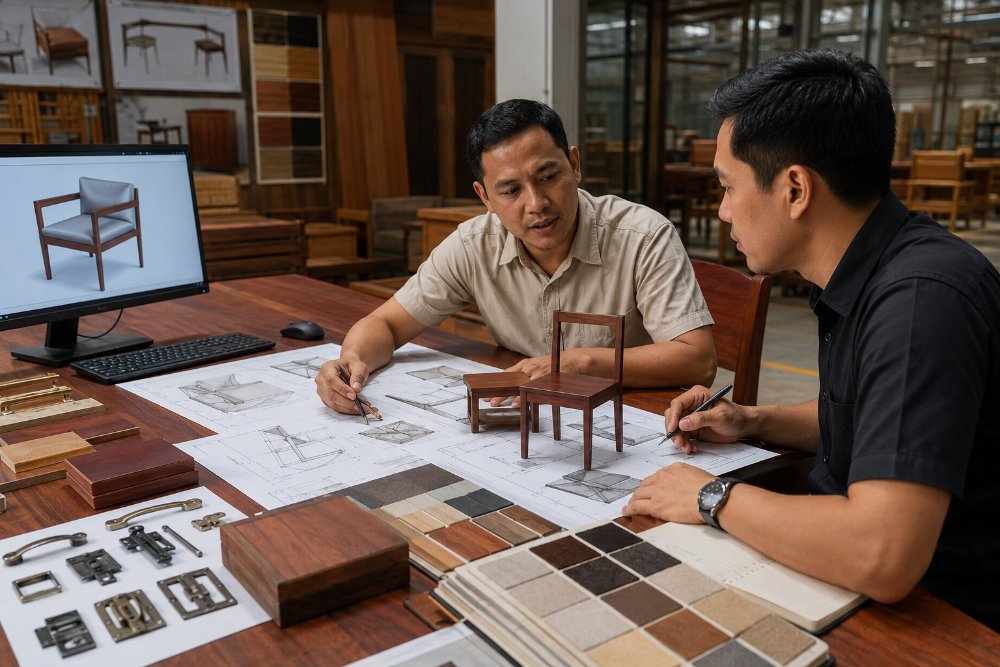
Review Joint Design Before Finalizing the Construction
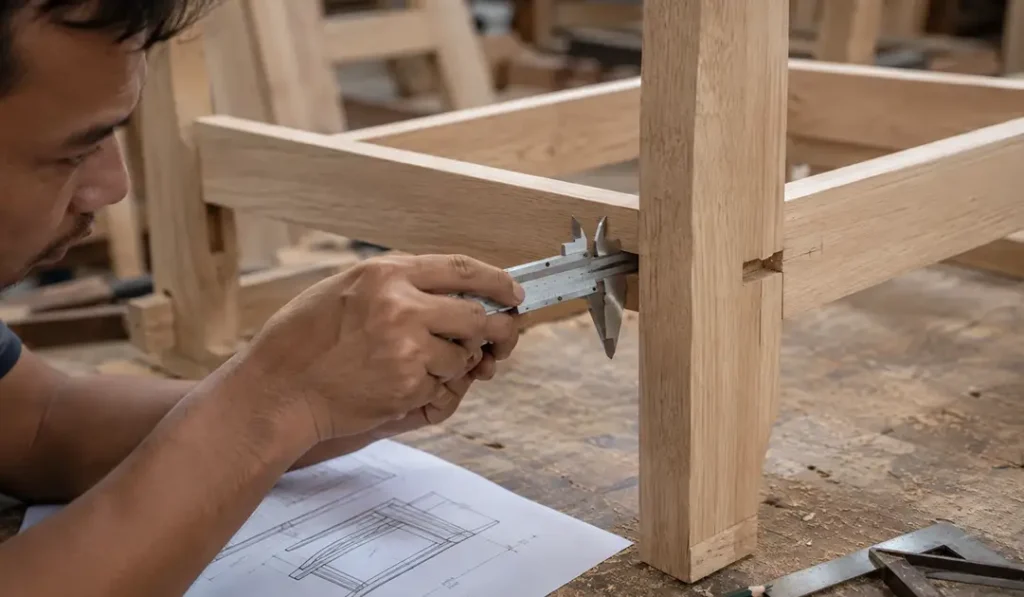
A joint needs to work with the actual size of the components it connects. If a rail, leg, frame, or stretcher is too slim for the planned joint geometry, the manufacturer may need to adjust the joint, the component size, or both.
The decision should also consider where the load occurs, how the parts meet during assembly, and how much material remains around the connection after machining. MPP's joinery and cracking case study shows why these construction decisions are better discussed during development than after looseness, gaps, or fitting problems appear in repeated production.
MPP Furniture has faced this situation during product development. In one design review, the visual direction already matched the buyer's expectation, but the connection between the side rail and rear leg needed adjustment for a more stable fit; MPP kept the visible proportion as close as possible to the original design while reviewing a construction that would work better during fitting and production.
Research on mortise-and-tenon furniture joints also shows why joint geometry should not be treated as a fixed detail. A BioResources study found that changes in tenon width and length affected joint resistance and stiffness in tested beech specimens, although the tested dimensions should not be applied directly to Sungkai furniture because the material and test conditions were different: Numerical Analyses of Various Sizes of Mortise and Tenon Furniture Joints.
Adjust Component Thickness Without Losing the Design Proportion
Component thickness affects more than how the furniture looks. It also determines how much material is available around a joint, how the component can be machined, and how the connection works with the load carried by that part of the furniture.
MPP Furniture has reviewed a design where the supporting section around the rear-leg connection appeared too small in relation to the available wood thickness. This created a concern because the rear legs and backrest receive significant force during use, so the team reviewed whether the component section provided enough material around the connection while still keeping the original design proportion.
The goal is not to make every slim component thicker. Any adjustment should be limited to the area that needs it, while the overall silhouette and visual balance stay as close as possible to the buyer's approved concept.
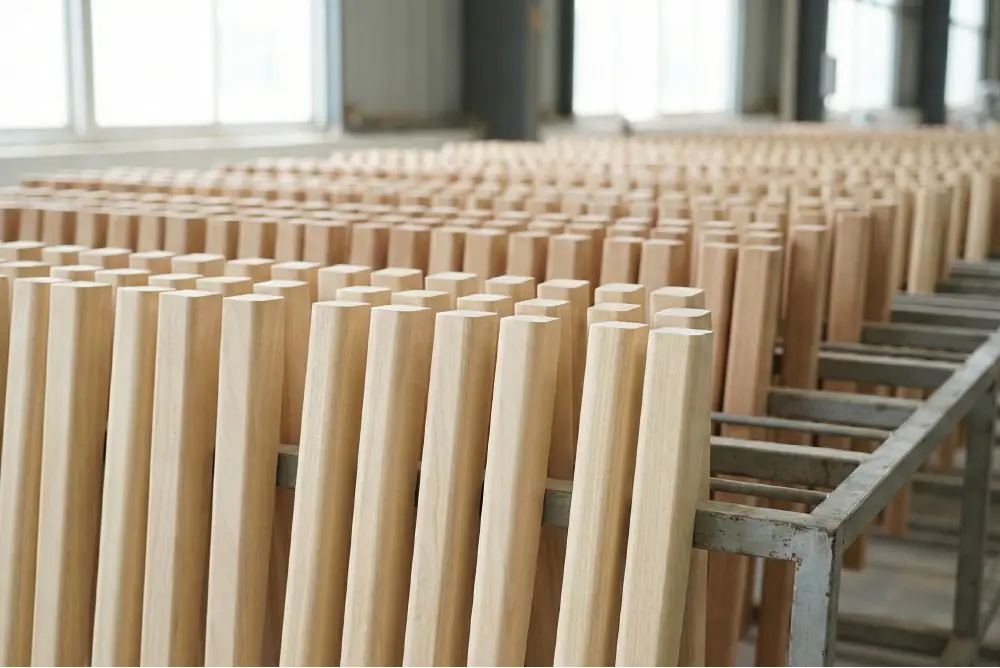
Add Structural Support Where the Design Needs It
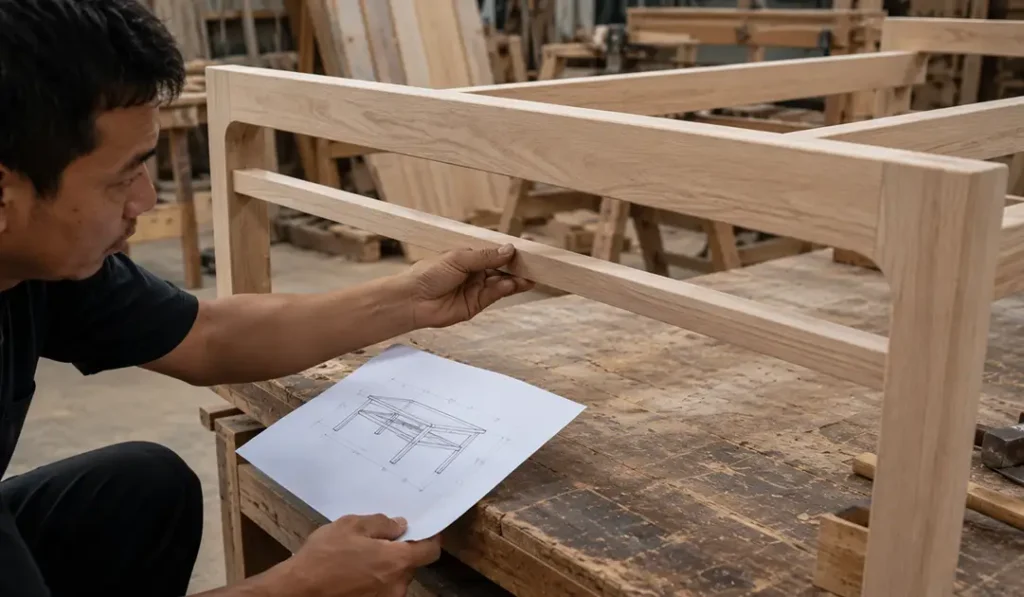
Some furniture designs need additional support because of the span, load, component size, or the way several parts connect. Depending on the construction, the manufacturer may consider adding a rail, stretcher, block, slat, or another supporting component without changing the main design direction.
In August 2026, MPP reviewed a project for a buyer from the United States that included a relatively long span. During the construction review, the team proposed an additional supporting rail in a less visible position so the structure received more support while the product stayed close to the buyer's original visual concept.
This type of review is especially relevant for Indonesian dining room furniture, where buyers may prefer clean profiles and lighter visual proportions. When support is discussed during product development, the buyer and manufacturer have more room to adjust its position, size, and relationship with the surrounding components before the sample becomes the final production reference.
Review Joint, Thickness, and Support as One Construction System
Joint geometry, component thickness, and structural support should be reviewed together because one decision can affect the others. A slimmer component may leave less space for a joint, while a longer span may require added support.
In practice, MPP Furniture compares the buyer's drawing, reference images, dimensions, and overall proportions before revising construction. If a detail does not work well, the team prepares a revised drawing and explains the recommendation to the buyer before approval.
If more support is needed, MPP may propose an additional rail and review its position against the buyer's visual reference. The aim is to keep the joint, component size, and support working together without moving the product too far from the original design intent.
Use Precision Machining to Repeat the Approved Construction
Once joint positions, component dimensions, and supporting details are approved, controlled machining can help repeat the same specifications across multiple units. CNC is useful for drilling positions, profiles, curves, and shaped parts that need consistent dimensions.
MPP's production experience also shows that machining is only one part of repeat production. A component can follow programmed dimensions and still need attention during fitting or sanding because small changes can affect how parts meet.
For this reason, MPP also checks the result after fitting and assembly. Buyers working with curved components can read more about CNC machining for curved furniture components.
Confirm Construction Adjustments During Sample Development
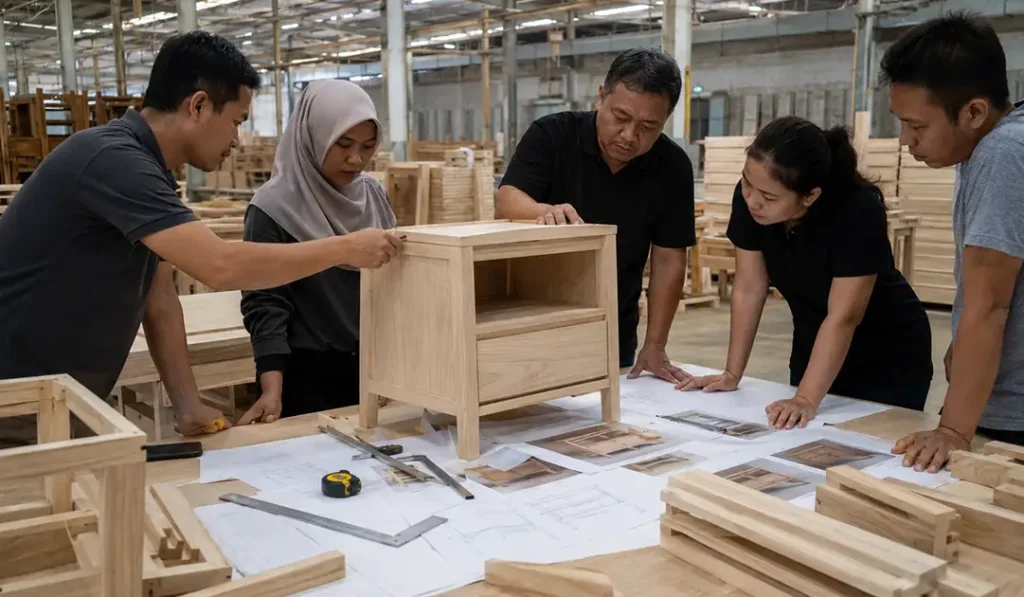
Sample development is where the buyer and manufacturer can confirm whether the revised construction still matches the intended design. At MPP Furniture, the review includes design similarity, construction, dimensions, and finishing color against the references that have already been agreed with the buyer.
If MPP proposes a construction change during development, the team coordinates it with the buyer before treating the revision as final. This may involve comparing the sample with the buyer's drawing, reference image, dimensions, and overall proportion, then updating the drawing when a supporting detail or construction point needs adjustment.
Before bulk production starts, the latest drawing, confirmed dimensions, construction details, and approved sample should describe the same product version. This gives the production team one shared reference for machining, fitting, assembly, finishing, and inspection, while giving the buyer confidence that the approved changes have been carried into production.
Develop Your Sungkai Furniture Design with MPP Furniture
If you are developing a Sungkai furniture collection, send MPP Furniture your drawing, reference image, dimensions, intended use, and expected order volume. Our team can review the construction with you during product development, discuss any needed adjustments to joints, component thickness, or structural support, and confirm the final direction through sampling before the design moves into bulk production.
FAQ: Designing Sungkai Wood Furniture for Bulk Production
1. Why might a Sungkai furniture design need construction changes before bulk production?
A drawing may show the intended appearance but leave limited room for a joint, use components that need dimensional review, or create spans that need more support. These points are better resolved during development before the bulk order starts.
2. Does changing a furniture joint mean changing the buyer's original design?
Not necessarily. A joint can often be adjusted internally while visible proportions and the overall design character remain the same.
3. Can a furniture component be too thin for the planned joint?
Yes. Component thickness determines how much material is available around a connection, so a very slim section may limit the joint geometry that can be used safely and repeatedly.
4. Can CNC solve a furniture construction problem?
No. CNC can repeat approved dimensions, profiles, holes, and joint positions, but it cannot decide whether the original construction is suitable for the product.
5. When should construction adjustments be approved for bulk furniture production?
They should be confirmed during technical review and sample development before bulk work begins. The final drawing, specification, and approved sample should describe the same construction.

A versatile content creator with a strong foundation in product photography and videography, and a comprehensive brand strategy. Capable of creating engaging content to connect consumers and producers, web analytics, and engaging visual content to drive interest and growth for a product or brand.


0 Comments