A great furniture design can still create problems if the technical brief is unclear. The design may look strong, but missing details can slow quotation, cause sample revisions, create cost mismatch, and lead to production confusion.
A technical furniture brief helps your custom furniture manufacturer understand what you want to develop, how the collection will be used, and what business target the product must meet. For furniture retailers building a brand collection, a clear technical brief creates real efficiency in the furniture development process.
Based on MPP Furniture’s experience as an Indonesian custom furniture manufacturer working with buyer briefs, this guide explains what to include before sending your project for quotation, sampling, and product development.
Why a Technical Brief Matters in Custom Furniture Development
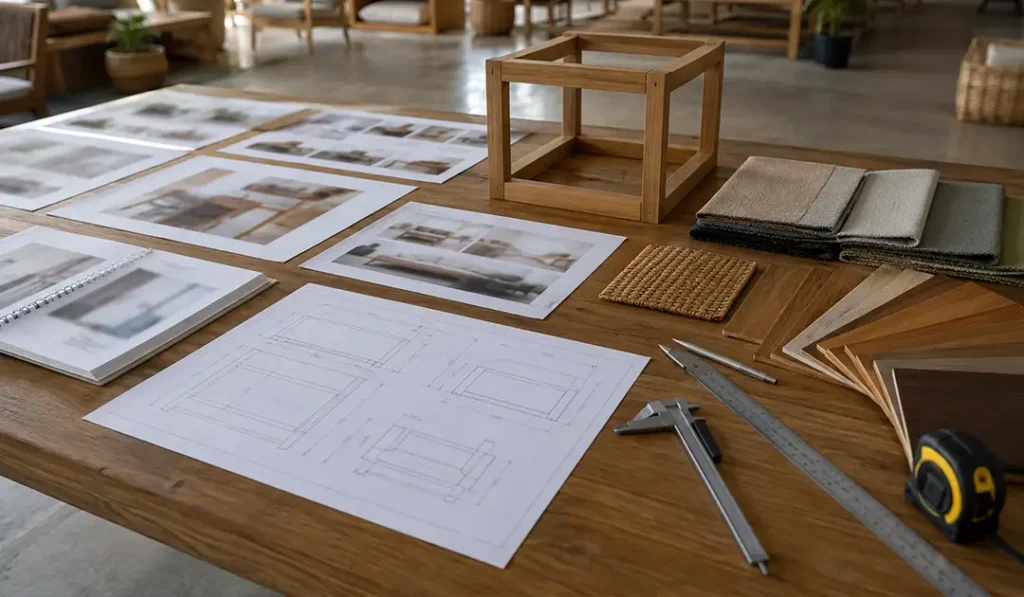
A technical brief helps the manufacturer translate your design idea into more accurate quotations, sampling, production planning, packaging, and shipping details.
When a buyer sends only mood images, rough references, or a simple sketch, the manufacturer still needs to confirm many details before moving forward. This may include material, dimensions, finishing, cushion details, hardware, packaging, and other product elements.
Based on MPP Furniture’s experience, our team has received buyer requests that started with only a sketch. Before making the sample, we had to prepare a 3D render, create the technical drawing, review material options, and confirm several details with the buyer to avoid making the wrong sample.
In short, his gives both sides one clear reference before quotation or sampling starts.
What a Custom Furniture Technical Brief Should Include
A strong technical brief should explain the product from both the design side and the business side. It should not only answer “what does it look like?” It should also answer “how will it be used, sold, packed, shipped, and reordered?”
1. Collection Concept and Usage Context
Start by explaining the product category, style direction, target customer, market position, and usage context.
For example, are you developing a premium outdoor lounge collection, a compact apartment dining range, or a resort-style bedroom collection?
State whether the furniture is for indoor or outdoor use, residential or commercial use, retail sale, or project installation. These details affect material choice, construction strength, finishing, cushion specification, and packaging.
A product for a private home does not always need the same structure as furniture for a hotel, restaurant, or high-traffic retail project. When the use case is clear, the manufacturer can suggest a more practical construction method.
2. Technical Drawing, Dimensions, and Functional Requirements
If you already have technical drawings, include them in the brief. If not, start with basic dimensions and clear reference images.
At minimum, include width, depth, height, seat height, arm height, table height, cushion thickness, and any specific ergonomic needs. For storage products, include drawer depth, shelf spacing, door opening direction, and hardware needs.
Also, explain functional requirements. Should the chair stack? Should the table be knock-down? Should the sofa be modular? Should the lounger have adjustable positions? These details can change production cost and packaging size.
For custom furniture development, small measurement changes can affect comfort, proportion, container loading, and material waste. That is why dimensions should be written clearly, not only shown in images.
3. Material, Finish, and Decorative Details
Material direction is one of the most important parts of the brief. It helps the manufacturer choose options that match the design, use case, and production method.
List the preferred wood type, such as teak, mahogany, sungkai, mindi, or mixed materials with rattan, rope, metal, upholstery, or synthetic weaving. If you are unsure, describe the look, use case, and target price, so the manufacturer can suggest suitable options.
For more details on customization options, you can refer to MPP’s guide on what you can customize in Indonesian wood furniture.
4. Certification, Compliance, and Quality Standards
If your market requires specific certification or compliance documents, mention them in the technical brief from the start. This may include FSC, BSCI, or SVLK, depending on your buyer requirements, sourcing policy, and destination market.
You should also explain the quality standard expected for the product and packaging. For example, state whether the product needs an impact test, drop test, or packaging test based on ISTA standards.
When the requirement is clear early, the manufacturer can review whether the design, material, finishing, and packaging are suitable for the expected test or inspection method.
5. Target Price, MOQ, and Order Plan
A technical brief should include business details, not only design details.
Share your target price range, expected MOQ, trial order plan, and container order plan. This helps the manufacturer suggest a realistic production route.
For example, if the target price is tight, the factory may suggest a simpler construction, an alternative material, or a more efficient packing method. If the collection is planned for long-term reorder, the manufacturer may advise a more stable material and production method from the beginning.
This is also useful for Indonesia furniture import planning. Order volume, carton size, loading method, and packaging style can affect landed cost.
If you are still reviewing sourcing partners, working with experienced Indonesian furniture suppliers can help you understand how export packing, MOQ, and production planning work together.
6. Packaging, Shipping, Labeling, and Confidentiality Notes
Packaging should be part of the brief because it affects product safety, freight cost, and warehouse handling.
Include whether you need knock-down packing, assembled packing, retail-ready carton, barcode labels, carton marks, palletizing, hang tags, care cards, or private label packaging. If your warehouse has special receiving rules, state them early.
For private label or OEM projects, add confidentiality notes. If the design is exclusive, write it clearly. If the manufacturer cannot show the product in a catalog, showroom, website, or trade fair, mention that in the brief and support it with a written agreement.
For a deeper guide, read MPP’s article on how to protect custom furniture designs in Indonesia.
How a Clear Brief Helps Manufacturers Develop Better Samples
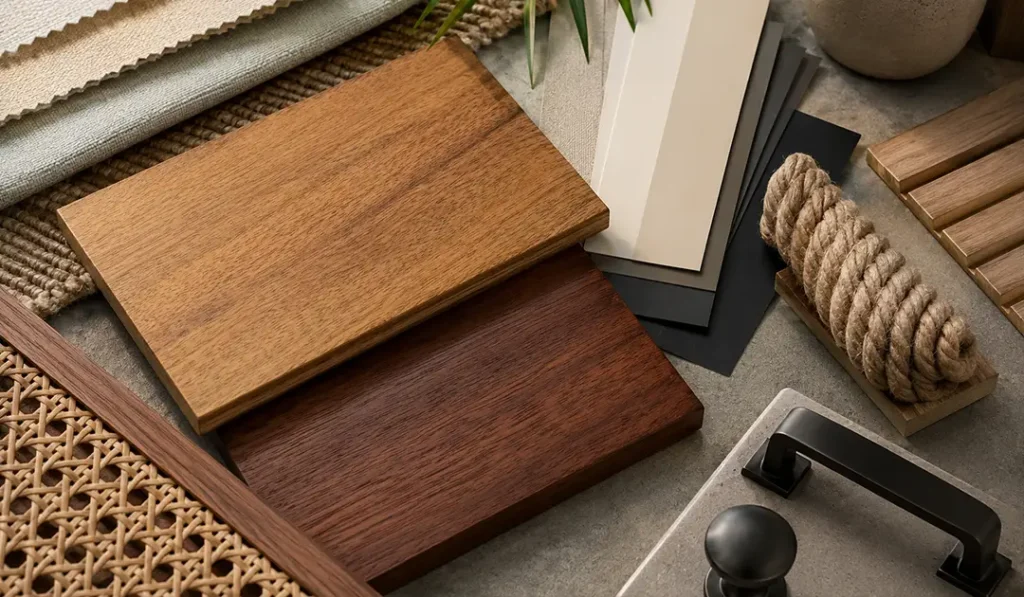
Sampling is where the design becomes a real product, so the manufacturer needs one clear reference before making it. A good technical brief helps the factory check proportion, comfort, construction, finishing, cushion details, and function based on agreed information, not guesswork.
It also supports more accurate costing because the manufacturer can review material use, labor, hardware, finishing, packaging, and production difficulty from the same document. If revision is needed, both sides can compare the sample against the brief and update the correct version before moving to bulk production.
Keep a revision log after sampling. Record what changed, when it changed, who approved it, and which version is final.
You can also read MPP’s guide on the custom furniture development process for outdoor collections to see how design review, sampling, feedback, and adjustment work before production.
How to Organize Your Technical Brief Before Sending It
A good technical brief should be easy to read. The manufacturer should not need to search through many emails, chat messages, and image folders to understand the project.
Use a simple structure:
- Cover page: brand name, project name, collection name, contact person, and date.
- Collection overview: concept, target market, use case, indoor or outdoor direction.
- Product list: item name, item code, quantity plan, and priority level.
- Product specification table: dimensions, material, finish, cushion, hardware, and function.
- Reference images: moodboard, style reference, detail reference, finish reference.
- Technical files: CAD, 3D render, sketch, or measured drawing if available.
- Pricing and order plan: target price, MOQ, sample plan, trial order.
- Packaging and labeling: carton marks, barcode, private label, care label, and packing method.
- Quality and approval: tolerance, inspection method, and approved sample reference.
- Revision log: version number, date, change note, and approval status.
Send the brief as one PDF or one shared folder with clear file names. This small habit reduces confusion. It also helps the manufacturer share the right file with design, costing, sampling, production, and QC teams.
Why Work With a Manufacturer That Understands Technical Briefs
Not every supplier reads a technical brief the same way. Some only look at product images and price. A stronger manufacturing partner will review the brief from design, construction, material, cost, production, packaging, and export points of view.
This matters because custom furniture development needs both creativity and production discipline. A product must look good, but it also needs to be stable, repeatable, export-ready, and commercially realistic.
MPP Furniture supports buyers through free consultation, free product development, and exclusive custom design services. As an Indonesian custom furniture manufacturer, MPP combines handcrafted production, advanced machinery, and quality control at each stage to help buyers move from design idea to delivery with fewer problems.
MPP also reports a 99% client satisfaction rate and a 0.56% complaint ratio, which reflects the value of clear communication, detailed production control, and careful finishing.
Final Thoughts: A Better Brief Creates a Better Custom Furniture Collection
A technical brief is not extra paperwork. It is a practical tool that helps your custom furniture manufacturer understand your product, price target, market needs, and production expectations.
For retail brands, a good technical brief keeps the product direction, cost target, sample approval, and production plan aligned from the start.
Before sending your next custom furniture inquiry, prepare your concept, dimensions, materials, finishes, target price, MOQ, packaging, labeling, and confidentiality notes in one organized document.
Planning a brand collection from Indonesia?
Talk with MPP Furniture to review your technical brief, sample plan, material direction, and production needs before development starts.
FAQs: Custom Furniture Technical Briefs
1. What is a technical brief for custom furniture?
A technical brief is a document that explains how a custom furniture product should look, function, be made, priced, packed, shipped, and approved before production.
2. Do I need technical drawings before contacting a custom furniture manufacturer?
No, not always. You can start with reference images, basic dimensions, target use, material direction, expected quantity, and target price. Technical drawings can be refined during development.
3. What should buyers include in a custom furniture technical brief?
Buyers should include collection concept, usage context, dimensions, materials, finishes, functional needs, quality standards, target price, MOQ, packaging, labels, shipping needs, and confidentiality notes.
4. Why does a technical brief affect quotation accuracy?
A quotation depends on dimensions, material, construction, finish, cushion, hardware, quantity, packaging, and shipping needs. Missing details force the manufacturer to make assumptions.
5. Should I include NDA and design ownership notes in the brief?
Yes. For OEM, private label, or exclusive collections, include confidentiality notes, design ownership terms, and limits on how the manufacturer may use or show the design.

Hi, I’m Salman, founder of MPP Furniture, an Indonesian furniture manufacturer serving global retailers and project-based clients.
I began my career in my family’s export-oriented furniture company, gaining hands-on experience in production, construction, finishing, material performance, and product development. With a clear understanding of how international buyers evaluate furniture quality and reliability, I founded MPP Furniture to deliver export-ready products with consistent standards.
Here, I share insights from the perspective of a furniture manufacturer working directly with production teams on the factory floor, focusing on manufacturing and supplier evaluation.
Connect on LinkedIn
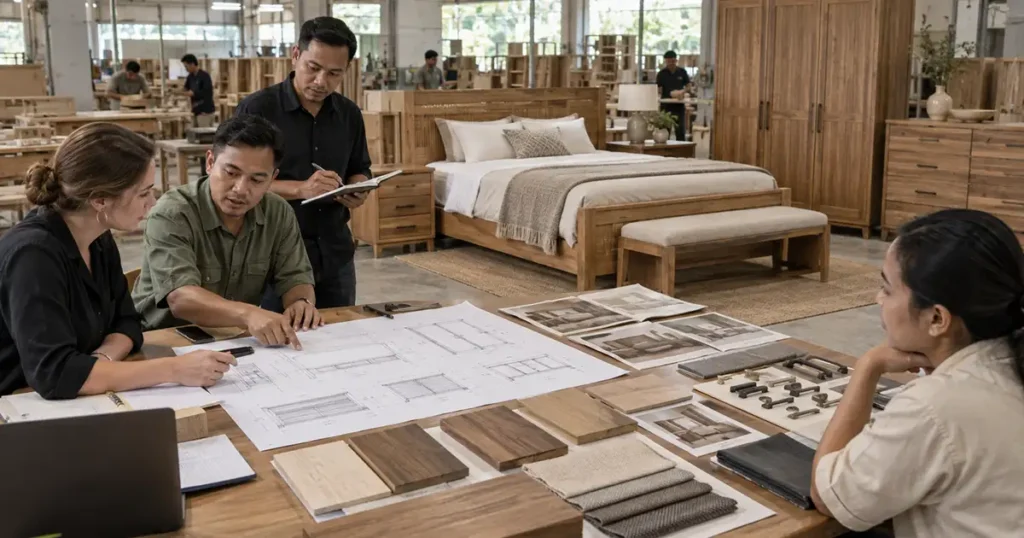
0 Comments