Sungkai wood furniture can help retailers build light, modern indoor collections with a White-Oak-inspired look at a more practical material cost.
Sungkai is not White Oak, and it should not be presented that way. But with the right finishing target, approved swatches, and controlled production, its light color and clean grain can support Japandi, Scandinavian, minimalist, and modern furniture collections.
At MPP Furniture, we saw this clearly in May when a U.S. retailer first requested White Oak for an indoor collection. After reviewing our Sungkai sample, the retailer approved Sungkai because the color direction, surface feel, structure, and cost fit the collection plan better.
This article explains how retailers can use Sungkai for indoor collection planning, how finishing controls the final look, and why sample approval matters before bulk production.
Why Retailers Are Looking for Light Wood Indoor Collections
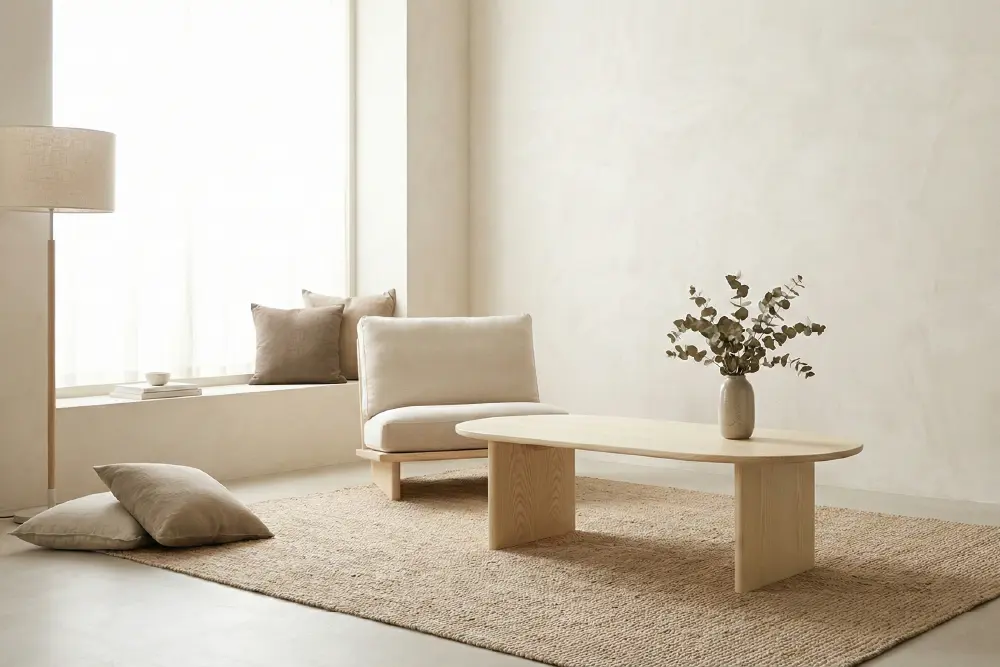
Light wood furniture matches what many customers want today: calm interiors, clean lines, natural texture, and soft color palettes.
White Oak is often used for this look because it feels bright, clean, and modern. But for indoor collections, White Oak can be expensive and harder to source at stable pricing. This can put pressure on margin, retail price, and repeat orders.
This is where Sungkai wood furniture becomes useful. It gives retailers a light wood direction with a more practical cost structure, while still supporting a premium indoor look when the finishing is controlled well. For retailers sourcing from an Indonesian furniture manufacturer, Sungkai can be a practical material to discuss for indoor collections that need light color, clean grain, and repeatable production.
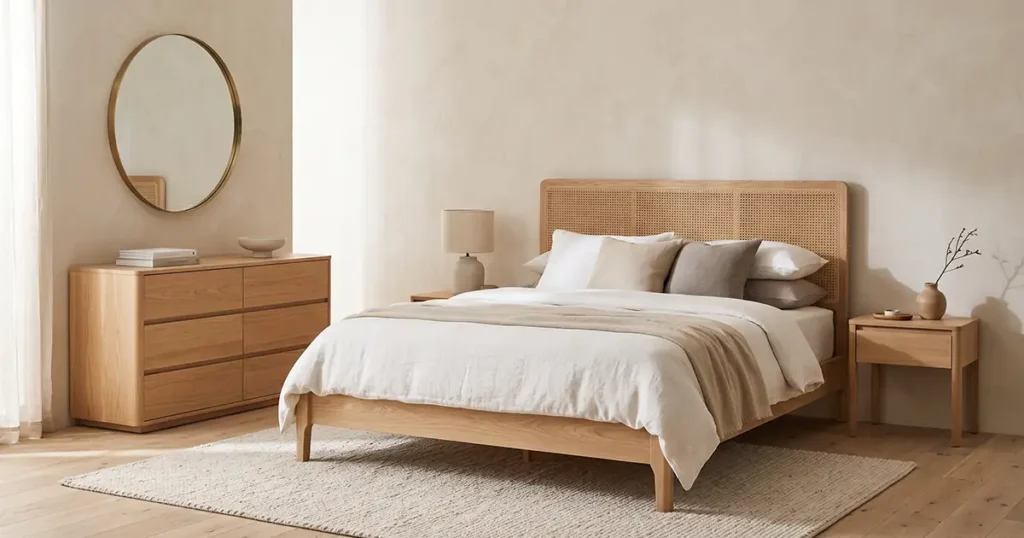
Retailers also need more than one good product. They need repeatable SKUs such as dining chairs, dining tables, sideboards, consoles, coffee tables, nightstands, and bed frames that can sit together in one collection. With the right finish, construction, and quality control, Sungkai can support that plan.
What Makes Sungkai Wood Furniture Suitable for Indoor Programs
Sungkai wood furniture works well for indoor programs because it balances visual appeal, production value, and price control.
Its pale yellow to light brown color and clean grain make it easy to adapt into modern, Scandinavian, Japandi, coastal, and minimalist collections.
For retailers, this matters because customers want furniture that looks refined and natural, but still fits a realistic budget. Sungkai helps create a warmer, lighter wood look without pushing the collection into a high-end material cost.
It also works across dining, bedroom, and living room categories, so retailers can build one connected product story instead of selling disconnected items. With controlled production, Sungkai can support repeatable indoor retail programs.
Retailers who want more context can read MPP’s guide on Sungkai for indoor furniture collections.
Sungkai Is Not White Oak, But It Can Support a White-Oak-Inspired Look
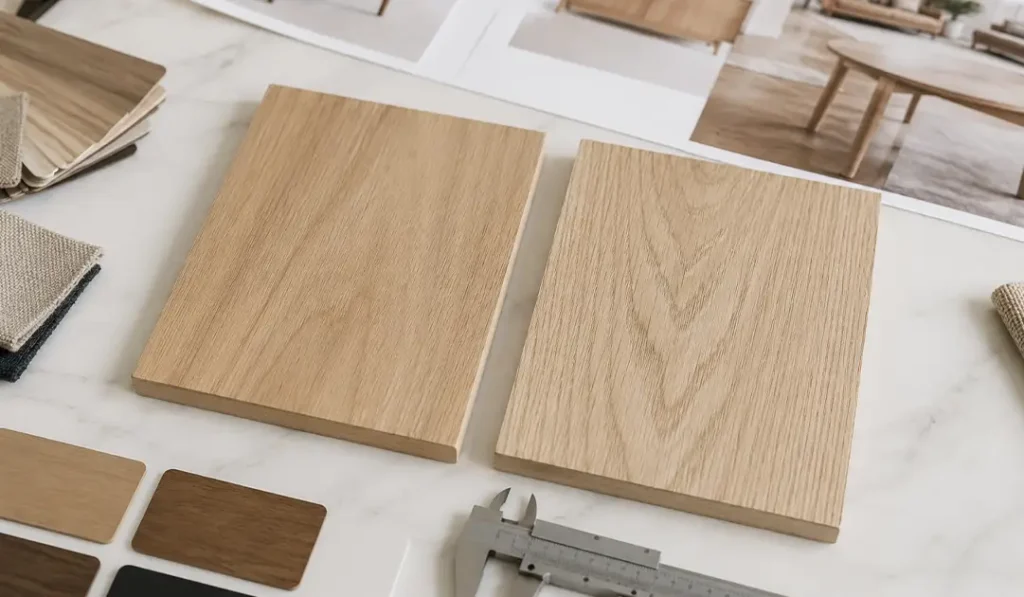
Sungkai and White Oak are different woods. Retailers should not label Sungkai as White Oak because each material has its own weight, density, durability, cost structure, and finishing response.
From MPP Furniture’s sourcing discussions, some retailers mistake Sungkai for White Oak when they judge only by look and touch. This is understandable because Sungkai has a light tone, clean grain, and natural surface feel.
The difference becomes clearer when retailers look beyond appearance. White Oak is generally heavier, denser, and more durable, but it also comes with a much higher material cost than Sungkai. For a deeper material comparison, MPP explains how Sungkai compares with White Oak in a separate guide.
With controlled finishing, Sungkai can move close to the bright, modern look many retailers want for White-Oak-inspired indoor collections. A safer way to brief the material is: “We want a White-Oak-inspired Sungkai finish.”
This helps retailers and the manufacturer agree on color direction, grain visibility, surface feel, and final appearance before bulk production.
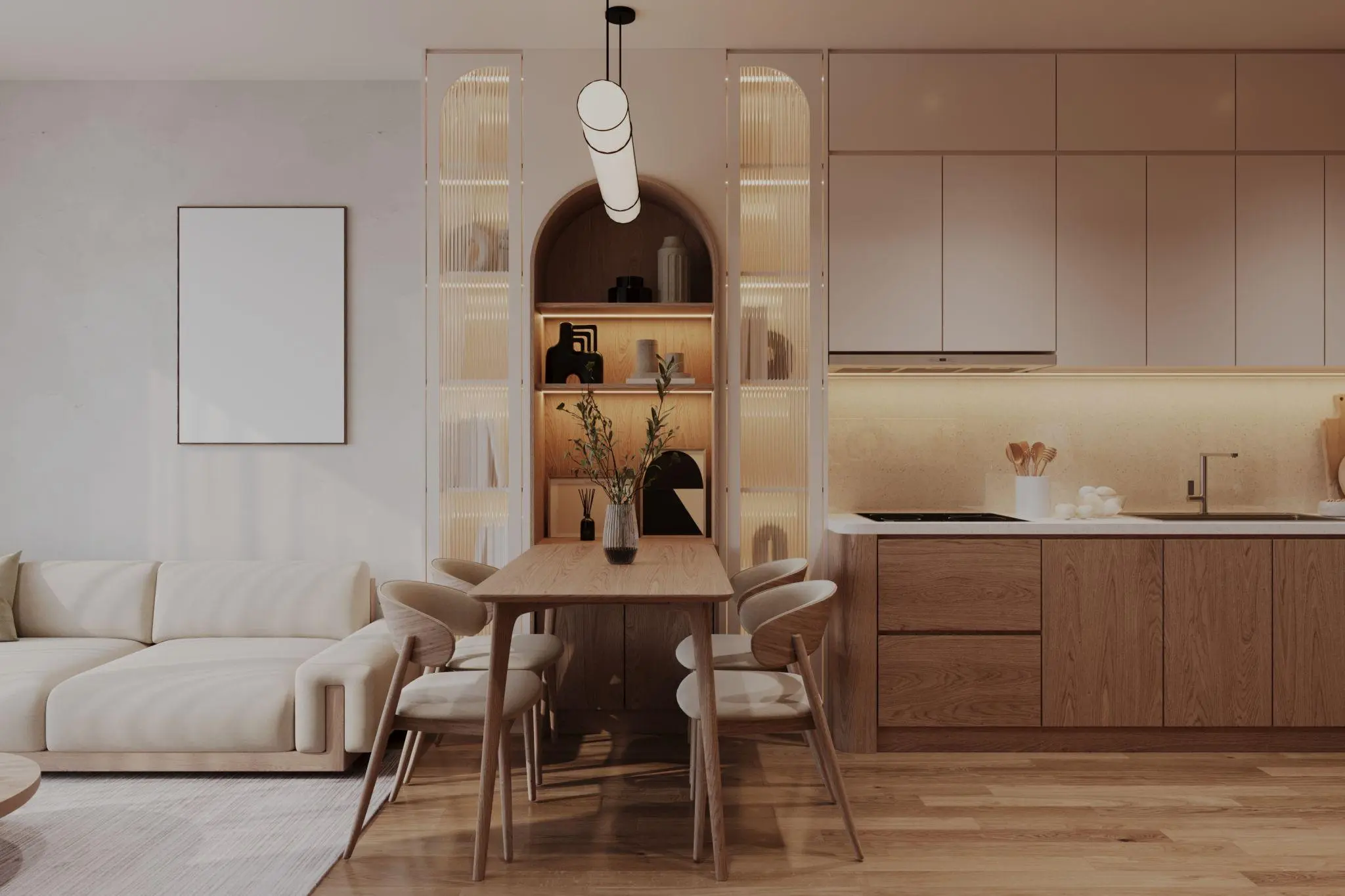
How Finishing Controls Sungkai Wood Color and Grain
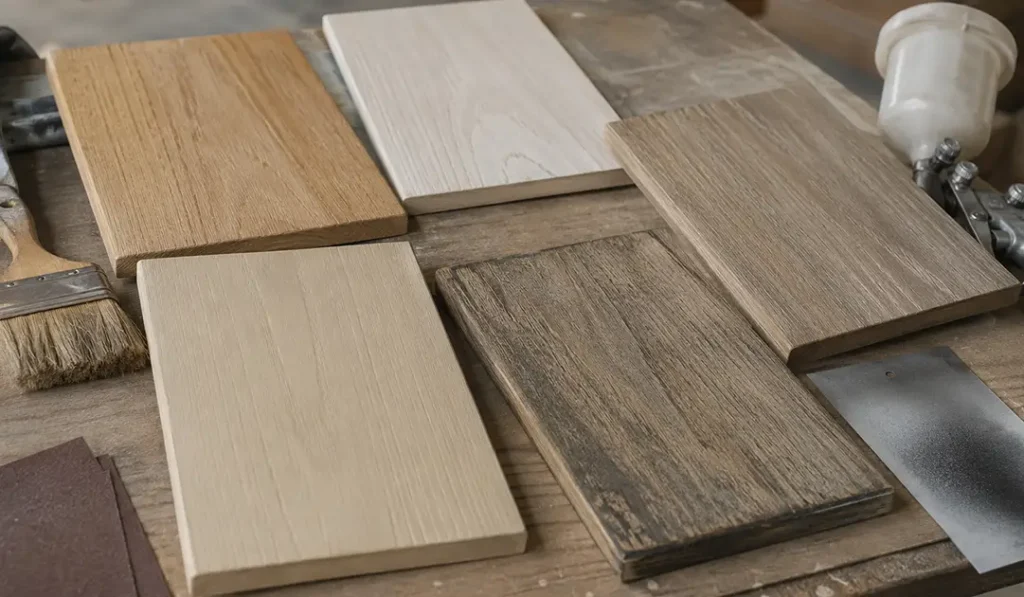
Sungkai wood color is one of its main advantages, but it still needs finishing control. Raw Sungkai often has a pale yellow to warm light brown tone, so the final finish should follow the retailer’s target style.
For Scandinavian collections, retailers may prefer a cleaner, pale tone. For Japandi or organic modern interiors, a warmer finish can work better. For a White-Oak-inspired collection, the finish usually needs to soften the yellow tone, keep the sungkai wood grain visible, and stay matte or low-gloss.
Based on MPP Furniture’s experience, natural and whitewash finishes are common for Sungkai. Reclaimed aged finish is also often requested, especially by several Australian retailers with repeat orders, because it gives the furniture a warmer, slightly aged look while still feeling modern.
Because finish terms can mean different things in sourcing discussions, retailers should not approve a finish only through words or photos. This Woodweb discussion on white-leaded or ceruse finishing supports the same idea: approve a physical swatch or sample before bulk production.
Why Sample Approval Matters Before Bulk Production
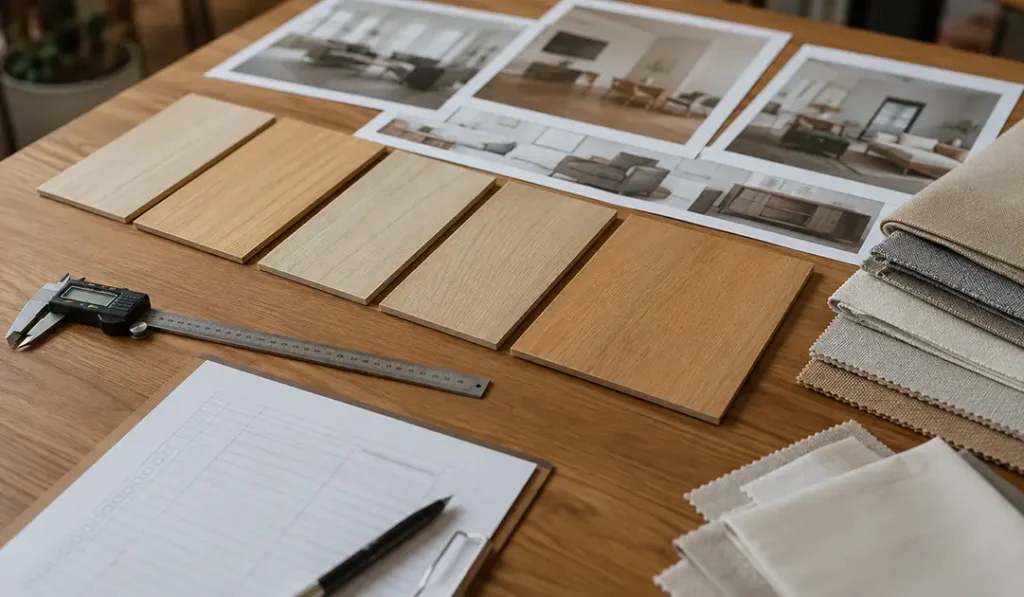
Sample approval is one of the most practical ways to avoid disappointment in custom Sungkai furniture production.
Words like “natural oak,” “whitewashed,” “raw oak,” “reclaimed aged,” and “light beige” can mean different things to different retailers. A photo reference can help, but lighting, camera settings, and screen color can change how the finish looks.
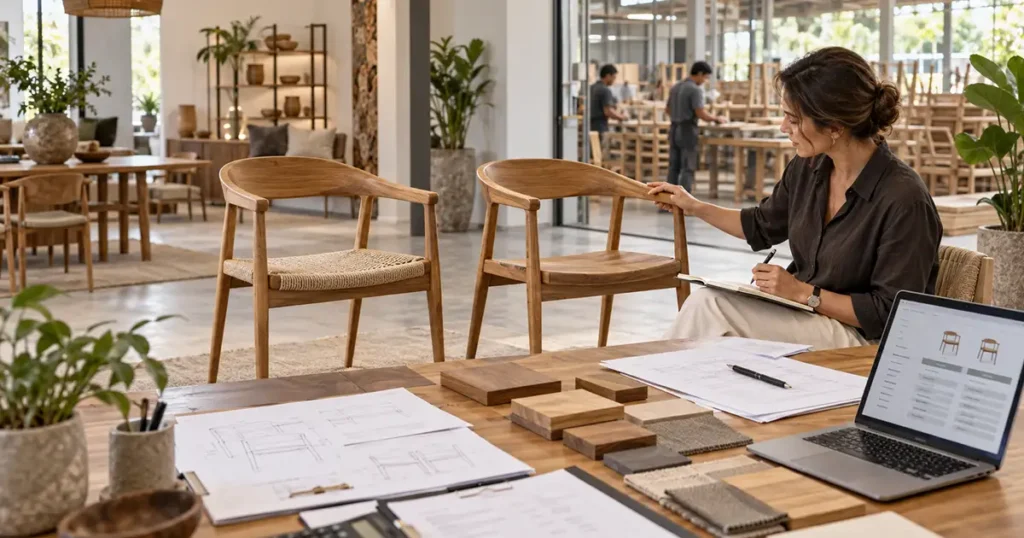
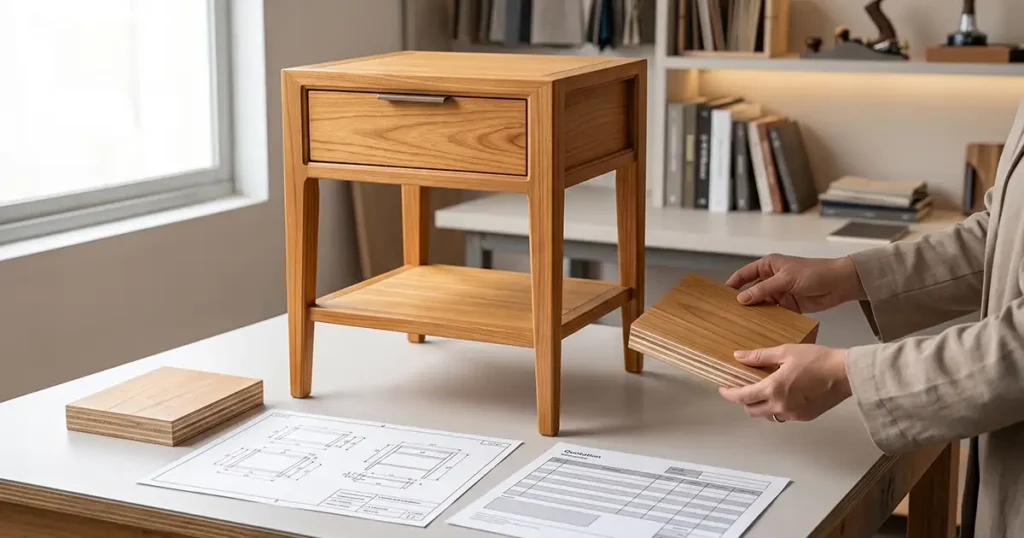
In MPP Furniture’s process, retailers usually share a product reference, finish reference, and required size adjustment. MPP then prepares finishing swatches based on that reference, so they can compare the swatch with their own target sample before approval.
Before mass production starts, the finishing team checks the approved swatch again. The finishing mix is controlled carefully so the final color stays aligned with the approved sample.
This process helps both sides. Retailers get a clearer expectation, while the manufacturer has a fixed visual standard to follow during production.
MPP also checks the product through each production stage, from drying and sanding to finishing, assembly, packing, and final inspection. Each stage is supervised by its own QC lead, so issues can be corrected before shipment.
Best Indoor Categories for Sungkai Furniture Collections
Sungkai furniture works best in indoor categories where visual consistency, controlled pricing, and repeat production matter.
For MPP’s Sungkai production, dining chairs are one of the strongest categories. They work well because Sungkai can support clean frames, woven details, upholstered seats, and light wood finishes for Japandi and Scandinavian collections.
Retailers can also use Sungkai for dining tables, sideboards, cabinets, consoles, bed frames, nightstands, and coffee tables. These products can carry the same finish direction, so the whole collection feels connected in-store or online.
MPP has also seen long-term confidence from repeat retailers using this material. One U.S. retailer has repeated Sungkai product orders for more than 15 years, which shows that Sungkai can support long-term indoor retail programs when design, finishing, and quality standards are managed well.
How to Brief a Manufacturer for Custom Sungkai Furniture
Before asking for a custom Sungkai sample, retailers should understand that Sungkai is different from White Oak. The goal is not to make Sungkai become White Oak, but to create a clear White-Oak-inspired visual target.
A good brief should include the target market, product category, finish reference, size adjustment, expected price range, packaging needs, and order plan. These details help the manufacturer develop a sample that fits the retailer’s collection.
For example, “light oak look” is too broad. A better brief would be: “matte muted oak tone, soft beige base, visible grain, no glossy surface, suitable for Japandi dining furniture.”
At MPP Furniture, custom Sungkai furniture development starts from clear communication, finishing swatches, sample approval, and in-house production control. Each product is handcrafted with care, supported by machinery for accuracy, and checked through production stages.
MPP also supports retailers with free consultation, free product development, and exclusive custom design services. Retailers planning a custom Sungkai range can start through MPP’s custom Sungkai furniture manufacturer page.
Conclusion: Use Sungkai as a Smart Visual Strategy, Not a Material Shortcut
Sungkai wood furniture can help retailers build indoor collections with a light, modern, White-Oak-inspired look. It can support a more premium visual direction without the higher material cost of White Oak.
But Sungkai should be positioned honestly. It is not White Oak, and retailers should understand the difference in weight, density, durability, cost, and finishing response before moving into bulk production.
The best results come from a clear finish target, approved swatches, controlled production, and consistent QC. This helps retailers align the final product with their market expectation, whether the collection is Japandi, Scandinavian, minimalist, or modern indoor style.
To discuss a custom Sungkai collection, share your product reference, target finish, size adjustment, and market direction with MPP Furniture. The team can help develop samples and control the approved look through production.
Looking for a light wood indoor collection without using White Oak?
Discuss a custom Sungkai furniture collection with MPP Furniture. Share your product reference, target finish, size adjustment, and market direction, so our team can prepare finishing swatches and develop samples that match your retail plan.
FAQs About Sungkai Wood Furniture for Indoor Collections
1. Is Sungkai wood furniture the same as White Oak furniture?
No. Sungkai and White Oak are different woods. White Oak is generally heavier, denser, more durable, and more expensive, while Sungkai offers a lighter visual direction with a more practical cost structure.
2. Can Sungkai wood furniture create a White-Oak-inspired look?
Yes. With controlled finishing, Sungkai wood furniture can create a bright, clean, White-Oak-inspired look for indoor collections. The final result should be approved through a physical swatch or sample before bulk production.
3. Why do retailers sometimes mistake Sungkai for White Oak?
Retailers sometimes mistake Sungkai for White Oak because Sungkai has a light tone, clean grain, and natural surface feel. The difference becomes clearer when they compare weight, density, durability, and material cost.
4. What finishing works well for Sungkai indoor furniture?
Natural, whitewash, muted oak, matte, and reclaimed aged finishes work well for Sungkai indoor furniture. Reclaimed aged finishing is often requested when buyers want a warmer, slightly aged look that still feels modern.
5. Why should retailers approve a Sungkai finish sample before bulk order?
Retailers should approve a Sungkai finish sample because finish terms like “light oak,” “whitewashed,” or “reclaimed aged” can mean different things to different buyers. A physical sample helps confirm color direction, grain visibility, surface feel, and final appearance before production.

A versatile content creator with a strong foundation in product photography and videography, and a comprehensive brand strategy. Capable of creating engaging content to connect consumers and producers, web analytics, and engaging visual content to drive interest and growth for a product or brand.
0 Comments