Many misconceptions about sungkai wood come from wrong applications, unrealistic expectations, or poor manufacturing standards. Sungkai is not the same as teak, and it should not be treated as a fully exposed outdoor wood, but that does not mean it is low-quality or unsuitable for furniture.
In fact, sungkai wood can be a practical material for modern indoor and protected semi-outdoor furniture when it is dried properly, constructed carefully, and finished with the right system. Its light tone, natural grain, and clean visual character make it suitable for minimalist, Japandi, Scandinavian, and contemporary furniture collections.
This article explains the most common sungkai wood misconceptions and the real factors buyers should understand before using it for furniture production.
Why Sungkai Wood Is Becoming More Popular Globally
The global furniture market is increasingly moving toward lighter wood tones and more natural-looking interiors. This is one of the reasons why sungkai wood furniture is becoming more visible in modern retail collections, boutique hospitality projects, and Scandinavian-inspired interiors.
According to Stratistics Market Research Consulting, the Scandinavian design decor market is projected to continue growing through 2032, with an estimated CAGR of 9.12% during the forecast period. This growing preference for minimalist and natural interior aesthetics has increased demand for furniture materials with clean visual characteristics and lighter wood appearances.
Sungkai wood offers a clean and natural visual character that fits well with minimalist and contemporary furniture styles. Its natural grain pattern helps create warm and relaxed interiors without feeling visually heavy.
Another reason for its growing popularity is flexibility. Sungkai is commonly used for dining furniture, bedroom collections, occasional furniture, and custom interior projects because it balances visual appeal, workability, and relatively competitive pricing.
This growing demand also explains why many indonesian furniture manufacturers continue developing modern collections using sungkai wood for export markets.
1. Sungkai Wood Is Low-Quality Wood
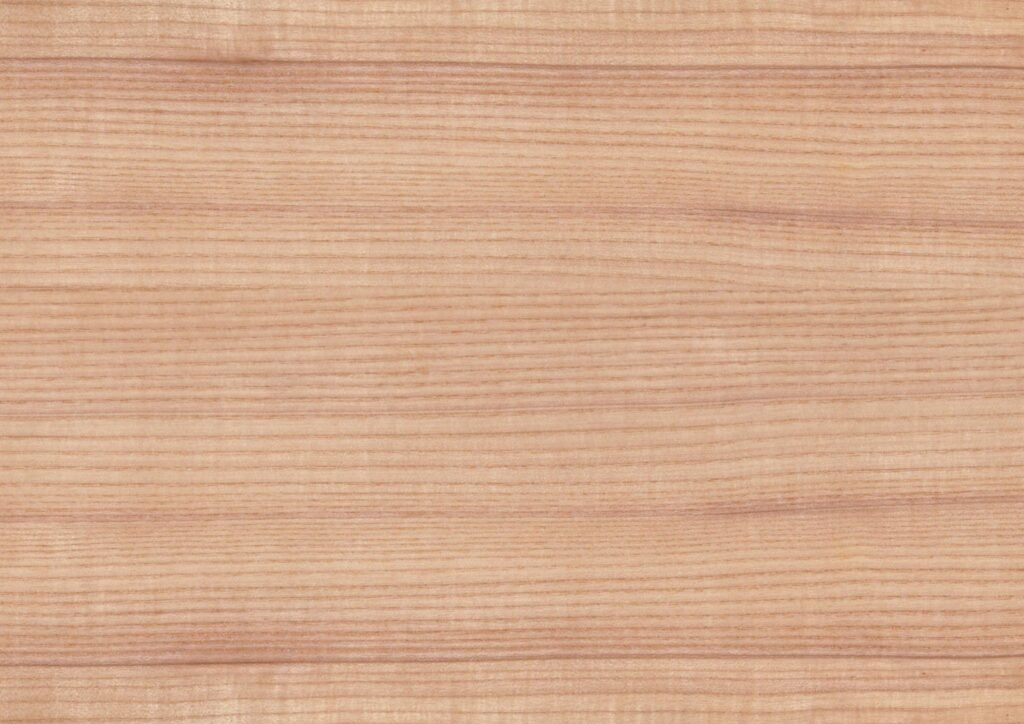
Many people associate sungkai with low-quality wood because of its relatively lighter weight and softer appearance compared to denser hardwoods. In reality, wood quality cannot be judged based on density alone, since furniture performance also depends on application suitability, moisture control, and manufacturing quality.
Sungkai is generally categorized as a medium-density hardwood and is widely used in commercial furniture manufacturing, especially for indoor furniture collections. Its natural grain pattern and lighter visual appearance make it suitable for minimalist and contemporary furniture designs.
For buyers who want to understand the material more deeply, this sungkai wood guide explains its characteristics, common applications, and suitability for furniture production.
2. Sungkai Furniture Cannot Last Long
Many people assume sungkai furniture cannot last long, even though durability is heavily influenced by how the furniture is used, environmental exposure, moisture levels, and production quality.
With proper moisture control, consistent construction, and suitable finishing systems, manufacturers can reduce problems such as wood movement, cracking, or surface instability over time. Well-manufactured sungkai furniture used in indoor environments can remain structurally stable for many years.
Problems usually appear when furniture is used outside its intended application. For example, placing untreated sungkai furniture in fully exposed outdoor areas with constant rain and extreme humidity can accelerate deterioration.
Like many natural wood materials, sungkai performs best when used in the right environment with realistic expectations regarding exposure and maintenance.
Buyers comparing material options for indoor furniture can also review this teak vs sungkai dining furniture guide to understand how both woods differ in appearance, durability, and application.
3. Sungkai Wood Is Only for Cheap Furniture
Another misconception is that sungkai is only used for low-end or budget furniture. In reality, many modern furniture brands intentionally choose sungkai because of its clean aesthetic and compatibility with contemporary interior trends.
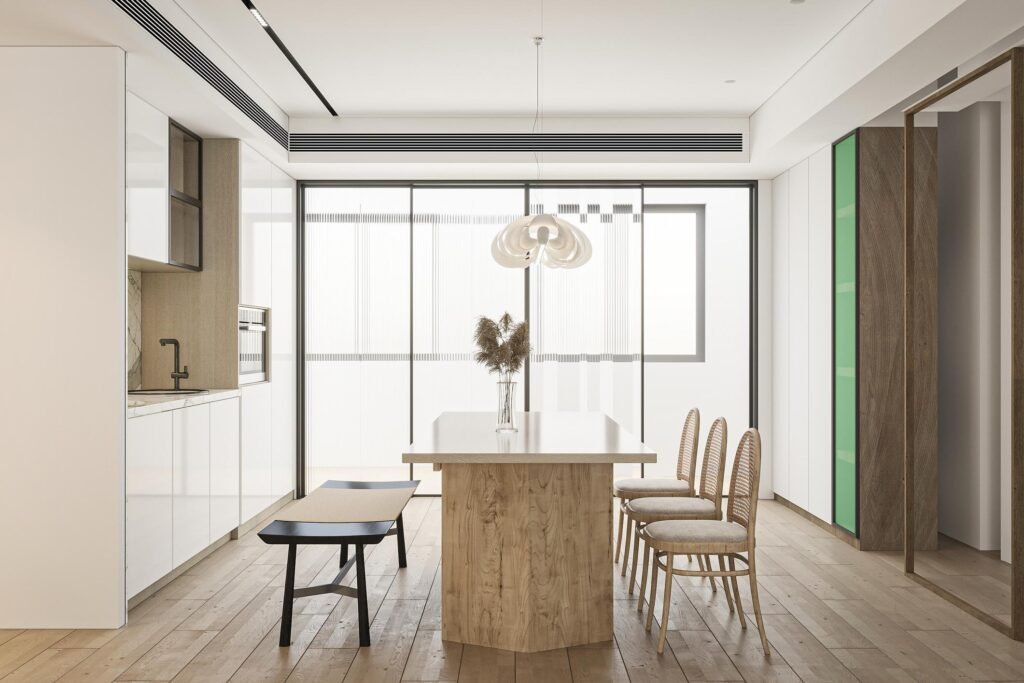
The growing demand for sungkai furniture can also be seen in export markets such as South Africa, Australia, and South Korea, where lighter wood tones and natural-looking interiors continue becoming more popular. Many buyers in these markets prefer furniture that feels visually warm, minimalist, and adaptable to modern living spaces.
The light wood tone of sungkai works especially well for Scandinavian, Japandi, coastal, and minimalist furniture concepts. This is one reason why many designers and boutique hospitality projects continue using sungkai for curated furniture collections.
This design preference is also one reason why many designers choose sungkai wood for modern furniture collections, especially when they want a lighter, warmer, and more adaptable material palette.
4. Sungkai Wood Easily Cracks and Warps in Any Environment
Cracking and warping are often associated with sungkai furniture, but these problems are usually connected to moisture control and production quality rather than the wood species alone.
Wood naturally reacts to humidity changes. When moisture content is inconsistent or the drying process is poorly controlled, wood movement becomes more likely during shipping or long-term use.
This is why kiln drying plays an important role in furniture manufacturing. Proper kiln drying helps stabilize moisture content before production begins, reducing the risk of excessive movement after the furniture reaches different climates.
Storage conditions also matter. Furniture exposed to excessive moisture, poor airflow, or sudden environmental changes can experience stress over time, especially if the finishing system does not provide adequate protection.
In many cases, production consistency determines whether sungkai furniture performs reliably or develops avoidable structural problems later.
5. Sungkai Cannot Be Used for Semi-Outdoor Furniture
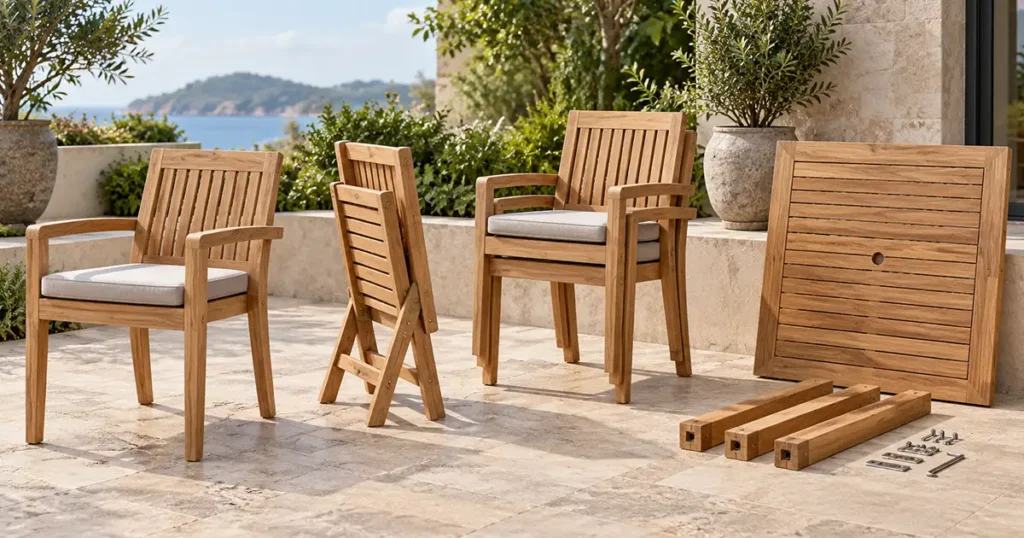
Many buyers assume sungkai furniture cannot be used in semi-outdoor environments at all. In reality, semi-outdoor spaces do not always mean full outdoor exposure, but often refer to covered patios, shaded balconies, or protected hospitality areas with more controlled environmental conditions.
In these environments, sungkai furniture can still perform relatively well when supported by proper finishing systems, controlled moisture exposure, and good production standards. Airflow, reduced standing water, and limited direct weather exposure all play important roles in maintaining furniture stability over time.
According to Prospects and Utilization of Tropical Plantation Trees, sungkai wood is more vulnerable to physical and biological deterioration under high moisture exposure, particularly from fungal attacks caused by higher moisture absorption.
This is one of the reasons why sungkai is generally considered more suitable for indoor furniture rather than fully exposed outdoor applications. However, with proper application, controlled exposure, and appropriate manufacturing systems, sungkai can still be used for certain protected semi-outdoor furniture applications.
6. All Sungkai Furniture Has the Same Quality
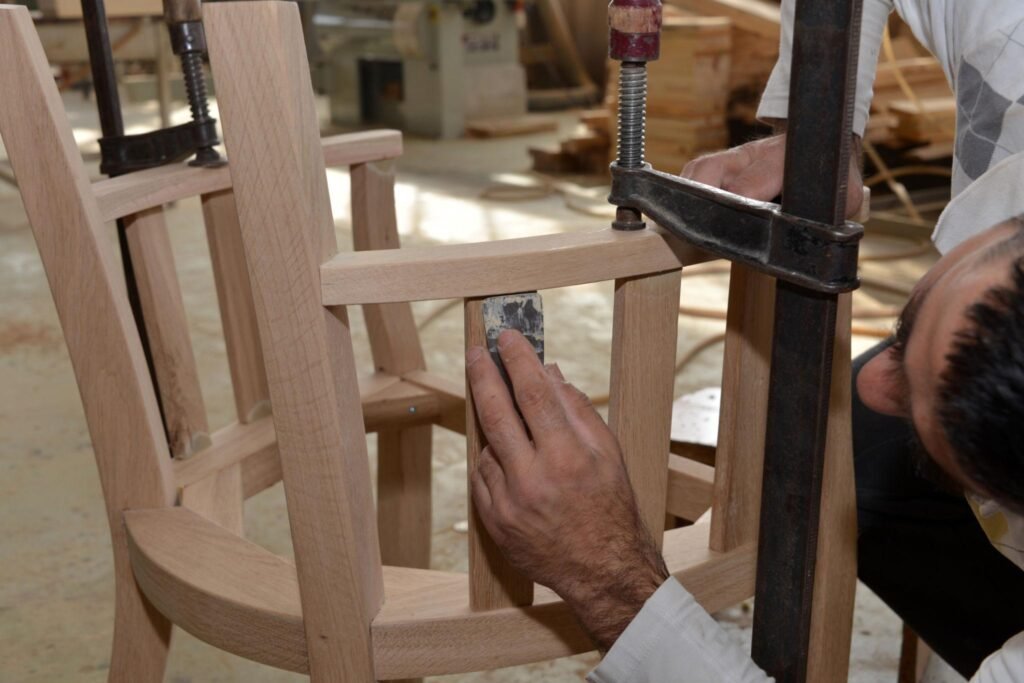
One of the biggest misconceptions is assuming all sungkai furniture offers identical quality simply because the same wood species is used. In reality, manufacturing standards create major differences in long-term performance.
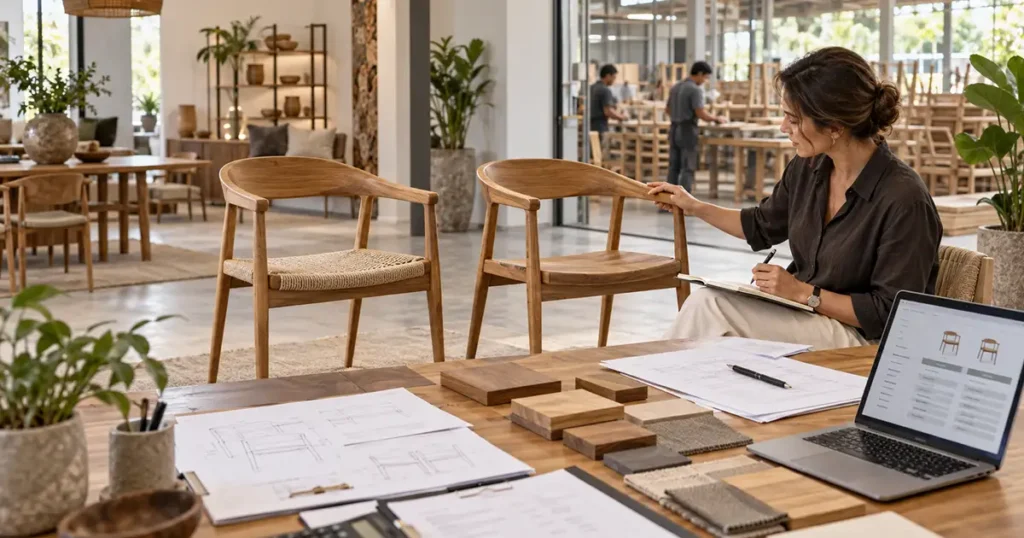
Kiln drying consistency, joinery strength, sanding quality, finishing systems, and quality control procedures all influence how furniture performs over time. Two products made from sungkai can behave very differently depending on how they were manufactured.
This is why evaluating the manufacturer is often more important than focusing only on the wood name itself. Many experienced buyers of indonesian sungkai wood furniture understand that production standards heavily influence furniture consistency and durability.
Conclusion
Sungkai is not a perfect wood material, but it is also far from being a cheap or unusable furniture wood. Many negative perceptions come from wrong applications, unrealistic expectations, or inconsistent manufacturing quality.
Like many natural materials, sungkai performs best when used in the right environment and produced with proper construction standards. Buyers should look beyond the wood name and evaluate how the furniture is dried, built, finished, and controlled.
As modern furniture trends continue moving toward lighter and more natural aesthetics, sungkai remains a relevant material for contemporary furniture collections. The key is choosing the right application and working with a manufacturer that understands how to process the material properly.
Planning to develop sungkai furniture for your next collection?
Contact MPP Furniture to discuss material application, finishing options, and production standards for your retail, hospitality, or private label project.
FAQs
1. Is sungkai wood durable for furniture?
Yes, sungkai can be durable for indoor and protected semi-outdoor furniture when manufactured properly and used in suitable environments.
2. Is sungkai wood considered hardwood?
Sungkai is generally categorized as a medium-density hardwood commonly used in commercial furniture manufacturing.
3. Can sungkai furniture crack easily?
Cracking usually happens because of poor moisture control, inconsistent kiln drying, or environmental exposure rather than the wood species alone.
4. Is sungkai suitable for semi-outdoor furniture?
Sungkai can work for covered semi-outdoor areas with proper finishing and controlled exposure conditions.
5. Why is sungkai becoming more popular globally?
Its light natural appearance fits modern interior trends such as Scandinavian, Japandi, and minimalist furniture styles.

0 Comments