Mahogany wood furniture is a strong choice for retailers that want indoor collections with a welcoming and coordinated look. It offers natural visual warmth, smooth finishing, mid-premium perceived value, and product flexibility across several indoor categories.
Mahogany is more than a wood option. With clear material selection, finish approval, and production control, it helps buyers create collections that feel connected and easier to sell.
Why Warm Indoor Retail Collections Matter for Furniture Buyers
From MPP’s experience, retailers usually do not source one product alone. They plan groups of SKUs that need to work together in a showroom, catalog, retail website, or container mix.
Wood tone still plays an important role in indoor retail because it affects how customers feel when they see a collection. Softer brown tones can make a room feel more welcoming and pair well with fabric, rattan, leather, rugs, lighting, and neutral wall colors. The Belysse 2025 Trend Report also connects interior materials, colors, and textures with emotional connection.
For retail customers, the first reaction is often visual. A dining table may sell because it feels inviting. For buyers, this makes the sales story clearer.
Why Mahogany Works Well for Warm Indoor Furniture
Mahogany works well for indoor furniture because it has a soft brown base tone, smooth grain, and a polished natural look. Its reddish-brown character helps dining tables, cabinets, sideboards, consoles, and bed frames feel more valuable in a retail setting. The Wood Database notes that mahogany heartwood can range from pale pinkish brown to darker reddish brown, and the color tends to darken with age.
Based on MPP Furniture’s production experience, buyers often choose mahogany because the material can gain deeper visual character over time. In one project, a French buyer requested mahogany furniture with a warmer color direction, and MPP explained that finishing can guide the tone from the start, while natural patina develops gradually through indoor use.
From a retail planning view, mahogany sits in a useful mid-premium position. It can look more elevated than many entry-level indoor woods, but it does not usually reach teak-level pricing. This makes it suitable for buyers who want a better-tier collection without moving into a luxury material range.
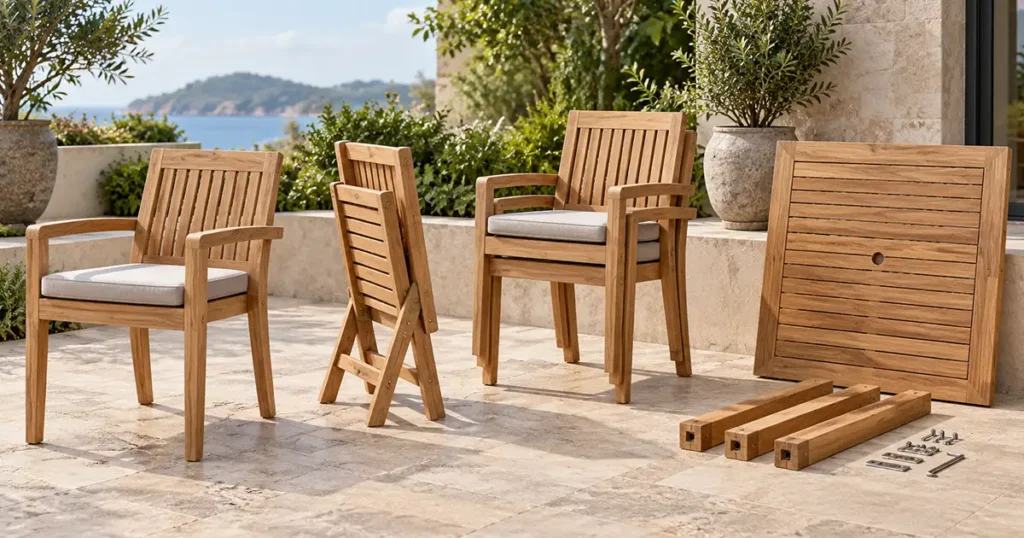
Mahogany also gives buyers finish flexibility, from Natural Clear and Light Walnut to Red Mahogany and Salak Brown. Still, buyers should remember that mahogany is not teak. It performs best for indoor furniture, or in carefully protected semi-outdoor areas with the right finishing. For better control over wood selection, finish direction, and production consistency, buyers can work with an experienced Mahogany Furniture Manufacturer.
How Mahogany Adds Perceived Value and Collection Cohesion
Perceived value is not only about the material price. It is also about how the furniture looks when customers see the full range together.
From MPP’s experience, mahogany’s reddish-brown tone, smooth grain, and clean finishing result help products such as dining tables, cabinets, consoles, sideboards, and bedroom furniture look polished and visually consistent.
For retailers, mahogany is not only a material choice. It can become a collection strategy because one strong wood tone can connect different product categories into one cohesive indoor furniture range.
With the right finish direction, product proportions, and category planning, mahogany can help retailers build collections that look more valuable, easier to merchandise, and suitable for mid-premium markets.

Finishing Directions Buyers Can Consider for Mahogany Furniture
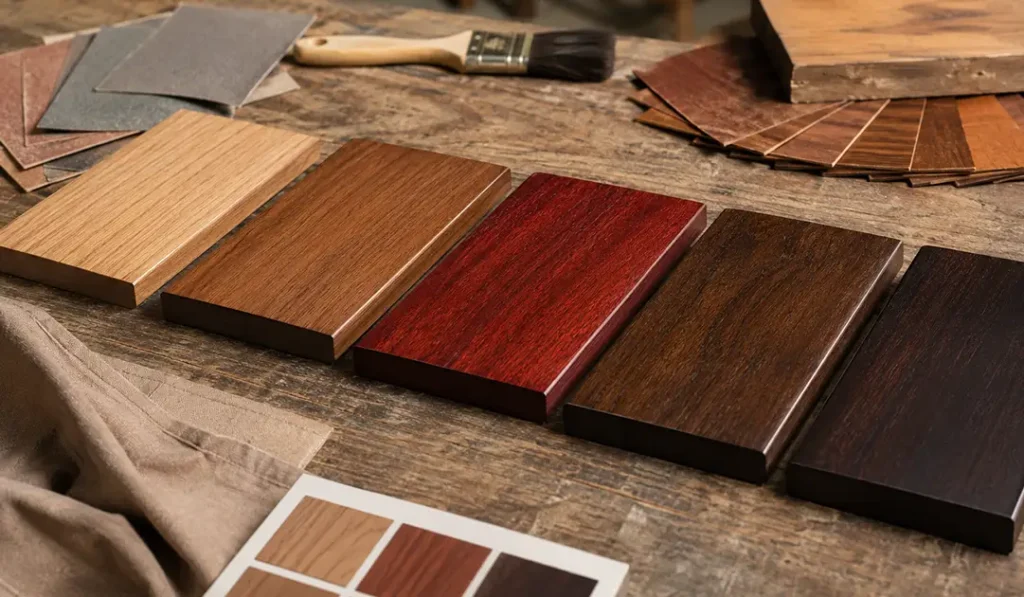
A mahogany furniture finish should be decided before sampling starts. Without a clear finish direction, the same wood can look too red, too dark, too pale, or too different between batches.
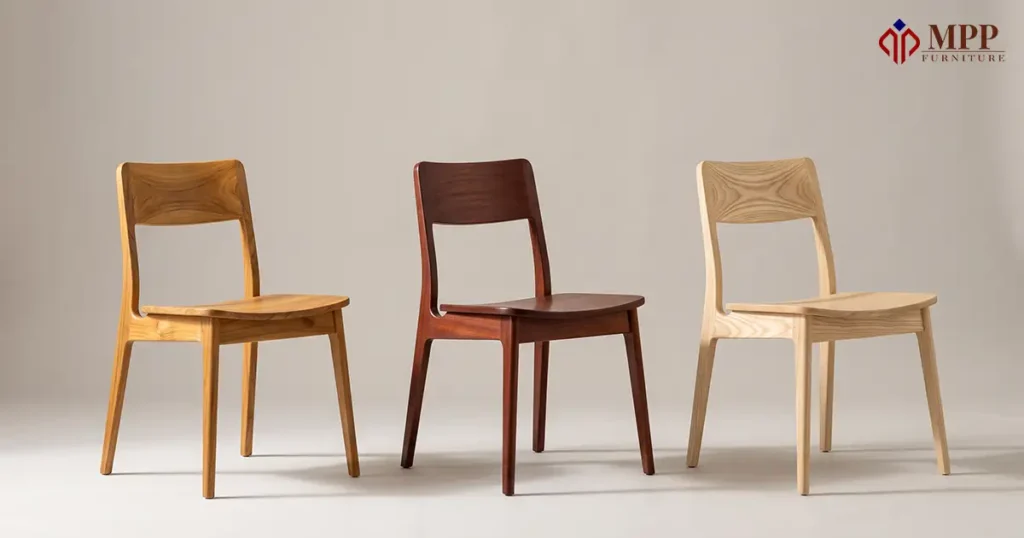
From MPP’s buyer requests, the most common mahogany finish tones include Natural Clear, Light Walnut, Red Mahogany, and Salak Brown. Each tone supports a different retail mood, so buyers should match the finish with the collection story before approving samples.
Natural Clear or Light Walnut Finish
Natural Clear and Light Walnut work well for buyers who want a softer and lighter indoor collection. This direction suits modern dining sets, bedroom furniture, consoles, media units, and accent furniture.
Buyers should be careful with very bright color requests. If the tone moves too far from mahogany’s natural character, the product may feel less valuable. A better approach is to approve a swatched sample before bulk production.
Red Mahogany or Salak Brown Finish
Red Mahogany and Salak Brown fit classic indoor collections. These tones suit formal dining furniture, cabinets, desks, sideboards, and bedroom ranges.
This direction gives mahogany a richer indoor look. It also matches how many customers imagine mahogany furniture: reddish-brown, mature, and settled.
MPP’s mahogany wood furniture patina article explains this aging process in more detail.
Darker Satin Finish
A darker satin finish works well for boutique retail lines, executive desks, formal dining rooms, and statement cabinets. It can make mahogany look more formal without hiding its natural character.
Still, buyers should avoid making the finish too dark. A very heavy stain can hide the grain and make the surface look flat. The best darker finish should still show depth, smoothness, and controlled color consistency.
Best Indoor Product Categories for Mahogany Wood Furniture
Mahogany wood furniture is strongest in indoor categories where smooth finishing, visible surfaces, and wood tone matter.
| Product Category | Recommended Mahogany Products | Why It Works |
|---|---|---|
| Dining furniture | Dining tables, dining chairs, benches, sideboards | Wide surfaces show the finish clearly, so color consistency matters. |
| Bedroom furniture | Bed frames, nightstands, wardrobes, dressers, vanity tables | Mahogany helps create a calm and connected bedroom range. |
| Living and accent furniture | Consoles, display cabinets, coffee tables, media units, shelves | These pieces add natural warmth across living rooms and retail displays. |
| Office and project furniture | Desks, meeting tables, storage units, wall-side cabinets | Mahogany gives professional spaces a softer indoor feel. |
From a collection planning view, buyers can use mahogany across different indoor categories without losing visual consistency. For wider indoor range planning, MPP’s indoor furniture collection page can help show how indoor products can be grouped for retail or project needs.
What Can Make Mahogany Furniture Look Less Premium
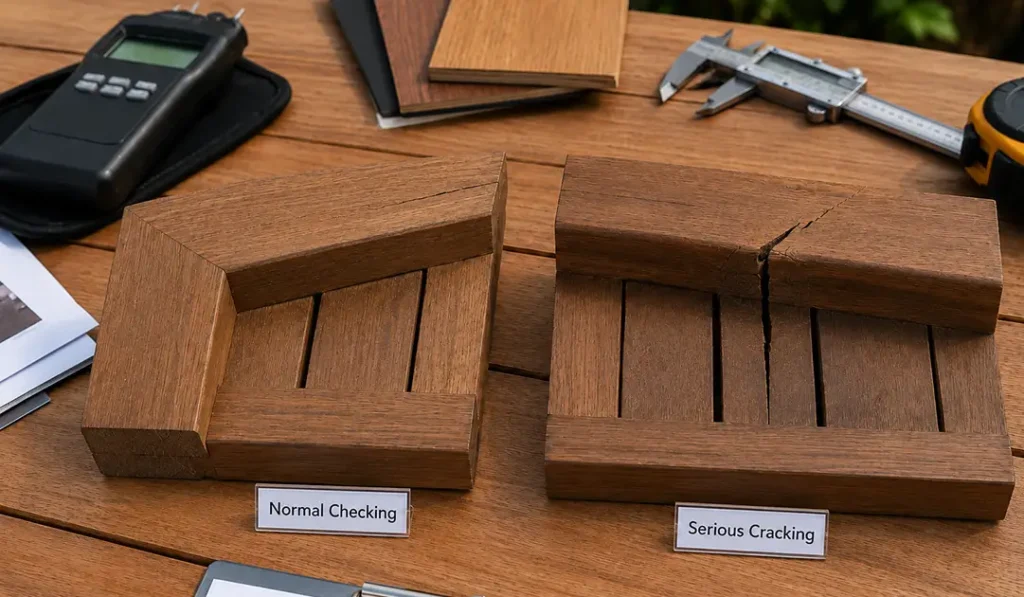
Mahogany can lose its appeal when buyers make poor sourcing decisions before production starts. Common issues include treating mahogany like teak, placing it in open outdoor areas, ignoring the drying process, or choosing a finish only because it looks bright or trendy.
From MPP’s experience, buyers should remember that mahogany performs best indoors. For mahogany indoor furniture, MPP usually targets 10%–12% moisture content to help reduce movement risk before the products reach the buyer’s market.
Finish and color control also matter. If the color is too light, too red, too dark, or not approved through a swatched sample, the collection may look uneven. Buyers should also check termite treatment or wood protection proof, because durability confidence affects how customers judge quality after purchase.
What Buyers Should Check Before Sourcing Mahogany Indoor Furniture
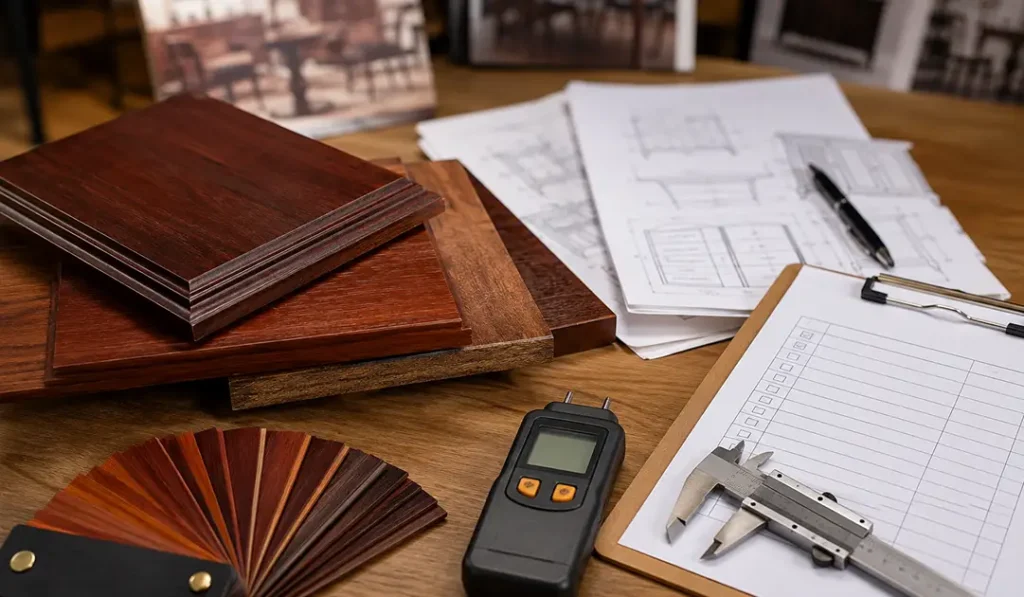
Before sourcing mahogany indoor furniture, buyers should check three areas: material, finish, and production control. These checks help reduce color mismatch, wood movement, weak construction, and after-sales issues.
Start with wood selection. Ask about species, grade, grain direction, color range, defect tolerance, termite treatment proof, and legal wood documentation such as SVLK when needed. SVLK helps buyers confirm that Indonesian wood is legally sourced and traceable for export documentation. For MPP indoor mahogany furniture, the usual moisture content target is 10%–12% to support stability, fit, and finishing results.
Next, confirm the finish process before mass production. MPP usually asks buyers to approve a swatched sample first, then controls the finishing material mix and checks color at each finishing stage. This helps keep the approved tone more consistent across bulk production.
Construction and shipment checks also matter. Buyers should review joinery, hardware, sanding, assembly, packing, and pre-shipment inspection. For more context about how production control affects furniture quality, buyers can read MPP’s direct factory furniture production article.
Why Source Mahogany Furniture from an Experienced Manufacturer
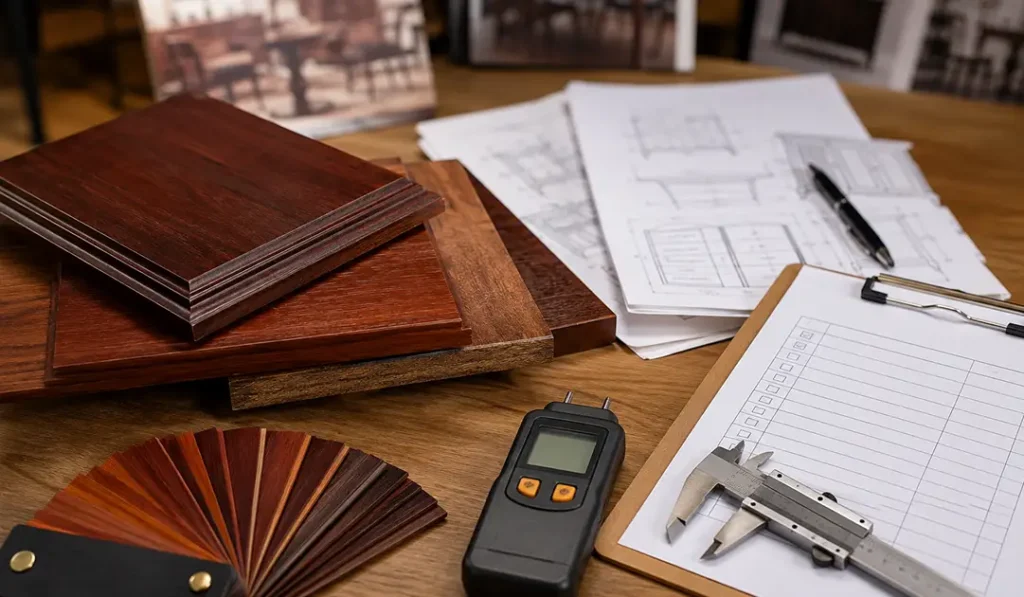
Mahogany furniture quality depends on more than raw material. The final result depends on drying, cutting, joinery, sanding, finishing, inspection, packing, and repeat-order control.
A factory with in-house production can manage approved finish samples, color mixing, sanding quality, finishing stages, and inspection before products are shipped.
One real example came from a US buyer who wanted mahogany furniture with a warm color direction. The buyer sent a color reference at the start, then MPP prepared a factory swatched sample for confirmation. After approval, MPP used that sample as the reference for bulk production.
From a manufacturer’s view, warm mahogany should be approved through swatched samples before bulk production. This process matters because “warm mahogany” can mean different things to different buyers.
For retailers, importers, and distributors looking for an Indonesian Furniture Manufacturer, MPP supports this process through handcrafted wooden furniture, advanced machinery, strict QC, free consultation, free product development, custom design, OEM, and private label services.
Final Thoughts: Mahogany Can Build Warm Indoor Collections with Long-Term Value
Mahogany wood furniture is a strong option for buyers that want indoor collections with mid-premium appeal. Its soft brown tone, smooth grain, and flexible finish response make it suitable for dining furniture, bedroom furniture, cabinets, consoles, desks, and accent pieces.
But mahogany works best when sourcing is planned properly. Buyers should confirm indoor placement, moisture content, finish direction, swatched samples, color consistency, termite treatment proof, construction details, and legal wood documentation before mass production starts.
From MPP’s experience, mahogany is most successful when buyers treat it as a collection material, not just a single product material. With the right finish tone, product mix, and factory control, mahogany can help retailers build indoor ranges that look coordinated, sellable, and ready for long-term retail programs.
Ready to Plan Your Mahogany Furniture Collection?
Build a warm indoor collection with mahogany furniture that supports visual appeal, finish consistency, and long-term retail value.
FAQs About Mahogany Wood Furniture for Indoor Retail Collections
1. Is mahogany wood furniture good for indoor retail collections?
Yes. Mahogany wood furniture is a strong choice for indoor retail collections because it offers warm color, smooth finishing, and mid-premium value across dining, bedroom, living, office, and accent furniture.
2. What finish works best for mahogany furniture?
The best finish depends on the collection direction. Natural Clear and Light Walnut work well for softer modern interiors, while Red Mahogany and Salak Brown fit warmer classic collections.
3. Can mahogany furniture be used outdoors?
Mahogany should not be used in open outdoor areas like teak. It is strongest for indoor use, or carefully protected semi-outdoor areas with the right finishing and care.
4. What moisture content should buyers check for mahogany furniture?
For MPP indoor mahogany furniture, the usual moisture content target is 10%–12%. This helps reduce wood movement risk and supports better finishing results.
5. How does MPP control mahogany furniture color consistency?
MPP confirms a swatched sample with the buyer before mass production, controls the finishing material mix, and checks color at each finishing stage during production.

A versatile content creator with a strong foundation in product photography and videography, and a comprehensive brand strategy. Capable of creating engaging content to connect consumers and producers, web analytics, and engaging visual content to drive interest and growth for a product or brand.

0 Comments