Choosing wood furniture finishes for 2027 is not just about following trends. Retailers face a harder question: which finishes will actually sell, and which could leave valuable warehouse space filled with slow-moving stock?
Recent High Point market trends point toward warmer browns, richer grains, and more expressive wood surfaces. But a finish that attracts attention in a showroom does not automatically deserve a full retail collection.
The real challenge is deciding what to keep, what to introduce, and what to test. This guide helps buyers turn emerging wood furniture finish trends for 2027 into smarter assortment and manufacturing decisions.
What Retailers Can Read From High Point Market Before the Fall Show Opens
Fall High Point Market runs October 17–21, 2026, offering buyers an early view of emerging 2027 furniture directions. Since the show has not opened yet, this guide uses signals from recent markets and should be updated after the event.
Spring 2026 coverage highlights warmer palettes, burl wood, textured surfaces, and natural materials mixed with rattan. These directions suggest growing design interest in richer wood character rather than uniform, cool-gray furniture.
However, showroom popularity is not the same as retail demand. Before adding a trending finish to your assortment, compare it with existing sell-through, customer preferences, and your target price range.
There is also a manufacturing challenge. Terms like "warm walnut" and "natural oak" describe a visual direction, but they are not precise production specifications.
Four Finish Families Worth a Place in 2027 Assortments
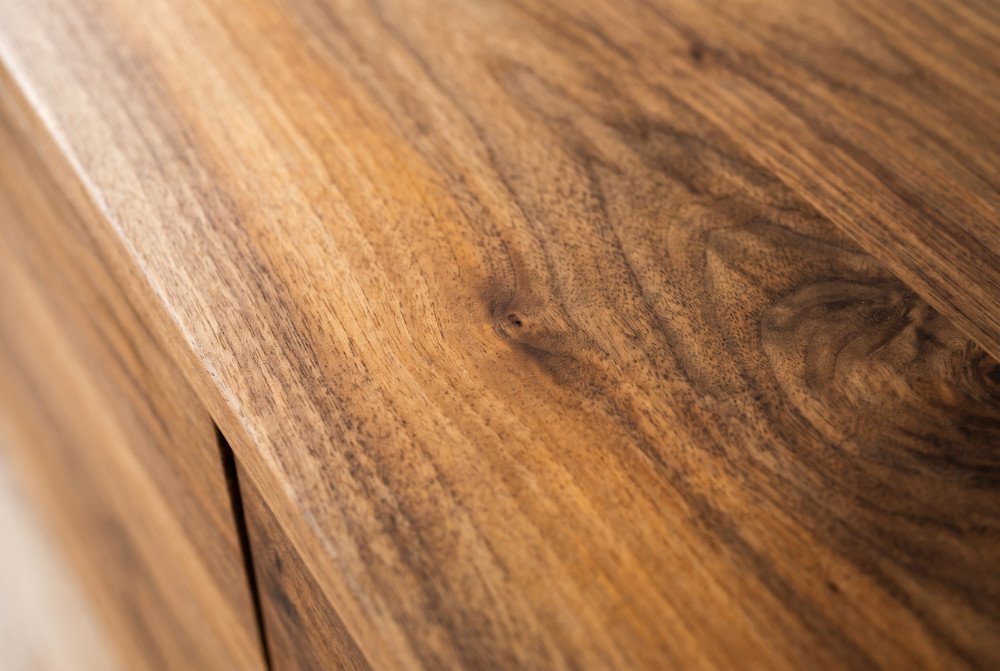
Not every trending finish deserves equal shelf space. These four families offer different opportunities depending on your customers, product categories, and inventory strategy.
Natural and honey tones as the low-risk core
The era of cool, grey-washed woods and opaque painted finishes is officially making way for authentic timber. Consumers increasingly view natural, visible grain as a timeless investment rather than a fleeting trend. This cultural shift makes honey and warm blonde tones the safest anchor for your core assortment, as their approachable warmth translates seamlessly across dining, living, and bedroom collections.
For retailers already selling light wood furniture, the opportunity is refinement rather than replacement. Slightly warmer undertones or softer satin finishes may refresh an existing collection without changing its identity. However, achieving this look efficiently requires matching the finish with the right material.
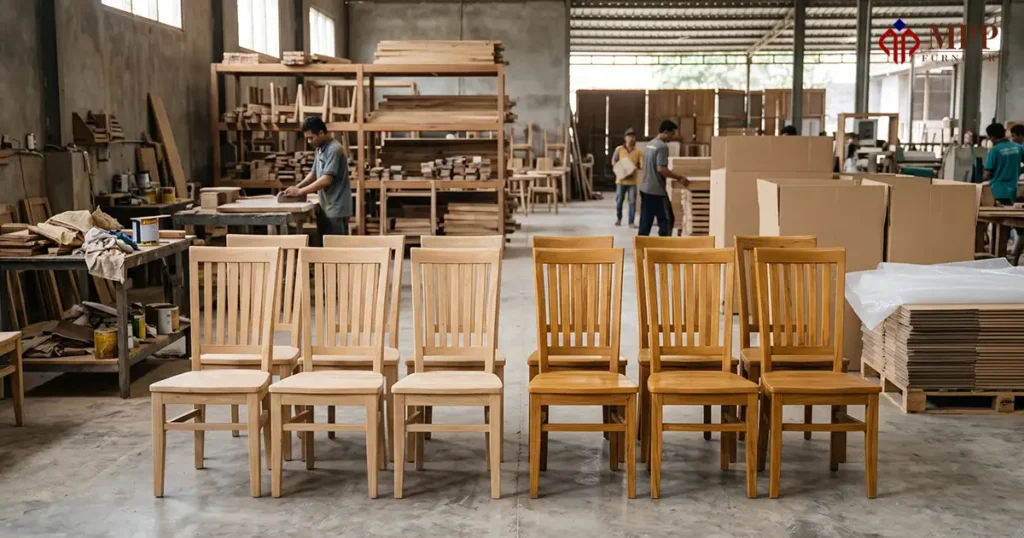
During a July 2026 development project at MPP, an Australian buyer initially requested teak for indoor dining chairs. After reviewing their target retail price and the lighter natural appearance they wanted, we explored Sungkai, which the buyer ultimately preferred after sampling. The takeaway is to evaluate the desired finish alongside the wood species and price positioning, rather than choosing each separately.
These finishes also pair comfortably with woven materials. For inspiration across dining and living categories, explore MPP's indoor furniture collection and consider which natural finishes could connect several product groups.
Walnut and deeper browns as the main growth finish
Walnut-inspired browns are strong candidates for expanding a 2027 assortment. Recent market introductions feature warm medium-brown finishes, while deeper tones offer contrast against lighter upholstery and interiors.
For retailers, walnut finish furniture can offer a richer appearance without requiring every product to use actual walnut timber. But the wood species, grain, and stain application still determine the final result.
Deeper brown collections can also borrow inspiration from mahogany. For a closer look at rich wood colors and modern finishing approaches, read our guide to mahogany interior design.
Dark, ebonized, and black finishes as selective statement pieces
Dark wood furniture offers contrast and a distinctive showroom presence. Ebonized cabinets, black dining chairs, and dark accent tables can help a collection stand apart from lighter ranges.
However, these finishes deserve selective placement rather than an automatic full rollout. They may suit design-led customers better than retailers whose sales depend on light, flexible furniture.
Dark finishes also have an established place in luxury interiors. For another application of this direction, see how dark Wabi Sabi influences luxury hospitality design.
Hand-finished, textured, and visible-grain looks as a differentiator
Burl, textured grain, and dimensional wood surfaces have appeared prominently in recent High Point reporting. They give retailers an opportunity to offer furniture with more individual character.
To maximize this individual character, your production brief must specify the correct sheen level. The 2026 default for modern luxury is a soft matte or satin finish, as full matte reads organic while high gloss dates much faster. A low-gloss application between 0 to 40 percent also helps hide minor scratches and preserves the tactile nature of textured wood.
Hand-finished looks can work particularly well on consoles, sideboards, and occasional tables. However, the extra visual detail may require more careful sampling and finishing controls.
The aim is not simply making furniture look handmade. It is balancing handcrafted character with enough consistency that customers recognize the same finish across a collection.
How to Split Your Finish Mix Between Core, Trend, and Test
A promising finish does not need to appear across every SKU immediately. Retailers can reduce inventory exposure by separating their assortment into three groups.
| Assortment role | Illustrative allocation | Finish direction |
| Core | 65% | Proven natural and honey finishes |
| Trend | 25% | Walnut and deeper browns |
| Test | 10% | Ebonized, burl, and textured looks |
These percentages are a planning example, not an industry sales benchmark. Adjust them using your sales history, margins, stock turnover, and customer demand.
For new finishes, start with a limited order across selected products. A successful console or dining chair can justify expanding that finish into related categories later.
Also, avoid introducing too many finishes per wood species. Each additional variation may complicate MOQ requirements, production scheduling, and mixed-container planning.
Finish Risks to Check Before You Commit
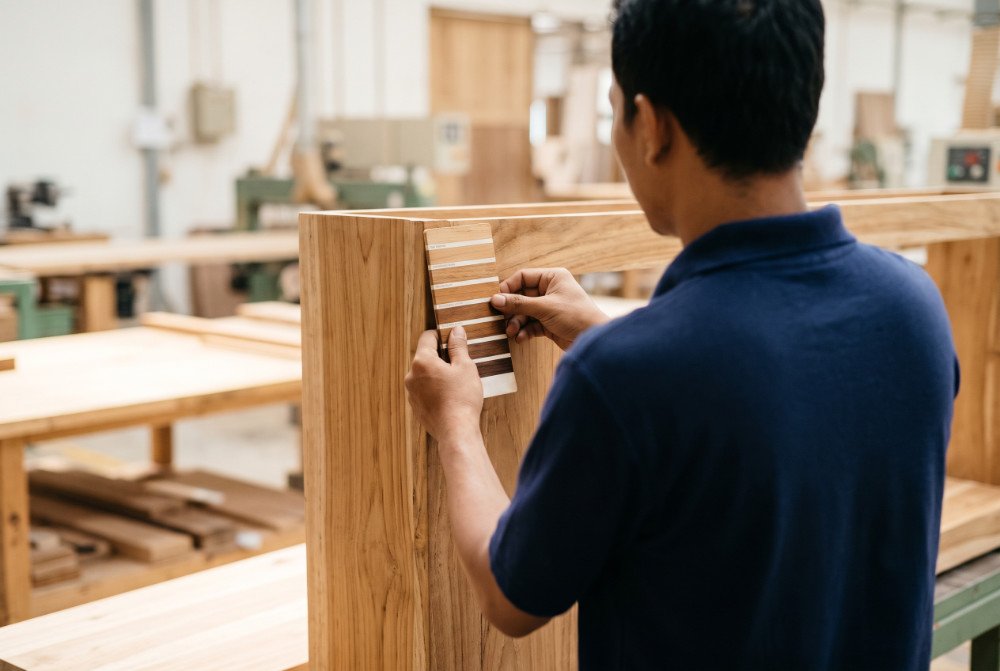
Recent e-commerce benchmarks reveal that furniture suffers a painful average return rate of 22.7%. This metric is especially dangerous for retailers because the reverse logistics of shipping back a bulky dining table can easily cost more than the product's actual profit margin. To prevent these profit-killing returns, your finish decisions must work beyond a showroom photograph. Managing the following production risks upfront is your best defense against inconsistent containers and mismatched customer expectations.
The same finish name looks different on different wood species
A walnut stain applied to teak will not look identical on Mindi or Sungkai. Each species has its own base color, grain pattern, and absorption characteristics. In our development work at MPP, labels such as “natural” or “walnut” are a starting point, not a finished specification. We assess the proposed finish on the timber chosen for the product, checking the resulting warmth and grain visibility.
For buyers, this means approving a material-and-finish combination rather than choosing a color name in isolation. For more information about species characteristics and finishing options, read what retailers should know about Mindi wood for indoor furniture.
Dark finishes reveal grain quality and surface defects instead of hiding them
Dark stains can make uneven sanding, scratches, and grain differences more noticeable, especially under showroom lighting. Black finishes may also show dust, handling marks, or surface imperfections.
Ask your manufacturer to demonstrate the finish on full-size components rather than relying on small swatches. This makes it easier to judge grain, texture, and surface quality.
Color can drift between the first order and repeat orders
A beautiful first shipment means little if the next container arrives noticeably lighter or darker. Natural timber variation, staining methods, and finishing conditions can all influence the result. In our sampling work at MPP Furniture, we do not approve a brown, walnut, or tobacco finish from a color name alone.
The same target tone can shift noticeably when the base wood species changes or natural variations occur between batches, so we develop and approve the finish on the actual production material. From there, we continually compare production samples with approved physical references and review of acceptable variations before bulk production. This helps both parties work toward a consistent result without expecting natural wood to look perfectly identical.
What to Ask a Manufacturer Before Approving a 2027 Finish
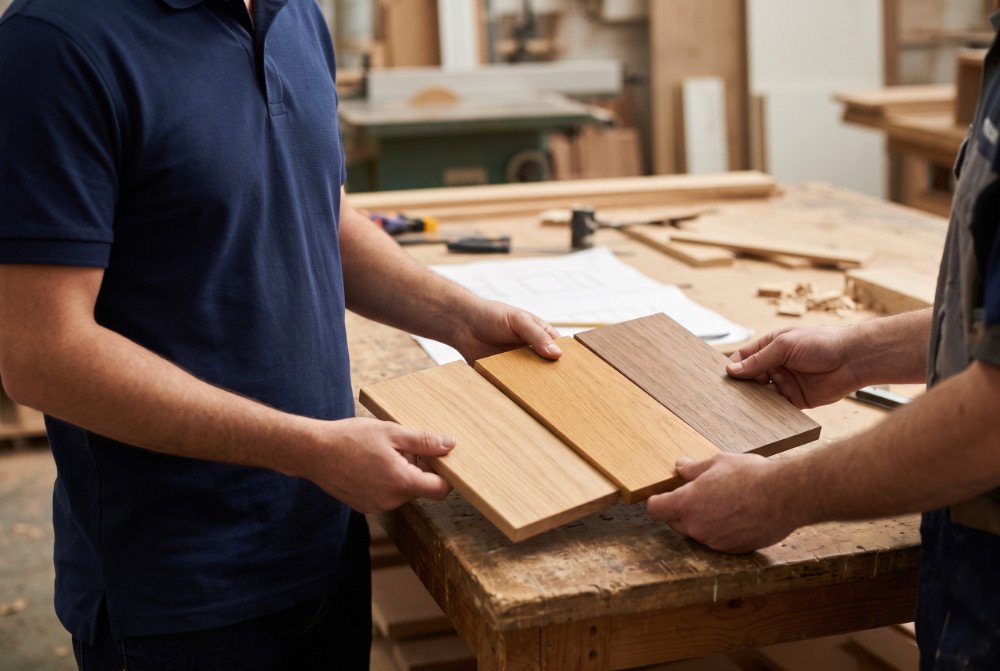
Before confirming a purchase order, your finish brief should answer five practical questions:
- Can the manufacturer provide finish samples on the exact wood species being ordered?
- What color, grain, and sheen variation will be accepted in production?
- How are approved references checked against repeat production batches?
- How long will custom finish development and sample approval take?
- Can different finishes and product categories share one container without creating MOQ problems?
Beyond color matching, your factory brief should clearly dictate the finish chemistry. Penetrating hardwax oils are currently dominating high-end pieces because they leave a tactile, natural surface that perfectly aligns with the visible-grain trend. Conversely, specify clear polyurethane only when maximum daily protection is required, ensuring the protective film sits cleanly on top of the wood.
Written specifications and physical samples should support each other. A color name alone is rarely enough to communicate the intended appearance.
For collections combining wood and woven materials, finish approval needs another check. Our guide to matching wood finish and rattan tone for indoor dining chairs explains why buyers should assess both materials together before production.
At MPP Furniture, our custom development process combines handcrafted detailing, in-house production, and quality checks at each stage. Buyers preparing exclusive collections can also learn about our custom furniture manufacturing services before submitting their design and finish requirements.
Final Thoughts: Key Takeaways Before You Lock In Your 2027 Finishes
Wood furniture finish trends for 2027 point toward natural warmth, richer browns, and expressive surfaces. But retailers should treat these directions as buying opportunities, not guaranteed sales results.
Build your assortment around proven core finishes, introduce promising trends selectively, and test unfamiliar looks before committing larger quantities. Most importantly, approve each finish on the actual wood species with a written acceptable tone range.
Planning early also gives your manufacturer time to develop samples and make adjustments without disrupting production deadlines.
Frequently Asked Questions: Sourcing Wood Finishes for 2027
1. What are the most popular wood finish trends for 2027?
The market is decisively shifting away from cool, gray-washed woods and opaque paints. For 2027, the focus is on authentic timber featuring natural honey tones, warm walnut browns, visible wood grains, and organic matte surfaces.
2. How should retailers allocate their furniture finish inventory?
To reduce inventory risks, retailers should adopt a three-tier strategy. A recommended baseline is allocating 65% to proven core finishes (like natural tones), 25% to growing trends (like deeper browns), and 10% to test selective statement pieces (like ebonized or textured looks).
3. Why do buyers need to approve finish samples on the exact wood species?
A specific stain will not look identical across different materials. Because every wood species has its own base color, grain pattern, and absorption characteristics, testing the finish on the actual production material is crucial to avoid costly color drifts and high return rates.
4. What is the best sheen level for modern wood furniture?
The 2026/2027 default for modern luxury is a soft matte or satin finish with a 0 to 40 percent gloss level. This low-sheen application often achieved using penetrating hardwax oils creates a natural, tactile surface that highlights the wood's character while hiding minor scratches.
Ready to Lock In Your 2027 Furniture Finishes?
To start planning your next retail assortment with the right wood finishes and materials, explore MPP's indoor furniture collections or contact us to discuss custom, private-label manufacturing.

I am a Web Designer, Technical SEO Specialist, and writer with 6+ years of experience in website optimization and search visibility. For more than a year, I have supported MPP Furniture’s growth, and I am currently expanding my role as an author to help B2B furniture buyers make more informed business decisions through informative, practical, and impactful articles.
0 Comments